
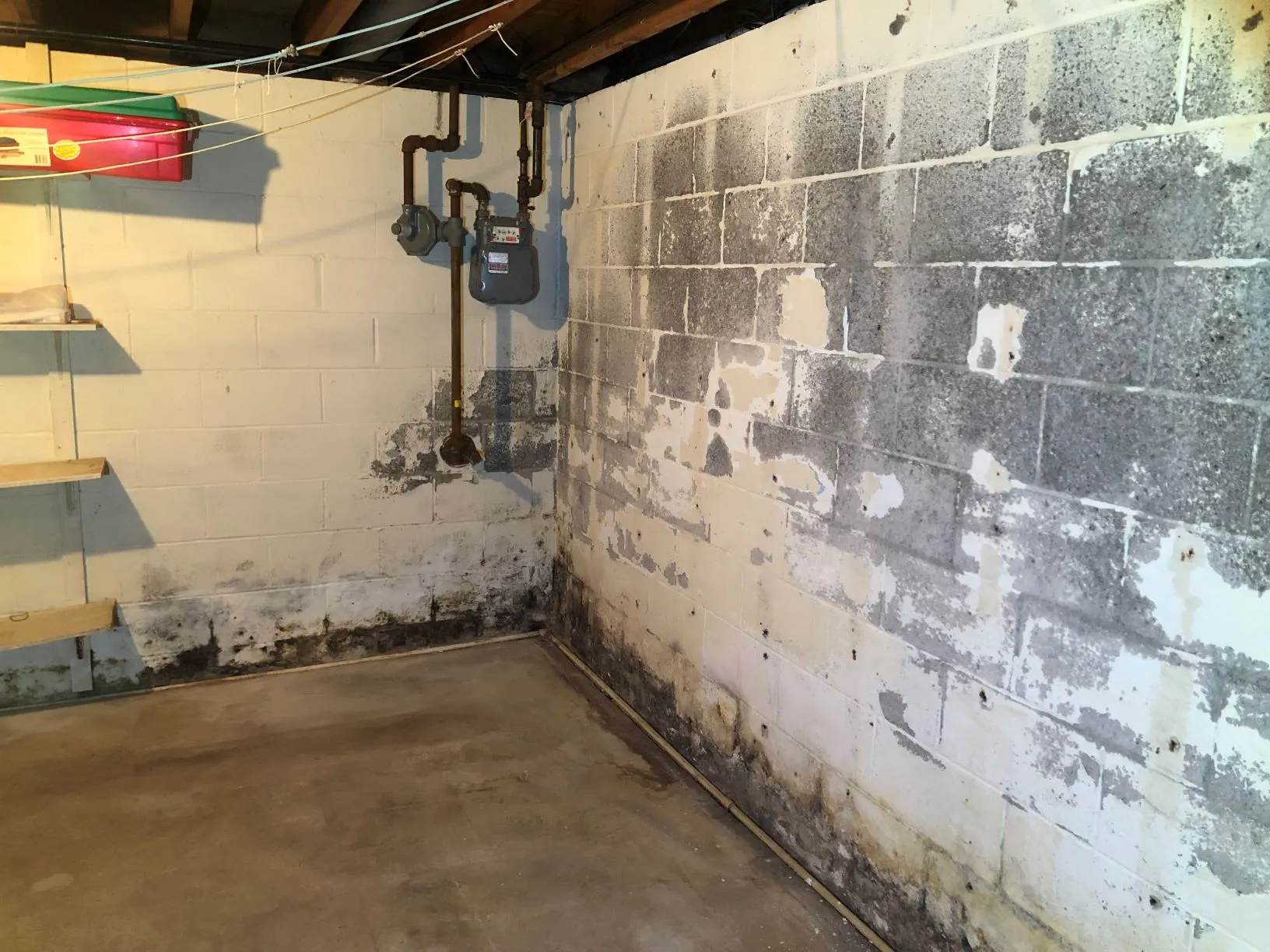
 You’ve probably never given much thought to the basement until water starts creeping in. That’s where we, your Local Waterproofing Experts, come in. Since 1978, we’ve been keeping basements dry, tackling water intrusion issues, and offering reliable solutions to protect and enhance your property’s value. But how exactly do we guarantee a safe, mold-free environment for you and your family? Stick around, there’s much more to discover about our trusted and efficient waterproofing process.
Essential Key Takeaways for Effective Basement WaterproofingKey Takeaways
- Offering specialized waterproofing services to protect basements from water intrusion and structural damage.
- Employing diverse techniques and materials tailored to specific basement conditions for effective waterproofing.
- Providing a long-term solution with warranties on services and materials to ensure durable protection against water.
- Helping homeowners save costs by preventing expensive damages related to water and mold with timely interventions.
- Ensuring future protection with regular inspections, proper drainage, and humidity control measures.
Understanding Basement Waterproofing
Nearly every homeowner will have to grapple with basement waterproofing at some point. It’s not just an issue for those who live in particularly rainy climates – even in dry areas, basement moisture can be a problem.
So, what exactly is basement waterproofing?
Basement waterproofing is the process of preventing water from entering your basement. It’s not a one-size-fits-all solution, but rather a system designed to fit your home’s unique needs. It’s about more than just applying a sealant to your basement walls, though that’s certainly part of it.
Waterproofing is about creating a barrier between your basement and moisture. This might involve installing a sump pump to remove water that’s accumulated, or putting in drain tiles to guide water away from your home’s foundation.
You might also need to address exterior issues, like grading your lawn to guarantee water flows away from your home.
Don’t underestimate the importance of basement waterproofing. It’s not just about preventing a wet basement – it’s about protecting your home’s structural integrity, preventing mold growth, and maintaining a healthy living environment.
It’s an investment in your home’s future.
Historical Overview of Waterproofing Techniques
You’ve mastered the basics of basement waterproofing.
It’s time to broaden your understanding by examining the timeline of waterproofing techniques.
From the ancients’ ingenious methods to the latest innovations in modern waterproofing, there’s a rich history to explore.
Ancient Waterproofing Methods
Thousands of years before the advent of modern technology, our ancestors were already mastering the art of waterproofing. They didn’t have the advanced materials or tools we’ve today, yet they managed to keep their homes and belongings dry.
Let’s journey back and understand their ingenious methods.
In ancient times, waterproofing was essential not only for comfort but for survival. The Egyptians, for example, used bitumen, a naturally occurring asphalt, to waterproof their boats. They’d smear this sticky substance on papyrus reeds, creating vessels that could withstand the Nile’s harsh conditions.
Similarly, the Greeks and Romans used lime-based plasters on their aqueducts and cisterns, effectively waterproofing these structures.
In China, they used oils and waxes to waterproof their silk umbrellas, while Native Americans waterproofed their canoes by applying resins from trees.
In fact, the phrase ‘to weatherproof’ comes from the Old Norse method of using animal fats to make their woolen sails water-resistant.
These methods were simple, yet effective. They laid the foundation for the waterproofing techniques we use today.
While we’ve certainly improved and expanded on these ancient techniques, it’s fascinating to know that the art of keeping things dry isn’t a modern invention at all.
Modern Waterproofing Innovations
Since the early 1800s, the world has seen a massive leap in waterproofing techniques. From rudimentary methods of applying pitch and animal fat, we’ve developed advanced, highly efficient methods that guarantee your basement stays dry, no matter what.
Here’s a brief overview of some of the modern waterproofing innovations:
- Cementitious Waterproofing: This is your go-to for internal areas like bathrooms. It’s easy to apply, and because it’s a rigid type of waterproofing, it won’t crack under pressure.
- Liquid Waterproofing Membrane: This method involves a primer coat and two top coats applied by roller, brush, or spray. The flexibility it provides is its biggest advantage.
- Bituminous Coating: Also known as asphalt coating, it’s excellent for surfaces prone to slight movements. However, it’s not UV-stable, so it’s best for areas not exposed to sunlight.
- Polyurethane Liquid Membrane: This is perfect for flat roofs exposed to weathering. It’s expensive, but it offers high flexibility and a superior finish.
From the above, it’s clear that waterproofing has come a long way. As your local experts, we’re fully equipped to handle all these techniques, guaranteeing your home stays dry and your mind stays at ease.
Common Basement Water Problems
Basement water problems can transform your cozy retreat into a damp and unpleasant nightmare. This issue is more common than you might think, as basements are inherently prone to water damage due to their location below ground level.
Two common culprits of basement water problems are seepage and condensation. Seepage occurs when groundwater saturates the soil surrounding your basement, and pressure forces the water through cracks in your foundation. This sneaky enemy can leave your basement feeling damp, encourage mould growth, and cause significant damage over time.
Condensation, on the other hand, happens when warm, humid air comes in contact with your cooler basement walls and floor. This can cause damp spots, water droplets, and even puddles. It’s not just a nuisance, but it can also contribute to an unhealthy living environment.
Rainwater can also wreak havoc. Poor drainage, gutter systems, or landscaping can direct rainwater towards your home, increasing the chances of it finding a way into your basement.
Understanding these common water problems is the first step in battling them. Stay tuned as we discuss solutions in our next article.
Benefits of Professional Waterproofing Services
After getting a firm grasp on the common basement water problems, it’s natural to wonder about potential solutions. This is where professional waterproofing services come into play. They provide a host of benefits that you mightn’t realize at first glance.
- Long-term Solution: Professional waterproofing isn’t just a quick fix. It’s a long-term solution that keeps water out of your basement for years to come. You won’t have to worry about recurring problems.
- Save Money: While there’s an upfront cost, waterproofing can save you money in the long run. It prevents expensive damages from water leaks, mold growth, and structural issues.
- Increase Property Value: A dry, waterproofed basement adds value to your home. It’s a key selling point if you ever decide to put your house on the market.
- Healthier Living Environment: Damp basements can lead to mold and mildew, which can cause health problems.
Professional waterproofing eliminates this risk, providing a safer, healthier living environment.
Our Proven Waterproofing Process
You might be wondering how the magic of professional waterproofing works. Well, it’s not magic, but a methodical, multi-step process that keeps your basement dry and your home safe. Here’s a rundown of our time-tested process:
| Steps | Description |
|---|---|
| Step 1: Inspection | Our experts thoroughly inspect your basement to identify potential problem areas. |
| Step 2: Planning | Based on our findings, we devise a bespoke waterproofing solution that fits your basement’s specific needs. |
| Step 3: Preparation | We then prep your basement, making sure it’s ready for the waterproofing process. |
| Step 4: Implementation | Our team applies the waterproofing solution with utmost precision to guarantee every inch is covered. |
| Step 5: Quality Check | We don’t just pack up and leave. A thorough quality check confirms the job’s done right. |
This process is the backbone of our waterproofing services. It’s part of our commitment to you, making certain your basement is dry and free from potential water damage. Remember, it’s not just about keeping the water out, it’s about providing you peace of mind. Stay tuned for our next section, where we’ll discuss some innovative basement waterproofing solutions.
Innovative Basement Waterproofing Solutions
When it comes to safeguarding your home, traditional methods may not always cut it. You need innovative solutions that are more than just quick fixes.
Here are four innovative basement waterproofing solutions you can consider:
- Interior Water Drainage Systems: These are installed inside your basement to collect water that seeps in and directs it to a sump pump. It’s less invasive and more cost-effective than exterior drainage systems.
- Sump Pumps: Sump pumps are essential to keeping your basement dry. They pump out accumulated water from the sump pit to the outside of your home, away from the foundation.
- Dehumidifiers: A high-quality dehumidifier can help maintain a suitable humidity level in your basement, preventing mold growth and wood rot.
- Crack Injections: If your basement has cracks, injections of epoxy or polyurethane can seal them and enhance the water resistance of your walls.
Case Studies of Successful Waterproofing
Having explored innovative solutions for basement waterproofing, let’s now turn our attention to real-life scenarios where these methods have been successfully implemented. These case studies illustrate how our waterproofing strategies have kept basements dry and homeowners happy.
Here are five standout examples:
| Case Study | Outcome |
|---|---|
| 1. The Smith Residence | Complete basement dryness achieved with interior water drainage |
| 2. The Johnson Home | Successful waterproofing utilizing external excavation and membrane installation |
| 3. The Brown Condo | Elimination of moisture through sump pump installation |
| 4. The Davis Townhouse | Effective water sealing with crack injections |
| 5. The Gomez Villa | Water-free basement attained through a combination of methods |
At the Smith residence, we installed an interior water drainage system that fully resolved their wet basement issues. For the Johnson home, we used exterior excavation and membrane installation, which successfully waterproofed their basement. The Brown Condo required a sump pump to eliminate moisture, and it worked flawlessly. The Davis Townhouse had significant cracks that were sealed with crack injections, resulting in a completely dry basement. Finally, a combination of methods was used at the Gomez Villa, attaining a water-free basement. Each of these cases demonstrates our expertise and the effectiveness of our waterproofing solutions.
Protecting Your Basement From Future Leaks
You’ve successfully waterproofed your basement, but how can you guarantee it stays dry in the future?
Let’s focus on preventive measures and identifying potential leak sources in your basement.
Preventive Measures for Basements
Protecting your basement from future leaks is more than just a proactive step; it’s an investment in your property’s longevity. This task requires a strategic approach that involves several essential steps.
- Regular Inspections: Regularly inspect your basement for small cracks or signs of moisture. Early detection can prevent significant damage and costly repairs.
- Proper Drainage: Confirm your home’s drainage system is effective and well-maintained. Water should be directed away from your home’s foundation to avoid accumulation and potential seepage.
- Sealant Application: Use quality sealants to waterproof your basement walls and floors. This barrier can effectively block moisture, protecting your basement from potential leaks.
- Humidity Control: Basements are prone to high humidity, which can lead to condensation and eventually, water damage. Invest in a dehumidifier to maintain a prime humidity level.
Identifying Potential Leak Sources
Often, identifying potential leak sources in your basement is the first step towards safeguarding your home from future water damage. It’s vital to stay vigilant, as water leaks can escalate into costly repairs if they’re not addressed promptly.
Here’s a table highlighting common sources of leaks and their typical signs:
| Potential Leak Source | Typical Signs |
|---|---|
| Window Wells | Puddles of water or damp spots around the window area |
| Foundation Cracks | Dampness or wet spots on the walls or floor |
| Pipe Leaks | Dampness or water droplets on or around the pipes |
Firstly, window wells can be a hidden source of basement leaks. If you notice puddles or damp spots around your basement windows, it’s a clear indication of a possible leak.
Secondly, foundation cracks are a common culprit. If you notice dampness or wet spots on your basement walls or floor, it may be due to cracks in the foundation. It’s important to get these repaired immediately.
Lastly, don’t overlook pipe leaks. Condensation or water droplets on your pipes can potentially lead to a leak. Regularly check your pipes for signs of dampness or water droplets.
Why Choose Our Waterproofing Experts
With a team of seasoned waterproofing professionals at your service, the choice becomes clear. You’re not just selecting a company, you’re choosing peace of mind for your property’s future.
- Unmatched Experience: Our team has been safeguarding homes from water damage since 1978. This tenure has equipped us with a deep understanding of the intricacies of waterproofing, allowing us to tackle any challenge.
- Advanced Technology: We don’t just rely on our experience. We use the latest waterproofing technology and methods to guarantee your basement stays dry, no matter the weather.
- Tailored Solutions: We recognize that every home is unique. We’ll assess your situation thoroughly, and provide a tailored solution that meets your specific needs.
- Guaranteed Satisfaction: Your satisfaction is our top priority. We stand by our work, offering guarantees on our services to provide you with the certainty you need.
Choosing us means choosing quality service, unmatched expertise, and the assurance that your home is in capable hands.
Don’t let water damage ruin your property. Choose us, the waterproofing experts who’ve been keeping basements dry since 1978.
Inquiring About Our Waterproofing Services
Before you reach out to us about our services, it’s important to grasp the fundamentals of waterproofing.
As you understand the basics, you’ll be better equipped to evaluate your specific waterproofing needs.
Don’t hesitate to contact us for a detailed discussion about how our expertise can address your requirements.
Understanding Waterproofing Basics
While you may not think about it often, waterproofing plays an essential role in maintaining the integrity of your home or business.
It’s not just about keeping your basement or crawl space dry, it’s about preventing damage that can compromise the structure over time.
Here are the basics you need to know:
- Waterproofing is a preventative measure: It’s designed to stop water and moisture from getting into places they shouldn’t be.
This isn’t just about dealing with visible water, it’s about managing the unseen moisture as well.
- Different methods for different needs: Waterproofing isn’t a one-size-fits-all solution.
There are different techniques and materials used depending on the specific situation. From interior to exterior, from sealants to drainage systems, it’s about choosing the right approach for the job.
- Professional expertise is vital: Waterproofing isn’t a DIY job.
It requires knowledge, experience, and specialized tools. It’s about understanding the problem, and knowing how to solve it effectively and permanently.
- Regular Maintenance is key: Like any other part of your home, your waterproofing system requires regular check-ups and maintenance to guarantee it’s functioning properly.
Evaluating Waterproofing Needs
If you’re noticing signs of moisture damage in your property, it’s time to contemplate the important step of evaluating your waterproofing needs. It’s not as challenging as you might think. In fact, it’s a process we’ve streamlined over years of expertise.
Start by identifying the source of the problem. Is it a leaky pipe, poor drainage, or seepage through the walls or floor? A professional inspection can pinpoint these issues, ensuring you’re not just treating symptoms but addressing the root cause.
Next, consider the extent of the damage. Is it localized or widespread? This will help you gauge the scope of the required solution. It could be as simple as sealing a crack or as complex as installing a full drainage system.
Frequently Asked Questions
What Is the Estimated Cost for a Typical Basement Waterproofing Project?
You’re looking at an average cost of $3,000 to $5,000 for a typical basement waterproofing project. It’s dependent on several factors like basement size, severity of the issues, and the specific waterproofing method you’re opting for.
How Long Does the Waterproofing Process Usually Take?
Typically, your basement waterproofing process takes about 1-2 days, depending on the size and condition of the area. However, more complex jobs could extend to a week. It’s best to plan accordingly, to avoid disruptions.
Will the Waterproofing Treatment Create a Lot of Mess in My Home?
No, it won’t. Our team’s careful with your home, minimizing disruption. We cover areas we’re working on to prevent mess. After the job’s done, we clean up, leaving your home as tidy as we found it.
What Kind of Warranty or Guarantee Do You Offer on Your Waterproofing Services?
You’ll be pleased to know we stand by our work. We offer an extensive warranty on our services, ensuring your basement stays dry. Specifics vary, but we’ll discuss those with you during our initial consultation.
Can Your Waterproofing Methods Impact My Homes Energy Efficiency?
Absolutely, our waterproofing methods can improve your home’s energy efficiency. By preventing moisture, you’ll reduce humidity, making your HVAC system work less and saving you money on energy bills. It’s a win-win situation!
Conclusion
You’ve worked hard for your home, so don’t let water damage steal your peace of mind. Trust in our expertise, honed since 1978, to keep your basement dry and safe. With our durable solutions, we not only protect your property but also boost its value. Don’t risk your family’s health; let us help create a mold-free environment. Choose Your Local Waterproofing Experts – we turn damp basements into dry, usable spaces. Reach out today and safeguard your home’s future.

Ohio State Waterproofing has provided quality service with over 90,000 successful waterproofing and foundation repair installations and satisfied customers since our inception in 1978.
Ohio State Waterproofing’s philosophy for success is to provide honest, courteous and guaranteed service to every customer. Our reputation reflects this. Our well-trained waterproofing technicians are dedicated to complete customer satisfaction. This is achieved through fast, efficient processes as well as teamwork throughout this organization. You will always find a friendly representative willing to meet your needs at Ohio State Waterproofing.
We are a full service company that handles problems ranging from patching cracks to rebuilding basements. In addition, we hold three patents related to waterproofing that make us unique in the industry. These patents and our experience allow us to be able to do what every other waterproofer can do, but no one else can do what we do.
We are actively involved in the industry and community, including the National Association of Waterproofing Contractors, BHA, NARI, NAHB, NHIA, the BIA, the FHA and a number of consumer advocacy groups, as well as playing leading roles in a number of charitable functions.
But, most importantly, our highest degree of praise comes from the thousands of referrals we get from satisfied customers. Together they’ve made us a leader in the basement waterproofing and foundation repair industry.
