
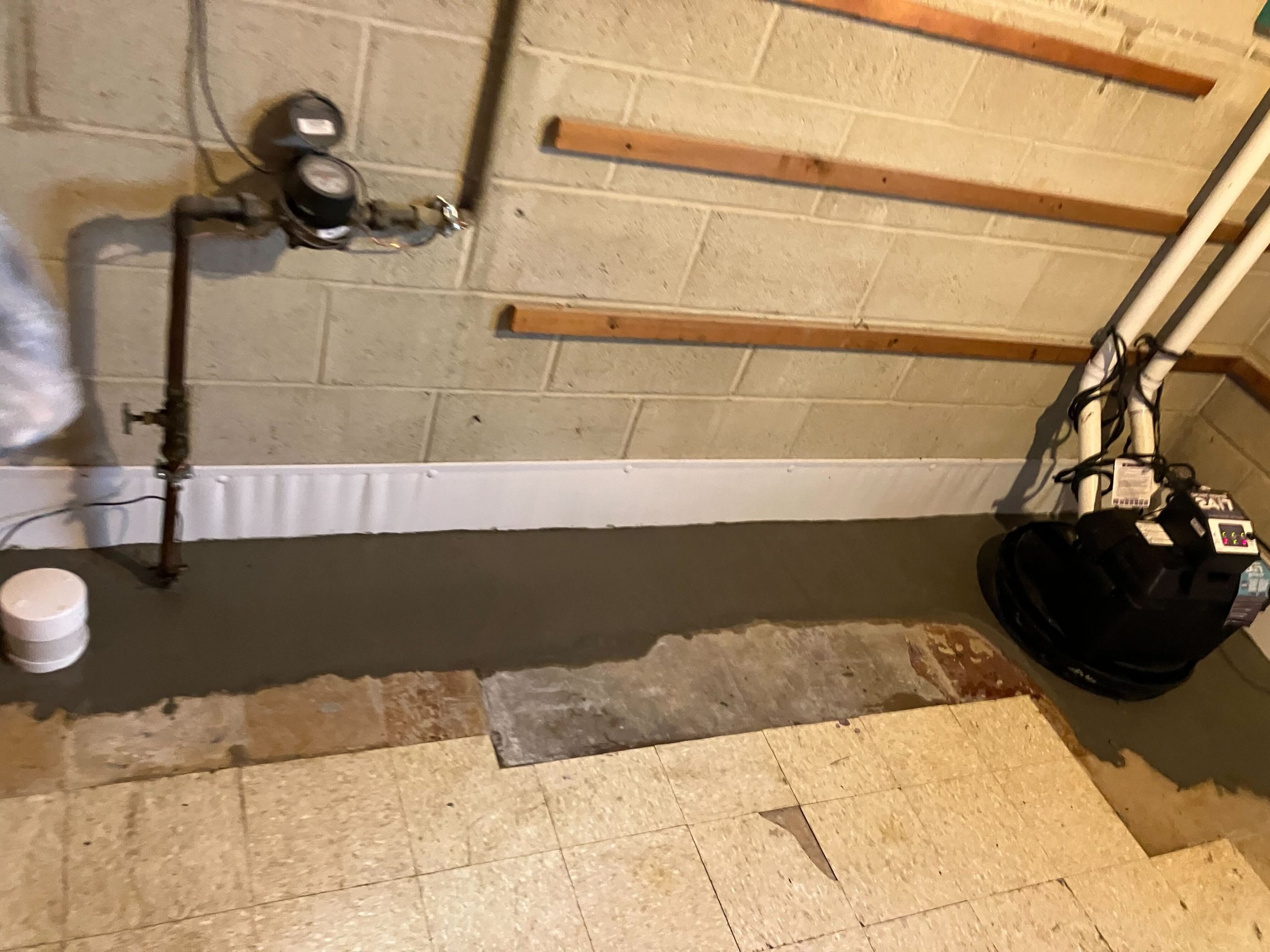
 Water leaks in your basement can be a frustrating issue, but finding the right product to combat them can be equally challenging. Have you considered a combination of hydraulic cement and liquid rubber sealants? These two together often offer a robust solution for those pesky leaks. Hydraulic cement acts fast and seals cracks permanently, while liquid rubber provides a flexible, seamless barrier against moisture. But, the key to their effectiveness lies in proper surface preparation and correct application. What are your thoughts on this? And how about we explore the cost-effectiveness and longevity of these products next?
Understanding Basement Water Leaks
The enemy, water, often finds its way into your basement through leaks. You’re likely dealing with this issue if you’ve spotted signs such as damp walls, pooling water, or a musty odor. Understanding the nature of these leaks is pivotal to tackling them effectively.
Firstly, let’s identify the most common sources of these leaks. They can originate from cracks in the walls, floors, or joints, poorly sealed windows, and sometimes even through the cove joint where the wall and floor meet.
Another prime culprit is hydrostatic pressure. This is when water in the soil surrounding your basement exerts pressure on your basement walls, causing water to seep in.
Understanding the nature of the leak helps in choosing the right solution. Not all leaks are created equal, and the severity can range from minor seepage to major flooding.
Depending on the source and severity of the leak, different methods and products may be required to effectively seal it.
Importance of Leak Repair Products
Understanding the significance of leak repair products is essential in maintaining the integrity of your basement.
These products offer effective solutions for issues that could potentially undermine your property’s value and safety.
Let’s now explore how to evaluate these products and the role they play in preserving your basement’s condition.
Evaluating Leak Repair Products
In your quest to preserve the integrity of your basement, evaluating leak repair products becomes an essential step.
It’s not just about picking the first product you see on the shelf. Instead, it involves careful consideration of several factors to ascertain you’re getting a solution that’s effective, durable, and suitable for your specific situation.
To guide your evaluation, consider the following key points:
- Effectiveness: This is the primary yardstick to measure a product. It should be able to stop the leak and prevent its recurrence.
- Compatibility: Ascertain that the product is compatible with the material of your basement walls and floor.
- Ease of application: You don’t want a product that requires professional skills to apply. Go for those that you can easily apply by yourself.
- Durability: The product should offer a long-lasting solution, not a quick fix that will need reapplication after a short while.
- Cost: While you shouldn’t compromise quality for cost, ascertain that the product offers good value for the price.
Effective Solutions for Basements
As you grapple with basement leaks, it’s imperative to understand the importance of choosing the right leak repair product. The best solution is one that’s not only effective but also durable, offering long-term protection against water damage.
Don’t underestimate the value of a high-quality product. It’s an investment in your home’s future. Low-quality options may seem attractive due to their lower cost, but they often fall short in performance, requiring frequent reapplications and potentially leading to more extensive and costly damage in the long run.
Look for products with proven track records, backed by positive consumer reviews and industry endorsements.
Consider the product’s ease of application and compatibility with your basement’s specific conditions, including the type and severity of the leak, the material of your basement walls, and the local climate.
Review: Hydraulic Cement
Numerous homeowners swear by hydraulic cement as a reliable solution for basement water leaks.
It’s a type of cement that sets and hardens when it reacts with water. It’s exactly what you need in your arsenal if you’re dealing with persistent leaks in your basement.
Here are the primary advantages of hydraulic cement:
- It’s incredibly fast-acting. Unlike other solutions, hydraulic cement can set within three minutes.
- It’s versatile. You can use it on both horizontal and vertical surfaces.
- It’s resistant to water. Once it sets, it creates a tight seal that water can’t penetrate.
- It’s durable. The seal created by hydraulic cement is permanent and won’t degrade over time.
- It’s easy to use. You don’t need to be a professional to apply hydraulic cement.
However, keep in mind that while hydraulic cement is an effective solution, it’s not a cure-all.
It’s best used for sealing small cracks and leaks. For larger, more complex problems, you may need to explore additional solutions.
Spotlight on Liquid Rubber Sealants
Now, let’s shine a spotlight on liquid rubber sealants.
You’ll find that the application process is straightforward and the product’s effectiveness is impressive.
Its sealing capability in preventing water leaks in your basement might just make it the solution you’re seeking.
Applying Liquid Rubber Sealants
When it comes to halting water leaks in your basement, applying a liquid rubber sealant is a highly effective solution. This waterproofing method provides a seamless, flexible barrier that bonds to the substrate, creating a robust and durable seal.
You’ll find the application process is straightforward. Here’s a general guideline:
- Start by cleaning the surface thoroughly. Any dust, dirt, or loose particles can prevent the sealant from adhering properly.
- Dry the area completely. Liquid rubber sealants bond best to dry surfaces.
- Apply the sealant evenly across the surface. You can use a brush, roller, or sprayer for this step.
- Allow the sealant to cure. This typically takes anywhere from 24 to 48 hours.
- Inspect the sealed area. Make sure there are no missed spots or thin areas. If necessary, apply a second coat.
Remember, safety is paramount. Verify you’re equipped with protective gear, such as gloves and eye protection.
Also, maintain proper ventilation during application and curing.
With patience and precision, you’ll have a waterproof basement, effectively protected against leaks with your applied liquid rubber sealant.
Effectiveness of Rubber Sealants
Embracing the power of liquid rubber sealants in your basement waterproofing strategy can yield tremendous results. These sealants, when applied correctly, form an impermeable layer that keeps moisture at bay.
You’ll find its application straightforward, and the result is a dry basement that’s resistant to the damage caused by water intrusion.
Liquid rubber sealants aren’t just effective, they’re incredibly durable. They’re designed to withstand the harshest conditions, which means they won’t crack or peel, even under extreme pressure or temperature changes.
This resilience makes them an excellent choice for basement waterproofing. You won’t have to reapply the sealant frequently, which saves you time and resources in the long run.
The effectiveness of rubber sealants goes beyond their physical properties. They’re also environmentally friendly.
Unlike other waterproofing products, they don’t release harmful chemicals into the air during application or while curing. This means you’re not just protecting your basement from water damage, but you’re also contributing to a healthier environment.
Efficacy of Silicone-Based Sealants
Silicone-based sealants lead the pack in stopping water leaks in basements. They’re preferred by professionals for their superior performance in sealing gaps and cracks, and for their strong adhesion to a variety of surfaces.
You’ll find that silicone sealants effectively keep water at bay, safeguarding your basement against dampness, mold growth, and structural damage.
To better understand why silicone sealants are so effective, consider these key benefits:
- Flexibility: Silicone stays flexible even after it has dried and cured. This means it can accommodate the natural movement and shifting of your home without cracking or losing its seal.
- Durability: Silicone sealants are resistant to weather, UV rays, and extreme temperatures, making them long-lasting choices.
- Moisture Resistance: Silicone is inherently water-repellent, providing a robust barrier against moisture infiltration.
- Adhesion: Silicone adheres strongly to most materials, ensuring a secure and tight seal.
- Ease of Application: Silicone sealants are easy to apply, requiring no special tools or techniques.
In short, if you’re looking for a reliable, effective solution to combat water leaks in your basement, silicone-based sealants are well worth considering.
They offer a blend of resilience, versatility, and simplicity that’s hard to beat.
Comparing Costs and Longevity
Wondering how silicone-based sealants stack up regarding cost and longevity? Let’s explore the details.
Silicone sealants are generally cost-effective, especially given their high performance. While the upfront cost might be slightly higher than some other options, they provide excellent value in the long run.
They’re durable, which means you won’t have to reapply them too frequently. This durability also translates into fewer repairs, saving you time and money.
Now let’s talk longevity. Silicone sealants are known for their superior lifespan. They’re resistant to weathering, UV radiation, and extreme temperatures, making them a durable choice for your basement.
Once applied, you can expect a silicone sealant to last up to 20 years, a notably longer lifespan compared to other sealant types.
However, the longevity of the sealant can be affected by various factors such as the application method, surface preparation, and exposure to harsh conditions.
As a result, it’s vital to follow the manufacturer’s guidelines for the best results.
Conclusion: Top Products to Stop Basement Water LeaksConclusion
You’ve got the power to combat basement water leaks effectively. With the right mix of hydraulic cement and liquid rubber sealants, you can create a durable, waterproof barrier. Remember, proper surface prep and correct application are essential for success. While silicone-based sealants may also be effective, they may not provide the longevity you need. Ultimately, the initial investment in quality leak repair products will pay off by preventing future water damage.

Ohio State Waterproofing has provided quality service with over 90,000 successful waterproofing and foundation repair installations and satisfied customers since our inception in 1978.
Ohio State Waterproofing’s philosophy for success is to provide honest, courteous and guaranteed service to every customer. Our reputation reflects this. Our well-trained waterproofing technicians are dedicated to complete customer satisfaction. This is achieved through fast, efficient processes as well as teamwork throughout this organization. You will always find a friendly representative willing to meet your needs at Ohio State Waterproofing.
We are a full service company that handles problems ranging from patching cracks to rebuilding basements. In addition, we hold three patents related to waterproofing that make us unique in the industry. These patents and our experience allow us to be able to do what every other waterproofer can do, but no one else can do what we do.
We are actively involved in the industry and community, including the National Association of Waterproofing Contractors, BHA, NARI, NAHB, NHIA, the BIA, the FHA and a number of consumer advocacy groups, as well as playing leading roles in a number of charitable functions.
But, most importantly, our highest degree of praise comes from the thousands of referrals we get from satisfied customers. Together they’ve made us a leader in the basement waterproofing and foundation repair industry.

