Ohio State Waterproofing has been providing basement solutions since 1978. We offer all types of foundation repair and waterproofing solutions for smells and dampness, bowing and cracking walls and water issues. Listed here are some of the more common available solutions to waterproofing a home.
For more information, please call us at 330-467-1055 or just use this form and we’ll call you!
Exterior Waterproofing System
Excavation consists of digging out all the dirt that sits by the walls down to footer level; replacing the footer tiles, sealing the walls, covering that with gravel and backfilling with soil to grade level.
Interior Waterproofing System
In this scenario, work is performed from the inside of the basement. The floor is opened next to the outside walls, and drain tile is installed and surrounded by gravel. The pipe is connected to a sump pump, which discharges the water.
Multi-Step Waterproofing System
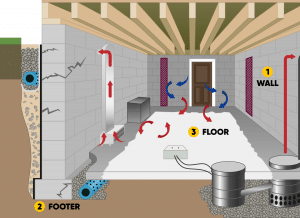
Outside walls are opened by hand, and inspected for cracks that could allow water, bugs, dirt and pollutants in. These cracks are dug and sealed. A sub-surface drain is installed to stop any surface water from running down the wall and into the basement area, surrounded by gravel, and the dirt is replaced. All above grade cracks are sealed, along with windows.
Inside, all wall cracks are sealed to make the walls structurally sound. An inspection trench is opened, and the footers are inspected, and reinforced where necessary. A sub-floor drainage system is installed, and the concrete floor that was removed is replaced. A perforated plastic crock is installed and packed in gravel with safety lid. A pressure relief system is installed to effectively lower the water beneath the floor.
Manage Consent
To provide the best experiences, we use technologies like cookies to store and/or access device information. Consenting to these technologies will allow us to process data such as browsing behavior or unique IDs on this site. Not consenting or withdrawing consent, may adversely affect certain features and functions.
Functional
Always active
The technical storage or access is strictly necessary for the legitimate purpose of enabling the use of a specific service explicitly requested by the subscriber or user, or for the sole purpose of carrying out the transmission of a communication over an electronic communications network.
Preferences
The technical storage or access is necessary for the legitimate purpose of storing preferences that are not requested by the subscriber or user.
Statistics
The technical storage or access that is used exclusively for statistical purposes.The technical storage or access that is used exclusively for anonymous statistical purposes. Without a subpoena, voluntary compliance on the part of your Internet Service Provider, or additional records from a third party, information stored or retrieved for this purpose alone cannot usually be used to identify you.
Marketing
The technical storage or access is required to create user profiles to send advertising, or to track the user on a website or across several websites for similar marketing purposes.
pump, water, waterproofing, basement, flood, drainage, floor, leak, sump pump, water damage, rain gutter, basement waterproofing, crawl space, mildew, sump, french drain, mold, paint, wall, soil, clay, credit card, coat, sealant, humidity, moisture, dehumidifier, concrete, pipe, warranty, downspout, adhesive, window, foundation, cement, vapor barrier, rain, efflorescence, customer, space, zip code, plumbing, condensation, water table, construction, cost, interior, foundation repair, basement waterproofing services, foundation solutions, free estimate, basement water, basement waterproofing cost, basement waterproofing systems, basement waterproofing solutions, foundation crack, professional basement waterproofing, waterproofing solutions, crawl space repair, basement dry, waterproofing companies near me, basement leak repair near me, basement flooding repair, b dry, waterproofing basement cost, wet basement repair near me, basement repair, basement wall crack repair, basement encapsulation, drywall, customer service, membrane, caulk, maintenance, bitumen, data, concrete sealer, odor, masonry, foot, home improvement, tile, pressure, polyurethane, concrete block, perimeter, infiltration, wet basement, basement systems, bentonite, concrete slab, groundwater, feedback, credit, better business bureau, plastic, polymer, furniture, tool, mortar, michigan, landscape, gallon, silicone, everdry waterproofing, ohio, ohio state waterproofing, ohio waterproofing, basement waterproofing cleveland, ohio basement waterproofing, basement waterproofing dayton ohio, ohio basement systems reviews, basement waterproofing canton ohio, basement waterproofing youngstown ohio, basement waterproofing akron ohio, basement waterproofing toledo, foundation repair cincinnati ohio, javascript, cleveland, customer satisfaction, contact, philosophy, waterproofing basement walls, drain, basement sealing, foundation waterproofing near me, leaking basement wall, water seeping through basement wall, foundation waterproofing companies near me, exterior foundation waterproofing, basement wall leak repair, basement foundation waterproofing, interior basement waterproofing, coating, brush, wire brush, inspection, basements, hydrostatic pressure, install, basement walls, walls, cost of waterproofing basement from inside, waterproofing concrete block walls inside, basement wall systems, wire, yard
Frequently Asked Questions
How much does it cost to waterproof basement walls?
The cost to waterproof basement walls varies based on factors such as the size of the area, the method used, and the extent of the water damage. Typically, prices range from $1,500 to $5,000 for comprehensive solutions.
What is the importance of waterproofing in Ohio State?
The importance of waterproofing in Ohio State lies in its ability to protect homes from water damage, prevent mold growth, and maintain structural integrity. Given Ohio's varied climate, effective waterproofing is essential for ensuring a safe and dry living environment.
What are the signs of basement water damage?
The signs of basement water damage include visible mold growth, musty odors, water stains on walls or floors, and peeling paint. Additionally, increased humidity levels and the presence of puddles or damp spots are strong indicators of potential water intrusion.
Can waterproofing paint protect my basement walls?
Waterproofing paint can help protect your basement walls by creating a barrier against moisture. However, it is most effective when used in conjunction with other waterproofing methods for optimal protection against water intrusion.
What causes water seepage in Ohio State homes?
The causes of water seepage in Ohio State homes include heavy rainfall, poor drainage systems, hydrostatic pressure, and foundation cracks. These factors can lead to water intrusion, compromising the integrity of basements and overall home safety.
What is the best waterproofing method for Ohio State basements?
The best waterproofing method for Ohio State basements is interior drainage systems combined with sump pumps. This approach effectively manages water intrusion, ensuring a dry and secure environment for your home.
Can I DIY waterproofing in Ohio State?
DIY waterproofing in Ohio State is possible, but it requires careful planning and proper techniques to be effective. For best results and to ensure long-term protection, professional services are often recommended.
How do I stop water from coming into my basement?
To stop water from coming into your basement, ensure proper drainage around your home by maintaining gutters and downspouts, grading the landscape away from the foundation, and considering waterproofing solutions like interior or exterior drainage systems.
How long does basement wall waterproofing last?
The longevity of basement wall waterproofing depends on the method used and the conditions of your home. Typically, professional waterproofing solutions can last 10 to 30 years with proper maintenance.
How to find a waterproofing company in Ohio State?
Finding a waterproofing company in Ohio State involves researching local contractors, reading customer reviews, and checking for proper licensing and insurance. It's essential to compare services and get multiple estimates to ensure quality and value.
Is basement waterproofing necessary for new homes?
Basement waterproofing is necessary for new homes to prevent potential water damage and maintain structural integrity. Even newly constructed homes can face water intrusion, making waterproofing a proactive measure for long-term protection.
Can waterproofing be done from the inside or outside?
Waterproofing can be done from both the inside and outside of a home. Interior methods focus on managing water that has already entered, while exterior solutions aim to prevent water intrusion before it reaches the foundation.
What is the most effective basement wall waterproofing method?
The most effective basement wall waterproofing method is the application of a waterproofing membrane, which creates a barrier against moisture intrusion and protects the structural integrity of the walls, ensuring a dry and secure basement environment.
What are the signs of waterproofing issues in Ohio State?
The signs of waterproofing issues in Ohio State include visible water stains on walls, musty odors, mold growth, peeling paint, and increased humidity levels in the basement. Addressing these signs promptly is crucial to prevent further damage.
What is the best way to waterproof a basement wall?
The best way to waterproof a basement wall is to apply a combination of exterior waterproofing membranes and interior sealants. This approach prevents water intrusion while ensuring a dry and secure environment in your basement.
What is the best waterproofing method for my basement?
The best waterproofing method for your basement depends on factors like water intrusion levels and soil conditions. Common effective solutions include interior drainage systems, exterior waterproofing membranes, and sump pump installations to ensure a dry, secure environment.
What kind of waterproofing materials do I need for basement walls?
The waterproofing materials needed for basement walls typically include sealants, waterproof paints, and membranes. These products help create a barrier against moisture, ensuring your basement remains dry and protected from water damage.
How to fix a leaking foundation in Ohio State?
Fixing a leaking foundation in Ohio State involves identifying the source of the leak, repairing any cracks, and implementing proper drainage solutions, such as sump pumps or French drains, to prevent future water intrusion.
What causes water to seep into my basement walls?
Water seeps into basement walls due to various factors, including poor drainage systems, hydrostatic pressure from saturated soil, cracks in the foundation, and improper grading around the home, which directs water towards the basement.
What are the signs of water damage on basement walls?
The signs of water damage on basement walls include discoloration, peeling paint, mold growth, and a musty odor. Additionally, you may notice cracks or efflorescence, which is a white, chalky substance on the surface.
Do I need to waterproof my entire basement wall?
Waterproofing your entire basement wall is recommended to ensure comprehensive protection against water intrusion. This approach helps maintain a dry environment and prevents potential damage to your home’s foundation.
Who provides waterproofing services in Ohio State?
Waterproofing services in Ohio State are provided by specialized companies like Ohio State Waterproofing, which focus on preventing water damage and ensuring the integrity of homes through various effective solutions.
How to waterproof a crawl space in Ohio State?
Waterproofing a crawl space in Ohio involves sealing any cracks, installing a vapor barrier, ensuring proper drainage, and using a dehumidifier to control moisture levels. These steps will help protect your home from water damage.
How do I waterproof my basement walls from the inside?
Waterproofing your basement walls from the inside involves applying a waterproof sealant or paint to the walls, ensuring all cracks are filled and using a dehumidifier to reduce moisture levels. This helps prevent water intrusion and keeps your basement dry.
What is the cost of waterproofing in Ohio State?
The cost of waterproofing in Ohio State varies based on factors such as the size of the basement, the extent of moisture issues, and the chosen waterproofing method. Typically, homeowners can expect to invest between $1,500 and $5,000 for effective solutions.
How do I know if my basement needs waterproofing?
Knowing if your basement needs waterproofing involves checking for signs of moisture, such as damp walls, musty odors, or water stains. If you notice any of these issues, it's essential to consider waterproofing solutions to protect your home.
What are the best materials for basement waterproofing?
The best materials for basement waterproofing include high-quality sealants, waterproof membranes, and drainage systems. These materials effectively prevent water intrusion and help maintain a dry, secure environment in your basement.
How often should basement waterproofing be inspected?
Basement waterproofing should be inspected regularly to ensure its effectiveness. It is recommended to have an inspection at least once a year, or more frequently after heavy rainfall or significant weather changes.
What are common waterproofing mistakes to avoid?
Common waterproofing mistakes to avoid include neglecting proper drainage, using inadequate materials, and failing to address existing water damage before applying waterproofing solutions. Ensuring thorough preparation and choosing the right products is essential for effective basement protection.
What temperature is best for waterproofing application?
The best temperature for waterproofing application is typically between 50°F and 85°F. Applying waterproofing materials within this range ensures optimal adhesion and effectiveness in preventing water intrusion.
waterproofing basement walls, ohio state waterproofing, basement sealing, ohio waterproofing, ohio basement waterproofing, exterior foundation waterproofing near me, basement waterproofing near me, waterproof company near me, basement waterproofing services, waterproofing companies, basement waterproofing company, waterproofing basements near me, basement sealing and waterproofing
Understanding Basement Waterproofing
Basement waterproofing is essential for homeowners looking to protect their property from water damage. It involves various methods and technologies designed to prevent water from entering the basement, ensuring a dry and safe living environment.
Common techniques include exterior and interior waterproofing systems, each tailored to address specific water intrusion issues. For instance, exterior waterproofing focuses on preventing water from entering through foundation walls, while interior systems manage water that has already penetrated, directing it away from living spaces.
Common Causes of Basement Water Issues
Basement water issues can arise from several sources, including poor drainage, heavy rainfall, and plumbing leaks. Understanding these causes is crucial for effective waterproofing and prevention strategies.
For example, improper grading around a home's foundation can lead to water pooling near the basement walls, while aging plumbing systems may develop leaks that contribute to moisture problems. Identifying these issues early can save homeowners significant repair costs and protect their investments.
Benefits of Professional Waterproofing Services
Hiring a professional waterproofing service offers numerous advantages, including expertise, quality assurance, and long-term solutions. Professionals have the knowledge and experience to assess specific basement conditions and recommend the most effective waterproofing methods.
Additionally, professional services often come with warranties, providing homeowners with peace of mind that their investment is protected. This assurance can be particularly valuable in regions prone to heavy rainfall or flooding.
Maintenance Tips for Waterproofed Basements
Once a basement has been waterproofed, regular maintenance is essential to ensure its continued effectiveness. Homeowners should periodically inspect their waterproofing systems and address any signs of wear or damage promptly.
Simple maintenance tasks include checking sump pumps for proper operation, ensuring drainage systems are clear of debris, and monitoring humidity levels in the basement. By staying proactive, homeowners can extend the life of their waterproofing solutions and maintain a dry, healthy environment.



 CALL OHIO STATE NOW!