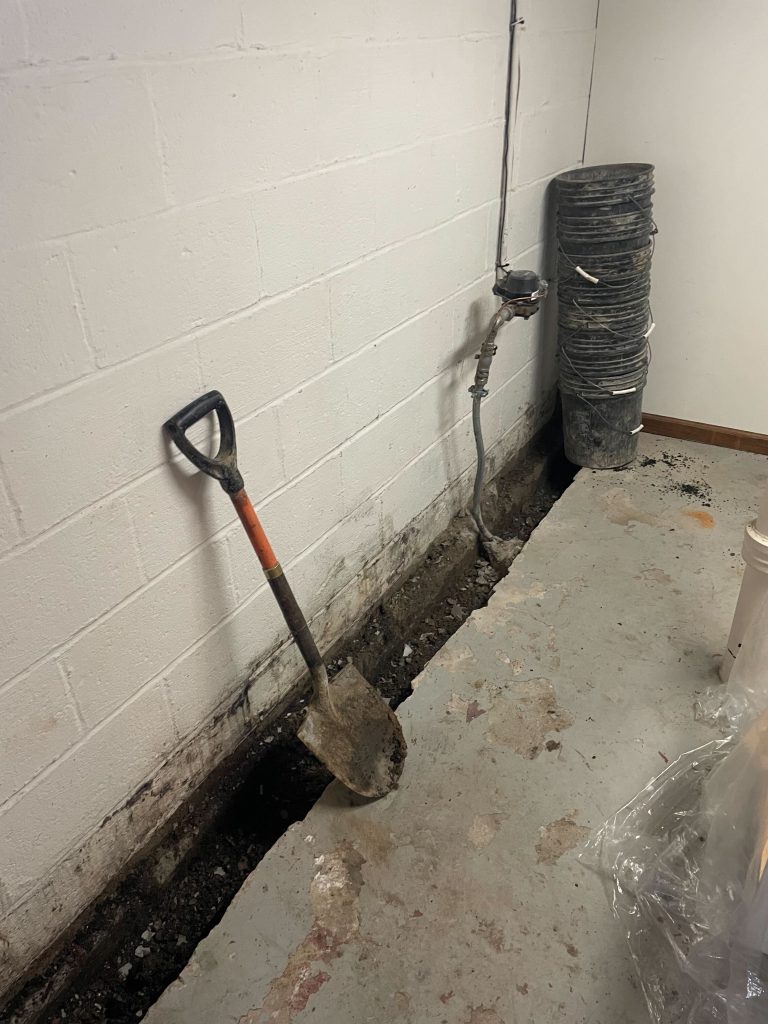
Understanding Basement Waterproofing Techniques
Basement waterproofing is essential for maintaining the integrity of your home. This process involves various techniques designed to prevent water intrusion, ensuring that your basement remains dry and usable. Common methods include interior drainage systems, exterior waterproofing membranes, and sump pump installations, each tailored to address specific moisture issues.
For instance, an interior drainage system collects water that seeps in through walls and floors, directing it to a sump pump that then expels it outside. On the other hand, exterior waterproofing involves applying a barrier to the outside of your foundation to prevent water from entering. Understanding these techniques can help homeowners make informed decisions about the best solutions for their specific needs.
Common Causes of Basement Moisture
Identifying the causes of basement moisture is crucial for effective waterproofing. Common sources include heavy rainfall, poor drainage systems, and hydrostatic pressure from the surrounding soil. Each of these factors can lead to significant water accumulation, resulting in potential damage to your home.
For example, during heavy rain, if your gutters are clogged or downspouts are improperly directed, water can pool around the foundation, increasing the risk of leaks. Additionally, hydrostatic pressure can push water through cracks in the foundation walls. Addressing these root causes is essential for long-term moisture control and preservation of your home's structure.
The Importance of Regular Inspections
Regular inspections are vital for maintaining a dry basement and preventing moisture-related issues. Scheduling periodic evaluations allows for early detection of potential problems, such as cracks in the foundation or signs of mold growth. This proactive approach can save homeowners from costly repairs down the line.
During an inspection, professionals will assess the condition of your basement, checking for water stains, mold, or structural issues. They may also evaluate the effectiveness of existing waterproofing systems. By staying ahead of moisture problems, homeowners can ensure a safe and healthy living environment.
Choosing the Right Waterproofing Service
Selecting the right waterproofing service is critical for achieving effective results. Homeowners should look for companies with a proven track record, positive customer reviews, and comprehensive service offerings. It's essential to choose a provider that understands local soil conditions and climate factors that can affect moisture levels.
For instance, a reputable waterproofing company will provide tailored solutions based on a thorough assessment of your home. They should also offer warranties on their work, ensuring peace of mind for homeowners. By doing thorough research and asking the right questions, you can find a trusted partner to protect your home from water damage.