
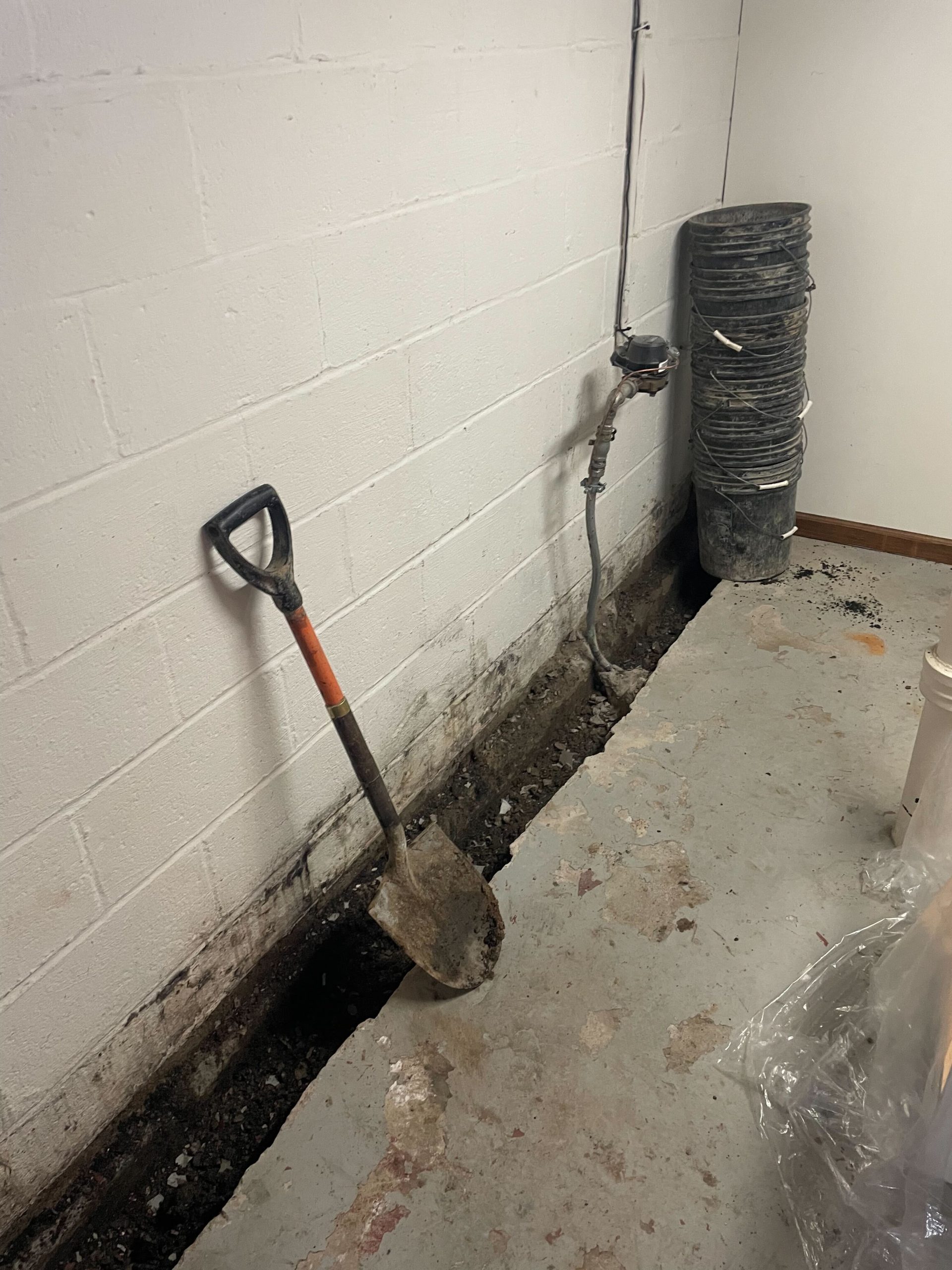
 Did you know that approximately 60% of U.S. homes experience below-ground wetness? If your basement isn’t properly waterproofed, you’re not only part of this statistic, but you’re also potentially inviting an array of issues from mold growth to structural damage. Waterproofing solutions that work could be your saving grace. With a range of options from internal systems to external defenses, there’s a lot to reflect on. But, how do you know which solution is the best fit for your home? Let’s explore this question together and guarantee your basement stays dry, even in the harshest of weather conditions.
Essential Key Takeaways for Effective Basement Waterproofing Solutions
- Waterproofing solutions include interior techniques like waterproof primers, interior drainage systems, sump pumps, and dehumidifiers.
- Exterior waterproofing methods involve foundation drainage systems, gutter systems, and downspout extensions to prevent water intrusion.
- Sealants and coatings can be used to block minor dampness, but surface preparation is essential for effective results.
- Regular maintenance of drainage systems, sump pumps, and other waterproofing tools is necessary for long-term effectiveness.
- Hiring professional waterproofing services ensures high-quality workmanship, expert solutions, and often comes with warranty coverage.
Understanding Basement Water Problems
Water problems in your basement can be a homeowner’s worst nightmare. It’s not just the hassle of cleanup; it’s the potential damage to your home’s foundation, the possible growth of mold, and the sheer unpredictability of it all. Understanding these issues is the first step towards finding a solution.
There are two main sources of basement water problems. The first is groundwater. Excessive rain or melting snow can saturate the soil around your home, increasing hydrostatic pressure. This force can push water through any cracks or weaknesses in your basement walls or floor.
Secondly, there’s interior moisture. This isn’t about leaks from the outside, but issues within your home. Think about humidifiers, showers, or even your dryer vent. If you don’t have adequate ventilation, this moisture can accumulate in your basement, causing dampness and potential mold growth.
Lastly, let’s not forget about plumbing leaks. Whether it’s a minor drip or a major burst, it can lead to significant water accumulation.
Each of these problems requires a particular approach. By understanding the source of your basement water issues, you’re already on your way to finding a targeted, effective solution.
The Importance of Proper Drainage
One of the most crucial steps in waterproofing your basement is guaranteeing proper drainage. This system will guide excess water away from your home, reducing the risk of it seeping into your basement. Without it, you’re inviting water damage, which can lead to costly repairs and potentially harmful mold growth.
So, how do you guarantee proper drainage? First, you need to understand the slope of your property. Ideally, your house should be built on the highest point, with the land sloping away from it. If it isn’t, you’ll need to make some adjustments.
Grading, or reshaping the land around your home, can create a slope that directs water away from your foundation.
Gutters and downspouts also play an essential role. They’re designed to collect rainwater and dispense it away from your home. However, if they’re clogged or not extended far enough from your house, they can cause problems.
Regular cleaning and maintenance will keep them functioning correctly.
Lastly, consider installing a French drain. This underground system captures water that’s heading towards your home and redirects it safely away.
Interior Waterproofing Techniques
Now, let’s shift to the topic of interior waterproofing techniques.
You’ll learn about the fundamentals of interior waterproofing, the role of sealants and coatings, and how to choose the most suitable method for your specific situation.
With this knowledge, you’ll be empowered to make informed decisions when waterproofing your basement.
Understanding Interior Waterproofing
Over time, the inside of your home might start showing signs of moisture seepage, indicating a need for interior waterproofing.
Don’t panic! This is a common issue faced by homeowners, and there are effective solutions available.
Interior waterproofing techniques are intended to manage water that has already made its way into your home, helping to prevent further damage.
Here’s a rundown of four primary methods:
- Waterproof Primers and Paints: These are applied directly to your basement walls and floor. They’re not a standalone solution, but they can help in minor seepage situations.
- Interior Drainage Systems: These are designed to redirect water that enters your home back outside. They’re usually installed around the perimeter of your basement floor.
- Sump Pumps: These are a key part of most interior drainage systems. They collect and pump water out of your home, preventing it from causing damage.
- Dehumidifiers: These can help manage moisture levels in your basement, reducing dampness and preventing mold growth.
You’ll need to reflect on your specific situation and possibly consult a professional to decide which approach is the best fit for you.
Next, we’ll explore sealants and coatings.
Sealants and Coatings
While waterproof primers, paints, and interior drainage systems are effective ways to handle water seepage, sealants and coatings offer another line of defense for your basement.
These products work by creating a waterproof barrier on your basement’s walls and floors, blocking moisture from penetrating the concrete.
Sealants are typically clear or translucent and penetrate deep into the concrete to block water. They’re ideal for minor dampness but may not hold up against significant water pressure.
On the other hand, waterproof coatings, usually cement-based, can withstand more substantial water pressure. They adhere to concrete, forming a thick, durable barrier that resists both interior and exterior moisture.
For best results, you’ll need to prepare your basement walls and floor before applying these products.
Confirm the surface is clean, dry, and free of any existing paint or sealant. You’ll also want to patch any cracks or holes with a suitable filler.
Choosing the Right Method
Diving into interior waterproofing techniques, it’s crucial to select the right method for your specific situation. Your choice should be informed by the severity of the moisture problem, the structure of your home, and your budget.
Here are four techniques that may suit your needs:
- Interior Water Drainage: This is the most effective method for most basements. It involves installing a drain inside your basement that leads to a sump pump. This pump then removes the water from your basement.
- Sealants: These are applied to the walls and floors of your basement to block moisture. They’re great for minor dampness but can’t handle major leaks.
- Coatings: Similar to sealants, these are thicker and can handle a bit more water pressure. They’re ideal for basements with minor to moderate moisture problems.
- Dehumidifiers: These are useful additions to other waterproofing methods. They help control humidity levels, making your basement less appealing to mold and mildew.
You should consider hiring a professional to assess your basement and recommend the best method. This guarantees the chosen technique is effective and safe for your home.
Exterior Waterproofing Solutions
Now, let’s turn our attention to exterior waterproofing solutions.
You’ll need to contemplate foundation drainage systems, an integral part of keeping water out of your basement.
Additionally, the application of waterproof coatings to the exterior of your home can provide an extra layer of defense against moisture intrusion.
Foundation Drainage Systems
A sturdy house stands strong not only because of its robust walls, but also due to its well-constructed foundation drainage system. This system acts like a guardian, keeping water away from your home’s foundation.
It’s an essential part of any waterproofing strategy, and when correctly installed, it can prevent a multitude of problems including structural damage, mold growth, and dampness.
Here’s a basic guide to understanding foundation drainage systems:
- French Drains: These are trenches filled with gravel that contain a perforated pipe. They divert groundwater away from your foundation.
- Sump Pumps: These are installed in a pit in your basement. When water fills the pit, the pump activates, propelling water away from your home.
- Gutter Systems: A well-maintained gutter guarantees that rainwater is effectively directed away from your foundation.
- Downspout Extensions: These extend the reach of your downspouts, further guiding water away from your foundation.
To effectively safeguard your basement, it’s vital to have a competent foundation drainage system in place.
Waterproof Coatings Application
While a solid foundation drainage system serves as your home’s first line of defense against water damage, applying waterproof coatings is another vital step in guaranteeing your basement remains dry and safe. These specialized coatings create a barrier that repels water, protecting your basement walls from seepage and dampness.
There’s a variety of waterproof coatings available, each with its own benefits. It’s important for you to recognize which product best suits your home’s needs.
| Coating Type | Benefits |
|---|---|
| Concrete Waterproof Coatings | Permanently adheres to concrete walls |
| Silicate-Based Concrete Sealers | Known for their longevity, won’t peel or flake |
| Waterproof Paint | Easy to apply, but less durable |
| Plastic Sheets and Panels | Effective in keeping away water, but won’t stop seepage |
| Acrylic Formula | Resistant to fading, chalking and blistering |
Each coating type has its own application process and requires specific preparation steps. As a result, it’s always good to consult with a professional. They’ll guarantee that the coatings are applied correctly, providing your basement with the best possible protection. Remember, a well-maintained, waterproofed basement not only keeps your home safe but also adds to its value.
Basement Sealing: Key Considerations
Often, the most effective way to protect your basement from water damage is through sealing. It’s not just about applying a sealant; you need to take into account several aspects to guarantee the best results.
- Type of Sealer: Not all sealers are created equal. Some are better for minor dampness, while others are designed for more serious water problems. Selecting the right one depends on your basement’s specific conditions.
- Preparation: Before you start, you’ve got to clean your basement walls thoroughly. Any dirt or loose paint can prevent the sealer from adhering properly, reducing its effectiveness.
- Application: Applying the sealer evenly is essential. You don’t want to miss any spots, as this could leave your basement vulnerable to water damage.
Also, don’t rush. Let each layer dry fully before applying the next.
- Maintenance: Even after sealing, regular check-ups are necessary. Over time, the sealer may crack or peel, requiring touch-ups.
Regular maintenance guarantees your basement stays dry and healthy.
Sump Pump: A Basement’s Best Friend
Moving beyond sealing, another excellent solution for keeping your basement dry is the use of a sump pump. This device, often overlooked, can be your basement’s best friend, especially during heavy rainfalls.
A sump pump is fundamentally a small pump installed in the lowest part of your basement or crawlspace. Its primary job is to help keep the area under the building dry and prevent it from flooding. Water flows into the sump pit through drains or by natural water migration through the soil.
The pump then pumps the water away from your home to any place where it won’t cause a problem, such as a municipal storm drain or a dry well.
There are two types of sump pumps: submersible and pedestal. A submersible pump is designed to function under water, while a pedestal pump’s motor is mounted above the sump, where it stays dry. The choice between the two depends on your needs and budget.
Using a sump pump, you can effectively manage water buildup and protect your basement from potential water damage.
It’s an investment that’ll pay for itself in peace of mind and a dry, usable basement space.
Dehumidifiers and Basement Dryness
Regularly dealing with basement dampness? A dehumidifier might be your perfect solution. This device works by removing excess moisture from the air, maintaining a healthy and dry environment, essential in preventing mold and mildew growth.
But how exactly can you benefit from it? Let’s break it down:
- Moisture Reduction: Dehumidifiers extract water from your basement’s air, reducing dampness and making the space less hospitable for mold and pests.
- Mold and Mildew Prevention: By keeping your basement dry, you’re not just making it more comfortable, you’re also preventing the growth of harmful organisms like mold and mildew, which thrive in damp conditions.
- Energy Efficiency: Dehumidifiers help your air conditioner work more efficiently. When air is humid, AC units must work harder, consuming more energy. With a dehumidifier, you can reduce your energy usage and save on bills.
- Health Improvement: High humidity levels can exacerbate allergies and asthma. A dehumidifier aids in creating a healthier indoor environment.
Waterproofing Materials: What to Choose
Choosing the right waterproofing materials for your basement can be a decisive factor in the success of your project.
It’s crucial to understand the benefits of professional-grade products over more general options.
This section will guide you through the process of selecting the most appropriate materials for your specific needs, ensuring your basement remains dry and damage-free.
Selecting Appropriate Materials
Maneuvering through the myriad of waterproofing materials can be an intimidating task. As you begin the process of waterproofing your basement, it’s essential to choose the right materials.
- Concrete Sealers: Concrete sealers are a basic, affordable solution. They’re applied like paint and are great for preventing minor dampness. However, they’re not the best choice for serious water issues.
- Crystalline Waterproofing: This material is mixed into the concrete and reacts with water to form crystals that block moisture. This is a robust solution, but it’s also more expensive.
- Waterproofing Membranes: These are sheets or liquid coatings that create a waterproof barrier. They offer solid protection, but installation can be challenging and it’s often best left to professionals.
- Sump Pumps: If you’re dealing with a significant amount of water, a sump pump might be necessary. It’s a drastic solution, but it can handle a lot of water.
Each of these materials has its strengths and weaknesses and what’s right for you’ll depend on the specific challenges your basement presents.
It’s important you take the time to reflect on your options and choose wisely.
Advantages of Professional Products
While considering the spectrum of waterproofing materials for your basement, you might be tempted to opt for cheaper, do-it-yourself options. However, there’s a compelling case to be made for professional-grade products.
Firstly, they’re often more durable and efficient. Professionals have access to high-quality materials that aren’t typically available in local stores. These products are designed to withstand harsh conditions and last longer, saving you from frequent reapplications.
Secondly, professional materials are formulated based on advanced technology and scientific research. They’re designed to address a wide range of possible issues, from mold growth to structural damage, offering you a more thorough solution.
Thirdly, these materials often come with guarantees or warranties that you won’t get with DIY solutions. If something goes wrong, you’re covered.
Hiring Professional Waterproofing Services
Maneuvering the domain of basement waterproofing can be a challenging endeavor. The complexity of the task often makes it necessary for you to hire professional waterproofing services. They possess the knowledge, experience, and tools to execute the job effectively and efficiently.
Here are four key reasons why you should consider hiring professional waterproofing services for your basement:
- Expertise and Experience: Professionals are trained and experienced in handling different types of basements and waterproofing issues. They can accurately identify and address the root cause of your basement’s water problems.
- Quality Workmanship: Hiring professionals guarantees quality work. They use commercial-grade products that are more effective than those available in retail stores.
- Time and Cost Efficiency: Although you’ll have to pay for their services, professionals can save you time and money in the long run. They can complete the job quickly and prevent future damages that might require costly repairs.
- Warranty: Many professional waterproofing companies offer warranties for their work. This provides you with peace of mind knowing that you’re covered in case any issues arise after the job is done.
Regular Basement Maintenance Tips
Even after securing professional waterproofing services, you have a role to play in keeping your basement dry and damage-free.
Regular maintenance is key to extending the lifespan of your waterproofing system and avoiding expensive repairs.
First, it’s vital that you regularly inspect your basement for any signs of moisture.
Look for damp spots, mold, or a musty smell. If you spot any, it’s likely that water is finding its way in, and it’s time to call in the professionals.
Next, routinely clean your gutters and downspouts.
They’re your first line of defense against basement water problems. If they’re clogged, water can overflow and accumulate around your foundation, leading to leaks in your basement.
Lastly, you should check your sump pump regularly, especially during rainy seasons.
It’s your last line of defense, and if it fails, you’ll be dealing with a flooded basement. Make sure it’s working properly and that it’s capable of handling the amount of water in your area.
Frequently Asked Questions
What Are the Cost Factors Involved in Basement Waterproofing?
You’ll find several cost factors involved in basement waterproofing. They include the size of your basement, severity of the water problem, type of waterproofing method chosen, and whether interior or exterior methods are used.
How Long Does a Typical Basement Waterproofing Project Take?
Typically, your basement waterproofing project can take about 1-3 days. It’s dependent on the severity of the water problem, the solutions implemented, and the size of your basement. Always plan for potential project extensions.
Are There DIY Solutions for Minor Basement Leaks?
Yes, there are DIY solutions for minor basement leaks. You can use waterproofing paint, sealants, or crack injections. However, it’s critical to address the root cause to avoid bigger issues down the road.
What Are the Signs That My Basement Needs Urgent Waterproofing?
You’ll know your basement needs urgent waterproofing if you spot persistent dampness, mold growth, water stains on walls or floor, or a musty odor. Cracks in the walls and floors are also telltale signs.
Can Waterproofing Increase the Value of My Home?
Absolutely, waterproofing can boost your home’s value. It’s like an insurance policy against water damage. Buyers will appreciate the effort you’ve put into maintaining your home, which can lead to a higher selling price.
Conclusion
To sum it up, safeguarding your basement from water damage isn’t just a smart move, it’s a necessity. From interior drainage systems to exterior protection measures, you’ve got plenty of waterproofing options at your fingertips. But remember, prevention is better than cure. Regular maintenance and professional assessments are key to keep your basement dry and your home healthy. Don’t let water damage drain your wallet – invest in reliable waterproofing solutions today.

Ohio State Waterproofing has provided quality service with over 90,000 successful waterproofing and foundation repair installations and satisfied customers since our inception in 1978.
Ohio State Waterproofing’s philosophy for success is to provide honest, courteous and guaranteed service to every customer. Our reputation reflects this. Our well-trained waterproofing technicians are dedicated to complete customer satisfaction. This is achieved through fast, efficient processes as well as teamwork throughout this organization. You will always find a friendly representative willing to meet your needs at Ohio State Waterproofing.
We are a full service company that handles problems ranging from patching cracks to rebuilding basements. In addition, we hold three patents related to waterproofing that make us unique in the industry. These patents and our experience allow us to be able to do what every other waterproofer can do, but no one else can do what we do.
We are actively involved in the industry and community, including the National Association of Waterproofing Contractors, BHA, NARI, NAHB, NHIA, the BIA, the FHA and a number of consumer advocacy groups, as well as playing leading roles in a number of charitable functions.
But, most importantly, our highest degree of praise comes from the thousands of referrals we get from satisfied customers. Together they’ve made us a leader in the basement waterproofing and foundation repair industry.

