
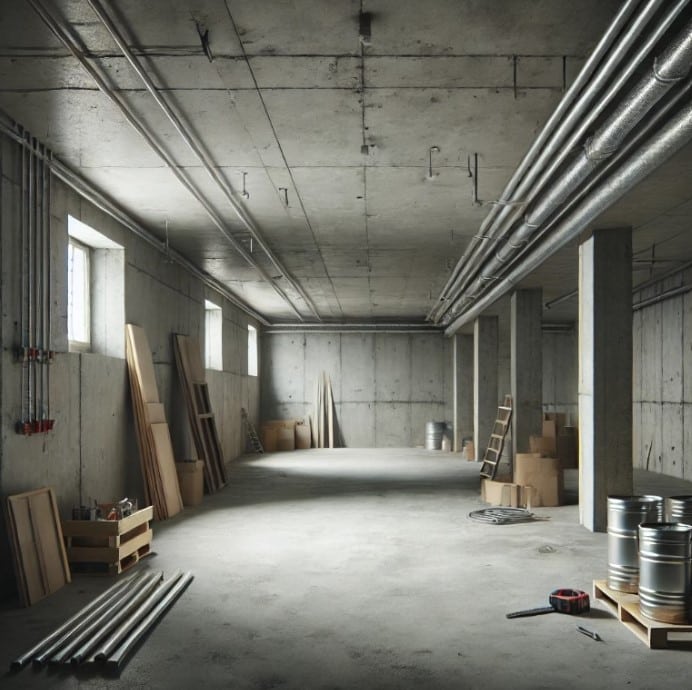
 Here’s a thought to chew on: Do all basements eventually spring a leak? It’s a question that might keep you up at night, especially if you’re a homeowner.
Now, you’re not alone in this boat. Many people have this nagging worry, haunted by the specter of costly repairs and damage.
However, is it an inevitable fate that every basement will eventually become a mini indoor pool, or is it possible to weatherproof your subterranean space effectively? Let’s untangle this web together, and you might just find your anxieties eased.
Understanding Basement Construction
To comprehend why basements may leak, you first need to grasp the intricacies of basement construction. It’s not just about digging a hole and filling it with concrete. There’s a science to it. The basement’s structure starts with the footing, a concrete base that distributes the weight of the house evenly into the ground. On top of this sits the foundation wall, providing stability and anchoring the house to the earth.
Water, however, is a persistent foe. It applies pressure from the soil surrounding the basement, often finding its way in through any tiny cracks or imperfections in the concrete. This is what’s called hydrostatic pressure. It’s the primary culprit causing your basement to leak.
Furthermore, you need to consider the role of weeping tiles. These pipes, installed around the exterior of your foundation, are designed to redirect water away from your house. If they clog or fail, it’s a one-way ticket to a flooded basement.
Lastly, the quality of construction materials and workmanship plays a decisive role. Subpar products or shoddy craftsmanship can lead to compromised basement walls, enabling water intrusion. So, understanding basement construction is crucial to tackle leakage issues.
Causes of Basement Leaks
Having grasped the fundamentals of basement construction, you’re now better equipped to understand the various causes that can lead to basement leaks. It’s essential to recognize that not all leaks are created equal and, often, a combination of factors can result in water seeping into your basement.
Here are some key culprits:
- Poor Construction: If your basement wasn’t constructed properly, it’s more likely to leak. This can include inadequate waterproofing, improper drainage systems, or weak foundation walls.
- Hydrostatic Pressure: This is the pressure that ground water in the soil exerts on your basement walls. Too much pressure can crack the walls, allowing water to seep in.
- Condensation: In humid climates or basements without proper ventilation, condensation can form on the walls and floor, leading to dampness and potential leaks.
- Plumbing Issues: Leaky pipes, water heaters, or washing machines can all cause water to accumulate in your basement.
Common Misconceptions About Basements
Let’s debunk some common myths that often cloud the understanding of basements and their functionality. One widespread misconception is that basements are inherently damp and musty. This isn’t necessarily true. With proper sealing, ventilation, and dehumidifying, your basement can remain dry and comfortable.
Another fallacy is that all basements eventually leak. While basements are vulnerable to leaks due to their underground location, they aren’t doomed to this fate. Regular inspections, maintenance, and quality waterproofing can prevent leaks from occurring.
Some believe that basements are dark, drab spaces meant only for storage. This is a dated stereotype. Today, basements can be transformed into livable spaces with proper lighting, insulation, and creative design.
Lastly, the belief that basement renovations are prohibitively expensive is misguided. Though costs can vary, a well-planned project can be quite affordable.
Preventative Measures for Leaks
In tackling basement leaks, implementing preventative measures is crucial, and it’s essential to understand that prevention is always more cost-effective than repair. Here are some strategies you can employ.
- Proper drainage: Ensure there’s an effective drainage system in place to divert water away from your home. This includes gutters, downspouts, and grading your yard away from your home’s foundation.
- Regular inspections: Keep an eye out for signs of water damage. These can include peeling paint, damp spots, or mold growth. Early detection can save you from costly repairs.
- Use of quality materials: When building or renovating, use water-resistant materials for your basement. These will offer greater protection against potential leaks.
- Sealing and waterproofing: Apply sealant to any cracks or gaps that could allow water in, and consider waterproofing your basement for added protection.
Expert Tips for Basement Maintenance
Maintaining your basement requires consistent efforts and expert advice to ensure its longevity and leak-free status. It’s not just about patching up visible cracks or drying up puddles. A methodical approach is crucial.
First, you need to regularly inspect your basement for signs of moisture. Don’t overlook small damp spots or condensation on walls, they’re often the first indicators of a larger issue. It’s also important to check around windows and doorways, as these are common areas for leaks.
Next, be proactive about your basement’s ventilation. Poor airflow can lead to mold growth, a sign of excess moisture. Make sure your basement has adequate ventilation, and consider using a dehumidifier if necessary.
Equally vital is maintaining your home’s foundation. Regularly clean and inspect your gutters and downspouts to prevent water buildup. Additionally, ensure your home’s landscaping slopes away from your foundation, preventing water from pooling.
Lastly, don’t neglect regular maintenance of your sump pump if you have one. It’s your first line of defense against basement flooding, so make sure it’s in working order.
Frequently Asked Questions
What Is the Average Cost of Repairing a Basement Leak?”
You’re wondering about the average cost of repairing a basement leak. Well, it isn’t cheap. Typically, you’re looking at a range between $500 and $10,000, depending on the severity and location of the leak.
Minor fixes might cost around $500-$1,000, but extensive repairs can easily run into the thousands. Remember, it’s crucial to address leaks promptly to prevent further damage and higher costs.
How Long Does It Typically Take to Repair a Basement Leak?”
The duration to repair a basement leak varies. It’s dependent on the leak’s severity and the method of repair.
You could fix minor leaks within a few hours using waterproofing sealants. However, more severe leaks might require several days, especially if you’re installing drainage systems or repairing foundational cracks.
Are There Any Health Risks Associated With Basement Leaks?”
Absolutely, basement leaks can pose risks to your health. Damp, wet conditions are a breeding ground for mold and mildew. Breathing in these spores can lead to respiratory issues, such as asthma or allergies.
It’s also possible for stagnant water to attract pests, which carry diseases. Additionally, a leaking basement can create structural damage, posing a physical hazard.
Therefore, it’s crucial to address any basement leaks promptly.
How Can One Detect a Basement Leak Without Professional Help?”
You can detect basement leaks yourself without professional help. Look for signs such as dampness, mold growth, a musty smell, or water stains.
You’ll want to inspect walls, floors, and ceilings. Don’t forget to check for cracks as well. Use a flashlight to enhance visibility. Also, try to trace the source of any water pooling.
It’s a meticulous process, but with patience, you can usually find the leak.
Are There Any Insurance Policies That Cover Basement Leak Damages?”
Ever wondered if your insurance policy covers basement leak damages? Most standard homeowner’s insurance policies don’t, but there are specific ones that do.
You’ll need to look into ‘water backup coverage’ or a ‘flood insurance’ policy. It’s important to thoroughly read and understand any policy before you sign up.
Key Takeaways: Conclusion and Final Thoughts on Our InsightsConclusion
So, do all basements eventually spring a leak? Not necessarily. If you think your basement is destined to turn into a mini indoor pool, you’re mistaken.
With a well-constructed foundation, regular maintenance, and a keen eye for early signs of leakage, your basement can remain as dry as the Sahara. Don’t underestimate the power of prevention and diligent care.
Remember, your basement isn’t just a storage space, it’s an integral part of your home’s health.

Ohio State Waterproofing has provided quality service with over 90,000 successful waterproofing and foundation repair installations and satisfied customers since our inception in 1978.
Ohio State Waterproofing’s philosophy for success is to provide honest, courteous and guaranteed service to every customer. Our reputation reflects this. Our well-trained waterproofing technicians are dedicated to complete customer satisfaction. This is achieved through fast, efficient processes as well as teamwork throughout this organization. You will always find a friendly representative willing to meet your needs at Ohio State Waterproofing.
We are a full service company that handles problems ranging from patching cracks to rebuilding basements. In addition, we hold three patents related to waterproofing that make us unique in the industry. These patents and our experience allow us to be able to do what every other waterproofer can do, but no one else can do what we do.
We are actively involved in the industry and community, including the National Association of Waterproofing Contractors, BHA, NARI, NAHB, NHIA, the BIA, the FHA and a number of consumer advocacy groups, as well as playing leading roles in a number of charitable functions.
But, most importantly, our highest degree of praise comes from the thousands of referrals we get from satisfied customers. Together they’ve made us a leader in the basement waterproofing and foundation repair industry.
