
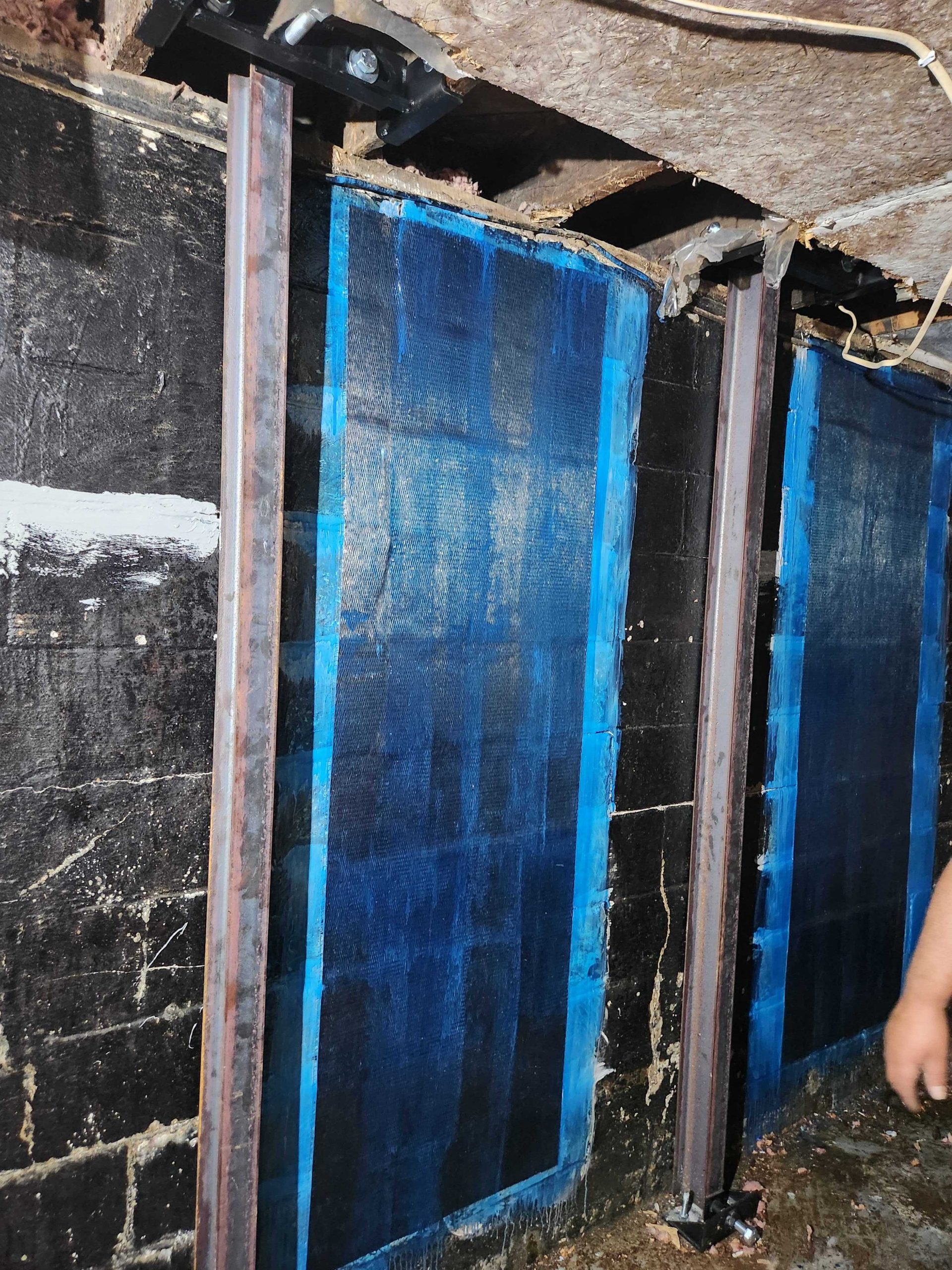
 While you might think that waterproofing your basement walls from the inside is too complex or costly, it’s actually a task you can manage with the right tools and a bit of know-how. The whole process involves an initial inspection, cleaning, applying a waterproofing primer and paint, and possibly even installing a drainage system. However, there’s one essential step in this process that, if overlooked, could jeopardize all your hard work. The suspense, right? But don’t worry, we’ll get to that in a moment.
Essential Key Takeaways for Waterproofing Basement Walls from InsideKey Takeaways
- Conduct a thorough inspection to identify any cracks, holes, or signs of moisture in the basement walls.
- Clean and dry the walls completely, then seal any cracks or holes with a concrete sealer before waterproofing.
- Apply a waterproof or water-resistant primer to the walls for an effective moisture barrier.
- Use a high-quality waterproofing paint or sealant, applying multiple lighter coats for even coverage from top to bottom.
- Regularly clean and inspect the waterproofed walls, performing touch-ups as needed and maintaining any related systems like sump pumps.
Understanding Basement Moisture
Almost every homeowner has encountered basement moisture at some point. It’s an insidious problem that doesn’t discriminate and can strike any home, regardless of age or location.
Understanding what causes this moisture is the first step towards solving it.
Moisture in your basement can come from two primary sources: external and internal.
External sources are typically related to the environment around your home. This includes rainwater and groundwater that can seep into your basement through cracks or other openings.
It’s also possible that improper drainage or landscaping could direct water towards your foundation, exacerbating the issue.
Internal sources, on the other hand, relate to activities inside your home that generate moisture. This can be as simple as cooking, bathing, or even breathing – all of which release water vapor into the air.
When this vapor meets cooler basement walls, it can condense into water droplets, contributing to the overall moisture problem.
Identifying the source of your basement moisture is vital.
Only then can you implement targeted solutions to waterproof your basement walls and keep your home dry, safe, and comfortable.
Pre-Inspection of Basement Walls
Before you start any waterproofing efforts, it’s vital to conduct a pre-inspection of your basement walls. This initial step is significant as it enables you to identify and understand the extent of the moisture problem, as well as the potential causes, which could range from condensation to groundwater saturation.
Start by visually examining your basement walls. Look for signs of efflorescence, a powdery white or grey substance that often appears on damp surfaces. This is a clear sign of mineral deposits left behind by evaporating water and a strong indication of a moisture problem.
Also, look out for any cracks, bulges, or discoloration on your walls, which could signal further issues.
Next, perform a humidity test using a hygrometer. This device measures the amount of moisture in the air, providing a more accurate picture of your basement’s humidity levels. If the readings are consistently high, it suggests that your basement is retaining moisture, therefore necessitating waterproofing.
Lastly, don’t forget to inspect for mold and mildew, as these fungi thrive in damp environments. If you spot any, it’s a sure sign your basement needs waterproofing.
Tools and Materials Needed
Before you start waterproofing your basement walls, you’ll need the right tools and materials.
This includes essential waterproofing supplies such as a high-quality waterproofing paint or sealant, and an array of appropriate tools.
Choosing the correct supplies not only guarantees a successful project but also saves you time and effort in the long run.
Essential Waterproofing Supplies
Gearing up with the right waterproofing supplies can make your basement renovation project a breeze. Essential items include waterproofing paint and a good quality brush. This isn’t just any paint; it’s specifically designed to resist water, reducing the likelihood of it seeping through your walls.
It’s also important to have a sturdy, high-quality brush to apply the paint evenly and thoroughly.
Next, you’ll need a concrete sealer. This product is critical for filling in any cracks or holes in your basement walls. It won’t just cover the cracks; it’ll penetrate deep into them and seal them off completely, preventing any future leaks.
Don’t forget about a plastic sheeting or vapor barrier. This material is installed on the walls and floors of your basement to create an additional layer of protection against moisture.
It’ll help keep the dampness out, ensuring your basement stays dry.
Lastly, you’ll require a dehumidifier. This isn’t a must-have, but it’s highly recommended. A dehumidifier will help control the humidity levels in your basement, reducing the chance of mold and mildew growth.
It’s an added measure of protection that you’ll be glad to have.
Selecting Appropriate Tools
The selection of appropriate tools and materials plays a pivotal role in the success of your basement waterproofing project.
You’ll need to have the right equipment on hand to guarantee that the job is done correctly and efficiently.
Firstly, a good quality paintbrush is essential for applying the waterproofing product.
It’s best to opt for a wide brush, as this will make it easier to cover larger areas. A roller can also be used for bigger sections, while a smaller brush will be handy for tight corners and edges.
Secondly, a high-strength masonry waterproofer is your best bet for the material.
This type of product is specifically designed to resist water pressure when applied to concrete, brick, or masonry walls.
Lastly, don’t forget other tools such as a mortar mix for any cracks or holes, a wire brush to clean the walls, and a reliable pair of gloves to protect your hands.
Preparing Your Basement Walls
A significant number of homeowners overlook the critical step of preparing their basement walls for waterproofing. Don’t let that be you. Prepping your walls correctly can make the difference between a successful waterproofing job and a failed one.
Start by thoroughly inspecting your walls. Look for cracks, holes, or any signs of moisture. These are weak points that can compromise your waterproofing efforts. If you find any, they’ll need to be repaired before proceeding.
Next, clean your walls. You’ll need them as clean as possible for the waterproofing product to adhere correctly. Use a scrub brush, warm water, and mild detergent to remove any dirt, grease, or loose paint. Be sure to rinse thoroughly and allow the walls to dry completely.
Lastly, don’t forget to protect your floors and any nearby items with drop cloths or plastic sheeting. Waterproofing can be a messy job, and you’ll want to avoid unnecessary cleanup.
Applying Waterproofing Primer
Now that you’ve prepared your basement walls, it’s time to tackle the application of a waterproofing primer.
Choosing the right primer is critical, as this will lay the foundation for the waterproofing process.
Proper application is equally essential, as is ensuring the primer’s effectiveness, to guarantee a durable, water-resistant finish for your basement walls.
Choosing the Right Primer
Precision is key when it comes to selecting the right primer for waterproofing your basement walls.
You’ll want to verify that the primer you choose is specifically designed to create a barrier against moisture.
But with numerous products on the market, it might be challenging to determine which one is the best fit for your project.
Here are three critical factors to evaluate:
- Type of Primer:Not all primers are created equal. Opt for a waterproof or water-resistant primer. These types form an impermeable layer that prevents water from penetrating through.
- Compatibility:The primer should be compatible with the paint you’re planning to use. If you’re unsure, consult with a professional or the product’s manufacturer.
- Ingredients:Look for primers with mold and mildew resistant properties. These ingredients will add an extra layer of protection against common basement issues.
Primer Application Process
Having selected the most suitable primer for your basement walls, the next step is applying it correctly to assure maximum waterproofing.
Proper application starts with confirming the wall surface is clean and dry. Any dust, dirt, or moisture can compromise the primer’s adhesion to the wall, resulting in less effective waterproofing.
Once you’ve cleaned the wall, use a paintbrush or roller to apply the primer. It’s important to apply it evenly across the entire surface. Don’t rush this process; it’s critical to take your time and confirm thorough coverage.
Remember, the primer acts as a sealant, blocking out any existing moisture and preventing further seepage.
After applying the first coat, allow it to dry completely. This step could take several hours or even overnight, depending on the specific primer you’re using and the humidity level in your basement.
Once it’s fully dried, apply a second coat for an extra layer of protection. Make sure you cover any spots that look thin or missed during the first application.
Ensuring Primer Effectiveness
To guarantee the effectiveness of the primer, you’re going to want to check for any potential issues after each coat of primer has fully dried. Not only does this step guarantee the primer’s effectiveness, but it also helps you understand whether the waterproofing process is going according to plan.
So, how can you guarantee the primer is doing its job? Here are three key steps to follow:
- Examine the Wall Surface: Once the primer has dried, carefully inspect the wall. Look for any patchy areas where the primer hasn’t adhered properly. These spaces may need a second coat.
- Perform a Touch Test: Gently touch the surface of the primer. It should feel dry and solid. If it feels sticky, you may need to let it dry longer or apply another coat.
- Check for Flaking or Cracking: If the primer is flaking or cracking, it’s not providing the waterproofing you need. You’ll need to remove these sections and reapply.
Sealing Wall Cracks and Holes
Starting with a thorough inspection, identify any cracks or holes in your basement walls. Don’t overlook even the smallest ones because they can expand over time, becoming entry points for water.
Once you’ve spotted these imperfections, it’s time to seal them up. You’ll need a high-quality, waterproof masonry caulk for small cracks. It’s easy to apply and it dries fast. Just clean the area, apply the caulk, and smooth it out.
For larger cracks and holes, use a hydraulic cement. This type of cement expands as it dries, filling the crack completely and providing a waterproof seal.
Remember, preparation is key. Before applying any sealer, make sure the area is clean and dry. If there’s dust, dirt, or moisture, the sealer won’t adhere properly. You can use a wire brush to clean the area and a vacuum to remove the debris.
If the wall is wet, use a dehumidifier to dry it out. Sealing cracks and holes is an essential step in waterproofing your basement walls from the inside.
It’s a relatively simple process, but it requires attention to detail. Don’t rush it. Your basement’s dryness depends on it.
Application of Waterproofing Paint
Now that you’ve sealed any cracks and holes in your basement walls, it’s time to contemplate the application of waterproofing paint.
The first step involves choosing the right paint for your specific situation, as they aren’t all created equal.
Once you’ve made your selection, you’ll need to understand the paint application process and how to maintain your waterproofed walls over time.
Choosing the Right Paint
When it comes to waterproofing your basement walls, choosing the right paint is an essential step. You can’t just pick any paint off the shelf; it needs to be a specific type that’s designed for waterproofing.
Here are three key factors you need to evaluate:
- Waterproofing Capability: Opt for a paint explicitly labeled as waterproof or water-resistant. These paints have special ingredients that prevent water from seeping through the walls.
- Durability: The paint should be able to withstand harsh conditions, such as high humidity and temperature fluctuations, without chipping or peeling. Always check the paint’s durability rating.
- Ease of Application: You’ll want a paint that applies smoothly without requiring multiple coats. The thicker the paint, the more difficult it can be to apply, so keep this in mind when making your selection.
Paint Application Process
Diving into the actual paint application process, it’s essential to highlight that preparation is key.
You’ll need to guarantee the surface is clean and free from dust, dirt, and loose flakes of old paint. A stiff brush is usually sufficient to clean the walls. If you find any cracks or holes, you’ll need to fill them in with hydraulic cement, making certain it’s completely dry before proceeding.
Once prepared, you’re ready to apply the waterproof paint. It’s crucial to stir the paint thoroughly before application to guarantee a consistent mix.
Using a quality paintbrush or roller, start applying the paint from top to bottom, making certain you’re covering the surface evenly without leaving any gaps. Don’t rush the process; it’s better to apply lighter, multiple coats than one heavy layer.
After the first coat is dry, usually after a few hours, you can apply the second coat. If you’re painting a light color over a dark one, you might need more than two coats to get an even finish.
Let each coat dry fully before adding the next. Remember, patience and attention to detail are essential to achieving a professional, waterproof finish.
Maintaining Waterproofed Walls
After meticulously applying the waterproofing paint and achieving a professional finish, it’s also essential to keep up with the maintenance of your basement walls.
Just like other parts of your home, these walls need regular care to prevent deterioration and keep the waterproofing intact.
Here’s a simple yet effective maintenance routine to follow:
1. Regular Cleaning: Keep your basement walls clean. Dust, dirt, and grime can accumulate on the surface, potentially damaging your waterproofing layer.
Use a mild detergent and a soft brush to gently clean the walls without scratching the paint.
2. Inspection: Periodically inspect your basement walls for any signs of cracking, peeling, or bubbling in the paint.
These could be indications that water is getting through. Early detection allows you to address the problem before it worsens.
3. Touch-Ups: If you notice small areas where the waterproofing paint is wearing thin, don’t wait for it to fail completely.
Apply a fresh coat of paint to these areas to maintain the waterproof barrier.
Installing a Drainage System
Before proceeding with the waterproofing process, it’s crucial to install an effective drainage system in your basement. When done correctly, an internal drainage system prevents water buildup, mitigating the risks of flooding and subsequent damage.
Start by selecting a high-quality perforated drain pipe. This’ll serve as the main component of your drainage system. You’ll need to dig a trench around the perimeter of your basement floor. The trench should be deep and wide enough to house the drain pipe comfortably.
Lay the drain pipe in the trench and make sure it slopes slightly towards the sump pump pit. This slope helps direct water into the pit. Once the drain pipe is in place, cover it with gravel to promote improved water flow.
Next, install a sump pump in the pit. This device pumps out accumulated water, keeping your basement dry. Go for a submersible pump for its quiet operation and efficiency.
Lastly, connect a discharge pipe to your sump pump, directing the expelled water away from your home’s foundation.
Having a well-planned and executed drainage system in place is the first step towards a waterproof basement. Let’s now maintain it!
Maintaining Your Waterproofed Basement
With your basement successfully waterproofed and a drainage system in place, it’s important to maintain these measures to guarantee long-term protection.
Maintenance isn’t overly complicated, but it’s critical to verify your efforts and investment don’t go to waste.
Here are three key steps for maintenance:
1. Regular Inspections:Don’t assume your basement is in perfect condition once waterproofed.
Perform regular checks, especially after heavy rains. Look out for any signs of moisture or leaks. This guarantees early detection and quick action to prevent severe damages.
2. Gutter and Downspout Maintenance:Keep your gutters clean and verify your downspouts are directing water away from your home’s foundation.
It’s an often overlooked yet essential step. Overflowing gutters can lead to water seeping into your basement, undermining your waterproofing efforts.
3. Maintaining the Sump Pump:If your basement has a sump pump, make it a point to inspect and clean it regularly.
A malfunctioning pump won’t drain water effectively, posing a risk to your basement.
Common Mistakes to Avoid
While taking the necessary steps to waterproof your basement and maintaining those measures are important aspects of keeping your basement dry, it’s equally significant to be aware of common pitfalls in this process.
Don’t make the mistake of assuming all waterproofing methods are equal. For instance, using interior sealants alone isn’t enough; they’re a temporary solution and can’t withstand high pressure from accumulated water.
Another common error is neglecting to control outdoor water sources. Verify your gutters are clean and that downspouts direct water away from your home. If you don’t, water can seep into your basement, rendering your waterproofing efforts useless.
Also, many homeowners forget to inspect their basement regularly. By neglecting this, you might miss early signs of leaks, which could lead to significant damage over time.
Lastly, avoid the DIY approach if you’re inexperienced. Waterproofing your basement is a complex task that requires expertise and the right tools. If done incorrectly, it could lead to more damage and costs. As a result, hiring a professional might be a wiser choice.
Frequently Asked Questions
What Is the Average Cost to Waterproof a Basement From Inside?
You’re likely looking at an average cost of around $3,000 to $5,000 to waterproof your basement from the inside.
However, this can vary greatly depending on the size of your basement and the extent of the issue.
It’s also important to note that this is a significant investment, but it’ll go a long way in preventing potential water damage and preserving the value of your home.
How Long Does the Waterproofing Process Typically Take?
The duration of the waterproofing process can vary depending on the size of your basement and the severity of the issues at hand. Typically, it can take anywhere from a few days to a week.
You’ll need to account for time to prep the walls, apply the waterproofing material, and let it dry.
Can I Waterproof My Basement Myself or Do I Need a Professional?
Sure, you can waterproof your basement yourself, but it’s a task that requires precision.
If you’re handy and confident in your DIY skills, go for it. However, hiring a professional guarantees the job’s done right.
They’ll use specific tools and techniques you may not have access to. It’s a balance between cost and peace of mind.
If you’re unsure, it’s best to consult a pro before diving in.
What Are the Potential Health Risks Associated With a Damp Basement?
Living in a home with a damp basement can expose you to various health risks.
You’re likely to encounter mold and mildew, which can lead to respiratory problems, allergies, and asthma.
The dampness also attracts pests, which carry diseases.
Finally, high humidity levels can worsen arthritis and rheumatism.
It’s essential you address any basement dampness promptly to protect your health.
Does Home Insurance Cover Damage Caused by Basement Water Leaks?
Often, your home insurance won’t cover damage caused by basement water leaks, as it’s considered a maintenance issue.
However, they might cover it if it’s a sudden and accidental event, not due to negligence. You’ll need to review your policy’s specifics.
If you’re unsure, it’s best to contact your insurer directly. They can clarify what’s covered and what isn’t.
Conclusion
So, you’ve waterproofed your basement walls from the inside, but is your job done? Not quite. Regular maintenance is key to keeping moisture at bay. So, keep an eye out for potential leaks or cracks and address them promptly. Don’t forget to monitor your dehumidifier and drainage system, ensuring they’re working effectively. With these measures, you’re not just waterproofing your basement—you’re investing in the longevity of your property. Isn’t that worth the effort?

Ohio State Waterproofing has provided quality service with over 90,000 successful waterproofing and foundation repair installations and satisfied customers since our inception in 1978.
Ohio State Waterproofing’s philosophy for success is to provide honest, courteous and guaranteed service to every customer. Our reputation reflects this. Our well-trained waterproofing technicians are dedicated to complete customer satisfaction. This is achieved through fast, efficient processes as well as teamwork throughout this organization. You will always find a friendly representative willing to meet your needs at Ohio State Waterproofing.
We are a full service company that handles problems ranging from patching cracks to rebuilding basements. In addition, we hold three patents related to waterproofing that make us unique in the industry. These patents and our experience allow us to be able to do what every other waterproofer can do, but no one else can do what we do.
We are actively involved in the industry and community, including the National Association of Waterproofing Contractors, BHA, NARI, NAHB, NHIA, the BIA, the FHA and a number of consumer advocacy groups, as well as playing leading roles in a number of charitable functions.
But, most importantly, our highest degree of praise comes from the thousands of referrals we get from satisfied customers. Together they’ve made us a leader in the basement waterproofing and foundation repair industry.
