
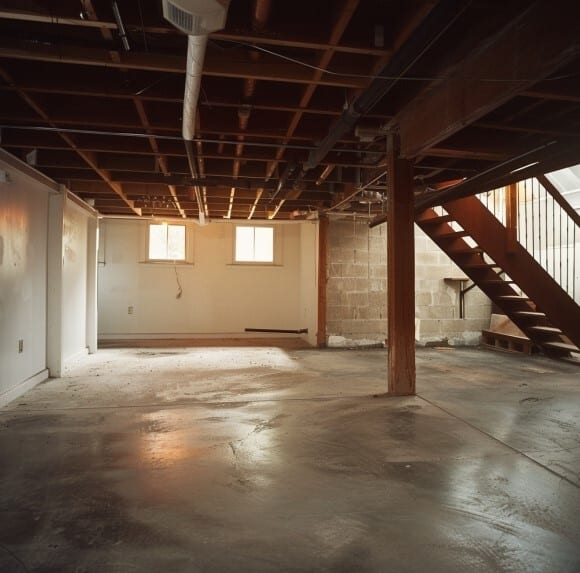
 Is it really possible to keep your basement completely dry all year round? You might think it’s a feat only achievable with professional help, but let’s pause for a moment to consider your own potential in this matter.
With the right knowledge and resources, it’s within your grasp to protect your basement from the damaging effects of moisture. This guide aims to equip you with the essential skills and understanding you need to ensure a dry, safe basement.
But how exactly can you waterproof your basement effectively and affordably? Well, let’s just say, the secret lies within the subsequent pages.
Key Takeaways for Effective Basement Waterproofing
- Basement waterproofing is essential for preventing water seepage and maintaining a home’s structural integrity.
- A dry basement is crucial for preserving the health of the home and the safety of the family by preventing moisture-related damages like mold growth and pest infestations.
- Various methods like interior water drainage, exterior waterproofing, sump pump installation, and crack injections can be utilized for effective waterproofing.
- To prevent future basement leaks, regular inspections, clean gutters, proper landscaping, sump pump maintenance, and prompt crack sealing are vital practices.
Understanding Basement Waterproofing
Before you dive into the process of basement waterproofing, it’s essential to understand what it entails and why it’s crucial for your home’s overall health and longevity. Basement waterproofing is a preventive measure that keeps water from seeping into your basement, avoiding potential damage to your home’s foundation and interiors. It’s not just about handling occasional leaks; it’s more about maintaining your home’s structural integrity.
Imagine having persistent dampness in your basement—it’s not a pretty sight, is it? Besides being an eyesore, this dampness can lead to the growth of mold and mildew, potentially hazardous to your family’s health. The moisture can also cause your foundation to deteriorate over time, leading to costly repairs or even structural failure.
You might think, ‘Well, it doesn’t rain often where I live, so why bother?rsquo; However, it’s not just rain you should worry about. Groundwater, condensation, and internal leaks can all contribute to a wet basement. So, whether you’re in a wet climate or not, basement waterproofing is a step you can’t afford to skip. Understanding its importance is the first step in protecting your home.
The Importance of a Dry Basement
Maintaining a dry basement isn’t just a matter of aesthetics; it’s a crucial aspect of preserving your home’s health and ensuring your family’s safety. When you allow moisture to infiltrate your basement, you’re opening the door to a host of potential issues.
Moisture not only damages materials like wood and drywall, but it also creates an environment conducive to mold growth. This can lead to serious health problems, including respiratory issues, allergies, and even more severe conditions in certain individuals.
A wet basement can also attract pests, such as rats and insects, that find damp, dark environments appealing. These pests can harm your home’s structure and pose health risks to your family.
Furthermore, a persistently damp basement can undermine your home’s structural integrity over time, leading to costly repairs or even posing safety hazards.
Lastly, a dry basement adds value to your home. Prospective buyers will be more interested in a home with a dry, well-maintained basement than one with visible water damage.
In short, it’s in your best interest to ensure your basement stays dry. Investing time and resources into proper basement waterproofing now can save you a lot of trouble down the line.
Various Methods for Waterproofing
Exploring the various methods for waterproofing your basement can help you find the best approach to keep your home safe and dry. There’s no one-size-fits-all solution, but rather it’s about finding what works best for your particular situation. Let’s dive into some of the most effective methods.
- Interior Water Drainage: This method is used most often. It’s less expensive than exterior waterproofing and doesn’t require excavation. It deals with water after it has entered your basement.
- Exterior Waterproofing: This is a more extensive and costly method, but it prevents water from making its way into your basement. It involves applying a waterproof coating or membrane on the exterior wall of your basement.
- Waterproofing Paint: This is a cheaper and simpler method. It can be done by yourself, but it’s not as effective as other methods.
- Sump Pump Installation: This is a great solution if your home is prone to heavy flooding. A sump pump removes water that’s accumulated in a water-collecting sump basin.
- Crack Injections: This is ideal for poured concrete basements where leaks start in the walls.
In the end, you’ll need to assess your home’s needs and choose wisely.
Do-It-Yourself Waterproofing Tips
Having chosen the right waterproofing method for your basement, you’re now ready to learn some practical tips for tackling the job yourself.
Firstly, always start with a clean, dry surface. Any existing mold or mildew can compromise the effectiveness of your waterproofing efforts. So, don’t skip scrubbing off any visible signs of these pesky growths.
Next, ensure you’ve got a good quality waterproofing product. Don’t skimp on this, as cheap products often don’t provide the long-lasting protection you need. Look for waterproofing paints or sealants that have good reviews and are designed specifically for basements.
Always apply the product evenly and thoroughly. Use a roller or brush, and remember, it’s often better to apply multiple thin layers rather than one thick one. This way, the waterproofing product can bond better with the wall and provide a more reliable barrier against moisture.
Lastly, be patient. Let each layer dry completely before applying the next. This will guarantee the effectiveness of your waterproofing.
Preventing Future Basement Leaks
Once you’ve waterproofed your basement, it’s crucial to take steps to prevent future leaks. You should be proactive in maintaining your home to keep it dry and free of water damage.
Here are some steps you can take to prevent future basement leaks:
- Regular Inspection: Check your basement regularly for signs of moisture or leaks. Early detection is key to preventing severe water damage.
- Keep Gutters Clean: Ensure your gutters are clean and properly directing water away from your home. Clogged gutters can cause water to overflow and pool around your foundation.
- Landscape Wisely: Slope your yard away from your home to help direct rainwater away from your foundation.
- Maintain Sump Pump: If you have a sump pump, maintain it regularly to ensure it’s working properly. A faulty sump pump can lead to basement flooding.
- Seal Cracks: Small cracks in your foundation can turn into big problems. Make sure to seal any cracks you find promptly.
Frequently Asked Questions
What Are the Potential Health Risks Associated With a Wet Basement?
You’re asking about potential health risks linked to a wet basement. Unchecked, damp basements can become breeding grounds for mold and mildew. These spores, when inhaled, can cause allergies, asthma, and other respiratory issues.
Also, excessive moisture can attract pests like rodents and insects, leading to related diseases. It’s crucial to stay proactive and address any signs of basement dampness promptly to safeguard your family’s health.
How Does Basement Waterproofing Affect the Overall Property Value?
Waterproofing your basement is like investing in a safety net for your property value. It not only protects your home from potential water damage, but it also increases the overall value of your property.
Buyers are more inclined to pay a premium for homes that are well-maintained and free from issues like a damp basement. So, when you waterproof your basement, you’re not just preventing future problems, you’re also boosting your home’s resale value.
Can Basement Waterproofing Be Done During Any Season, or Is There an Ideal Time of Year to Do It?
Sure, you can waterproof your basement in any season, but there’s an ideal time. Spring’s the best, as it’s typically the wettest season, so leaks are easier to spot. However, you’ll want to avoid heavy rain days.
Also, spring temperatures are more conducive to the materials used in waterproofing. But don’t wait if you’ve got a leaky basement. It’s better to address the issue right away, regardless of the season.
What Are the Possible Signs of Damage if the Basement Waterproofing Fails?
If your basement waterproofing fails, you’ll likely notice some telltale signs. You might see water stains on walls or floors, or even pools of water after heavy rain. Mold or mildew can appear, giving off a musty smell. You may also notice dampness or condensation on walls. Cracked or peeling paint is another sign, as well as rust on metal surfaces. These signs shouldn’t be ignored, as they can lead to serious damage.
Are There Any Specific Precautions to Take if I Have Electrical Installations in My Basement?
Yes, there are specific precautions you’ll need to take with electrical installations in your basement.
Firstly, make sure all electrical outlets are raised off the floor to avoid potential flooding.
Secondly, use Ground Fault Circuit Interrupter (GFCI) outlets for added safety.
Lastly, always secure loose wires and keep them away from water sources.
It’s your castle, after all, and you wouldn’t want a moat inside your fortress, would you?
Conclusion
Wrapping it up, waterproofing your basement is as essential as having a strong roof over your head. It’s not just about keeping the space dry, but also about preserving the integrity of your home.
Whether you’re going DIY or hiring professionals, always focus on prevention rather than cure. Remember, a dry basement is a happy basement. Keep your guard up against leaks and enjoy a cozy, dry space downstairs.

Ohio State Waterproofing has provided quality service with over 90,000 successful waterproofing and foundation repair installations and satisfied customers since our inception in 1978.
Ohio State Waterproofing’s philosophy for success is to provide honest, courteous and guaranteed service to every customer. Our reputation reflects this. Our well-trained waterproofing technicians are dedicated to complete customer satisfaction. This is achieved through fast, efficient processes as well as teamwork throughout this organization. You will always find a friendly representative willing to meet your needs at Ohio State Waterproofing.
We are a full service company that handles problems ranging from patching cracks to rebuilding basements. In addition, we hold three patents related to waterproofing that make us unique in the industry. These patents and our experience allow us to be able to do what every other waterproofer can do, but no one else can do what we do.
We are actively involved in the industry and community, including the National Association of Waterproofing Contractors, BHA, NARI, NAHB, NHIA, the BIA, the FHA and a number of consumer advocacy groups, as well as playing leading roles in a number of charitable functions.
But, most importantly, our highest degree of praise comes from the thousands of referrals we get from satisfied customers. Together they’ve made us a leader in the basement waterproofing and foundation repair industry.

