
Basement waterproofing is a vital component of home maintenance, particularly in regions with specific climate challenges like Ohio. The state’s climate, characterized by significant rainfall, snow, and seasonal temperature fluctuations, makes basements especially prone to moisture issues. Proper waterproofing can prevent structural damage, mold growth, and the loss of valuable living or storage space. This article explores various basement waterproofing techniques tailored to Ohio’s climate, helping homeowners safeguard their properties effectively.
Understanding Ohio’s Climate
Ohio experiences a humid continental climate, with cold winters, hot summers, and substantial precipitation throughout the year. The average annual rainfall in Ohio ranges from 36 to 44 inches, depending on the region, with snowfall adding to the moisture levels during winter months. These conditions contribute to a high water table and increased hydrostatic pressure on basement walls and floors, making effective waterproofing essential.
Common Causes of Basement Moisture in Ohio
Before exploring waterproofing techniques, it’s important to understand the common causes of basement moisture specific to Ohio:
- Heavy Rainfall: Frequent and heavy rainstorms can lead to water accumulation around the foundation, increasing the risk of seepage into basements.
- Snow and Ice Melt: Melting snow and ice during spring thaws can saturate the ground, contributing to elevated water tables and hydrostatic pressure.

- Poor Drainage Systems: Ineffective or clogged drainage systems can cause water to pool around the foundation, leading to seepage and leaks.
- Foundation Cracks: Temperature fluctuations and freeze-thaw cycles can cause foundation cracks, providing entry points for water.
- High Water Table: Areas with a high water table experience constant hydrostatic pressure, making it easier for water to penetrate basement walls and floors.
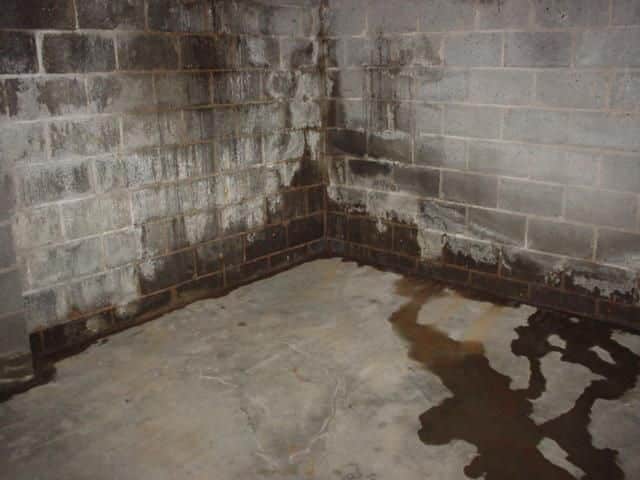
Effective basement waterproofing involves a combination of interior and exterior techniques tailored to address the specific moisture challenges posed by Ohio’s climate.
Interior Waterproofing Techniques
- Sealants and Epoxy Injections
- Sealants: Applying waterproof sealants to basement walls and floors can help create a barrier against minor leaks and dampness. Products like waterproof paints and concrete sealers are commonly used.
- Epoxy Injections: For larger cracks in the foundation, epoxy injections can fill and seal the gaps, preventing water from seeping through. This method is particularly useful for addressing cracks caused by freeze-thaw cycles.
- Interior Drainage Systems
- French Drains: An interior French drain system involves installing a perforated pipe along the perimeter of the basement floor, which collects and channels water to a sump pump. This system helps manage water that has already entered the basement, directing it away efficiently.
- Sump Pumps: Sump pumps are installed in a pit at the lowest point of the basement to actively remove collected water from the drainage system. In Ohio, where heavy rains and high water tables are common, a reliable sump pump system is crucial.
- Dehumidifiers: High humidity levels, especially during Ohio’s hot and humid summers, can lead to condensation and mold growth. Using a dehumidifier helps maintain optimal humidity levels and prevents moisture-related issues.
Exterior Waterproofing Techniques
- Exterior Drainage Systems
- French Drains: Exterior French drains are installed around the foundation to redirect water away from the basement. These systems help reduce hydrostatic pressure by lowering the water table around the foundation.
- Gutters and Downspouts: Ensuring that gutters and downspouts are clean and functioning properly is essential for directing rainwater away from the foundation. Extending downspouts to discharge water several feet away from the house can prevent pooling around the foundation.
- Excavation and Waterproof Coatings
- Excavation: This involves digging around the foundation to expose the exterior walls. While labor-intensive, it allows for a thorough inspection and repair of any cracks or damage.
- Waterproof Coatings: Once the foundation walls are exposed, applying a waterproof membrane or coating can create a robust barrier against water infiltration. Bituminous coatings, rubberized asphalt, and polymer-based sealants are effective options.
- Proper Grading and Landscaping: Ensuring that the ground around your home slopes away from the foundation helps manage surface water. Landscaping features like swales, retaining walls, and strategically placed vegetation can aid in water diversion and absorption.
Steps to Waterproof Your Basement
To effectively waterproof your basement, follow these steps, considering the specific climate challenges of Ohio:
- Assessment and Inspection
- Conduct a thorough inspection of the basement and surrounding areas to identify moisture sources and damage.
- Look for signs of water infiltration, such as stains, mold, damp spots, and cracks in the foundation.
- Choose the Right Method
- Based on the assessment, determine whether interior or exterior waterproofing methods (or a combination of both) are needed.
- Consider the severity of the problem, foundation type, and budget constraints.
- Prepare the Area
- Clear the basement of belongings and clean walls and floors to remove dirt and debris.
- For exterior waterproofing, prepare for excavation by clearing the area around the foundation.
- Implement the Chosen Method
- Apply sealants or epoxy injections for minor leaks and cracks.
- Install interior drainage systems and sump pumps as needed.
- For exterior waterproofing, excavate around the foundation and apply waterproof coatings.
- Test and Monitor
- After completing the waterproofing process, monitor the basement during heavy rain to ensure effectiveness.
- Ensure all systems, such as sump pumps and dehumidifiers, are functioning properly.
- Regular Maintenance
- Regularly inspect the basement and exterior drainage systems for signs of water infiltration.
- Keep gutters and downspouts clean and ensure proper grading around the foundation.
Maintenance Tips for a Dry Basement
Maintaining a dry basement requires ongoing attention and preventive measures. Here are some tips, particularly relevant to Ohio’s climate:
- Regular Inspections: Conduct periodic inspections of the basement and foundation to catch potential issues early.
- Clean Gutters and Downspouts: Ensure that gutters and downspouts are free of debris and direct water away from the foundation. This is especially important in the fall when leaves can clog drainage systems.
- Maintain Proper Grading: Regularly check the grading around your home and make adjustments as needed to ensure water flows away from the foundation.
- Monitor Humidity Levels: Use a dehumidifier to keep humidity levels in check, especially during Ohio’s hot and humid summer months.
- Address Plumbing Issues Promptly: Fix any leaks or plumbing issues as soon as they are detected to prevent water from entering the basement.
- Install Window Well Covers: If your basement has windows, install window well covers to prevent water from pooling around them, particularly during heavy rainstorms.
- Use Water-Resistant Materials: When finishing your basement, use water-resistant materials such as vinyl flooring and moisture-resistant drywall to minimize damage in case of water infiltration.
Basement waterproofing is essential for maintaining a safe, healthy, and structurally sound home, particularly in Ohio, where the climate poses unique challenges. By understanding the causes of basement moisture and implementing appropriate waterproofing techniques, homeowners can prevent water damage, protect their investments, and enjoy a dry and usable basement space. Regular maintenance and vigilance are key to ensuring the long-term effectiveness of your waterproofing efforts. Whether you choose to tackle the project yourself or hire a professional, investing in basement waterproofing is a wise decision that will pay off in the long run.
Contact the Professionals at Ohio State Waterproofing Today! 330-467-1055

Ohio State Waterproofing has provided quality service with over 90,000 successful waterproofing and foundation repair installations and satisfied customers since our inception in 1978.
Ohio State Waterproofing’s philosophy for success is to provide honest, courteous and guaranteed service to every customer. Our reputation reflects this. Our well-trained waterproofing technicians are dedicated to complete customer satisfaction. This is achieved through fast, efficient processes as well as teamwork throughout this organization. You will always find a friendly representative willing to meet your needs at Ohio State Waterproofing.
We are a full service company that handles problems ranging from patching cracks to rebuilding basements. In addition, we hold three patents related to waterproofing that make us unique in the industry. These patents and our experience allow us to be able to do what every other waterproofer can do, but no one else can do what we do.
We are actively involved in the industry and community, including the National Association of Waterproofing Contractors, BHA, NARI, NAHB, NHIA, the BIA, the FHA and a number of consumer advocacy groups, as well as playing leading roles in a number of charitable functions.
But, most importantly, our highest degree of praise comes from the thousands of referrals we get from satisfied customers. Together they’ve made us a leader in the basement waterproofing and foundation repair industry.

