
Basements are valuable spaces in homes, offering additional living or storage areas. However, they are also susceptible to moisture infiltration, which can lead to a host of problems such as mold growth, structural damage, and decreased indoor air quality. Basement waterproofing is the key to safeguarding this vital part of your home against water intrusion and its associated issues. In this extensive guide, we will explore the basement waterproofing process, from assessment to implementation, highlighting the importance of each step and providing insights into best practices for homeowners.
Understanding Basement Waterproofing:
Basement waterproofing is the process of preventing water from entering the basement or crawl space of a building. It involves a combination of techniques and materials designed to create a barrier against moisture infiltration. Effective waterproofing not only protects the structural integrity of the home but also enhances comfort and livability by ensuring a dry and healthy indoor environment.
Assessment and Inspection:
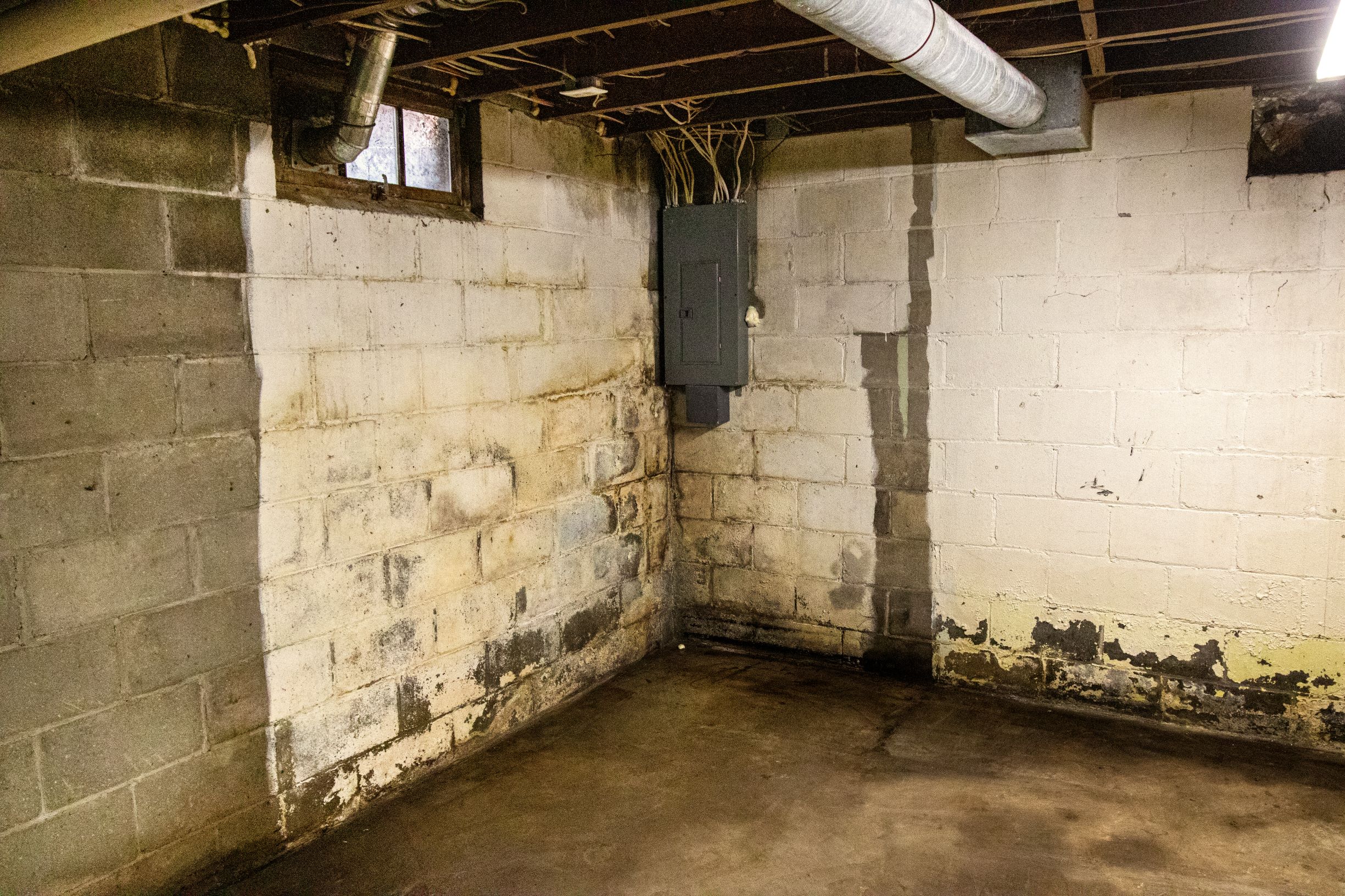
The first step in the basement waterproofing process is a thorough assessment and inspection of the basement environment. A qualified professional, such as those at Ohio State Waterproofing, will examine the interior and exterior of the basement, looking for signs of water intrusion, such as dampness, mold growth, efflorescence (white powdery residue), and cracks in the walls or floor.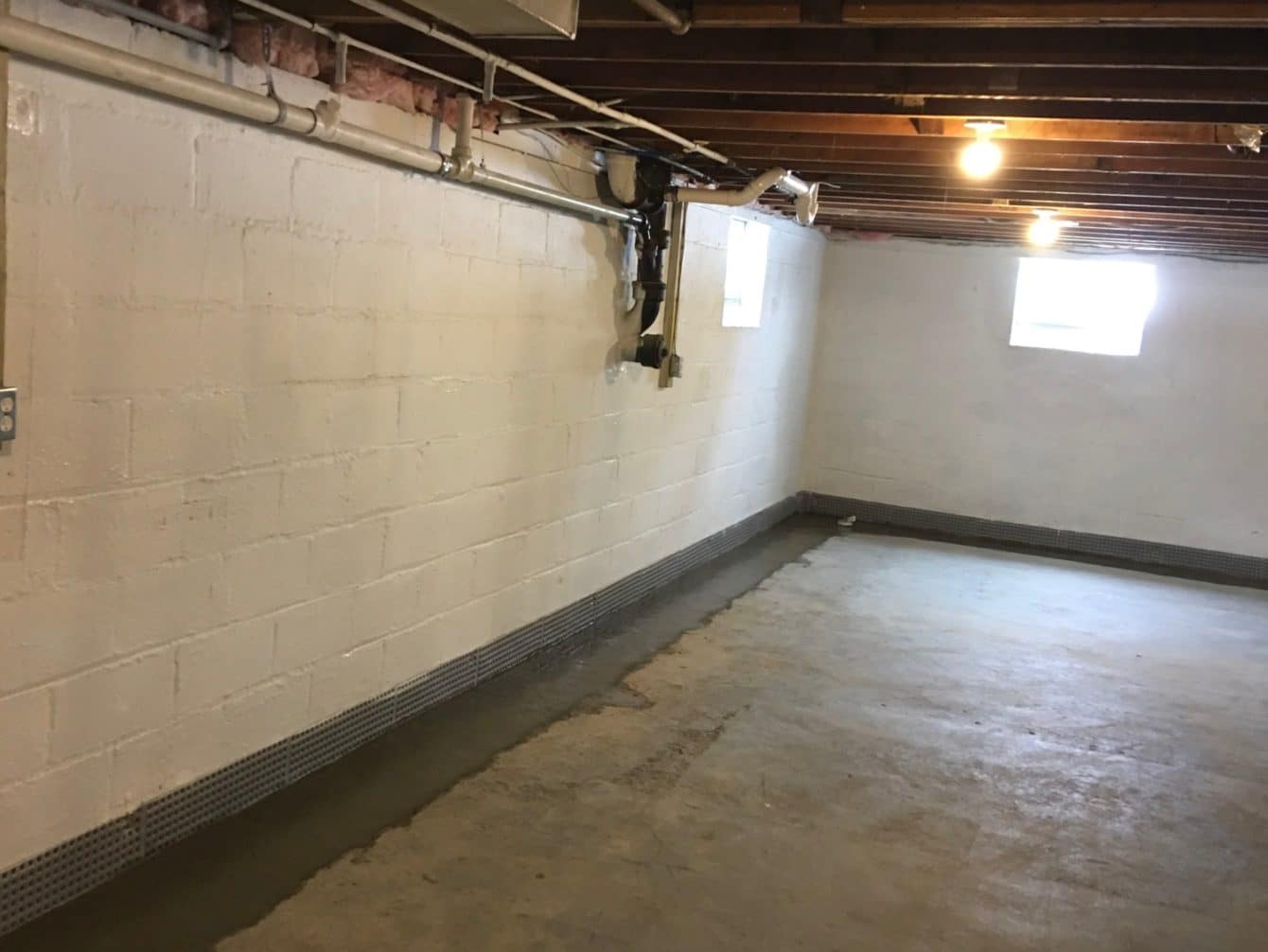
Additionally, the inspector will evaluate external factors that may contribute to water infiltration, such as grading, landscaping, gutter systems, and downspouts. Identifying the root causes of moisture issues is crucial for developing an effective waterproofing strategy tailored to the specific needs of the home.
Repairing Foundation Cracks and Structural Issues:
Before proceeding with waterproofing, any existing foundation cracks or structural deficiencies must be addressed. Foundation cracks provide pathways for water to enter the basement, undermining the effectiveness of waterproofing efforts. Professional contractors, such as Ohio State Waterproofing, employ specialized techniques such as epoxy injection or polyurethane foam injection to seal cracks and restore the integrity of the foundation.
In cases of significant structural damage, structural reinforcement may be necessary to stabilize the foundation and prevent further deterioration. Addressing these issues upfront ensures that the waterproofing system can function optimally without being compromised by underlying structural problems.
Exterior Waterproofing:
Exterior waterproofing is a critical component of basement waterproofing, as it prevents water from reaching the foundation walls in the first place. This process typically involves excavating the soil around the perimeter of the foundation to expose the exterior walls.
Once exposed, the walls are thoroughly cleaned and inspected for cracks or other defects. A waterproof membrane, such as rubberized asphalt or liquid-applied membrane, is then applied to the exterior surface of the foundation walls to create a seamless barrier against water penetration.
In addition to the waterproof membrane, a drainage system is installed to divert water away from the foundation. This may include perforated drainage pipes, gravel or aggregate backfill, and a protective filter fabric to prevent clogging.
Interior Waterproofing:
Interior waterproofing complements exterior waterproofing by providing an additional layer of protection against moisture infiltration. This approach is particularly effective in cases where exterior waterproofing is not feasible or cost-prohibitive.
Interior waterproofing techniques may include:
- Interior Drainage Systems: These systems collect and channel water that seeps into the basement through wall-floor joints or cracks. A perimeter drain, typically installed along the interior perimeter of the basement, directs water to a sump pump for removal.
- Sump Pump Installation: Sump pumps are essential components of interior waterproofing systems. They collect water from the drainage system and pump it away from the foundation to a safe location, such as a storm drain or dry well.
- Vapor Barrier Installation: Vapor barriers, such as waterproofing membranes or coatings, are applied to the interior surfaces of basement walls to prevent moisture vapor from permeating into the living space.
- Basement Wall Sealants: Specialized sealants or waterproofing paints can be applied to basement walls to create a waterproof barrier and inhibit moisture infiltration.
Ongoing Maintenance and Monitoring:
Basement waterproofing is not a one-time fix; it requires ongoing maintenance and monitoring to ensure its effectiveness over time. Homeowners should follow these maintenance guidelines to protect their investment and prolong the life of their waterproofing system:
- Regular Inspections: Periodically inspect the basement for signs of water infiltration, such as dampness, mold growth, or musty odors. Pay attention to the condition of the walls, floors, and foundation.

- Gutters and Downspouts: Keep gutters and downspouts clean and free of debris to ensure proper drainage away from the foundation. Consider installing gutter guards to prevent clogging.
- Landscaping: Maintain proper grading around the foundation to prevent water runoff away from the house. Avoid planting shrubs or trees too close to the foundation, as their roots can penetrate and damage the waterproofing system.
- Sump Pump Maintenance: Test the sump pump regularly to ensure it is functioning correctly. Clean the pump and pit as needed, and consider installing a battery backup system to ensure operation during power outages.
- Professional Inspections: Schedule periodic inspections by a qualified waterproofing professional, such as Ohio State Waterproofing, to assess the condition of the waterproofing system and address any issues promptly.
Basement waterproofing is a crucial investment in the long-term health and stability of your home. By understanding the basement waterproofing process and following best practices for assessment, repair, and maintenance, homeowners can effectively protect their basements from water intrusion and its associated problems. Whether through exterior waterproofing, interior drainage systems, or structural repairs, professional contractors like Ohio State Waterproofing offer comprehensive solutions tailored to the unique needs of each home. Don’t wait until water damage becomes a costly and disruptive problem – take proactive steps to waterproof your basement and enjoy a dry, comfortable living space for years to come.
Contact the Professionals at Ohio State Waterproofing Today! 330-467-1055

Ohio State Waterproofing has provided quality service with over 90,000 successful waterproofing and foundation repair installations and satisfied customers since our inception in 1978.
Ohio State Waterproofing’s philosophy for success is to provide honest, courteous and guaranteed service to every customer. Our reputation reflects this. Our well-trained waterproofing technicians are dedicated to complete customer satisfaction. This is achieved through fast, efficient processes as well as teamwork throughout this organization. You will always find a friendly representative willing to meet your needs at Ohio State Waterproofing.
We are a full service company that handles problems ranging from patching cracks to rebuilding basements. In addition, we hold three patents related to waterproofing that make us unique in the industry. These patents and our experience allow us to be able to do what every other waterproofer can do, but no one else can do what we do.
We are actively involved in the industry and community, including the National Association of Waterproofing Contractors, BHA, NARI, NAHB, NHIA, the BIA, the FHA and a number of consumer advocacy groups, as well as playing leading roles in a number of charitable functions.
But, most importantly, our highest degree of praise comes from the thousands of referrals we get from satisfied customers. Together they’ve made us a leader in the basement waterproofing and foundation repair industry.

