
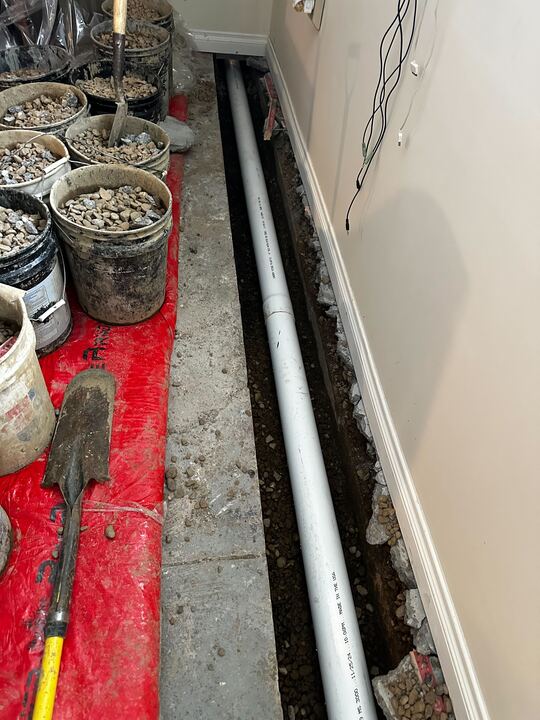
 Have you ever considered the importance of basement waterproofing for your home’s long-term protection? It’s more than just avoiding a damp basement; it’s about preventing serious structural damage, reducing health risks and potentially saving you a significant amount of money in the long run. By ensuring your home’s basement is properly waterproofed, you’re investing in its longevity and value. So, what are the key aspects you need to know about this vital home maintenance step? Let’s discuss.
Key Takeaways
- Basement waterproofing safeguards structural integrity, preventing leaks, cracks, and severe damage from water infiltration.
- Climate factors like heavy rainfall or dry spells can cause structural damage, making waterproofing crucial for home stability.
- Basement waterproofing prevents mold growth, improving indoor air quality and reducing health risks associated with dampness.
- Waterproofing enhances property value and marketability, offering financial advantages like reduced repair costs and energy bills.
- Regular maintenance and monitoring of waterproofing methods like interior drainage, sealants, and sump pumps ensure long-term protection.
Understanding Basement Waterproofing
Despite its apparent complexity, understanding basement waterproofing is vital for every homeowner. You see, it’s not just about avoiding that musty smell or preventing the occasional puddle. It’s about safeguarding your home’s structural integrity and ensuring long-term stability.
Water damage, if left unchecked, can erode your home’s foundations, causing cracks, leaks, and potentially severe structural issues. By waterproofing your basement, you’re fundamentally forming a barrier that prevents groundwater from seeping into your home. This process typically involves the use of sealants on both the interior and exterior walls, but it can also include more extensive measures, such as installing drainage systems or sump pumps.
Now, it’s important to remember that not all basements require the same level of waterproofing. Factors like the age of your home, its location, and the quality of its construction can all affect the type and extent of waterproofing required.
The Role of Climate Factors
Climate plays a significant role in determining the kind of basement waterproofing your home needs. If you’re living in an area that experiences heavy rainfall or snow, you’re more likely to need extensive waterproofing solutions. Moisture-soaked soil can exert pressure on your basement walls, causing cracks and leaks.
Similarly, if you’re in a mainly dry climate, don’t think you’re off the hook. Dry climates can cause the soil around your basement to contract, creating spaces for water to seep in during rare but heavy rains. This sudden influx of water can damage your basement.
Temperature fluctuations also impact your basement’s condition. In colder climates, freeze-thaw cycles can cause significant damage. Water that seeps into your basement or its surrounding soil can freeze, expand, and cause cracks.
When it thaws, it seeps deeper into these cracks, exacerbating the problem.
Consider these climate factors when planning your basement waterproofing. Always consult with a professional to understand what specific measures are required for your climate.
Prevention of Structural Damage
You need to understand the risks of undermining foundation integrity and the consequences of mold growth in your basement.
If not addressed promptly, these issues can lead to significant structural damage over time.
Let’s discuss how waterproofing your basement can prevent these issues and guarantee the longevity of your home.
Undermining Foundation Integrity
A staggering number of homeowners face the issue of structural damage due to undermining foundation integrity. If you’re not careful, your home can become one of these statistics.
But, what exactly does this mean? It’s simple. Your house’s foundation is its backbone, and a weak foundation can lead to considerable structural damage.
Here are some issues that can arise from a compromised foundation:
- Unexpected repair costs: Imagine having to shell out thousands of dollars unexpectedly. Painful, right?
- Decrease in property value: Your home’s worth can plummet, affecting your net worth greatly.
- Safety risks: Your loved ones could be living in a potential deathtrap without even realizing it.
- Deal-breaker for potential buyers: If you decide to sell, buyers might back out once they discover foundation issues.
- Unwanted stress: Constantly worrying about the state of your home can take a toll on your mental health.
Basement waterproofing is a crucial measure to prevent this undermining of foundation integrity.
It’s an investment in your home’s longevity, your financial stability, and, most importantly, your peace of mind.
Don’t risk it.
Mold Growth Consequences
Ignoring mold growth in your basement can invite a host of problems, making it a silent saboteur of your home’s structural integrity. If left unchecked, mold can deteriorate wooden structures and compromise the strength of your home’s foundation.
This silent invader thrives in damp, dark environments, just like your untreated basement. It starts small, but rapidly spreads, eating away at the organic materials that make up the structure of your home.
To help visualize the process and consequences of mold growth, let’s consider the following table:
| Stage | Process | Consequences |
|---|---|---|
| Early | Mold spores settle in damp areas, germinate and begin to grow | Mildew smell, allergenic effects |
| Mid | Mold spreads, consuming organic material for sustenance | Noticeable mold spots, health issues like respiratory problems |
| Late | Extensive mold damage, deterioration of structural integrity | Significant structural weakening, costly repairs |
Basement waterproofing is a preventative measure, creating an inhospitable environment for mold. It’s an investment that goes beyond just preventing water damage. You’re protecting your home’s structural integrity, your health, and ultimately your peace of mind. Don’t let the silent saboteur wreak havoc in your home. Waterproof your basement and keep mold at bay.
Reducing the Risk of Mold
Now, let’s turn our attention to reducing the risk of mold in your basement.
Understanding the conditions that promote mold growth is your first step, as this knowledge can help you prevent health hazards associated with mold.
Waterproofing plays an essential role here, serving as an effective strategy to prevent mold from making your basement its home.
Understanding Mold Growth Conditions
Countless homeowners often overlook the importance of understanding mold growth conditions when it comes to basement waterproofing.
This lack of knowledge can result in serious mold problems that could have been avoided.
Mold thrives in damp, dark, and stagnant environments, which are conditions often found in basements.
Your basement is the perfect breeding ground for these microscopic organisms if it’s not properly waterproofed.
To help you grasp the seriousness of this issue, here are some important factors:
- Moisture: Mold needs moisture to grow. High humidity levels or water leaks in your basement create an ideal environment.
- Temperature: Molds can grow in temperatures ranging from 40 to 100 degrees Fahrenheit, which are typical basement temperatures.
- Darkness: Mold thrives in the dark. Most basements are poorly lit, providing a perfect sanctuary for mold.
- Oxygen: Mold needs oxygen to grow. Basements often have stagnant air, providing ample oxygen supply.
- Food: Mold feeds on organic material. Materials like wood, paper, carpet, and certain types of insulation provide a food source for mold.
Health Hazards of Mold
Over time, exposure to mold can pose serious health risks, particularly if you neglect basement waterproofing. Mold spores, often invisible to the naked eye, can infiltrate your home’s air, which you and your family breathe daily. It’s not just a matter of discomfort; it’s about safeguarding your health.
Mold exposure often leads to allergic reactions such as sneezing, runny nose, red eyes, and skin rash. It’s even worse for people with chronic lung illnesses, as mold can cause severe reactions. For some, exposure could mean developing chronic respiratory conditions like asthma or experiencing frequent bouts of pneumonia.
Furthermore, certain toxic molds produce mycotoxins, which can lead to serious conditions when inhaled, ingested, or touched. The effects can range from short-term irritations to long-term health complications, including neurological problems and, in severe cases, death.
Understanding the potential health hazards of mold is essential in realizing the importance of basement waterproofing. It’s not just about maintaining a clean, dry basement. It’s about creating a safe, mold-free environment for you and your loved ones.
Waterproofing: Mold Prevention Strategy
Taking steps to waterproof your basement drastically reduces the risk of mold development in your home.
An unattended damp basement creates a conducive environment for mold, which not only damages your property but also poses serious health risks.
So, how does waterproofing work as a mold prevention strategy?
Well, waterproofing blocks moisture, the very lifeblood of mold. By waterproofing, you’re fundamentally cutting off the mold’s lifeline.
But there’s more to it.
Consider these emotional impacts of having a mold-free home:
- Peace of Mind: You’ll sleep better knowing your family is safe from mold-related health issues.
- Pride of Ownership: A clean, dry basement enhances your home’s appearance and value.
- Freedom from Worry: No more costly repairs or replacements due to mold damage.
- A Healthy Environment: With no mold, you breathe cleaner, healthier air.
- Long-Term Savings: Prevention is cheaper than cure. You’ll save on health and property repair costs in the long run.
Financial Benefits of Waterproofing
Often, homeowners overlook the financial benefits of waterproofing their basement. You may think of it as just another expense, but in reality, it’s an investment that’ll pay off in the long run.
Consider the cost of damage repairs. Water leaks can wreak havoc on your home’s structure, leading to costly repairs or even replacements. By waterproofing your basement, you’re preventing potential damage and saving yourself a significant amount in repair costs.
Then there’s the matter of your home’s value. A waterproofed basement enhances the marketability of your property, making it more appealing to potential buyers. It’s a feature that signifies a well-maintained house, translating to a higher resale value.
Additionally, waterproofing can save you money on energy bills. A damp basement can cause your heating and cooling system to work harder, increasing your energy costs.
With a waterproofed basement, you’ll have better insulation, leading to more energy efficiency and lower bills.
Improving Indoor Air Quality
You mightn’t realize it, but a waterproofed basement can greatly improve your home’s indoor air quality.
By mitigating mold growth and preventing allergen accumulation, you’re not just protecting your basement, but also enhancing the overall air quality of your living spaces.
Let’s explore how this process works and why it’s essential for your health and comfort.
Mitigating Mold Growth
While waterproofing your basement is essential, it’s equally important to focus on mitigating mold growth to improve indoor air quality.
With dampness creeping in, your basement can become the perfect breeding ground for mold spores. These spores not only degrade the structure of your home but also pose a considerable risk to your health, causing various respiratory issues.
Here are a few steps you can take to prevent mold growth:
- Regularly inspect your basement for any signs of moisture. Early detection is key to preventing a full-blown mold infestation.
- Use a dehumidifier to control humidity levels. Mold thrives in moist conditions, and maintaining a dry environment helps to stop its growth.
- Guarantee good ventilation. A well-ventilated area can considerably reduce mold growth.
- Clean surfaces with mold-resistant products. These products can keep mold at bay and provide a protective barrier.
- Fix any leaks as soon as you spot them. A small leak can quickly turn into a major mold problem if not addressed immediately.
Preventing Allergen Accumulation
Having a mold-free basement is just the first step in ensuring a healthy living environment. But wait, there’s more! You’ve also got to prevent allergen accumulation. This is essential because allergens can severely affect indoor air quality.
When your basement gets damp due to lack of waterproofing, it becomes a breeding ground for allergens like dust mites and pet dander. These tiny particles can easily infiltrate your entire home through the HVAC system, causing respiratory issues and allergic reactions. And you don’t want that, do you?
So, what’s the solution? Basement waterproofing. It’s not just about keeping water out, but also about improving your home’s overall air quality. By keeping your basement dry, you’re making it inhospitable for allergens.
But it doesn’t stop there. Regular cleaning and dehumidification are also key. Use a dehumidifier to maintain ideal humidity levels and regularly clean to prevent dust accumulation.
Enhancing Home Value
Investing in basement waterproofing greatly boosts your home’s value.
It’s a strategic move on your part to guarantee your property remains an asset, not a liability. When you decide to sell, the market value of your home skyrockets, and prospective buyers find a waterproofed basement a major selling point.
A waterproofed basement is a demonstration of a well-maintained abode, providing the assurance that your house is shielded from potential water damage.
This investment speaks volumes about your commitment to safeguarding your property, creating a strong impression on buyers.
Consider the following emotions a potential buyer might experience when they discover your basement is waterproofed:
- Relief – knowing they won’t have to deal with future water damage.
- Appreciation – for the investment you’ve made to protect the house.
- Excitement – at the prospect of a worry-free basement area.
- Trust – in you as a responsible homeowner.
- Confidence – in their decision to purchase your home.
Increasing Usable Space
By waterproofing your basement, you’re not just boosting your home’s value – you’re also considerably increasing its usable space.
Think about it. That dank, musty area you’ve been avoiding could be transformed into a functional and inviting space. You’re potentially adding hundreds, if not thousands of square feet to your living area.
Imagine a state-of-the-art home theatre or a personal gym. Or perhaps you’ve always wanted a home office or a kids’ playroom. The possibilities are endless.
When your basement is dry and protected from moisture, it’s no longer a wasted space. Instead, it becomes a blank canvas, ready for you to design as you see fit.
Don’t forget, a waterproofed basement also means safer storage. You can store sentimental items or important documents without the fear of water damage.
Waterproofing adds more than just monetary value to your home – it adds practical value. It’s an investment that pays off in increased living and storage space, giving you more room to breathe, work, play, and grow.
You’ll wonder how you ever managed without it.
Basement Waterproofing Methods
Delving into the domain of basement waterproofing methods, you’ll discover a range of techniques that offer peace of mind and practical benefits.
These methods aren’t just about keeping your basement dry; they’re about preserving the integrity of your home and protecting your investment.
Here are five tried-and-true methods you should consider:
- Interior Water Drainage: This method involves installing a drainage system inside your basement to control water that’s already entered your walls. It’s effective and less invasive than exterior options, but it doesn’t prevent water from entering your walls.
- Exterior Waterproofing: This is the most thorough method, preventing water from entering your basement walls. However, it’s more labor-intensive and costly.
- Sealants: These are applied to the interior of your basement walls, filling cracks and spaces where water might seep in. But they’re not a long-term solution.
- Crack Injections: This method is beneficial for poured concrete foundations where seepage is originating from the walls.
- Sump Pump Installation: Sump pumps remove water that accumulates in a sump basin, usually installed in the lowest part of your basement.
Essential Maintenance Tips
Without a doubt, maintaining the integrity of your basement’s waterproofing system is pivotal for its longevity and effectiveness. You must be proactive to keep your home safe from water damage.
Firstly, clean your gutters regularly. Blocked gutters cause water to overflow, seeping into your basement. It’s a simple task that can save you from future headaches.
Secondly, extend your downspouts. They should direct water away from your home’s foundation, preventing water from pooling. Consider a downspout extension of at least five feet.
Thirdly, check your sump pump routinely. It’s your first line of defense against basement flooding. Ascertain it’s functioning correctly, especially before stormy seasons. Annual professional inspections can also help identify potential issues early.
Fourthly, inspect your basement frequently for any signs of moisture or mildew. Early detection of water leakage can prevent extensive damage.
Lastly, don’t ignore cracks in your basement walls or floor. Seal them promptly to avoid water seepage. If cracks reappear or widen, it’s best to consult a professional.
Frequently Asked Questions
What Are the Common Signs That My Basement Needs Waterproofing?
You’ll typically see damp walls, mold growth, a musty smell, and water puddles. If there’s efflorescence – white, chalky substance – on the walls, that’s another sign your basement’s calling out for waterproofing.
Can I Do Basement Waterproofing as a DIY Project or Is Professional Help Required?
You can tackle minor leaks with DIY solutions, but for serious issues, you’ll need professional help. Experts have the right tools and experience, ensuring a thorough job and long-lasting protection for your basement.
How Long Does the Basement Waterproofing Process Typically Take?
The length of the basement waterproofing process depends on the project’s complexity. You’re typically looking at 1-3 days for a standard job, but it can take up to a week for more extensive work.
Are There Any Potential Disadvantages or Risks Associated With Basement Waterproofing?
Yes, there can be drawbacks. It’s costly and disruptive to your home life. If not done correctly, it can lead to structural damage. You’ll need to hire professionals to guarantee it’s done right and safely.
What Should I Do if I Notice Water Seepage Even After Waterproofing My Basement?
If you’re spotting water seepage after waterproofing, don’t panic. Contact your service provider immediately. They’re obliged to address this issue, as it might indicate incomplete work or potential structural problems in your basement’s foundation.
Key Takeaways: Quick Recap of Core InsightsConclusion
In the end, it’s clear why every home needs basement waterproofing. It keeps your structure strong, minimizes mold risks, and boosts your home’s value. Plus, it expands the usable space, making your basement more than just storage. With different waterproofing methods available, there’s one suitable for your home. Remember, regular maintenance is key. It’s an investment in your home’s future, ensuring its longevity and your peace of mind. So don’t delay, waterproof your basement today.

Ohio State Waterproofing has provided quality service with over 90,000 successful waterproofing and foundation repair installations and satisfied customers since our inception in 1978.
Ohio State Waterproofing’s philosophy for success is to provide honest, courteous and guaranteed service to every customer. Our reputation reflects this. Our well-trained waterproofing technicians are dedicated to complete customer satisfaction. This is achieved through fast, efficient processes as well as teamwork throughout this organization. You will always find a friendly representative willing to meet your needs at Ohio State Waterproofing.
We are a full service company that handles problems ranging from patching cracks to rebuilding basements. In addition, we hold three patents related to waterproofing that make us unique in the industry. These patents and our experience allow us to be able to do what every other waterproofer can do, but no one else can do what we do.
We are actively involved in the industry and community, including the National Association of Waterproofing Contractors, BHA, NARI, NAHB, NHIA, the BIA, the FHA and a number of consumer advocacy groups, as well as playing leading roles in a number of charitable functions.
But, most importantly, our highest degree of praise comes from the thousands of referrals we get from satisfied customers. Together they’ve made us a leader in the basement waterproofing and foundation repair industry.

