
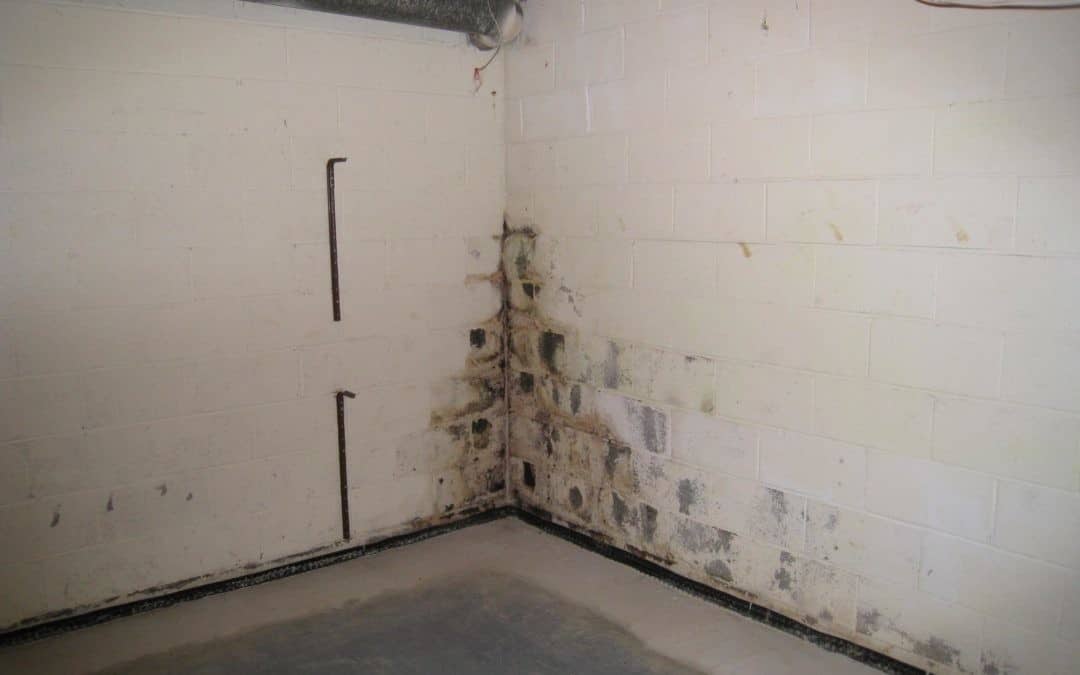
 You’re familiar with the damage mold, mildew, and moisture can bring to your home, but have you considered the role waterproofing plays in home preservation? It’s not just about keeping your basement dry during a rainstorm. Waterproofing acts as a shield against the insidious creep of water in all its forms, from overt leaks to subtle condensation. It’s a key strategy in preventing the growth of mold and mildew, which can wreak havoc on both your home’s structure and the air you breathe. But there’s more to understand about waterproofing’s role in safeguarding home health – and that’s what we’re here to explore.
Essential Key Takeaways for Understanding Our Business OfferingsKey Takeaways
- Waterproofing creates a barrier, preventing moisture intrusion that can cause mold and mildew growth.
- By reducing mold and mildew, waterproofing improves air quality, eliminating health risks and unpleasant odors.
- Exterior and interior waterproofing techniques protect the structural integrity of the home from water damage.
- Waterproofing increases property value by ensuring the home is protected against potential water damage.
- Regular maintenance of waterproofing systems ensures long-term protection, preventing costly repairs and energy inefficiencies.
Understanding Mold, Mildew, and Moisture
Before diving into waterproofing solutions, it’s essential to have a clear understanding of mold, mildew, and moisture. These three M’s aren’t just common household nuisances, but they can also cause significant damage to your home and impact your health.
Mold and mildew, both types of fungi, thrive in damp environments and can quickly colonize surfaces. Mold is often green or black and can have a fuzzy appearance. On the other hand, mildew usually presents as a thin, white or grey film. Both are capable of producing spores, which can become airborne and spread to other areas.
Moisture is the catalyst for mold and mildew growth. It can originate from a variety of sources, including leaks, condensation, high humidity, or flooding. Without moisture, mold and mildew can’t grow, making it a vital factor in fungal infestation.
Understanding these elements is the first step in combating them. Knowledge of what mold, mildew, and moisture are, and how they interact, can be instrumental in determining the appropriate waterproofing strategy for your home.
The Hidden Dangers of Mold and Mildew
Unseen dangers lurk in the corners of your home where mold and mildew quietly proliferate. These silent invaders are more than just unsightly; they pose real risks to your health and the integrity of your home.
- Health Risks: Exposure to mold and mildew can lead to numerous health issues. The most common are allergies that manifest in symptoms such as itchy eyes, sneezing, and a runny nose.
More serious conditions like asthma attacks, skin rashes, and even lung infections can also occur if you’re regularly breathing in mold spores.
- Structural Damage: Mold and mildew feed on organic materials, which include many of the materials that make up your home.
This can lead to damage over time, weakening the structure and potentially making your home unsafe.
- Decreased Property Value: If left unchecked, mold and mildew can considerably decrease the value of your property.
Prospective buyers are often deterred by the presence of these fungi, as their removal can be costly and time-consuming.
How Moisture Invades Your Home
Understanding how moisture infiltrates your home is essential to effective waterproofing.
First, you’ll need to identify common moisture sources, such as leaks or condensation.
Then, consider the impact weather conditions can have on your home, alongside the consequences of poor ventilation, which can trap moisture indoors.
Identifying Moisture Sources
Water can stealthily invade your home in a number of ways, turning your sanctuary into a potential breeding ground for mold and mildew.
It’s essential to understand where this moisture originates from, so you can take appropriate measures to prevent it.
- Plumbing Leaks: These are often the most obvious sources of moisture.
Leaky faucets, pipes, or appliances can release water into your home.
This mightn’t always be visible, especially if the leak is hidden behind walls or under floors.
Regularly check all your plumbing fixtures and appliances for leaks or damp spots.
- Condensation: When warm air meets a cold surface, it can’t hold onto all its moisture.
This results in condensation, which can accumulate on your windows, walls, and other surfaces.
Watch out for frequent foggy windows or damp walls, as these are signs of excessive condensation.
- Groundwater Seepage: If your home’s foundation isn’t properly waterproofed, groundwater can seep into your basement or crawl spaces.
This is particularly problematic after heavy rain.
Look for signs of damp patches or water stains on basement walls or floors.
Impact of Weather Conditions
Beyond the immediate threats within your home, it’s imperative to recognize the impact of external elements, specifically weather conditions, on moisture invasion. Unpredictable weather patterns can greatly increase the risk of moisture seeping into your home.
Rain is an obvious source of moisture. Heavy rainfall, especially if it’s accompanied by high winds, can force water into your home through any gaps in your roof, windows, or walls.
Snow, while seemingly harmless when it’s resting on your roof, can cause major issues as it melts and seeps into any available crevices.
Humidity is another weather-related culprit. In hot, humid climates, moisture-laden air can condense on cool surfaces, such as your walls and windows, leading to dampness. This dampness, if unchecked, can fuel the growth of mold and mildew.
Even in arid regions, you’re not safe from weather-induced moisture problems. Dew can accumulate on your home’s exterior during cool nights, and this moisture can find its way into your home if there are any existing vulnerabilities.
In short, weather conditions play a pivotal role in moisture invasion. By understanding these influences, you’re better equipped to protect your home from the damaging effects of mold, mildew, and moisture.
Consequences of Poor Ventilation
In the labyrinth of your home, poor ventilation can be a silent invader, quietly allowing moisture to accumulate. This silent invasion isn’t benign; it comes with serious consequences that can damage your home and potentially impact your health.
- Mold and Mildew: When ventilation is inadequate, the moisture doesn’t have an escape route. It lingers, creating damp conditions that are perfect for mold and mildew to flourish.
These fungi aren’t just unpleasant to look at. They can cause damage to your home’s structure and possibly lead to health issues like allergies and respiratory problems.
- Structural Damage: Excess moisture can weaken your home’s structural integrity. It can cause wood to rot, plaster to crumble and paint to peel.
Over time, this can lead to costly repairs and can even make your home unsafe.
- Unpleasant Odors: Poorly ventilated homes often have a stale, musty odor. This is due to the build-up of moisture and the growth of mold and mildew.
Not only is this smell unpleasant, but it can also be a sign of a more serious problem.
Investing in good ventilation is essential. It’ll help you avoid these issues and maintain a safe, healthy home environment.
The Role of Waterproofing in Home Protection
The value of waterproofing can’t be overstated when it comes to protecting your home. This process, often overlooked, serves as a critical defense line against the infiltration of moisture that could lead to dangerous consequences such as mold, mildew, and structural damage.
Waterproofing guarantees that your home’s foundation stays robust and prevents the occurrence of dampness, thereby extending the life of your property. This mightn’t seem significant, but consider this: without proper waterproofing, your home’s structure can weaken over time, leading to costly repairs or even total loss.
Furthermore, waterproofing plays a pivotal role in maintaining a healthy living environment. It helps prevent the growth of harmful organisms like mold and mildew, which can cause health issues, especially for those with allergies or asthma.
Not only does a well-executed waterproofing job protect your home physically, but it also provides peace of mind. You’ll rest easier knowing that your home is secure from water-related threats, safeguarding your investment for years to come.
Different Types of Home Waterproofing
Now it’s time to contemplate the different types of home waterproofing.
You’ll encounter two main categories: interior and exterior waterproofing methods.
Each has its own techniques and applications, so understanding them can help you make the best choice for your home.
Interior Waterproofing Methods
Water damage, a homeowner’s nightmare, can strike when least expected. To protect your home from this threat, you need to understand and apply effective interior waterproofing methods. These methods are designed to keep your home dry, preventing mold and mildew growth.
- Sealants: Sealants are your first line of defense against moisture. They’re applied to walls and floors, creating a water-resistant barrier.
However, they’re not a long-term solution if you’ve got serious water intrusion problems.
- Waterproof Coatings: These are thicker than sealants and often used in basements. They’re painted onto walls and floors, forming a watertight seal.
They’re effective at repelling water, but they won’t address the root cause of the moisture.
- Interior Water Drainage: This method involves installing a drain inside your home to redirect water away from your foundation.
It’s a more thorough solution and works well for homes in wet climates.
Exterior Waterproofing Techniques
Shifting focus to your home’s exterior, robust waterproofing techniques serve as a bulwark against water damage. These methods are integral to preventing the accumulation of moisture, which can lead to mold, mildew and structural damage.
One common technique is the application of a waterproof coating or membrane to the exterior walls of your home. This creates a barrier that prevents water from seeping into your home through cracks or porous materials. This method is especially effective when you’re dealing with a high water table or frequent heavy rains.
Another exterior waterproofing method is the installation of a French drain system. This involves digging a trench around your home, filling it with gravel or a similar material, and laying a perforated pipe that diverts water away from your home’s foundation. It’s an effective method, but it can be labor-intensive and requires professional installation.
Lastly, it’s worth considering landscaping techniques that can help manage water flow, such as sloping your yard away from your home or planting water-resistant vegetation.
The Process of Waterproofing Your Home
Facing the challenge of waterproofing your home can seem intimidating, but with a systematic approach, it’s a task you can conquer with confidence.
Fundamentally, the process involves three main stages:
- Inspection: This is critical for identifying the source of moisture problems. Professionals typically carry out this process, using specialized equipment to detect leaks, dampness, and other potential issues.
- Preparation: This stage involves the cleaning and repair of your home’s surfaces. All debris and loose materials are removed to guarantee a clean and strong surface for the waterproofing products to adhere to.
- Application: After a thorough preparation, the actual waterproofing begins. Waterproofing materials are applied to your home’s surfaces to form a barrier against water. This could be in form of a sealant, membrane, or coating, depending on the extent of the problem and the area being treated.
Benefits of a Waterproofed Home
While you might initially balk at the investment, waterproofing your home offers a multitude of benefits that make it well worth the effort. One of the most immediate benefits you’ll notice is a significant improvement in your home’s air quality. Moisture encourages the growth of mold and mildew, which can lead to unpleasant odors and potential health risks like allergies and respiratory issues. A waterproofed home keeps these problems at bay.
Increased property value is another major advantage of a waterproofed home. Future buyers are more likely to invest in a home that’s effectively protected against water damage.
Also, waterproofing can prevent costly structural damage. Water can compromise the integrity of your home’s foundation, leading to major repair costs down the line. Waterproofing acts as a preventative measure, saving you from such unexpected expenses.
Lastly, waterproofing your home can lead to energy savings. Moisture can make temperature regulation difficult, resulting in higher heating and cooling costs.
With a waterproofed home, you’ll notice a reduction in these costs over time. It’s an investment that not only protects your health and home, but also your wallet.
Maintenance Tips for a Waterproofed Home
Having understood the benefits of a waterproofed home, it’s equally important to know how to maintain it to keep enjoying those benefits.
Proper maintenance not only guarantees the longevity of the waterproofing but also helps in preserving the structural integrity of your home.
Here are three maintenance tips for your waterproofed home:
- Regular Inspections: Make it a habit to inspect your home regularly, especially after heavy rains or snowfall.
Look out for any signs of water damage or leaks. Early detection can prevent costly repairs in the future.
- Clean Your Gutters: Over time, gutters can get clogged with leaves and other debris, leading to water overflow.
This can damage your home’s waterproofing system. Regular cleaning of gutters helps prevent such issues.
- Maintain Landscape: Overgrown vegetation around your home can cause water to pool and seep into the foundation.
Regular trimming of plants and proper landscaping can help manage water flow around your home.
Frequently Asked Questions
What Is the Average Cost of Waterproofing a Home?
You’re probably wondering about the costs involved. On average, waterproofing your home can range from $2,000 to $6,000. This depends on the property’s size, the severity of the problem, and the method of waterproofing used.
How Long Does the Waterproofing Process Typically Take?
Dependent on the home’s size and condition, waterproofing typically takes 1-3 days. However, severe damage may prolong the process. It’s essential you’re patient, understanding that this is an investment in your home’s longevity.
Can I Waterproof My Home Myself, or Do I Need Professional Help?
Yes, you can waterproof your home yourself. However, it’s often best to hire professionals. They’ve got the right tools, experience, and knowledge to guarantee the job’s done correctly, protecting your home from future water damage.
Does Home Insurance Typically Cover Mold and Mildew Damage?
Typically, standard home insurance doesn’t cover mold or mildew damage unless it’s directly caused by a “covered peril.” You’ll need to check your policy or talk with your insurer for specifics.
Are There Any Potential Downsides to Waterproofing My Home?
While waterproofing can protect your home from dampness, it’s not without potential downsides. You might face high initial costs, possible structural changes, and the risk of incorrect application leading to further issues. Always hire a professional for this task.
Conclusion
To summarize, waterproofing your home is a smart, essential investment. It not only shields your property from destructive mold, mildew, and moisture but also safeguards your health. With regular maintenance, you can guarantee this protection lasts for years. Don’t wait until damage is done – take proactive steps today to waterproof your home, improving your living environment and preserving your property value. It’s not just about home safety, it’s about peace of mind.

Ohio State Waterproofing has provided quality service with over 90,000 successful waterproofing and foundation repair installations and satisfied customers since our inception in 1978.
Ohio State Waterproofing’s philosophy for success is to provide honest, courteous and guaranteed service to every customer. Our reputation reflects this. Our well-trained waterproofing technicians are dedicated to complete customer satisfaction. This is achieved through fast, efficient processes as well as teamwork throughout this organization. You will always find a friendly representative willing to meet your needs at Ohio State Waterproofing.
We are a full service company that handles problems ranging from patching cracks to rebuilding basements. In addition, we hold three patents related to waterproofing that make us unique in the industry. These patents and our experience allow us to be able to do what every other waterproofer can do, but no one else can do what we do.
We are actively involved in the industry and community, including the National Association of Waterproofing Contractors, BHA, NARI, NAHB, NHIA, the BIA, the FHA and a number of consumer advocacy groups, as well as playing leading roles in a number of charitable functions.
But, most importantly, our highest degree of praise comes from the thousands of referrals we get from satisfied customers. Together they’ve made us a leader in the basement waterproofing and foundation repair industry.

