
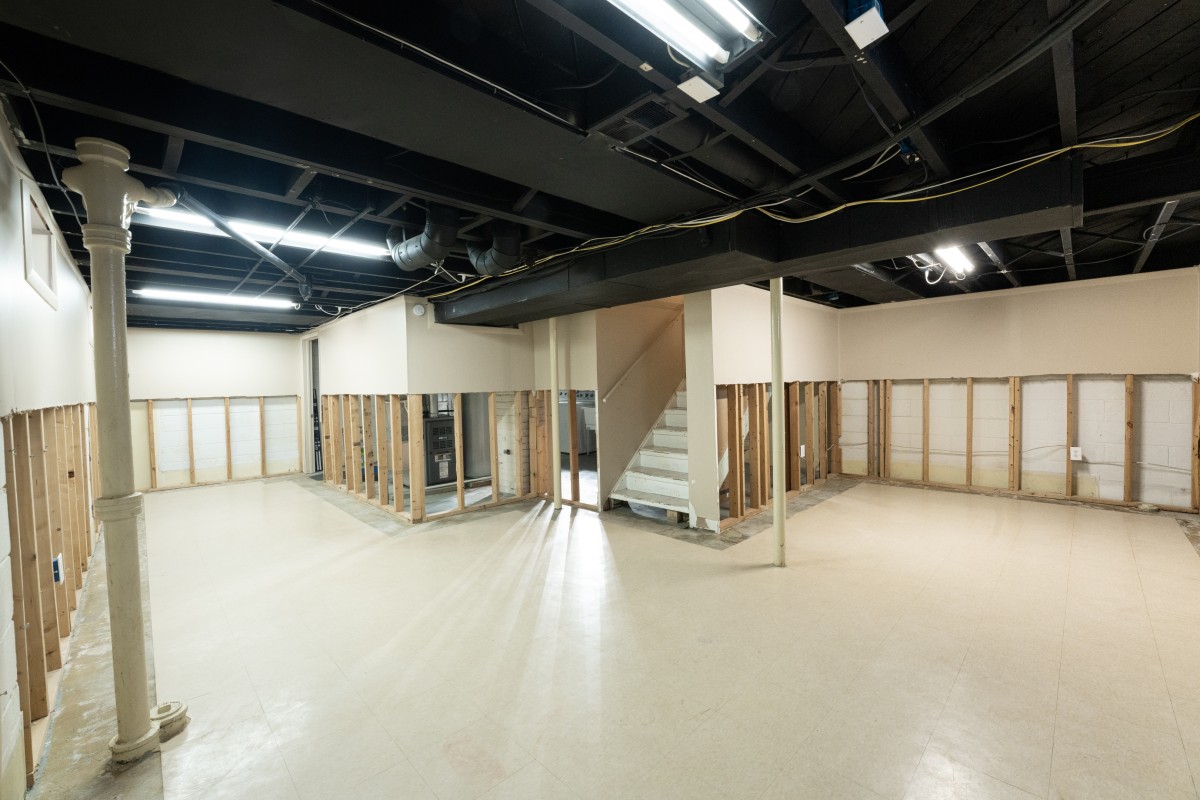
As you relish the warmth of your cozy living room, thoughts of the damp, cold basement below may intrude upon your peace of mind. You’ve grappled with basement water problems in the past, and you’re eager to prevent history from repeating itself.
Let’s pull back the curtain on the sources of these watery woes and discuss how you can keep them at bay. It’s not just about quick fixes; we’ll explore long-term solutions that can help you maintain a dry basement.
Wondering how to tackle this issue without breaking the bank? Let’s dive in, and by the time we’re done, you’ll be armed with effective strategies to keep your basement water-free.
Essential Key Takeaways for Understanding Our OfferingsKey Takeaways
-
- Invest in both interior and exterior waterproofing methods to safeguard your basement effectively.
- Prioritize foundation maintenance such as crack repair and ensuring proper drainage systems to prevent water intrusion.
- Implement regular maintenance routines like inspecting gutters, downspouts, and foundation conditions to catch and address water-related issues early.
- Consider professional inspections for early detection of potential water problems and to maintain a dry basement environment.
Interior Waterproofing
Diving into the realm of interior waterproofing, it’s vital to understand that this process plays a key role in safeguarding your basement from future water-related issues. Now, you might wonder, how does this work?
Well, it’s all about managing and controlling the water that’s already found its way inside. This could be due to cracks in your foundation, inadequate drainage, or even condensation. Interior waterproofing helps to direct this water away from your basement, preventing damage and keeping the area dry.
A common method involves the installation of interior drain tile systems. These systems capture the water that seeps into your basement and funnel it away, usually into a sump pump. Once collected, the water is then safely discharged away from your home’s foundation.
Another approach is utilizing water-resistant materials in your basement. This includes using water-resistant drywall or installing vapor barriers. These methods help to resist water absorption, keeping your basement dry and free of mold and mildew.
Exterior Waterproofing
Shifting our focus to the outside, exterior waterproofing provides a robust line of defense against water creeping into your basement. This method targets water before it even has a chance to make contact with your home, diverting it away effectively. With exterior waterproofing, you’re essentially creating a barrier that shields your basement from moisture.
To understand this better, consider this table:
| Pros | Cons |
| It offers excellent protection against water intrusion | It can be costly due to the extent of work involved |
| It helps to prevent the growth of mold and mildew | It requires professional installation for best results |
| It adds to the value of your home | It might involve landscaping alterations |
| It ensures your basement stays dry, even in extreme weather | It may require maintenance over time |
The goal of exterior waterproofing is to keep your basement dry and your home structurally sound. It’s a significant investment, but when done right, it can save you from costly repairs in the future. Start thinking about it now, because the best time to waterproof your basement is before water becomes a problem.
Frequently Asked Questions
What Are Some Common Signs of Potential Water Problems in My Basement?
You might notice damp or wet spots on the floor or walls, a musty smell, or mold growth. Cracked or bubbled paint can also be a sign of moisture issues. If your basement feels unusually humid, that’s another potential indicator.
It’s important to address these signs quickly, as they can lead to larger problems down the line, like structural damage or health issues from mold exposure.
How Can Proper Home Maintenance Help Prevent Basement Water Issues?
Proper home maintenance is your knight in shining armor against basement water issues. Regularly clear gutters and downspouts, ensuring water is directed away from your home.
You’ve got to keep your home’s foundation dry, so landscape so water slopes away. Get a sump pump and install a dehumidifier. Regular checks for leaks and cracks are crucial.
It’s all about prevention and timely action.
What Role Does the Home’s Foundation Play in Basement Water Problems?
Your home’s foundation plays a crucial role in preventing basement water problems. If it’s not properly maintained, cracks can form, allowing water to seep in.
Regularly check for any signs of damage and repair them promptly. Additionally, make sure your yard slopes away from your foundation, preventing rainwater from pooling around it.
What Are Some Preventive Measures to Take Before a Forecasted Heavy Rainfall?
Before a forecasted heavy rainfall, it’s crucial you take some preventive measures. Start by ensuring your gutters and downspouts are clear of debris.
Next, check your sump pump to ensure it’s working properly.
Lastly, consider installing a backup generator for power outages.
These steps can minimize water damage to your basement during heavy rainfall.
Can the Landscaping Around My House Affect the Likelihood of Basement Water Problems?
Absolutely, the landscaping around your house can affect the likelihood of basement water problems. If it’s poorly graded, water can pool around your foundation, increasing the risk of leaks.
Also, don’t plant large trees too close to your home as their roots can cause damage. Keep gutters and downspouts clear and directed away from your house to prevent water build-up.
Good landscaping can be a key defense against basement water issues.
Conclusion
You’ve now got the tools to keep your basement high and dry. There’s no need to feel like you’re in deep water anymore. With these interior and exterior waterproofing techniques in hand, you can prevent future water problems with confidence.
Remember, an ounce of prevention is worth a pound of cure. So, roll up your sleeves and start applying these preventive measures today to keep your basement safe and dry. You’ll thank yourself down the line.

Ohio State Waterproofing has provided quality service with over 90,000 successful waterproofing and foundation repair installations and satisfied customers since our inception in 1978.
Ohio State Waterproofing’s philosophy for success is to provide honest, courteous and guaranteed service to every customer. Our reputation reflects this. Our well-trained waterproofing technicians are dedicated to complete customer satisfaction. This is achieved through fast, efficient processes as well as teamwork throughout this organization. You will always find a friendly representative willing to meet your needs at Ohio State Waterproofing.
We are a full service company that handles problems ranging from patching cracks to rebuilding basements. In addition, we hold three patents related to waterproofing that make us unique in the industry. These patents and our experience allow us to be able to do what every other waterproofer can do, but no one else can do what we do.
We are actively involved in the industry and community, including the National Association of Waterproofing Contractors, BHA, NARI, NAHB, NHIA, the BIA, the FHA and a number of consumer advocacy groups, as well as playing leading roles in a number of charitable functions.
But, most importantly, our highest degree of praise comes from the thousands of referrals we get from satisfied customers. Together they’ve made us a leader in the basement waterproofing and foundation repair industry.
