
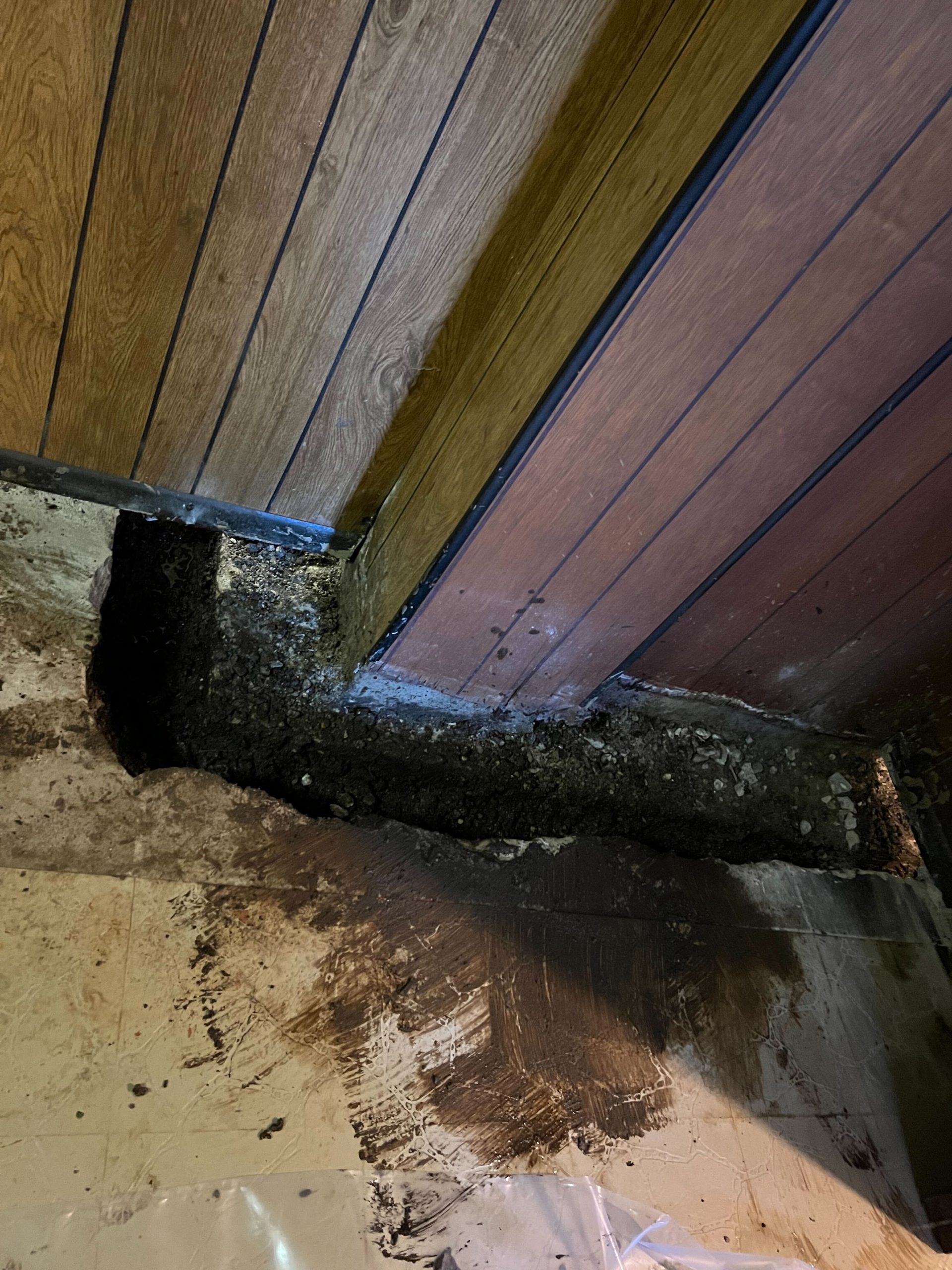
 As a homeowner, imagine the peace of mind you’d have knowing your basement is effectively waterproofed and well-maintained, thereby protecting your investment against potential water damage. You’d not only be preventing harmful mold growth but also safeguarding your home’s structural integrity and market value. But where do you start? What waterproofing methods are most effective? And how often should maintenance tasks be done? Let’s explore these questions further – the answers might make your basement one of the best features of your home.
Key Takeaways
- Choose a waterproofing method considering its effectiveness, durability, cost, and compatibility with your basement and soil conditions.
- Regular maintenance practices, such as routine inspections and sump pump testing, are crucial to prevent water problems.
- Concrete and silicate sealers, drainage systems, and sump pumps are popular waterproofing materials with different benefits and drawbacks.
- Ignoring waterproofing can lead to foundation erosion, health hazards, decreased property value, increased repair costs, and compromised comfort.
- Upon identifying water damage, promptly remove water, dry the area, inspect for mold, review insurance coverage, and conduct preventive maintenance.
Understanding Basement Water Problems
Ever wondered why your basement keeps getting damp and musty? It’s largely due to the interaction of moisture with the soil around your home’s foundation. This moisture seeps into the basement, creating an unpleasant and potentially damaging environment.
It’s important to understand that there are two main types of water issues that can affect basements: condensation and infiltration.
Condensation occurs when moisture-laden air comes into contact with a cold surface—like your basement walls—and turns into water droplets. This can cause a damp, musty smell, and over time, lead to mold growth.
Infiltration, on the other hand, happens when ground water penetrates your home’s foundation. This typically occurs due to poor grading around the house, ineffective gutters and downspouts, and cracks in the foundation.
Infiltration can lead to more serious problems like water pooling in the basement, structural damage, and even flooding in severe cases.
Identifying and addressing these issues is vital to maintaining the integrity of your home.
Importance of Basement Waterproofing
Shielding your basement from water damage through waterproofing can’t be overstressed. A damp or flooded basement isn’t just inconvenient, it can also pose considerable risks to your home’s structural integrity and the health of your family.
Consider the following risks of neglecting basement waterproofing:
- Structural Damage: Water seeping into your basement can erode the foundation, causing cracks and instability. Over time, this could lead to notable structural damage, threatening the safety of your home.
- Mold and Mildew Growth: Damp conditions are ideal for mold and mildew growth. These fungi can affect air quality, potentially triggering allergic reactions and exacerbating respiratory problems.
- Decreased Property Value: A water-damaged basement can considerably decrease your property’s value. Prospective buyers typically shy away from homes with water damage due to the potential cost of repairs and health risks.
Waterproofing isn’t just about keeping your basement dry; it’s about maintaining the health and value of your home.
Ignoring this critical task could cost you dearly in the long run. As you can see, the importance of basement waterproofing is far-reaching, impacting everything from the safety and comfort of your home to its market value.
Choosing the Right Waterproofing Method
As you navigate the process of basement waterproofing, it’s essential to choose the right method that aligns with your specific needs.
It’s all about carefully evaluating different waterproofing techniques and selecting suitable materials. This choice can greatly impact the longevity and effectiveness of your waterproofing solutions, so it’s a step you can’t afford to overlook.
Evaluating Waterproofing Techniques
Steering through the maze of basement waterproofing techniques can be a challenging task. There are numerous methods available, each with its own set of advantages and limitations.
It’s crucial to evaluate each technique based on your unique situation and needs.
Here are a few key aspects you should consider:
- Effectiveness: The waterproofing method you choose should effectively keep your basement dry. This involves considering the severity and source of your water problem. Some techniques are more suited to handle severe water problems while others are ideal for minor dampness.
- Durability: You’ll want to choose a technique that’s long-lasting. It’s not just about fixing the problem now, but ensuring it doesn’t reoccur in the future. The durability of a technique often depends on the quality of the materials used and the installation process.
- Cost: Waterproofing your basement can be a significant investment. It’s important to balance the cost of the method with its effectiveness and durability. Cheaper methods might save you money upfront but could lead to more problems down the line.
Selecting Suitable Materials
Your basement’s integrity relies heavily on the choice of waterproofing materials. It’s not just about picking any product that promises waterproofing; you need to take into account the nature of your basement, its use, the climate in your area, and the type of soil around your home.
Firstly, evaluate the type of waterproofing methods suitable for your basement. Options range from sealants, interior water drainage, exterior drainage, to full wall replacements. Each method has distinct materials associated with it.
For instance, if you’re leaning towards sealants, you have a variety of options like acrylic, silicone, and polyurethane. Each has its pros and cons. Acrylic, for example, is water-based, easy to apply, and dries fast but isn’t as durable as silicone or polyurethane.
Alternatively, if you’re weighing an interior water drainage system, you’ll need to think about the quality of the pipes, the type of gravel for filtration, and the sump pump’s efficiency.
DIY Basement Waterproofing Tips
You’ve selected your waterproofing method, now let’s focus on how you can do it yourself.
It’s critical to understand the variety of waterproofing materials available and how to use them effectively.
Additionally, implementing proper drainage solutions will play an essential role in keeping your basement dry and damage-free.
Understanding Waterproofing Materials
Breaking down the world of waterproofing materials can be a challenging task, especially when you’re tackling a DIY basement waterproofing project.
So, let’s break it down and make it easier for you to understand.
Firstly, you need to know that different types of waterproofing materials serve different purposes and work best in different situations.
They also vary regarding cost, longevity, and ease of application.
Consider these three commonly used materials:
- Concrete sealers: These are easy to apply and are great for preventing moisture from seeping into your basement.
They’re not the most durable option, though, and may need to be reapplied every few years.
- Silicate sealers: These penetrate into the concrete to form a waterproof barrier.
They’re non-toxic and long-lasting, but aren’t effective on painted or sealed surfaces.
- Acrylic paint: This is a cheaper option that can help repel water.
However, it’s not as robust or long-lasting as other options.
Implementing Drainage Solutions
In the domain of basement waterproofing, implementing proper drainage solutions is paramount. Water can wreak havoc on your basement if it isn’t properly directed away from your home’s foundation. You, as a homeowner, have several options at your disposal to guarantee that your basement stays dry and damage-free.
The first solution you can consider is installing a sump pump. It’s an automatic device that pumps out water from your basement and prevents it from flooding. It’s crucial to choose a sump pump that’s powerful enough to handle the amount of water your basement may encounter, especially during heavy rainfalls.
Another effective solution is the French drain system. This involves digging a trench around your home, laying a perforated pipe, and filling it with gravel. The pipe collects water and diverts it away from your home, keeping your basement dry.
Lastly, downspout extensions can be a simple yet effective tool. They direct rainwater away from the foundation, reducing the chances of water seeping into your basement.
Regular Basement Maintenance Practices
Keeping your basement dry and in good condition requires regular maintenance. It’s not just about waterproofing once and forgetting about it. You must continually monitor and maintain your basement to prevent any potential damage.
To help you keep your basement in excellent condition, here are some regular maintenance practices you should adopt:
- Regular cleaning: This involves sweeping and mopping to remove dust and dirt. Don’t let trash pile up as it can lead to moisture and pest problems.
- Dehumidifying: Basements can be damp places. Use a dehumidifier to control the humidity levels and prevent mold growth.
- Routine inspections: Regularly inspect for any signs of water damage, cracks or mold. Early detection can save you from costly repairs.
Handling Basement Water Damage
Despite your best efforts at maintenance, you may still encounter water damage in your basement. Don’t panic! It’s an issue many homeowners face and it’s manageable with the right approach.
Firstly, identify the source of the water. It could be a leaky pipe, a crack in the foundation, or excess humidity. Addressing the source will prevent further damage. If it’s a leak, turn off the water supply. If it’s a foundation issue, you’ll need professional help.
Secondly, remove the water as quickly as possible. A wet/dry vacuum or a water pump can be your best friends in such situations.
Once you’ve removed the water, dry out the area thoroughly. Use fans, dehumidifiers, and heaters to speed up the drying process.
Next, inspect for mold. It thrives in damp environments and can cause serious health issues. If you find any, it’s crucial to remove it properly.
Lastly, don’t forget to check your homeowner’s insurance policy. Some types of water damage may be covered, saving you a significant amount of money.
And remember, maintaining your basement’s waterproofing system will help prevent future water damage.
Frequently Asked Questions
What Are the Health Risks Associated With a Damp Basement?
You’re at risk of developing respiratory issues from mold and mildew growth in a damp basement. Prolonged exposure can lead to allergies, asthma, and even serious lung infections. It’s essential to address dampness promptly.
Can Basement Waterproofing Increase the Value of My Home?
Absolutely, waterproofing your basement can greatly increase your home’s value. It not only prevents potential damage, but also makes your basement a livable space, thereby adding to your home’s total usable square footage.
How Often Should I Have a Professional Inspect My Basement for Water Damage?
You should get your basement professionally inspected for water damage annually. Regular inspections can catch minor issues before they become major, saving you money and maintaining your home’s value in the long run.
Is It Safe to Use My Basement for Storage if Its Not Waterproofed?
It’s not advisable to use your basement for storage if it’s not waterproofed. Moisture can damage stored items and encourage mold growth, which can lead to health issues and further damage to your home.
Does Homeowners Insurance Cover Basement Water Damage Repairs?
It depends on your policy. Typically, homeowners insurance doesn’t cover water damage due to lack of maintenance or floods. However, it’ll usually cover sudden incidents like burst pipes. Always check your specific policy details.
Key Takeaways: Essential Insights and Action Steps
In wrapping up, don’t let basement water issues damage your home or devalue your property. Stay vigilant for cracks and moisture, keep gutters and drainage systems in check, and control humidity with a dehumidifier. Remember, waterproofing with sealers and sump pumps isn’t just a good idea, it’s essential. Regular maintenance is the key to a dry, healthy basement. If water damage occurs, act promptly to minimize the impact. Your home’s integrity depends on it.

Ohio State Waterproofing has provided quality service with over 90,000 successful waterproofing and foundation repair installations and satisfied customers since our inception in 1978.
Ohio State Waterproofing’s philosophy for success is to provide honest, courteous and guaranteed service to every customer. Our reputation reflects this. Our well-trained waterproofing technicians are dedicated to complete customer satisfaction. This is achieved through fast, efficient processes as well as teamwork throughout this organization. You will always find a friendly representative willing to meet your needs at Ohio State Waterproofing.
We are a full service company that handles problems ranging from patching cracks to rebuilding basements. In addition, we hold three patents related to waterproofing that make us unique in the industry. These patents and our experience allow us to be able to do what every other waterproofer can do, but no one else can do what we do.
We are actively involved in the industry and community, including the National Association of Waterproofing Contractors, BHA, NARI, NAHB, NHIA, the BIA, the FHA and a number of consumer advocacy groups, as well as playing leading roles in a number of charitable functions.
But, most importantly, our highest degree of praise comes from the thousands of referrals we get from satisfied customers. Together they’ve made us a leader in the basement waterproofing and foundation repair industry.

