
A strong and stable foundation is vital for the structural integrity of any building. However, over time, various factors such as soil movement, water damage, or poor construction practices can lead to foundation issues. Addressing these issues promptly is crucial to prevent further damage and maintain the safety and stability of the structure. Fortunately, there are several foundation repair methods available, each tailored to specific types of foundation damage. In this article, we’ll explore some of the most common foundation repair methods, their processes, benefits, and considerations.
Concrete Piering
Process: Concrete piercing, also known as concrete piling, is a widely used method for repairing foundation settlement issues. This technique involves driving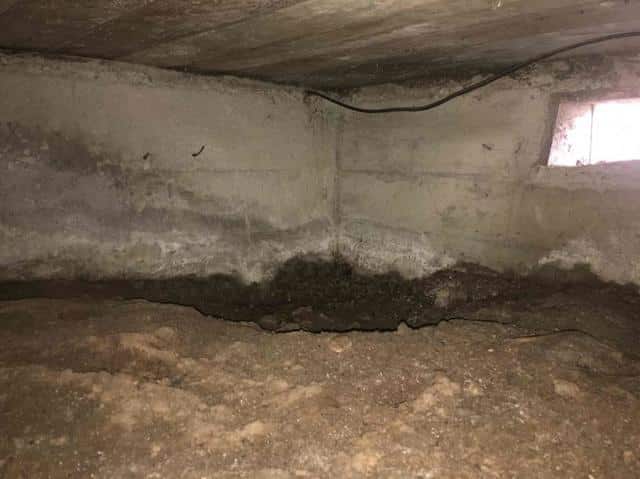 concrete pilings into the ground beneath the foundation to provide additional support and lift the structure back to its original position. The process typically begins with excavating small holes around the perimeter of the foundation. Hydraulic jacks are then placed beneath the foundation to support its weight while concrete pilings are driven into the soil using hydraulic equipment. Once in place, the weight of the structure is transferred onto the pilings, lifting it and providing support.
Benefits: Concrete piering is a reliable and durable solution for foundation repair. It can be used to lift and stabilize structures of various sizes and shapes. Additionally, the installation process is relatively quick and minimally invasive, causing minimal disruption to the property.
Considerations: Concrete piering may not be suitable for all soil types, particularly expansive soils prone to significant movement. Additionally, the cost of concrete piering can be higher compared to other repair methods, depending on factors such as soil conditions and the extent of damage.
Steel Piers
Process: Steel piers, also known as push piers or helical piers, are another popular choice for foundation repair. This method involves driving steel piers into the ground beneath the foundation to provide support and stabilize the structure. The process begins with excavating small holes around the foundation perimeter. Hydraulic equipment is then used to drive steel piers into the soil until they reach stable strata or load-bearing layers. Once in place, the weight of the structure is transferred onto the steel piers, providing support and stability.
Benefits: Steel piers offer several advantages for foundation repair. They are highly durable and resistant to corrosion, making them suitable for long-term stabilization. Additionally, steel piers can be installed in a variety of soil conditions, including expansive soils and clay.
Considerations: One limitation of steel piers is their susceptibility to bending or buckling in rocky or dense soil conditions. Additionally, the installation process may require significant excavation, leading to disruption and potential damage to landscaping or structures adjacent to the foundation.
Helical Piers
Process: Helical piers, also known as screw piles or helical anchors, are a type of deep foundation system used to support and stabilize structures. This method involves screwing helical-shaped steel piles into the soil until they reach stable load-bearing strata. The installation of helical piers begins with excavating small holes around the foundation perimeter. Hydraulic equipment is then used to screw the helical piles into the soil until they reach the desired depth and resistance. Once installed, the weight of the structure is transferred onto the helical piers, providing support and stabilization.
Benefits: Helical piers offer several advantages for foundation repair. They can be installed quickly with minimal disturbance to the surrounding area, making them ideal for retrofitting existing structures. Additionally, helical piers are versatile and can be used in a variety of soil conditions, including soft, wet, or unstable soils.
Considerations: One limitation of helical piers is their potential for limited depth penetration in dense or rocky soil conditions. Additionally, the capacity of helical piers may be affected by factors such as soil composition and installation technique.
Slab Jacking
Process: Slab jacking, also known as mud jacking or pressure grouting, is a technique used to lift and level concrete slabs that have settled or sunk due to foundation issues. This method involves injecting a grout mixture beneath the slab to raise it back to its original position. The process begins with drilling small holes into the settled concrete slab. A grout mixture, typically consisting of cement, sand, and additives, is then injected into the holes under pressure. As the grout fills the voids beneath the slab, it lifts and levels the concrete.
Benefits: Slab jacking offers several advantages for foundation repair. It is a cost-effective solution compared to other methods, making it ideal for minor settlement issues. Additionally, slab jacking can be completed quickly with minimal disruption to the property.
Considerations: One limitation of slab jacking is its suitability for certain types of foundation settlement issues. It may not be effective for structures with significant structural damage or instability. Additionally, the success of slab jacking depends on factors such as soil conditions and the skill of the contractor.
Foundation issues can pose significant challenges for property owners, compromising the stability and safety of structures. However, with advancements in foundation repair techniques, there are several effective methods available to address these issues. Whether it’s concrete piering, steel piers, helical piers, or slab jacking, each method offers unique advantages and limitations. By understanding these techniques and consulting with qualified professionals, property owners can effectively repair and stabilize their foundations, ensuring the long-term integrity of their structures.
Contact the Professionals at Ohio State Waterproofing Today! 330-467-1055

Ohio State Waterproofing has provided quality service with over 90,000 successful waterproofing and foundation repair installations and satisfied customers since our inception in 1978.
Ohio State Waterproofing’s philosophy for success is to provide honest, courteous and guaranteed service to every customer. Our reputation reflects this. Our well-trained waterproofing technicians are dedicated to complete customer satisfaction. This is achieved through fast, efficient processes as well as teamwork throughout this organization. You will always find a friendly representative willing to meet your needs at Ohio State Waterproofing.
We are a full service company that handles problems ranging from patching cracks to rebuilding basements. In addition, we hold three patents related to waterproofing that make us unique in the industry. These patents and our experience allow us to be able to do what every other waterproofer can do, but no one else can do what we do.
We are actively involved in the industry and community, including the National Association of Waterproofing Contractors, BHA, NARI, NAHB, NHIA, the BIA, the FHA and a number of consumer advocacy groups, as well as playing leading roles in a number of charitable functions.
But, most importantly, our highest degree of praise comes from the thousands of referrals we get from satisfied customers. Together they’ve made us a leader in the basement waterproofing and foundation repair industry.
