
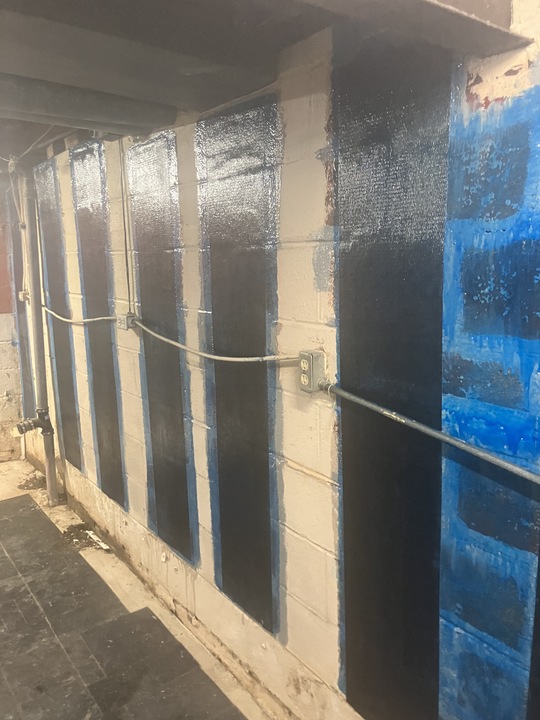
 Ever thought about the silent destroyer lurking in your basement? Yes, we’re talking about water. When you neglect to waterproof your basement, moisture can infiltrate and compromise the structural integrity of your home. It’s a slow but relentless process that can lead to foundation cracks, mold growth, and even total structural failure. Next time you’re in your basement, remember it’s not just a storage area or laundry room. It’s the foundation of your home. But what makes water such a formidable foe, and how can waterproofing techniques keep it at bay? Let’s explore.
Key Takeaways
- Basement waterproofing protects the structural integrity of homes by preventing water damage to the foundation.
- Excess moisture can cause warping and cracking in materials, compromising the stability of the home’s structure.
- Damp conditions promote mold growth which weakens structural components, further undermining the home’s stability.
- Waterproofing methods like interior drainage and exterior waterproofing serve as preventative measures against mold and water damage.
- Regular maintenance checks ensure the long-term effectiveness of waterproofing measures, preserving the structural integrity of the property.
Understanding Basement Waterproofing
To ward off the menace of water seeping into your basement, you need to get to grips with basement waterproofing. This isn’t just some trendy home improvement tip; it’s a vital measure to protect your home’s structural integrity. But what does it entail, you ask?
First, let’s clear a common misconception: waterproofing isn’t just about slapping on a coat of waterproof paint. It’s a thorough process that involves identifying potential water entry points and systematically sealing them. This includes cracks in your walls or floors, faulty window wells, and even the joint where your house meets the ground.
You might think, “I’ll just fix the cracks and call it a day.” But hold on, there’s more to it. Waterproofing also involves managing water flow around your house. This means ensuring that your gutters and downspouts are working properly and that your lawn’s slope directs water away from your home.
Lastly, don’t underestimate the power of a good sump pump. This device can bail you out when an unexpected water problem arises.
The Role of Moisture in Deterioration
You mightn’t realize it, but moisture plays a huge role in the deterioration of your basement.
It can drastically affect materials, create a breeding ground for mold, and even lead to structural decay.
Moisture Impact on Materials
When moisture seeps into your basement, it doesn’t just dampen the space; it can also wreak havoc on the materials there.
Wood, concrete, drywall, or insulation—nothing is immune to the damaging effects of excess water. The prolonged presence of moisture can cause these materials to warp, crack, disintegrate, or even rot over time.
Wood, for example, swells when it absorbs water, leading to structural instability. The same goes for drywall. It can become soft and crumble, compromising the sturdiness of your walls.
Even concrete isn’t safe. Over time, moisture can cause cracks to form and expand, destabilizing your house’s foundation.
Insulation, on the other hand, loses its effectiveness when wet. It can’t keep your home warm or cool properly, which can lead to increased energy costs.
Additionally, damp insulation is a perfect breeding ground for pests, minus mold, of course.
Dangers of Mold Growth
In your battle against basement dampness, mold growth poses one of the biggest threats. Mold spores thrive in damp environments, and your damp basement is a perfect breeding ground.
While a little moisture might seem harmless, it can lead to extensive mold growth, which in turn, can wreak havoc on your home’s structural integrity.
Let’s explore why mold growth is so detrimental:
- Allergenic Reactions: Mold can cause severe allergic reactions, including sneezing, runny nose, red eyes, and skin rash. In severe cases, mold exposure can lead to serious respiratory issues.
- Structural Damage: Mold feeds on organic materials like wood and drywall. This can weaken your home’s structure over time, leading to costly repairs.
- Aesthetic Issues: Mold, with its unsightly black or green patches, can ruin the appearance of your basement.
- Decreased Property Value: If you’re planning on selling your house, potential buyers might be turned off by the presence of mold, leading to lower offers.
- Foul Odors: Mold growth often comes with a musty, unpleasant smell that can permeate your entire home.
Preventing Structural Decay
Maintaining the integrity of your home’s structure is essential, and moisture is a silent destroyer that can cause significant deterioration over time. It’s not just about the unsightly damp spots or the musty smell; it’s what you can’t see that’s truly sinister.
Over time, moisture seeping into your basement can compromise the very foundation of your home. Think of your home as a living, breathing structure. When moisture infiltrates, it’s like a disease, gradually eating away at the materials that hold your home together.
It weakens the wood, corrodes the metal, and breaks down concrete. This slow decay can lead to serious structural damage that’s not only expensive to repair, but could even make your home unsafe to live in.
But don’t despair! You’re not helpless in the face of this threat. With preventative measures like basement waterproofing, you can stop moisture in its tracks.
By creating a barrier between your home and the damp earth surrounding it, you’re safeguarding the long-term structural integrity of your home. Remember, prevention is always more cost-effective than repair.
Consequences of Ignoring Water Damage
Over time, disregarding water damage in your basement can lead to disastrous consequences.
It’s not just about the immediate inconvenience of a flooded area. The long-term implications of water damage are far-reaching, and they can profoundly impact your home’s structural integrity.
Ignoring water damage, you could face:
- Structural Damage: Water seeping into the foundation can weaken the structural integrity of your home, causing it to become unstable.
- Mold Growth: Left unattended, water damage can provide the perfect breeding ground for mold, which can affect your health.
- Decreased Property Value: Water damage and the subsequent issues can drastically reduce your property’s value.
- Higher Insurance Premiums: Frequent claims due to water damage may increase your home insurance premiums.
- Increased Utility Bills: Water damage can lead to higher utility bills due to inefficiencies in your home’s heating and cooling systems.
How Waterproofing Protects Foundations
Think of your home’s foundation as a fortress. It’s the structure’s first line of defense against the elements. When well-protected, it withstands nature’s onslaught, keeping your home safe and sound. Waterproofing is the shield that fortifies this fortress, guaranteeing its longevity and stability.
Without waterproofing, water from rainfall or ground seepage can infiltrate your foundation, causing cracks and erosion over time. It’s not just a matter of unsightly damage. This can compromise the structural integrity of your home, leading to costly repairs or even serious safety risks.
Waterproofing provides a barrier that prevents this intrusion. It seals off potential entry points, keeping water out. This doesn’t just protect the foundation’s surface; it also defends the underlying soil.
When water soaks into the ground under your home, it can cause the soil to shift or erode. This destabilizes the foundation, which can result in sinking or tilting over time. By preventing this seepage, waterproofing guarantees your foundation remains stable and secure.
In short, waterproofing is an investment in your home’s longevity. It protects your foundation, safeguarding the structural integrity of your entire home.
Don’t overlook this essential defense.
Preventing Mold With Waterproofing
You’re likely aware of the dangers mold growth can pose to your home and health.
But did you know that waterproofing plays an essential role in preventing this issue?
Let’s discuss how you can stop mold in its tracks with the right waterproofing measures.
Mold Growth Dangers
Plagued by the unsightly and hazardous issue of mold in your basement? This dark dweller isn’t just an eyesore; it poses serious threats to your home’s structural integrity and your health. Unchecked, it can wreak havoc in ways you may not have considered.
Here’s why you should be concerned:
- Health risks: Mold growth can aggravate respiratory conditions, cause allergic reactions, and lead to serious health problems like fungal infections.
- Structural damage: Mold feeds on organic materials like wood, causing it to rot and compromise your home’s structural stability.
- Lower property value: A mold-infested basement can greatly decrease your home’s value, making it harder to sell.
- Aesthetic issues: Mold stains and discolors surfaces, ruining the appearance of your basement.
- Odor problems: Mold produces a musty, unpleasant smell that can permeate your entire home.
Thankfully, you don’t have to live with these dangers. Waterproofing your basement is a proactive step in preventing mold growth, protecting your home’s structure, and preserving your health.
We’ll explore how waterproofing plays a role in mold prevention in the next section.
Waterproofing’s Role in Prevention
Basement waterproofing should be your first line of defense against mold growth. This preventative measure stops water from seeping into your basement, thereby denying mold the damp environment it needs to thrive. Without this measure, your basement would be susceptible to mold infestation, leading to structural damage over time.
It’s essential you understand the effectiveness of different waterproofing methods. Here’s a table to help you:
| Method | Effectiveness | Cost |
|---|---|---|
| Interior Water Drainage | High | Moderate |
| Exterior Waterproofing | Very High | High |
| Sealants | Moderate | Low |
Interior water drainage redirects water from the inside, while exterior waterproofing stops water from entering your basement. Sealants, although less effective, provide a budget-friendly option.
The Cost of Neglecting Waterproofing
Without proper waterproofing, your basement stands at risk of considerable damages over time.
This neglect can bring about substantial expenses and hardships that you mightn’t have considered. It’s not just about repairing the damage, it’s about the domino effect this neglect can have on your home and pocket.
Here are five potential costs of neglecting basement waterproofing:
- Structural damage: Without waterproofing, water seeps into the foundation, weakening it over time. This can lead to serious structural issues, making your home unsafe.
- Mold and mildew: Unchecked moisture breeds mold and mildew, which pose health risks and require costly removal services.
- Decreased property value: A damp, damaged basement can considerably reduce your property’s market value, hurting you when you’re ready to sell.
- Increased energy costs: Moisture affects your home’s insulation, leading to higher energy bills as your heating or cooling systems work harder.
- Furniture and personal item damage: Water damage isn’t limited to the structure of your home. It can also ruin your belongings stored in the basement, leading to replacement costs.
Don’t underestimate the cost of neglecting waterproofing.
It’s an investment in your home’s future and your peace of mind.
Waterproofing Methods and Techniques
Now that you understand the potential costs of neglecting basement waterproofing, it’s time to explore your options for preventing these problems.
First off, let’s look at interior sealants. They’re a quick and cost-effective method to keep humidity low. They’re applied to the inside of your basement walls and floors, creating a water-resistant barrier.
Next up are interior water drainage systems. Unlike interior sealants, they don’t stop water from getting in, but rather manage the water that does enter. By installing a series of drains and pumps, you can redirect water away from the basement before it becomes an issue.
Lastly, you have exterior waterproofing. This is the most thorough and effective method, but also the most expensive. It involves excavating around your home to install a waterproof barrier and drainage system on the outside of the basement walls. This approach prevents water from ever reaching the basement.
Each method has its pros and cons, so it’s important to understand your specific needs and budget.
Whichever method you choose, remember that an ounce of prevention is worth a pound of cure when it comes to basement waterproofing.
DIY vs. Professional Waterproofing
You’re now faced with an essential decision in your waterproofing journey – should you roll up your sleeves and tackle the task yourself, or hire a professional?
Both options have their pros and cons, and your choice will likely depend on factors like your budget, skill level, and the complexity of the job.
Let’s explore the benefits of DIY waterproofing and reasons to take into account hiring professional services.
Pros of DIY Waterproofing
Diving headfirst into a DIY basement waterproofing project might seem intimidating, yet it comes with a handful of undeniable benefits.
Firstly, you’ll save a significant amount of money. Professional waterproofing services can be quite expensive. By doing it yourself, you’ll just need to cover the cost of materials and tools.
Secondly, you’ll gain invaluable hands-on experience. You’ll learn more about your home’s construction and how to maintain it. This knowledge can be quite useful for future home improvement projects.
Here are a few additional perks of DIY waterproofing:
- Flexibility in scheduling: You can work on the project at your own pace, without having to coordinate with a contractor’s schedule.
- Pride in accomplishment: There’s a sense of satisfaction in completing a project yourself, especially one that contributes to your home’s long-term structural integrity.
- Custom solutions: You have the freedom to choose the waterproofing method that best suits your home’s specific needs.
- Control over materials: You can select high-quality products within your budget, without being upsold on unnecessary extras.
- Skill development: You’ll enhance your DIY skills, which can be applied to other home improvement projects.
Embrace the challenge, and you’ll reap these rewards.
Hiring Professional Services
While there are several compelling reasons to tackle basement waterproofing on your own, it’s also worth considering the benefits of hiring professional services. You might be handy with a hammer, but experienced pros bring a whole new level of expertise to the table.
They’re well-versed in detecting underlying issues that could escalate into significant problems down the line. When you hire professionals, you’re investing in not just their labor but also their knowledge.
They understand the best techniques and materials to use for your specific situation. They also know how to work efficiently and effectively, saving you time and potential frustration.
Additionally, professional services often come with warranties, providing you with peace of mind knowing that if something goes wrong, they’ll fix it free of charge. Plus, they’ve the right tools and equipment to do the job properly, which you mightn’t have on hand.
It’s not just about doing the job right; it’s about doing it in a way that lasts. That’s why, despite the appeal of DIY, it might be more beneficial in the long run to hire professional waterproofing services.
It’s a decision that can guarantee the long-term structural integrity of your home.
Long-Term Benefits of Basement Waterproofing
Countless homeowners reap the rewards of basement waterproofing, often without realizing the range of long-term benefits it provides. You might be one of them.
From enhancing your home’s value to promoting your family’s health, waterproofing your basement can offer more advantages than you’ve ever imagined.
Consider these five key benefits:
- Increase in Property Value: A waterproofed basement adds value to your home. Prospective buyers often view it as an indicator of a well-maintained property.
- Energy Efficiency: Waterproofing can seal cracks and prevent cold drafts, reducing your energy bills over time.
- Health Benefits: It eliminates dampness, discouraging the growth of mold and mildew that can cause health issues.
- Structural Durability: Waterproofing safeguards your home’s structural integrity by preventing water damage to the foundation.
- Extra Living Space: A dry, clean basement can be transformed into a useful living space, adding functionality to your home.
Case Studies: Waterproofing Success Stories
Numerous homeowners have experienced the incredible benefits of waterproofing their basements, and their success stories serve as a demonstration to its effectiveness.
Take, for instance, the Jones family. They’d been dealing with chronic flooding for years. After waterproofing their basement, they haven’t had a single flood. The peace of mind they’ve gained is immeasurable.
Next, consider the Smiths. They were about to sell their home but potential buyers were turned off by the damp, musty basement. Post-waterproofing, they sold their house for $20,000 more than the original asking price. Waterproofing didn’t just solve a problem; it increased the value of their home.
Lastly, let’s look at the Robinsons, whose health was adversely affected by mold in their damp basement. After waterproofing, the mold disappeared, and their health improved dramatically.
They’ve even noticed a decrease in their energy bills as their HVAC system no longer needs to work overtime.
You see, waterproofing your basement isn’t just about avoiding water damage. It’s about health, home value, and peace of mind.
Frequently Asked Questions
What Are the Signs That My Basement Needs Waterproofing?
If you’re noticing damp walls, a musty smell, mold growth, or water stains, it’s likely your basement needs waterproofing. These signs indicate water seepage that could damage your home’s structural integrity if not addressed.
Can Waterproofing Increase the Resale Value of My Property?
Waterproofing your basement not only prevents potential structural damage, but it also boosts your property’s resale value. Buyers prefer homes with preventive measures in place. It’s an investment that pays off in the long run.
How Long Does the Basement Waterproofing Process Typically Take?
The duration of basement waterproofing varies. Typically, it’ll take 1-3 days depending on the method used and the size of your basement. Severe cases might take a week or more to fully address.
Is Basement Waterproofing Covered Under Home Insurance Policies?
Typically, standard home insurance doesn’t cover basement waterproofing. It’s seen as a preventative measure, not a repair. You’re responsible for ensuring your home’s upkeep. Always check your policy specifics, as coverage can differ.
Are There Any Eco-Friendly Methods for Basement Waterproofing?
Yes, there are eco-friendly methods for basement waterproofing. You’d consider options like a non-toxic sodium bentonite clay system or a lime-based waterproofing system. They’re effective and won’t harm the environment.
Conclusion
To summarize, don’t turn a blind eye to the importance of basement waterproofing. It’s your best defense against moisture-related deterioration, foundation issues, and mold growth. Whether you opt for DIY or professional services, remember that it’s not just about patching up leaks, but safeguarding your home’s structural integrity and value. So, don’t wait for the storm to pass, but instead learn to dance in the rain with effective waterproofing measures.

Ohio State Waterproofing has provided quality service with over 90,000 successful waterproofing and foundation repair installations and satisfied customers since our inception in 1978.
Ohio State Waterproofing’s philosophy for success is to provide honest, courteous and guaranteed service to every customer. Our reputation reflects this. Our well-trained waterproofing technicians are dedicated to complete customer satisfaction. This is achieved through fast, efficient processes as well as teamwork throughout this organization. You will always find a friendly representative willing to meet your needs at Ohio State Waterproofing.
We are a full service company that handles problems ranging from patching cracks to rebuilding basements. In addition, we hold three patents related to waterproofing that make us unique in the industry. These patents and our experience allow us to be able to do what every other waterproofer can do, but no one else can do what we do.
We are actively involved in the industry and community, including the National Association of Waterproofing Contractors, BHA, NARI, NAHB, NHIA, the BIA, the FHA and a number of consumer advocacy groups, as well as playing leading roles in a number of charitable functions.
But, most importantly, our highest degree of praise comes from the thousands of referrals we get from satisfied customers. Together they’ve made us a leader in the basement waterproofing and foundation repair industry.
