
 Has your basement started to give off a musty odor or do you see visible water stains on the walls? Maybe you’ve noticed some mold growth or structural cracks that weren’t there before. These are all signs that your basement might need waterproofing. It’s essential to address these issues early, as neglecting them could lead to more serious problems down the line. But where should you start? From identifying the source of the water to taking into account interior sealants, drainage systems, and ventilation improvements, we’ll guide you through the steps to guarantee a dry and healthy basement.
Key Takeaways
- Watch for signs such as water stains, musty odors, mold, structural cracks, and efflorescence indicating water damage.
- Assess the severity of the issue by identifying the presence, volume, and frequency of water, and the extent of damage.
- Address water issues promptly to prevent structural damage, improve health conditions, and maintain home value.
- Methods of waterproofing include interior sealants, exterior excavation, drainage systems, vapor barriers, sealing cracks, dehumidifiers, and proper ventilation.
- Consider hiring experienced professionals for waterproofing services; get multiple cost estimates and ensure they provide insurance and warranties.
Identifying Common Basement Issues
Wet spots on the floor, a musty smell, or even a crack in the wall – these are just a few signs that could indicate a basement issue. It’s essential for you to identify these problems early to prevent any major damage.
First, look at your walls. If you notice efflorescence, that white chalky substance, it’s a clear sign water’s seeping into your basement. It’s not harmful in itself, but it’s an indicator of a bigger problem.
Peeling paint is another troubling sign. It often means moisture is behind your walls and causing the paint to lose its grip.
Next, check your floors. Puddles are obvious, but also watch for damp spots that seem to come and go. This could mean you’ve got an intermittent leak.
Don’t ignore a high humidity level either. If it feels damp and heavy, you might’ve a moisture problem. A hygrometer can help identify this.
The Importance of Basement Waterproofing
While you may be quick to dismiss the signs of basement issues, understanding the importance of basement waterproofing is essential. It’s not just about keeping your basement dry; it’s about protecting the integrity of your home. Waterproofing prevents water damage, which can lead to costly repairs.
It’s also about maintaining a healthy living environment. Damp basements can breed mold and mildew, worsening allergies and causing respiratory problems. By waterproofing, you’re protecting your family’s health.
Lastly, basement waterproofing can increase your home’s value. If you’re considering selling, a waterproofed basement is a big selling point.
Here’s a quick snapshot of why basement waterproofing is important:
| Prevents Water Damage | Promotes Healthy Environment | Increases Home Value |
|---|---|---|
| Avoids costly repairs due to water damage | Keeps mold and mildew at bay, reducing health risks | Attracts potential buyers and adds to your home’s market price |
Don’t overlook the importance of basement waterproofing. It’s an investment that pays off in the long run, ensuring your home remains safe, healthy, and valuable.
Signs Your Basement Needs Waterproofing
You might be wondering if your basement needs waterproofing.
It’s essential to know the signs of water damage and understand why waterproofing is important.
Let’s discuss these topics and explore different waterproofing methods you can consider for your basement.
Recognizing Water Damage Signs
Understanding the signs of water damage in your basement can save you from a world of costly repairs and structural issues down the line.
It’s vital to recognize these signs early, before they escalate into bigger problems.
You’ll need to look out for several key things. The first and most obvious sign is water pooling or leaks. If you see water accumulating in your basement, that’s a clear indication that something’s off.
Similarly, if you notice that your walls or floor are unusually damp, it may be time to investigate further.
Secondly, mold or mildew growth is a telltale sign of excessive moisture. This can appear as dark spots or patches on your walls, floors, or even ceiling.
Mold can cause serious health issues, so don’t ignore this sign.
Next, observe your walls and floors for cracks. While small, hairline cracks may seem harmless, they can lead to significant water damage over time.
Importance of Basement Waterproofing
Keeping an eye out for the signs of water damage is only half the battle; you also need to appreciate the gravity of basement waterproofing. When you waterproof your basement, you’re not just keeping out the rain. You’re safeguarding your home’s foundation, maintaining its structural integrity, and protecting your investment.
Water damage doesn’t only mean a damp basement; it can lead to serious structural issues. It can weaken your home’s foundation, leading to serious problems down the line that may even threaten the stability of your home.
Furthermore, a damp, mouldy basement can cause health issues for you and your family, including allergies and respiratory problems.
Waterproofing your basement can also add value to your home. A dry, usable basement space can be a selling point if you ever decide to put your home on the market.
Not only that, but it can also lower your utility bills. By keeping out the cold in winter and the heat in summer, a waterproofed basement helps to regulate your home’s temperature.
In short, waterproofing your basement isn’t just about preventing water damage; it’s about protecting your home, your health, and your wallet.
Choosing a Waterproofing Method
Spotting the signs that your basement needs waterproofing is the first step in choosing the right solution.
But don’t stop there. You must also determine the best waterproofing method for your specific situation. There’s no one-size-fits-all option as each basement is unique with its own set of challenges.
Here are a few methods you can consider:
- Interior sealants: These are great for minor dampness issues. They’re applied to the inside of your basement walls to prevent moisture from seeping in.
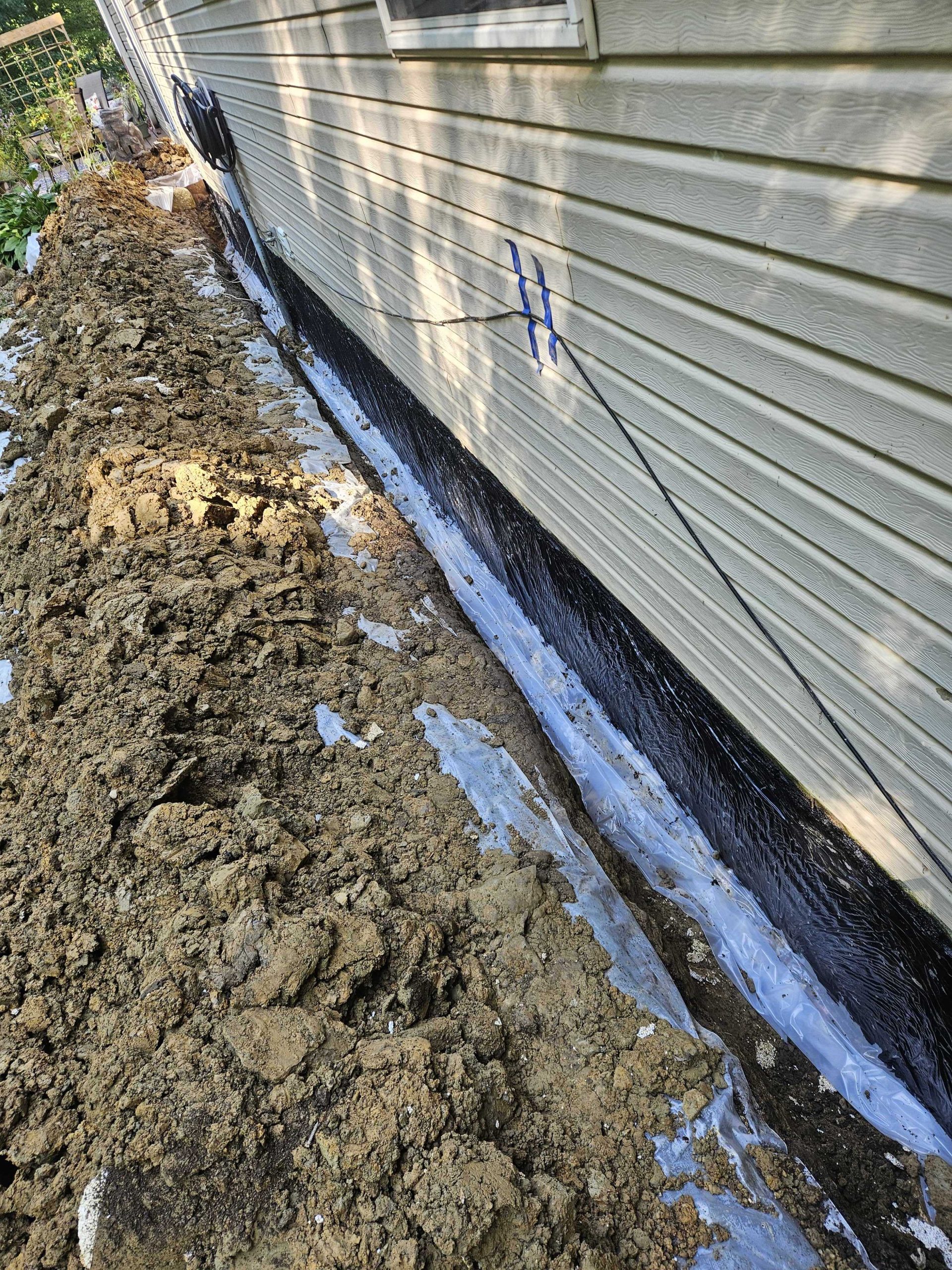
- Exterior waterproofing: This is a more thorough solution that involves excavating around the house to install a waterproof coating or membrane on the outside of the basement walls.
- Drainage systems: These help divert water away from your home, preventing it from entering your basement in the first place.
- Dehumidifiers: If your basement’s problem is high humidity rather than actual water leakage, a dehumidifier can help maintain a dry environment.
Evaluating the Severity of the Problem
In the domain of basement waterproofing, evaluating the severity of the problem is a must. You can’t just slap a solution on without understanding the issue. It’s like putting a band-aid on a broken bone; it won’t do the job.
To gauge the severity, you’ll need to look at a few key indicators. These include the presence of water, the extent of the damage, and the frequency of the issue. Are you constantly dealing with water in your basement? Or is it a once-a-year problem? How much water are we talking about? A little dampness or a full-on flood?
| Indicator | Severity |
|---|---|
| Presence of water | High |
| Extent of damage | Medium |
| Frequency | High |
| Source of water | High |
| Amount of water | High |
Don’t underestimate this step. It’s essential for choosing the right waterproofing method later on. And remember, you’re not alone in this. If it’s too much to handle, don’t hesitate to call in a professional. They’ll be able to help you assess the problem and guide you towards the best solution.
Steps to Waterproof Your Basement
Now that you’ve assessed the severity of your basement water problem, it’s time to roll up your sleeves and plunge into the waterproofing process. Fear not, it’s a simpler task than it may seem at first glance. You just need the right tools, a bit of know-how, and a few free weekends.
To start, you’re going to need to clean up. Remove any water, debris, or mold that has accumulated. This will give you a clear view of the problem areas and possibly reveal any unseen leaks.
Next, you’ll want to seal any cracks or gaps you find. Use a waterproofing sealant specifically designed for basements. Make sure to apply it thoroughly over the entire area, not just the problem spots.
Here are a few more tips to help you tackle this task effectively:
- Invest in a dehumidifier to control moisture levels in your basement.
- Use a sump pump if you’re dealing with a significant amount of water.
- Consider installing a French drain system for persistent water problems.
- Finally, remember to ventilate your basement to reduce dampness.
With determination and a bit of elbow grease, you’ll have a dry, waterproof basement in no time.
Professional Help for Basement Waterproofing
You’ve identified the signs and taken some steps, but sometimes you need a professional’s touch.
It’s time to talk about hiring waterproofing experts and the cost of professional services.
Let’s see how getting professional help can secure your basement from water damage.
Hiring Waterproofing Experts
Without a doubt, hiring waterproofing experts for your basement is a smart move.
These professionals have the knowledge and skills required to properly assess the situation, identify the source of the problem, and provide an effective solution.
They’re well-versed in the various methods of waterproofing and can recommend the most suitable one for your basement.
When hiring an expert, there are several factors you should consider to guarantee you’re making the right choice.
Here’s a handy list to guide you:
- Experience: Look for professionals who’ve been in the business for a number of years and have a solid track record. Experience matters a lot in this field.
- Certifications and Licenses: Ensure they’re properly certified and licensed. This guarantees that they meet industry standards.
- References: Ask for references from previous customers. This gives you an idea of the quality of their work.
- Insurance: Make sure they’re insured. This protects you from any liabilities in case of accidents during the project.
Cost of Professional Services
While considering the expertise of professionals for basement waterproofing, it’s equally important to understand the cost implications. This isn’t a place you’d want to cut corners, as long-term damage from poor waterproofing can be costly.
On average, professional basement waterproofing services range from $3,000 to $10,000, depending on the severity of the problem and the size of your basement. The cost can also vary widely based on where you live, the materials used, and the complexity of the job.
Remember, you’re making an investment in the long-term health of your home, so it’s worth spending a bit more for a job well done. Do your research and get several quotes. Don’t just go with the cheapest option, but carefully evaluate each company’s reputation, experience, and warranty offerings.
If the cost seems steep, consider the potential expenses you’ll avoid by preventing future water damage. You could be saving yourself from costly repairs down the line.
Waterproofing your basement now can protect your home and save you money in the long run. So, despite the initial outlay, it’s a smart and cost-effective decision.
Frequently Asked Questions
What Is the Average Cost of Basement Waterproofing?
You’re probably wondering about the average cost of basement waterproofing. It’s not cheap, typically ranging from $3,000 to $5,000. However, costs can vary greatly depending on the severity of the issue and the size of your basement.
How Long Does a Waterproofing Treatment Typically Last?
Imagine a fresh, dry basement. That’s what you’ll get after waterproofing. A good treatment should last you at least 10 years, but it can extend to 25 years if it’s done right.
Are There Any DIY Waterproofing Options That Are Effective?
Yes, there are effective DIY waterproofing options. You can apply waterproofing paint or sealant, install a sump pump, or use a dehumidifier. However, it’s important to guarantee you’re addressing the root cause of the moisture.
Is It Necessary to Waterproof a Basement in a New House?
Yes, it’s necessary to waterproof a new house’s basement. Even new constructions aren’t immune to moisture issues. It’s best to prevent any potential water damage from the get-go rather than deal with it later.
Does Homeowners Insurance Cover Basement Waterproofing?
Typically, your homeowner’s insurance won’t cover basement waterproofing. It’s like expecting car insurance to cover oil changes. You’re responsible for regular home maintenance, and that includes waterproofing to prevent potential water damage.
Conclusion
Don’t let your basement transform into a musty, mold-infested nightmare! It’s crucial to spot the signs of water damage early and take action. Waterproofing your basement isn’t just about keeping it dry, it’s about securing your home’s foundation and ensuring a healthier living environment. So, don’t delay. Get your basement waterproofed today and turn it into a fortress against water damage. Remember, a stitch in time saves nine!

Ohio State Waterproofing has provided quality service with over 90,000 successful waterproofing and foundation repair installations and satisfied customers since our inception in 1978.
Ohio State Waterproofing’s philosophy for success is to provide honest, courteous and guaranteed service to every customer. Our reputation reflects this. Our well-trained waterproofing technicians are dedicated to complete customer satisfaction. This is achieved through fast, efficient processes as well as teamwork throughout this organization. You will always find a friendly representative willing to meet your needs at Ohio State Waterproofing.
We are a full service company that handles problems ranging from patching cracks to rebuilding basements. In addition, we hold three patents related to waterproofing that make us unique in the industry. These patents and our experience allow us to be able to do what every other waterproofer can do, but no one else can do what we do.
We are actively involved in the industry and community, including the National Association of Waterproofing Contractors, BHA, NARI, NAHB, NHIA, the BIA, the FHA and a number of consumer advocacy groups, as well as playing leading roles in a number of charitable functions.
But, most importantly, our highest degree of praise comes from the thousands of referrals we get from satisfied customers. Together they’ve made us a leader in the basement waterproofing and foundation repair industry.

