
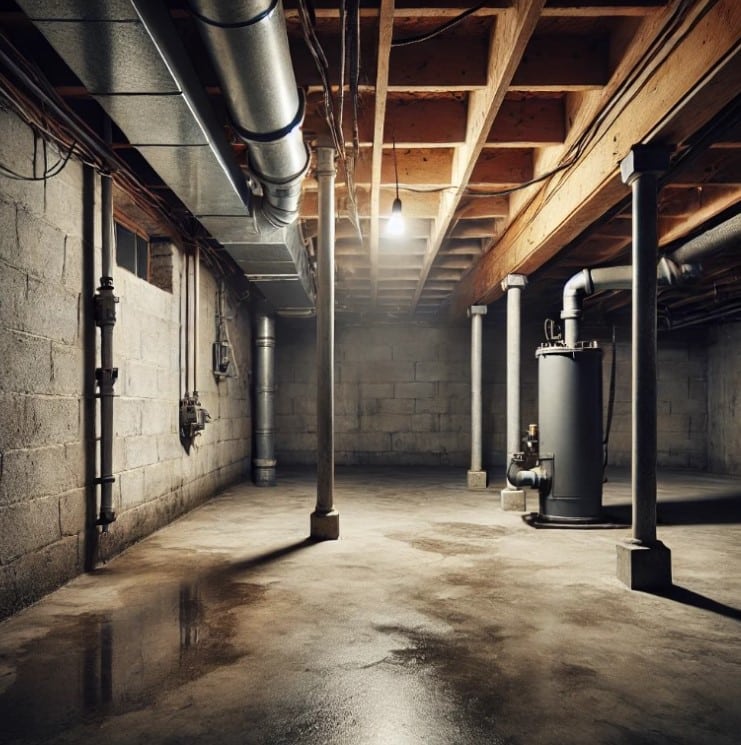
Imagine you’ve just finished transforming your basement into a cozy family room, only to discover water seeping in from the walls after the first heavy rain. You’re dismayed, frustrated, and searching for solutions.
Waterproofing your basement can prevent such disasters, but what’s the best method? Is it exterior waterproofing, interior sealing, or perhaps a more comprehensive drainage system?
Let’s explore these options together, and by the end, you’ll have a clear understanding of the best solution for your home.
Key Takeaways
- Understanding the root causes of basement water problems is crucial for effective waterproofing solutions.
- Interior and exterior waterproofing methods offer different levels of protection against water intrusion.
- Drainage systems play a vital role in managing basement water and preventing structural damage.
- Consider the long-term costs and durability of waterproofing solutions to choose the best option for your basement.
Understanding Basement Water Issues
Before diving into waterproofing solutions, it’s crucial you get a handle on the common water issues that can plague basements. These problems often result from improper building techniques, deficient maintenance, and external environmental factors.
Firstly, water can seep in through cracks in your basement walls or floor, often caused by hydrostatic pressure. This phenomenon occurs when water saturates the soil surrounding your foundation, creating pressure that pushes water into any available space, including cracks and gaps in your home’s structure.
Additionally, ineffective drainage systems can lead to water accumulation. If your gutters and downspouts aren’t directing water away from your foundation, or if your home’s grading isn’t properly sloping, you’re likely to experience water issues.
Lastly, condensation is another nuisance. It forms when moist, warm air comes into contact with your cool basement walls and floors. Over time, this can lead to mold growth and a musty smell.
Understanding these common basement water issues is the first step towards a dry, functional basement. Armed with this knowledge, you’re now ready to explore the best solutions for waterproofing your basement. Remember, prevention is always better than cure, so it’s best to tackle these issues head-on.
Interior Waterproofing Methods
There are several effective interior waterproofing methods you can employ to protect your basement from water damage, each designed to tackle specific problems and scenarios. You’re not stuck with a one-size-fits-all solution; instead, you can customize your approach to your basement’s needs.
- Sealants: Sealants are applied to the interior walls and floors of your basement to block moisture. They’re helpful in preventing minor dampness but aren’t effective against significant water intrusions.
- Waterproof paint: This is a type of specially formulated paint that can resist water penetration. It’s an excellent option if you’re dealing with minor seepage issues. However, it won’t solve major leaks or structural problems.
- Interior water drainage: This is the most effective method for preventing basement water damage. It directs water from your basement to a sump pump system, which then pumps the water out and away from your home.
Exterior Waterproofing Techniques
While interior methods can effectively combat dampness, it’s exterior waterproofing techniques that offer a robust line of defense against more severe water intrusion in your basement. These techniques, often more extensive and costly, provide an unrivaled level of protection, safeguarding your home from the outside in.
Here’s a snapshot of three popular exterior waterproofing methods:
| Technique | Description | Suitability |
| French Drains | Trench filled with gravel or rock containing a perforated pipe that directs surface water away from an area. | Ideal for homes with frequent flooding. |
| Waterproof Coating | An impermeable coating applied to exterior walls. | Best for basements with minor dampness. |
| Excavation Waterproofing | Involves digging out the entire perimeter of the basement, applying a waterproof coating, then installing a drainage system. | Suitable for severe water intrusion issues. |
Choosing the right technique depends on the severity of your water intrusion problem and the landscape surrounding your home. Remember, professional assessment is key. A waterproofing expert can help you choose the most effective solution, ensuring your basement remains dry and your home’s structural integrity intact.
The Role of Drainage Systems
Understanding the role of drainage systems in basement waterproofing is crucial, as they’re designed to effectively manage water accumulation and direct it away from your home. These systems prevent the buildup of hydrostatic pressure that can lead to structural damage, mold growth, and a damp, unpleasant environment.
- Interior Drainage Systems: Installed beneath your basement floor, these systems collect water that seeps inside and channel it away from your basement. They’re typically paired with a sump pump that actively pumps the water out and away from your home.
- Exterior Drainage Systems: These are implemented around the perimeter of your home to catch water before it can infiltrate your basement. They divert water into a designated drainage area, preventing it from seeping into your basement walls.
- Sump Pumps: These devices are crucial in both interior and exterior drainage systems. They pump accumulated water out of your home, effectively managing the water level in your basement.
Properly functioning drainage systems are key to maintaining a dry basement. Therefore, regular maintenance and check-ups are imperative to ensure your system’s efficiency. By understanding the role and importance of drainage systems, you’re one step closer to achieving a waterproof basement.
Comparing Waterproofing Costs and Durability
Investing in basement waterproofing can seem like a formidable expenditure, but when you weigh the costs against the long-term durability and benefits, it’s clear that it’s a smart, cost-effective decision. Let’s take a closer look.
The initial cost of waterproofing can vary greatly depending on the method you choose. Simple sealants can be relatively inexpensive, but they may not provide the same level of protection as more comprehensive solutions like interior water drainage systems or exterior waterproofing membranes.
However, it’s important to consider durability. A cheaper, quick-fix solution might seem tempting, but it won’t hold up as well over time. You’ll likely end up spending more on repairs and reapplication than you would’ve on a more durable, higher-quality solution.
Don’t merely consider the upfront cost. Factor in the maintenance, potential repairs, and lifespan of the waterproofing method. High-quality solutions may require a larger initial investment, but they’ll save you money in the long run by reducing maintenance and repair costs and increasing the longevity of your basement.
Frequently Asked Questions
What Are Some Common Signs That My Basement Needs Waterproofing?
You’ll notice several signs if your basement needs waterproofing. Check for damp or wet spots on walls and floors, or a musty odor indicating mold growth. Look for efflorescence, a white chalky substance on your basement’s walls.
You might also notice flaking paint or walls that feel damp to touch. Finally, check for water pooling, especially after rain. These signs indicate your basement needs attention to prevent future water damage.
Can I Waterproof My Basement Myself or Do I Need to Hire a Professional?
You certainly can waterproof your basement yourself, though it’s not always the best choice. It depends on the extent of the problem and your DIY skills.
Simple fixes like applying a waterproofing paint might be manageable. However, if there’s a serious issue like structural damage, you’ll need a professional. They have the expertise to diagnose the root cause and provide a long-term solution.
How Long Does It Typically Take to Waterproof a Basement?
The duration to waterproof a basement can vary greatly. If you’re doing it yourself, it could take several weekends. It’s a thorough process, involving cleaning, patching holes, applying sealant, and possibly installing a drainage system.
However, if you hire a professional, they’ll likely finish within a week. It’s important to remember that while you might save money doing it yourself, a pro’s experience can ensure it’s done right, saving you future headaches.
Are There Any Potential Health Risks Associated With a Basement That’s Not Properly Waterproofed?
Yes, there are health risks associated with a non-waterproofed basement. You’re exposed to mold and mildew, which can impact your respiratory health.
Dampness can also attract pests and bacteria. It’s not just about structural integrity, it’s about your health too.
It’s crucial to waterproof your basement to prevent these issues. So, don’t wait until it’s too late, take action now to protect your home and health.
Are There Any Maintenance Steps I Should Follow After My Basement Is Waterproofed to Ensure Its Longevity?
Absolutely!
After waterproofing, it’s vital you maintain it to ensure its longevity. Regularly check for cracks or leaks, especially after heavy rainfall. Also, keep your gutters clean and ensure your property’s landscaping directs water away from your basement.
Don’t forget to check your sump pump frequently to ensure it’s working properly. These are simple tasks, yet they’re crucial in maintaining a dry, waterproofed basement.
Conclusion
Deciding the best solution for waterproofing your basement depends on your specific circumstances. Interior methods may be cost-effective, while exterior techniques offer longer-lasting protection. Drainage systems are also crucial in managing water issues.
So, consider both costs and durability before making a choice. Consulting with a waterproofing professional can ultimately help you make the most informed decision for your home’s needs, ensuring a dry, safe basement for years to come.

Ohio State Waterproofing has provided quality service with over 90,000 successful waterproofing and foundation repair installations and satisfied customers since our inception in 1978.
Ohio State Waterproofing’s philosophy for success is to provide honest, courteous and guaranteed service to every customer. Our reputation reflects this. Our well-trained waterproofing technicians are dedicated to complete customer satisfaction. This is achieved through fast, efficient processes as well as teamwork throughout this organization. You will always find a friendly representative willing to meet your needs at Ohio State Waterproofing.
We are a full service company that handles problems ranging from patching cracks to rebuilding basements. In addition, we hold three patents related to waterproofing that make us unique in the industry. These patents and our experience allow us to be able to do what every other waterproofer can do, but no one else can do what we do.
We are actively involved in the industry and community, including the National Association of Waterproofing Contractors, BHA, NARI, NAHB, NHIA, the BIA, the FHA and a number of consumer advocacy groups, as well as playing leading roles in a number of charitable functions.
But, most importantly, our highest degree of praise comes from the thousands of referrals we get from satisfied customers. Together they’ve made us a leader in the basement waterproofing and foundation repair industry.
