Understanding Interior Basement Waterproofing
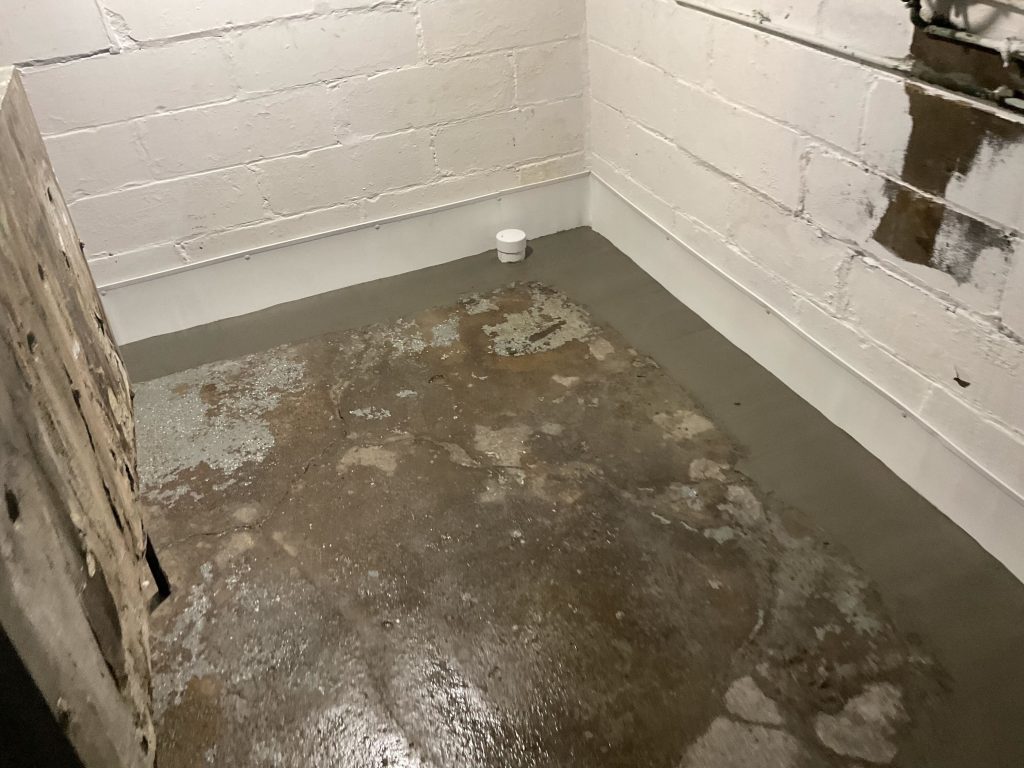
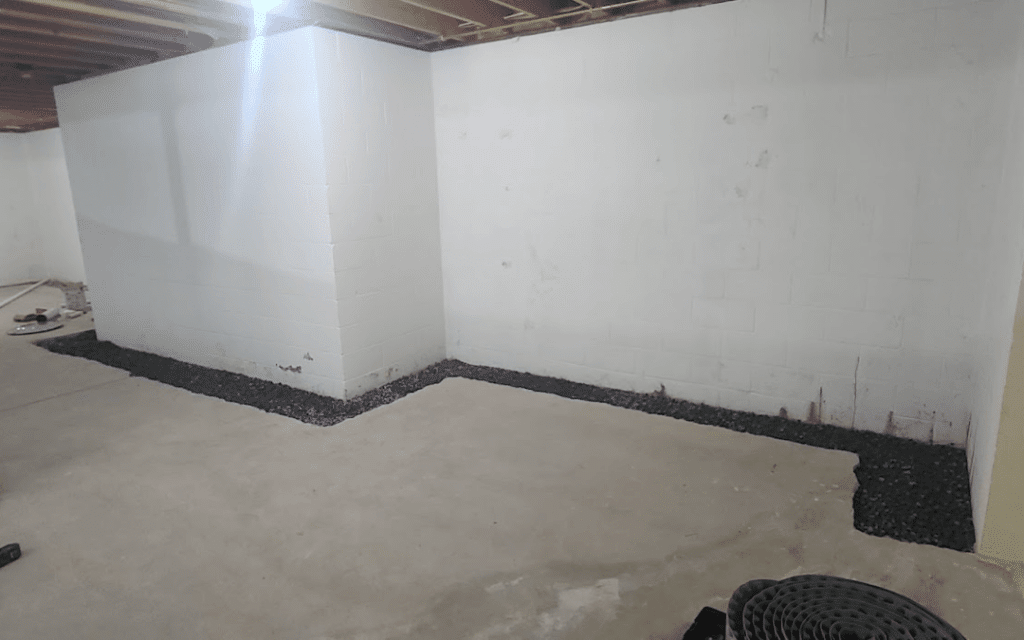
Interior basement waterproofing focuses on preventing water from entering the basement space through walls and floors. This method often involves the installation of drainage systems and sump pumps to redirect water away from the foundation.
Common techniques include sealing cracks in walls and floors, applying waterproof coatings, and using interior drain systems. These solutions are effective for managing moisture levels and can be less invasive than exterior methods, making them a popular choice for homeowners.
Exploring Exterior Basement Waterproofing Solutions
Exterior basement waterproofing is a proactive approach to preventing water intrusion by addressing the source of the problem outside the home. This method typically involves excavating around the foundation and applying waterproof barriers to the exterior walls.
Techniques such as installing drainage tiles and improving the grading of the landscape help direct water away from the foundation. While this method can be more costly and labor-intensive, it provides long-term protection against water damage and structural issues.
Comparing Drainage Systems for Basement Waterproofing
Drainage systems are crucial in basement waterproofing, as they manage water flow and prevent accumulation. These systems can be either interior or exterior, each serving a specific purpose in maintaining a dry basement.
Interior drainage systems, like French drains, collect water from the basement and channel it to a sump pump, while exterior systems redirect water away from the foundation. Understanding the differences and benefits of each type can help homeowners choose the most effective solution for their needs.
Signs Your Basement Needs Waterproofing
Identifying the signs that your basement requires waterproofing is essential for preventing extensive damage. Common indicators include persistent dampness, mold growth, musty odors, and visible water stains on walls or floors.
Homeowners should also be vigilant for cracks in the foundation or walls, as these can allow water to seep in. Addressing these issues promptly can save significant repair costs and ensure a safe living environment.
Understanding Interior Basement Waterproofing
Interior basement waterproofing focuses on preventing water from entering the basement space through walls and floors. This method often involves the installation of drainage systems and sump pumps to redirect water away from the foundation.
Common techniques include sealing cracks in walls and floors, applying waterproof coatings, and using interior drain systems. These solutions are effective for managing moisture levels and can be less invasive than exterior methods, making them a popular choice for homeowners.
Exploring Exterior Basement Waterproofing Solutions
Exterior basement waterproofing is a proactive approach to preventing water intrusion by addressing the source of the problem outside the home. This method typically involves excavating around the foundation and applying waterproof barriers to the exterior walls.
Techniques such as installing drainage tiles and improving the grading of the landscape help direct water away from the foundation. While this method can be more costly and labor-intensive, it provides long-term protection against water damage and structural issues.
Comparing Drainage Systems for Basement Waterproofing
Drainage systems are crucial in basement waterproofing, as they manage water flow and prevent accumulation. These systems can be either interior or exterior, each serving a specific purpose in maintaining a dry basement.
Interior drainage systems, like French drains, collect water from the basement and channel it to a sump pump, while exterior systems redirect water away from the foundation. Understanding the differences and benefits of each type can help homeowners choose the most effective solution for their needs.
Signs Your Basement Needs Waterproofing
Identifying the signs that your basement requires waterproofing is essential for preventing extensive damage. Common indicators include persistent dampness, mold growth, musty odors, and visible water stains on walls or floors.
Homeowners should also be vigilant for cracks in the foundation or walls, as these can allow water to seep in. Addressing these issues promptly can save significant repair costs and ensure a safe living environment.