
By Ohio State Waterproofing, Ohio State Waterproofing
Foundation problems in basements threaten a home’s structural integrity and require prompt attention. Early detection of foundation cracks reduces repair costs and protects your property. This article explains how to spot these signs, the risks they pose, and effective repair approaches. This guide outlines common symptoms of foundation problems, the causes of cracking, and available repair methods, including basement waterproofing solutions that help keep basements dry and stable. It also explains when to hire professional inspectors to secure long-term stability.Key Takeaways
- Visible cracks, water damage signs, and uneven floors indicate potential basement foundation problems.
- Foundation cracks can cause structural damage, water intrusion, and increase pest infestations in homes.
- Professional inspections are essential for accurate assessment and effective foundation crack repairs.
- Repair methods include epoxy injections, carbon fiber reinforcement, underpinning, and foundation replacement.
- Waterproofing measures like drainage systems and vapor barriers prevent moisture intrusion and foundation damage.
- Sump pumps help manage basement water accumulation, reducing mold risks and protecting foundation integrity.
- Ignoring foundation cracks can lead to severe health issues and costly structural failures.
- Timely repairs enhance home stability, safety, and preserve property value.
- Repair costs and durations vary based on damage severity and chosen repair techniques.
To identify structural issues in your basement related to foundation cracks, look for the following signs:
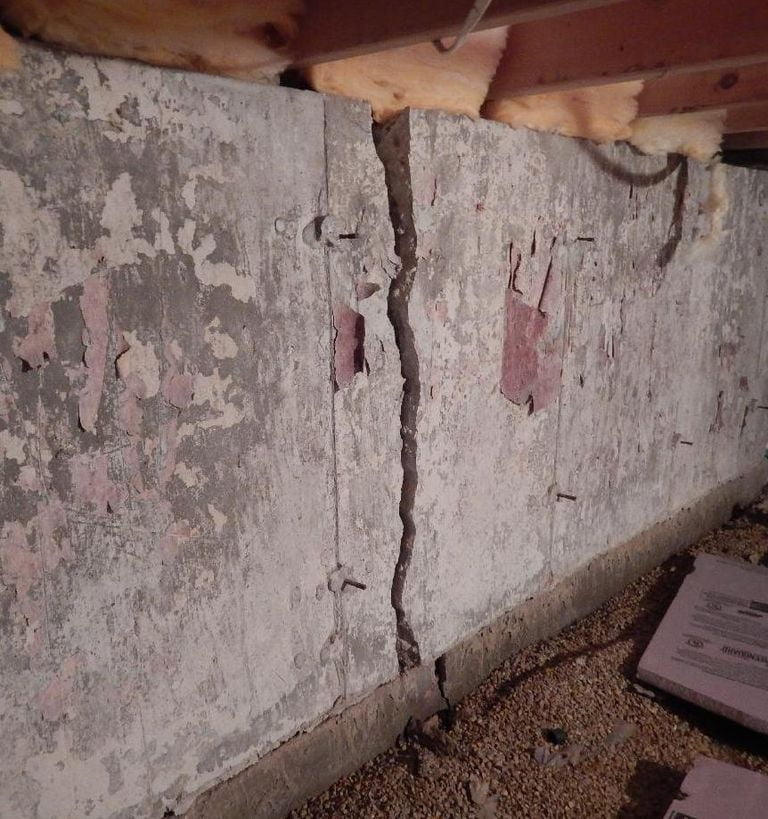
Recognizing the initial indicators of foundation cracks can help prevent more serious structural damage in your home. Here are some common signs to watch for:- Visible Cracks: Look for cracks in foundation walls, which can often appear as horizontal or vertical fissures that compromise structural integrity.
- Water Damage Indicators: Presence of damp spots, mold, or efflorescence on walls and floors can indicate moisture intrusion typically associated with foundation issues.
- Uneven Floors: If you notice sloping floors or doors that stick, this may signal shifting foundations or settling that needs immediate attention.
Implications of Foundation Cracks
Left unaddressed, foundation cracks can cause serious consequences. Knowing these risks encourages prompt action to protect your home.- Structural Damage: Cracks can weaken the overall structure, risking collapsing walls or floors.
- Water Intrusion: Gaps allow moisture to enter, which can lead to mildew, mold growth, and damage to personal belongings.
- Pest Problems: Openings can invite insects and rodents into the home, creating further health and hygiene concerns.
Addressing Foundation Problems
Effective repair combines inspection, diagnosis of root causes, and selection of the right remedy.- Professional Inspection: Engage a qualified professional for an accurate assessment of foundation integrity.
- Repair Techniques: Choose suitable methods such as epoxy injections or carbon fiber reinforcement for minor cracks, while larger issues may require underpinning or installation of piers.
- Waterproofing: Implement waterproofing measures to prevent moisture intrusion that often exacerbates foundation damage.
What Are the Common Signs Your Basement Has Foundation Cracks?
Early identification of foundation crack symptoms is vital for timely intervention.- Crack Patterns: Diagonal, horizontal, or stair-step cracks can indicate different underlying issues.
- Water Damage Signs: Notable instances of dampness in the corner of the room, musty odors, and visible mold growth point to moisture accumulation.
- Preventative Measures: Early repairs can mitigate further damage and costly repairs in the long run.
How to Conduct a Basement Wall Crack Inspection Effectively
A thorough basement wall inspection is essential to detect cracks.- Preparation: Ensure the basement area is clear of clutter for better visibility and access.
- Visual Inspection: Examine foundation walls for cracks and irregularities; also inspect for signs of moisture ingress.
- Document Findings: Record the size and location of any cracks and any modifications in the landscape near the home that could influence foundation stability.
Identifying Signs of Basement Water Damage Related to Foundation Cracks
Distinguishing water damage caused by foundation cracks is important.- Damp Spots: Areas with persistent damp spots tend to indicate water penetration through cracks.
- Musty Odors: Unpleasant smells often signal mold or mildew, which can develop due to moisture buildup.
- Efflorescence: A white, chalky residue on walls or floors signals frequent moisture presence and should prompt immediate action.
What Causes Foundation Cracks in Basements?
Foundation cracks arise from several factors that weaken a home’s stability.- Soil Movement: Changes in soil conditions, such as expansion or contraction, can put pressure on foundation walls leading to cracks.
- Hydrostatic Pressure: Excessive groundwater can exert pressure against basement walls, contributing to structural damage.
- Poor Construction: Inadequate construction materials or methods may not withstand the forces acting on the foundation, leading to failure.
How Soil Movement and Settlement Contribute to Foundation Damage
Soil behavior directly affects foundation stability.- Soil Pressure: Variances in soil composition and moisture content can affect pressure distribution around foundations.
- Expansive Soils: Clay-rich soils can swell when wet and shrink as they dry, exerting force on foundations.
- Drainage Effects: Poor drainage systems can exacerbate soil movement and settlement, resulting in uneven foundation pressure.
What Role Does Moisture Intrusion Play in Foundation Crack Development?
Moisture intrusion drives the formation and widening of foundation cracks.- Sources of Moisture: Heavy rainfall, melting snow, or underground water can saturate soil, increasing hydrostatic pressure on foundations.
- Impact of Moisture on Materials: Constant moisture can lead to corrosion of metal reinforcements, weakening the overall integrity of the foundation.
- Cycle of Damage: Once cracks form, they can allow even more moisture to enter, creating a vicious cycle of deterioration.
How Can Basement Foundation Crack Repair Solutions Protect Your Home?
Repairing foundation cracks protects the home in several ways.- Repair Types: Options include epoxy injections for minor fissures or underpinning for more significant structural issues.
- Preventative Aspects: Timely repairs can mitigate further damage from water infiltration and structural failure.
- Long-Term Benefits: Implementing repairs results in increased stability and safety of the home’s foundation, ultimately preserving property value.
What Are the Advantages of Carbon Fiber Foundation Repair?
Carbon fiber reinforcement offers a durable method to strengthen basement walls. It often costs less than traditional repairs while delivering comparable strength. Carbon fiber strips resist water, many chemicals, and corrosion, which extends the life of repairs. Once installed, they require minimal maintenance compared with other options. Using carbon fiber can be a cost-effective choice for reinforcing basement walls.When Is Concrete Leveling or Foundation Replacement Necessary?
Severe cracking and pronounced uneven floors may require concrete leveling or full foundation replacement. When leveling cannot restore stability, compare long-term repair and replacement costs to determine the most prudent option. In some cases, a full foundation replacement secures structural integrity and prevents repeated repairs. Knowing when to escalate repairs preserves occupant safety and the home’s value.What Basement Waterproofing Options Prevent Further Foundation Damage?
Implementing waterproofing measures protects foundations from moisture intrusion.- Interior vs Exterior Waterproofing: Interior systems often involve drainage tile installation, while exterior systems might include footing drains.
- Drainage Systems: Perimeter drainage systems can direct water away from the foundation, reducing hydrostatic pressure.
- Vapor Barriers: Installing vapor barriers prevents moisture from penetrating the walls, which is crucial for maintaining a dry basement environment.
How Does Foundation Crack Waterproofing Mitigate Moisture Intrusion?
Waterproofing targets the moisture pathways that exploit foundation cracks.- Moisture Barriers: Employing advanced moisture barrier systems prevents water from entering through existing cracks.
- Drainage Systems: Effective drain installation complements waterproofing by redirecting water away from the foundation.
- Waterproof Coatings: Specialized coatings can be applied to reinforce foundations against water damage.
What Are the Benefits of Crawl Space Waterproofing and Encapsulation?
Waterproofing and encapsulating crawl spaces is essential for homes with basements. Effective encapsulation lowers humidity and prevents mold growth. Proper ventilation and damp-proofing improve indoor air quality. Sealing crawl spaces also reduces pest risks associated with damp conditions. Investing in crawl space solutions supports long-term home durability.How Does Sump Pump Installation Support Basement Foundation Integrity?
Sump pumps remove excess water and protect foundations from moisture damage. A functioning sump pump lowers the risk of mold and other moisture-related problems. Keeping the basement dry supports the foundation’s integrity. Proper installation and regular maintenance of a sump pump help prevent significant water damage.Why Is a Sump Pump Essential for Managing Basement Water Accumulation?
A sump pump prevents flooding by directing water away from the foundation during heavy rains. Maintaining a dry basement helps preserve property value and reduces mold risk, which can affect indoor air quality. Regular maintenance ensures the pump remains effective when needed.How Do Sump Pump Systems Reduce Mold Risks Associated with Foundation Cracks?
Sump pump systems lower humidity and remove standing water, which limits mold growth. Reducing moisture decreases health risks tied to mold exposure. Installing a robust sump pump system provides reliable protection against water-related foundation damage.What Are the Health and Structural Risks Linked to Ignoring Basement Foundation Cracks?
Ignoring foundation cracks creates serious health and safety hazards. Unrepaired cracks can lead to structural failure that endangers occupants. Moisture-driven mold and bacterial growth may cause respiratory and other health problems. Delaying repairs increases severity and cost and can widen the scope of necessary work. Persistent moisture from foundation cracks promotes mold growth. Cracks allow moisture into dark, damp areas where mold spores thrive. Exposure to mold can cause health problems, particularly for people with respiratory conditions. Prompt repair and moisture control are effective prevention measures. For guidance, see mold prevention and removal tips.Why Is Timely Repair Critical to Preventing Structural Damage?
Promptly repairing foundation cracks preserves home integrity. Problems worsen over time and increase repair costs. Delaying work also raises health risks from mold and structural instability. Timely action protects occupants and the property’s long-term value.When Should Ohio Homeowners Seek Professional Foundation Crack Inspection and Repair?
Homeowners should seek professional help when they observe visible cracks or signs of moisture intrusion. Early evaluation reduces the likelihood of severe structural damage. Arrange an inspection promptly when issues appear to limit risk to the property. During an inspection, expect a professional to review interior and exterior conditions, check for signs of movement, assess drainage and grading, test for moisture, and explain potential repair options. They commonly provide a written report that outlines findings, urgency, and recommended next steps. Use this report to compare bids and to verify that proposed repairs address causes rather than just symptoms.What Are the Indicators of Serious Foundation Problems Requiring Expert Assessment?
Large, widening wall cracks, doors or windows that fail to open or close, and noticeably sloped floors are signs that require expert evaluation. Identifying these indicators helps address major structural issues before they worsen.How Does Professional Repair Ensure Long-Term Basement Stability?
Professional repairs follow industry standards and reinforce foundation integrity. Qualified technicians reduce the chance of recurring problems when repairs are performed correctly. Their experience is necessary to resolve complex foundation issues and to preserve the home.What Are the Expected Costs and Durations for Basement Foundation Crack Repairs?
Repair costs and timelines vary with the severity of damage and the methods used. Minor crack repairs typically cost less than extensive underpinning. Projects can take from a few days to several weeks depending on complexity. Location, contractor rates, and materials all influence final costs. When minor repairs are insufficient, foundation replacement may be necessary.How Do Repair Methods Impact Project Timeframes and Budgets?
Repair methods affect project duration, cost, and long-term effectiveness. Method Comparisons: Common techniques, with typical timeframes and costs, include:- Epoxy Injection: Quick, often completed in 1-2 days at a lower cost.
- Carbon Fiber Reinforcement: Moderate duration and cost, typically lasting longer.
- Underpinning: Most intensive, requiring extended timeframes and higher budgets.
What Warranty and Quality Assurance Should Homeowners Expect?
Ask contractors about warranties and quality assurances before repairs. Reputable firms provide workmanship guarantees and specify the materials used. Obtain written documentation that details the work, expected outcomes, warranty duration, and any conditions. Clear warranty terms provide confidence during repair work. Before work begins, request proof of licensing, insurance, and references. Ask for a written contract that includes start and completion dates, payment schedule, materials, and cleanup responsibilities. Verify warranty coverage for both labor and materials and ask how warranty claims are handled. Keeping these documents organized reduces disputes and clarifies responsibilities after the project finishes.Frequently Asked Questions
1. What should I do if I notice foundation cracks in my basement?
Document the cracks with size and location, then schedule a professional inspection. A qualified inspector will assess severity and recommend repair options. Prompt action limits structural damage and reduces long-term costs.2. Are foundation cracks always a sign of serious problems?
Minor cracks can result from normal settlement, but larger or widening cracks may indicate structural concerns. Crack patterns, such as diagonal or stair-step fractures, often suggest greater risk. Consult a foundation professional to evaluate the situation.3. What are some average costs associated with repairing foundation cracks?
Costs vary by crack size, repair type, and extent of damage. Epoxy injections can range from $300 to $1,500, while extensive solutions like underpinning may exceed $3,000. Request multiple quotes to compare prices and workmanship.4. How can I prevent future foundation cracks?
Prevent future cracks by managing water: ensure gutters and downspouts direct water away from the foundation and maintain proper yard grading. Install a sump pump if your basement is prone to water accumulation. Regular inspections and prompt repair of minor issues also help prevent escalation.5. What indicators show that I need a professional inspection?
Seek a professional inspection for large or widening cracks, doors or windows that stick, uneven floors, or signs of moisture such as stains or mold. Multiple indicators or rapid changes in the home’s structure warrant immediate expert evaluation.6. Is it safe to live in a house with foundation cracks?
Living with foundation cracks can be safe if they are minor and stable, but risks rise if cracks are extensive or worsening. Monitor small cracks and prioritize a professional assessment when cracks grow or coincide with other structural issues.7. What can I expect during professional foundation repair?
Professionals begin with a comprehensive assessment and present recommended solutions. Work may include securing the area, injecting epoxy for small cracks, or performing underpinning for major issues. Project duration ranges from one day to several weeks. After repairs, contractors typically provide maintenance guidance and warranty documentation.Conclusion
Repairing foundation cracks preserves structural integrity and occupant safety. Early detection prevents water damage and mold. If you notice signs of foundation issues, obtain a professional assessment and review repair options to protect your property over the long term.
Ohio State Waterproofing has provided quality service with over 90,000 successful waterproofing and foundation repair installations and satisfied customers since our inception in 1978.
Ohio State Waterproofing’s philosophy for success is to provide honest, courteous and guaranteed service to every customer. Our reputation reflects this. Our well-trained waterproofing technicians are dedicated to complete customer satisfaction. This is achieved through fast, efficient processes as well as teamwork throughout this organization. You will always find a friendly representative willing to meet your needs at Ohio State Waterproofing.
We are a full service company that handles problems ranging from patching cracks to rebuilding basements. In addition, we hold three patents related to waterproofing that make us unique in the industry. These patents and our experience allow us to be able to do what every other waterproofer can do, but no one else can do what we do.
We are actively involved in the industry and community, including the National Association of Waterproofing Contractors, BHA, NARI, NAHB, NHIA, the BIA, the FHA and a number of consumer advocacy groups, as well as playing leading roles in a number of charitable functions.
But, most importantly, our highest degree of praise comes from the thousands of referrals we get from satisfied customers. Together they’ve made us a leader in the basement waterproofing and foundation repair industry.

