
 When it comes to safeguarding your home against moisture damage, you’re faced with a choice: interior or exterior waterproofing. Each option has its strengths and weaknesses, and what’s right for one home may not be best for another. Interior waterproofing can be a cost-effective solution for specific dampness issues, while exterior waterproofing offers more thorough protection, albeit at a higher price point. How do you decide which is the most suitable for your home? Let’s explore further to help you make an informed decision.
Essential Key Takeaways for Understanding Our Products and Services
- Interior waterproofing, ideal for moisture control, is more cost-effective and can be done in all weather conditions.
- Exterior waterproofing prevents water ingress, protecting the structure and reducing long-term repair costs, but is more expensive and time-consuming.
- The choice between interior and exterior depends on the severity of the water problem, budget, and the potential disruption to your property.
- Both methods require maintenance and regular inspections to ensure effectiveness and detect new signs of water damage.
- Professional assessment is recommended to determine the best waterproofing method for your home and to ensure proper installation.
Understanding Home Waterproofing
Without the proper protection, your home can become vulnerable to water damage, especially in the event of heavy rain or flooding. It’s a nightmare scenario that you definitely want to avoid. Waterproofing is your best defense. But what exactly does it entail?
Home waterproofing is a process that’s designed to prevent water from entering your home. It’s not just about dealing with visible water seepage – it’s about tackling the unseen moisture that can seep into your walls, floor, and foundation. Over time, this kind of dampness can lead to mold growth, structural damage, and a whole host of other problems.
There are two main types of waterproofing – interior and exterior. While we’ll be delving into interior waterproofing in the next section, it’s important to understand that both types are vital for effective home protection.
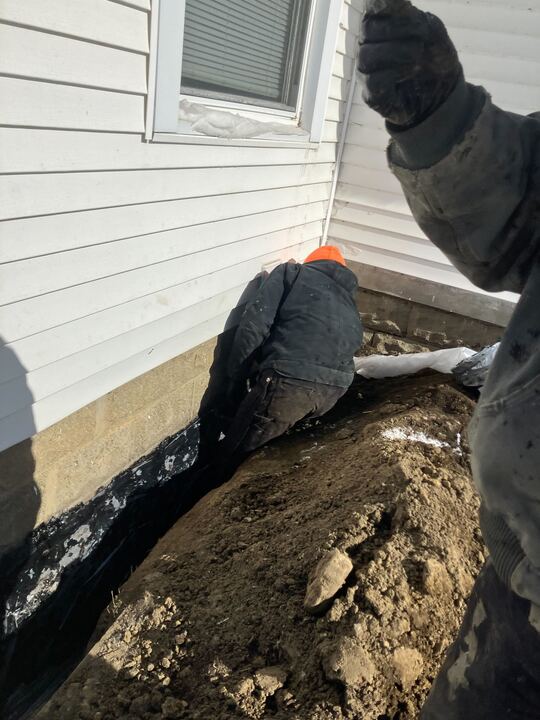
Exterior waterproofing targets the outside of your home, stopping water before it gets a chance to penetrate your walls. It involves a range of techniques, from installing drainage systems to applying waterproof coatings on your home’s exterior walls. It’s an investment, sure, but it’s one that could save you a lot in the long run.
The Basics of Interior Waterproofing
Now, let’s turn our attention to the basics of interior waterproofing.
You’ll learn what it entails, the different processes involved, and why it’s beneficial for your home.
It’s a critical aspect of home maintenance that can’t be overlooked.
Understanding Interior Waterproofing
Diving right into interior waterproofing, it’s essential to first understand its basics.
Interior waterproofing, also known as water control, is a preventative measure to keep moisture out of your home, specifically from your basement.
High levels of moisture can lead to mold and mildew growth, which can be harmful to your health and your home’s structure.
Interior waterproofing is one of the best ways to prevent this. It’s a solution that deals with the water once it has already entered your home, unlike exterior waterproofing which tries to prevent water from entering at all.
Interior waterproofing commonly involves the use of sealants applied directly to your interior walls and floors, creating a waterproof barrier.
It’s a highly effective method for houses built in areas with a high water table or prone to heavy rainfall.
However, it’s important to remember that while interior waterproofing helps manage water that’s already made its way in, it doesn’t address the root cause of the water entry.
That’s why it’s often used in conjunction with exterior waterproofing for a thorough solution.
Understanding this will help you decide if interior waterproofing is the right choice for your home.
Processes in Interior Waterproofing
Let’s get down to the nitty-gritty of interior waterproofing processes. This operation involves a series of steps designed to protect your home from water damage.
The process often starts with identifying the source of the leak. This could be cracks in the walls or floor, or a flaw in the existing waterproofing system.
Once they’ve identified the problem, professionals will then prepare the area for treatment. This usually involves removing any damaged materials and cleaning the area thoroughly.
Next, they’ll apply a waterproofing substance directly to the interior surface of the walls and floor. This substance works by sealing off any cracks or holes, effectively preventing water from seeping in.
The chosen product can vary, but it’s often a waterproof paint or a specially designed sealant.
For more severe cases, a drainage system might be installed. This involves creating a trench around the perimeter of the basement, laying a pipe, and covering it with gravel.
The pipe carries any incoming water away from the house, keeping your basement dry.
Advantages of Interior Waterproofing
A multitude of advantages come with interior waterproofing your home. First off, it’s typically less expensive than exterior waterproofing. You’re also less likely to need a permit, making the process faster and less bureaucratic.
Secondly, interior waterproofing can be done regardless of the weather. Rain or shine, you can have professionals inside your home, working to protect it from water damage. With exterior waterproofing, you’d have to wait for dry weather.
Interior waterproofing also offers you more control. You can target specific problem areas in your house without disturbing your landscaping or outdoor structures. Furthermore, it’s less invasive than exterior waterproofing, which can require hefty excavation.
Additionally, interior waterproofing systems are easier to maintain and repair. If something goes wrong, you don’t have to dig up your yard to fix it.
Lastly, interior waterproofing can also improve your home’s air quality by reducing dampness and preventing mold growth.
Pros of Interior Waterproofing
With interior waterproofing, you can enjoy a host of benefits. This method isn’t only cost-effective but also less intrusive compared to exterior waterproofing.
Let’s explore the specifics:
- Cost-Effective: Interior waterproofing is generally cheaper than its exterior counterpart. You won’t have to excavate around your home, saving you the hefty cost of heavy machinery and labor.
- Less Intrusive: Unlike exterior waterproofing, the interior method doesn’t require any significant disruption to your property. You won’t have to worry about your home’s landscape being ruined.
- Flexibility: Interior waterproofing can be done at any time of the year, regardless of the weather. You’re not at the mercy of Mother Nature’s unpredictable moods.
- Maintenance: Long-term maintenance is typically easier with interior waterproofing. If a problem arises, it’s usually quicker and less expensive to fix.
Cons of Interior Waterproofing
However, it’s not all roses with interior waterproofing. While it’s an effective tool against minor leaks, it’s not the best solution for all types of water intrusion. If you’re dealing with heavy rainfall or groundwater pressure, interior waterproofing may not be enough.
It doesn’t stop water from entering your home; it simply manages the water once it’s inside. This means that even with interior waterproofing, you might still experience dampness, humidity, and condensation.
Additionally, interior waterproofing can be disruptive to your home. Installation often involves tearing up your flooring and drilling into your foundation— a messy and time-consuming process.
And if your basement is finished, you might’ve to remove and replace walls and flooring, which can be costly.
Lastly, interior waterproofing can’t address exterior issues like poor drainage or cracks in your home’s foundation. These problems can lead to serious structural damage if left unaddressed.
Introduction to Exterior Waterproofing
Switching gears, let’s explore exterior waterproofing. As the name suggests, this technique involves actions taken on the outside of your home to prevent water from seeping in. Picture it as a protective barrier between the elements and your property.
Exterior waterproofing is often a more thorough approach than its interior counterpart. It’s all about proactively tackling the root of the problem, not just dealing with the symptoms. Instead of just managing the water that’s already made its way in, you’re stopping it at the source.
Think about exterior waterproofing in these terms:
- It’s like applying a raincoat to your home. The waterproofing solutions act as a shield, repelling water before it can penetrate the walls.
- Imagine erecting a fortress around your property, a fortification to keep water out.
- It’s akin to a well-trained guard dog, spotting the threat (water) from a distance and preventing it from entering.
- Picture a sponge placed around your home, soaking up all the water before it gets a chance to seep into your walls.
Benefits of Exterior Waterproofing
Now that you’ve got a grasp on what exterior waterproofing entails, let’s look into the major perks of this preventative measure.
One of the biggest benefits is the overall protection of your home’s structure. Exterior waterproofing acts as a barrier against water damage, preventing the decay and deterioration of your home’s foundation. This can save you significant repair costs down the line.
Secondly, it helps in maintaining the value of your property. A well-kept, moisture-free home is a huge selling point, and can fetch a higher price on the real estate market. It’s an investment that can pay off handsomely.
Another advantage is the improved comfort and health of your living space. Exterior waterproofing can prevent mold and mildew, which are known to cause health problems. This keeps your home healthier and cleaner.
Drawbacks of Exterior Waterproofing
While exterior waterproofing offers many benefits, it’s crucial to weigh the potential drawbacks.
The cost can be high, and there’s a risk of disrupting your landscape.
On top of that, it can be a time-consuming process to complete.
High Cost Implications
You might gulp at the price tag when considering exterior waterproofing for your home. It’s essential to understand that this process isn’t a simple DIY task; it’s a significant investment. It involves high-grade materials, specialized equipment, and skilled professionals, all of which contribute to the substantial cost.
Consider these elements that rack up the bill:
- Excavation: Digging around your home’s foundation isn’t cheap. It requires hiring heavy-duty machinery and experienced operators.
- Materials: High-quality waterproofing materials come with a hefty price. They’re designed to withstand harsh weather conditions and time, making them more expensive than regular materials.
- Labor: Professional waterproofers don’t work for peanuts. Their expertise and the physical demands of the job command a premium.
- Time: Exterior waterproofing isn’t a weekend project. It can take weeks, even months, depending on the size of your house and the severity of the water problem.
These factors might make exterior waterproofing seem like a luxury. But remember, it’s an investment in your home’s long-term health.
You’re paying for peace of mind, knowing that your house is safe from water damage. So, weigh the high costs against potential future savings on repairs and renovations.
Landscape Disruption Risks
Despite the steep costs, the financial implications of exterior waterproofing aren’t the only concerns. You also need to take into account the potential devastation to your property’s landscape. This isn’t a minor issue to brush aside. It’s a valid concern that could greatly impact the aesthetics and functionality of your outdoor space.
Exterior waterproofing requires extensive excavation, meaning your beautiful yard, garden, or patio may be considerably disrupted. Imagine the distress of seeing your mature trees, flower beds, or ornamental shrubs ripped out or damaged beyond recovery.
It’s not just about the visual appeal. These elements also contribute to the ecosystem and air quality around your home.
Additionally, driveways and walkways aren’t immune to this disruption. They may need to be dug up for the installation of waterproofing measures. The aftermath could leave you with a patchy, scarred landscape that will take time, effort, and more money to restore.
Time-Consuming Process
Before diving into exterior waterproofing, it’s vital to understand that it’s not a quick fix.
It’s a time-consuming process that demands patience and careful planning. You’re not just applying a coat of paint; you’re reinforcing your home against the relentless assault of moisture and water damage.
The process starts with excavating around your home’s foundation. This alone can take days, if not weeks, depending on the size of your home and the condition of the soil.
Once the excavation is complete, the real work begins.
Here’s a snapshot of what you’re up against:
- Applying a waterproof coating to the exterior walls
- Installing a drainage system to guide water away from your foundation
- Backfilling the excavation with gravel to promote drainage
- Finally, restoring your landscape to its original state
Each step takes time and precision to guarantee its effectiveness.
You can’t rush quality, especially when it comes to protecting your home from water damage.
So, if you’re considering exterior waterproofing, be prepared to invest not just your money, but also your time.
After all, your home deserves nothing less.
Factors to Consider When Choosing
When selecting a waterproofing method for your home, several factors come into play.
First, you’ve got to evaluate your budget. Interior waterproofing is generally less expensive than exterior. However, the costs can add up if you’re dealing with severe water issues.
Second, think about your home’s construction. If your home has a finished basement or if digging around the foundation is problematic, you might lean towards interior solutions.
Next, weigh the severity of your water problem. Minor leaks may only require simple interior fixes, but serious water intrusion might demand a more robust exterior approach.
Lastly, reflect on the long-term implications. While interior waterproofing can offer a quick fix, exterior waterproofing often provides more thorough, long-term solutions.
Case Studies: Interior Vs Exterior
Let’s now examine some case studies to compare interior and exterior waterproofing.
You’ll find it interesting to analyze how these two methods fare in real-life situations.
Understanding their effectiveness can help you make a more informed decision for your home.
Comparing Interior Waterproofing
Steering through the world of home waterproofing can seem like an intimidating task.
But, when comparing interior waterproofing techniques, the process becomes clearer once you’ve familiarized yourself with the basics.
Interior waterproofing, often used as a last resort, is typically less invasive and disruptive than its exterior counterpart.
If you’re dealing with minor leaks or dampness in your basement, it could be the right solution for you.
Imagine these scenarios:
- Your basement is slightly damp, but there’s no major flooding. A simple interior sealant could solve your problem.
- You’ve noticed small cracks in your basement walls letting in water. An injection of epoxy or polyurethane foam might do the trick.
- Your basement is below the water table and you’re frequently dealing with water seepage. Installing an interior drainage system could be your best bet.
- You’ve got a finished basement that you don’t want to disrupt with exterior work. Interior waterproofing could be less destructive and disruptive.
Exterior Waterproofing Analysis
While interior waterproofing is often less invasive, exterior waterproofing can provide a robust and thorough solution to water seepage problems.
It’s a detailed approach that tackles water issues from the outside of your home. Because it addresses the problem at its source, it’s often the most effective way to keep your home dry.
You’re probably wondering about the process. Well, it involves excavating around your home to the full depth of your foundation walls.
This allows the application of a waterproof coating or membrane to the exterior wall surface. A drainage system is also installed to redirect water away from your home.
Don’t forget, though, that this method might be more disruptive and costly upfront.
But consider the long-term. Exterior waterproofing often means lower maintenance costs and peace of mind knowing your home is protected from even the harshest weather conditions.
Expert Tips for Waterproofing Homes
You might think waterproofing your home is an intimidating task, but with these expert tips, it’s more manageable than you’d expect.
The key is understanding the difference between interior and exterior waterproofing, and which method is best for your home.
Here are four expert tips to remember:
- Identify problem areas: Begin by investigating your home for signs of water damage like mold, dampness, or peeling paint. This will help you pinpoint where waterproofing is needed the most.
- Choose the right method: Depending on the severity and location of the water problem, you might need interior or exterior waterproofing. Consult with a professional for the best advice.
- Regular maintenance: Once you’ve waterproofed your home, it’s important to keep up with regular maintenance to prevent future water damage.
- Hire a professional: If you’re unsure or overwhelmed, don’t hesitate to hire a professional. They’ll guarantee the job is done properly and safely.
Frequently Asked Questions
What Are the Cost Differences Between Interior and Exterior Waterproofing?
You’re weighing cost differences between two options. Generally, exterior waterproofing costs more due to excavation needs. Interior, being less invasive, is cheaper. But, your home’s specific needs should drive the choice, not just cost.
Can Both Interior and Exterior Waterproofing Be Done Simultaneously?
Yes, you can do both interior and exterior waterproofing simultaneously. It might be more costly and disruptive, but it’ll provide the most thorough protection against water damage for your home. It’s worth considering.
What Type of Waterproofing Is Best for Basements?
Did you know 60% of U.S homes have wet basements? For yours, interior waterproofing’s often best. It’s more affordable, effective against high water tables, and tackles issues like condensation. However, consult a professional for personalized advice.
How Long Does the Process of Exterior Waterproofing Typically Take?
Exterior waterproofing’s duration depends on your home’s size and condition. On average, it’s a week-long process. However, factors like weather and soil conditions can extend it. You’ll need to take into account these when planning your schedule.
Can DIY Methods Be Effective for Interior or Exterior Waterproofing?
While DIY methods might seem appealing, they aren’t always effective for waterproofing. It’s essential to take into account the complexity and risks involved. Hiring a professional guarantees a thorough job and saves you potential future repair costs.
Conclusion
Choosing between interior and exterior waterproofing isn’t a decision to be taken lightly. It’s about the safety, comfort, and longevity of your beloved home. Remember, interior waterproofing could be your budget-friendly fix, while exterior serves as a robust shield against water. Analyze your needs, weigh the pros and cons, and make the choice that feels right for you. After all, you’re not just waterproofing a structure, you’re protecting your personal sanctuary.

Ohio State Waterproofing has provided quality service with over 90,000 successful waterproofing and foundation repair installations and satisfied customers since our inception in 1978.
Ohio State Waterproofing’s philosophy for success is to provide honest, courteous and guaranteed service to every customer. Our reputation reflects this. Our well-trained waterproofing technicians are dedicated to complete customer satisfaction. This is achieved through fast, efficient processes as well as teamwork throughout this organization. You will always find a friendly representative willing to meet your needs at Ohio State Waterproofing.
We are a full service company that handles problems ranging from patching cracks to rebuilding basements. In addition, we hold three patents related to waterproofing that make us unique in the industry. These patents and our experience allow us to be able to do what every other waterproofer can do, but no one else can do what we do.
We are actively involved in the industry and community, including the National Association of Waterproofing Contractors, BHA, NARI, NAHB, NHIA, the BIA, the FHA and a number of consumer advocacy groups, as well as playing leading roles in a number of charitable functions.
But, most importantly, our highest degree of praise comes from the thousands of referrals we get from satisfied customers. Together they’ve made us a leader in the basement waterproofing and foundation repair industry.

