
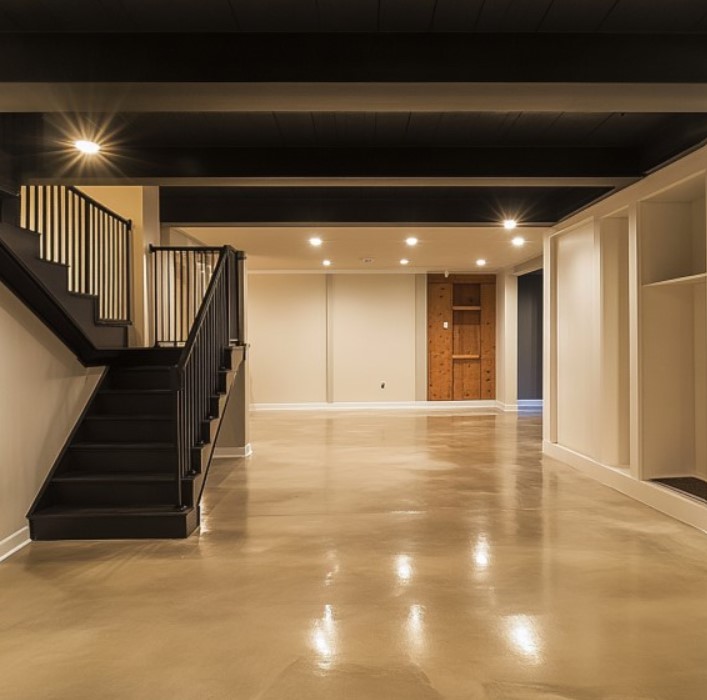
 Imagine you’ve just descended the stairs to your basement, only to find a disheartening puddle forming at the base of the wall. You’re not alone in this struggle – many homeowners like yourself grapple with the problem ofwater seeping into their basements.The good news is, you’re not powerless against it. There are several effective strategies you can employ to stop this pesky seepage and reclaim your dry, usable space.Stick around, and you’ll discover how to:
- Identify the source of the seepage,
- Understand the principles of basement waterproofing,
- Choose the right repair method,
- Implement preventative measures, and
- Maintain a dry basement.
Essential Takeaways for Preventing Water Seepage in BasementsKey Takeaways
- Regularly inspect basement walls and floors for signs of moisture
- Choose the appropriate basement waterproofing method based on the specific seepage issue
- Implement preventative measures such as improving drainage and installing a sump pump
- Maintain a dry basement through timely repairs and adequate ventilation
Identifying the Source of Seepage
Before you can effectively stop water from seeping into your basement walls, it’s crucial to accurately identify the source of the seepage. The water could be coming from a variety of places, such as cracks in the walls or floor, window wells, or even from the outside, such as from a leaky gutter or downspout. It could also be the result of a high water table or poor soil drainage around your home.Start with a close inspection of your basement. Look for signs of moisture or dampness on the walls or floor. You’re not just looking for obvious wet spots, but also for signs of efflorescence – that’s a white, powdery substance that can form on concrete when water evaporates from it.Next, check the outside of your home. Make sure gutters and downspouts are properly directing water away from your foundation. If you see water pooling near your home after a rainfall, that’s a strong sign the landscape design or drainage system isn’t working effectively.Understanding Basement Waterproofing
After identifying potential sources of water seepage in your basement, it’s essential to comprehend the concept of basement waterproofing to effectively address the issue. Basement waterproofing involves techniques and materials used to prevent water from penetrating your basement. It’s a crucial step to maintain the structural integrity of your home and to keep your basement dry.Now, let’s break down the process into three primary elements:- Interior Water Drainage:This is the first line of defense against water seepage. It involves the installation of drain tiles or channels at the base of your interior basement walls to collect and divert water away from your home.
- Exterior Waterproofing:This method, often referred to as ‘positive side’ waterproofing, involves applying a waterproof barrier or membrane on the outside of your basement walls. This prevents water from making contact with the walls.
- Waterproof Coatings and Sealants:These are applied to the interior walls of your basement to prevent moisture from seeping in. Most coatings are designed to work even under high hydrostatic pressure.
Choosing the Right Repair Method
How do you choose the right repair method to stop water from seeping into your basement walls? It’s crucial to begin by assessing the extent and source of the problem. If you’re experiencing minor condensation, a dehumidifier might be sufficient. However, if you’re seeing water stains or puddles, the issue could be more severe.In cases of more significant water infiltration, you’ll likely need professional help. Options include interior water drainage, exterior waterproofing, or crack injections, depending on the problem’s origin. Interior water drainage reroutes water that’s made it inside, while exterior waterproofing stops water before it enters. Crack injections seal off any points of entry for water.You should also consider factors like cost, the time required for repair, and potential disruption to your home. Some solutions might be more affordable but require more frequent maintenance, while others might offer a long-term solution but at a higher cost.Implementing Preventative Measures
To prevent future water seepage, it’s essential to implement certain measures that can reduce the risk of basement water damage. By taking preventative steps, you’ll not only be safeguarding your basement but also extending the lifespan of your home’s overall structure.Here are three key steps you should consider:- Improve Drainage:Ensure your home’s gutters are clean and working properly. They should divert water at least five feet away from your home’s foundation. Additionally, the soil around your house should slope away to prevent water from accumulating near the foundation.
- Install a Sump Pump:If your basement is prone to flooding, consider installing a sump pump. This device collects excess water and pumps it away from your home, effectively keeping your basement dry.
- Waterproof Your Basement Walls:Apply a waterproofing sealant to your basement walls. This step will create a barrier that prevents water from seeping through. Additionally, consider installing a waterproofing membrane for extra protection.
Maintaining a Dry Basement
Once you’ve taken these preventative measures, it’s crucial to stay vigilant in maintaining a dry basement, an effort that will protect your home from potential water damage in the long run. This process includes regular inspections, swift repairs, and adequate ventilation.Regular inspections are vital to quickly identify any new cracks or leaks. Don’t neglect this task, as small issues can quickly become significant problems if left unattended.| Activity | Frequency | Importance |
| Inspections | Every 3 months | Locate new cracks |
| Repairs | As needed | Prevent water seepage |
| Ventilation | Continuous | Reduce humidity |
Frequently Asked Questions
What Type of Professional Should I Hire to Fix My Basement’s Water Seepage Problem?
Ironically, you’re not looking for a plumber, but a basement waterproofing contractor. They’re specialists in preventing water seepage in basements. They’ll inspect your basement, identify the source of the water seepage, and recommend the best solution.This might include installing a sump pump, sealing cracks, or applying a waterproof coating. It’s crucial to hire a reputable contractor with good reviews and a solid warranty on their work.How Much Does It Typically Cost to Repair a Leaking Basement?
The cost to repair a leaking basement can vary greatly depending on the severity of the leak and the chosen method of repair. On average, you’re looking at a range from $500 to $10,000.Small cracks can be fixed for less than $500, while more extensive repairs such as installing a drainage system or an interior water control system can cost up to $10,000.Always get multiple estimates before making a decision.Can Water Seepage in My Basement Lead to Structural Damage in My Home?
Ever considered the long-term effects of water seeping into your basement? Yes, it can indeed lead to structural damage in your home. Water infiltration weakens the foundation, causing cracks and instability. Over time, it can compromise the structural integrity of your house, making it unsafe.Don’t underestimate water damage. It’s not just a nuisance, it’s a serious threat to your home’s safety and value.Will Homeowners Insurance Cover the Cost of Repairing Water Damage in My Basement?
Typically, homeowners insurance might not cover water damage from seepage or leaks. It’s often viewed as a maintenance issue that you’re responsible for.However, if the damage is sudden and accidental, like from a burst pipe, they may cover it. You’d need to check your specific policy details.It’s also a good idea to consider additional coverage for floods or water backup, which aren’t usually included in standard policies.Are There Health Risks Associated With Long-Term Water Seepage in a Basement?
Yes, there are health risks associated with long-term water seepage in your basement. Prolonged exposure to damp and moldy environments may cause respiratory issues and allergic reactions. These can range from nasal stuffiness, throat irritation, coughing, or wheezing, to more severe reactions like skin irritation, and asthma development.It’s vital to address the seepage issue promptly, not just for the structural integrity of your home, but for your health too.Conclusion
Tackling water seepage in your basement is like solving a complex puzzle, but with the right knowledge, tools, and plan, you can conquer it.Understand the source, choose an appropriate repair method, implement preventative measures, and maintain a dry environment.Remember, a watertight basement isn’t an overnight victory, it requires diligence and consistency.You’re one step closer to turning your damp basement into a dry, comfortable living space.
Ohio State Waterproofing has provided quality service with over 90,000 successful waterproofing and foundation repair installations and satisfied customers since our inception in 1978.
Ohio State Waterproofing’s philosophy for success is to provide honest, courteous and guaranteed service to every customer. Our reputation reflects this. Our well-trained waterproofing technicians are dedicated to complete customer satisfaction. This is achieved through fast, efficient processes as well as teamwork throughout this organization. You will always find a friendly representative willing to meet your needs at Ohio State Waterproofing.
We are a full service company that handles problems ranging from patching cracks to rebuilding basements. In addition, we hold three patents related to waterproofing that make us unique in the industry. These patents and our experience allow us to be able to do what every other waterproofer can do, but no one else can do what we do.
We are actively involved in the industry and community, including the National Association of Waterproofing Contractors, BHA, NARI, NAHB, NHIA, the BIA, the FHA and a number of consumer advocacy groups, as well as playing leading roles in a number of charitable functions.
But, most importantly, our highest degree of praise comes from the thousands of referrals we get from satisfied customers. Together they’ve made us a leader in the basement waterproofing and foundation repair industry.
