
Crawlspace waterproofing is a critical component of maintaining a healthy and structurally sound home. Moisture in crawlspaces can lead to a host of issues, including mold growth, wood rot, and poor indoor air quality. This comprehensive guide will delve into the methods, procedures, and best practices for effective crawlspace waterproofing, ensuring your home remains dry and safe.
Understanding Crawlspace Moisture Issues
Causes of Moisture in Crawlspaces

Crawlspaces are particularly susceptible to moisture problems due to their proximity to the ground. Common sources of moisture include:
- Groundwater Seepage: Water from the soil can infiltrate the crawlspace, especially in areas with high water tables or poor drainage.
- Rainwater: Improperly directed rainwater can enter the crawlspace through cracks or gaps in the foundation.
- Condensation: Humid air entering the crawlspace can condense on cooler surfaces, adding to moisture levels.
- Plumbing Leaks: Leaky pipes within or above the crawlspace can introduce water.
Consequences of Moisture in Crawlspaces
Unchecked moisture in crawlspaces can lead to:
- Structural Damage: Wood rot and corrosion of metal components can compromise the structural integrity of the home.
- Mold and Mildew Growth: These can spread throughout the house, affecting indoor air quality and potentially causing health issues.
- Pest Infestations: Moist environments attract pests such as termites, which can cause further damage.
- Energy Inefficiency: Damp insulation is less effective, leading to higher energy costs.
Assessing Your Crawlspace
Initial Inspection
Begin with a thorough inspection of your crawlspace to identify the sources and extent of moisture. Key areas to examine include:
- Foundation Walls and Floor: Look for cracks, gaps, and signs of water seepage.
- Ventilation Openings: Check for blockages or improper sealing.
- Insulation: Inspect for dampness, mold, and damage.
- Plumbing: Examine pipes for leaks or condensation.
- Drainage Systems: Ensure that gutters and downspouts direct water away from the foundation.
Measuring Moisture Levels
Using a moisture meter, measure the moisture levels in various areas of the crawlspace. Relative humidity should ideally be below 60%. Higher levels indicate a need for dehumidification and waterproofing measures.
Crawlspace Waterproofing Methods
Exterior Waterproofing
- Grading and Landscaping
Proper grading ensures that water flows away from the foundation. The ground around the home should slope away at a gradient of at least 5% for the first 10 feet. Additionally, consider landscaping solutions such as swales or French drains to direct water away.
- Gutters and Downspouts
Install gutters and downspouts to effectively channel rainwater away from the foundation. Downspouts should extend at least 5 feet from the house.
- Exterior Drainage Systems
Install a perimeter drainage system around the foundation. This typically involves digging a trench around the house, laying perforated pipe surrounded by gravel, and covering it with a geotextile fabric to prevent soil infiltration. This system directs water away from the foundation, reducing the risk of seepage.
- Waterproof Membranes and Coatings
Apply waterproof membranes or coatings to the exterior foundation walls. These barriers prevent water from penetrating the foundation. Common materials include asphalt-based coatings, rubberized membranes, and liquid-applied waterproofing solutions.
Interior Waterproofing
- Vapor Barriers
Installing a vapor barrier is one of the most effective ways to control moisture in crawlspaces. A vapor barrier is typically a thick plastic sheet (at least 6 mil) that covers the crawlspace floor and walls, creating a continuous barrier against ground moisture.
Installation Steps:
- Prepare the Area: Clear the crawlspace of debris and smooth the ground.
- Install the Barrier: Spread the plastic sheet over the floor and up the walls. Overlap seams by at least 12 inches and seal them with waterproof tape.
- Seal Edges and Penetrations: Use waterproof tape or adhesive to secure the barrier to walls and around any penetrations.
- Interior Drainage Systems
Similar to exterior systems, interior drainage systems involve installing perforated pipe along the interior perimeter of the crawlspace. This pipe collects water and directs it to a sump pump, which expels it away from the foundation.
- Sump Pumps
A sump pump is essential for areas prone to flooding or high water tables. It collects water from the drainage system and pumps it out of the crawlspace. Ensure the pump has a reliable power source, ideally with a battery backup in case of power outages.
- Dehumidifiers
A dehumidifier can help maintain low humidity levels in the crawlspace, preventing condensation and mold growth. Choose a unit specifically designed for crawlspaces and monitor it regularly to ensure it operates efficiently.
Structural Repairs and Enhancements
- Foundation Crack Repair
Repair any cracks or gaps in the foundation walls and floor using hydraulic cement or epoxy injections. This prevents water from seeping through the foundation.
- Insulation
Proper insulation helps regulate temperature and prevent condensation. Use closed-cell spray foam or rigid foam insulation, as these materials are moisture-resistant and provide a vapor barrier.
- Crawlspace Encapsulation
Encapsulation involves sealing the entire crawlspace with a vapor barrier, insulation, and airtight covers for vents and doors. This creates a controlled environment, reducing moisture and improving energy efficiency.
Maintenance and Monitoring
Regular Inspections
Conduct regular inspections of your crawlspace, especially after heavy rains or seasonal changes. Look for signs of moisture, damage, or pest activity.
Monitoring Humidity Levels
Use a hygrometer to monitor the humidity levels in your crawlspace. Aim to keep it below 60% to prevent mold growth and structural damage.
Sump Pump Maintenance
Regularly test your sump pump to ensure it functions correctly. Clean the pump and check for any obstructions or mechanical issues. Replace the battery backup as needed.
Dehumidifier Maintenance
Clean the dehumidifier filter regularly and ensure the unit drains properly. Check the manufacturer’s recommendations for maintenance and servicing.
Professional Assistance
When to Call a Professional
While many waterproofing tasks can be handled by homeowners, certain situations require professional intervention. Consider hiring a professional if:
- Extensive Structural Damage: Significant cracks, bowing walls, or other structural issues need expert repair.
- Persistent Moisture Problems: If moisture issues persist despite your efforts, a professional can diagnose and address the underlying causes.
- Comprehensive Encapsulation: Professional encapsulation ensures all components are installed correctly and function as a cohesive system.
Choosing a Waterproofing Professional
When selecting a waterproofing professional, consider the following: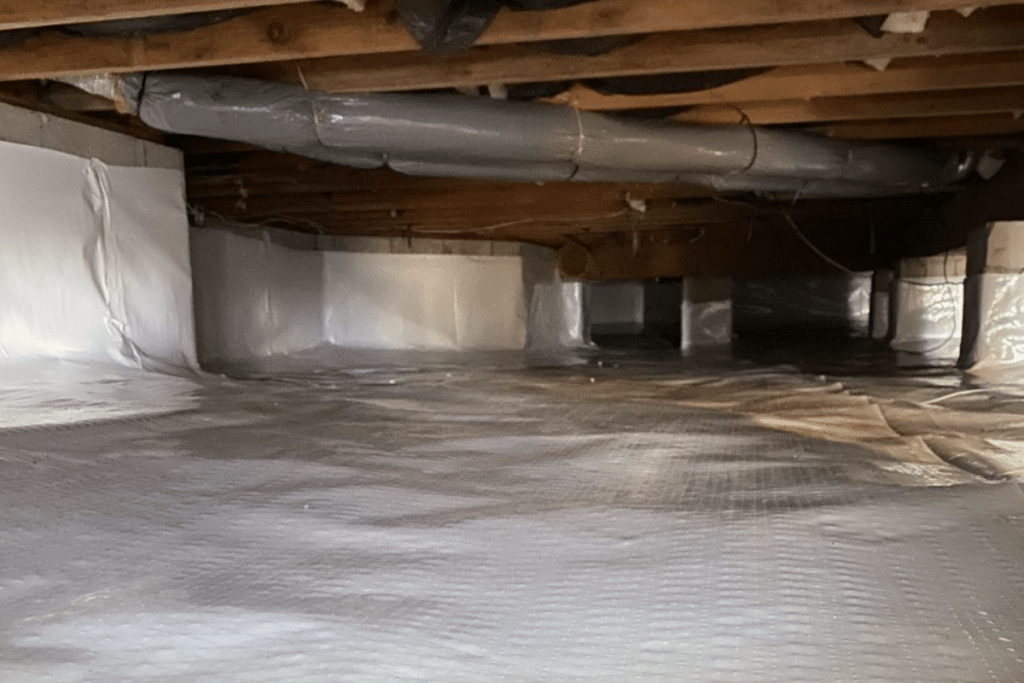
- Experience and Expertise: Choose a company with extensive experience in crawlspace waterproofing.
- References and Reviews: Check references and online reviews to gauge the quality of their work.
- Warranty and Guarantees: Ensure they offer warranties on their work and materials.
- Licensing and Insurance: Verify that the company is licensed and insured.
Crawlspace waterproofing is a critical aspect of home maintenance that protects against structural damage, mold growth, and poor indoor air quality. By understanding the sources of moisture, implementing effective waterproofing methods, and maintaining the crawlspace, you can ensure a dry and healthy environment for your home. Whether you undertake the task yourself or seek professional assistance, comprehensive crawlspace waterproofing is a worthwhile investment in the longevity and health of your home.
Contact the Professionals at Ohio State Waterproofing Today! 330-467-1055

Ohio State Waterproofing has provided quality service with over 90,000 successful waterproofing and foundation repair installations and satisfied customers since our inception in 1978.
Ohio State Waterproofing’s philosophy for success is to provide honest, courteous and guaranteed service to every customer. Our reputation reflects this. Our well-trained waterproofing technicians are dedicated to complete customer satisfaction. This is achieved through fast, efficient processes as well as teamwork throughout this organization. You will always find a friendly representative willing to meet your needs at Ohio State Waterproofing.
We are a full service company that handles problems ranging from patching cracks to rebuilding basements. In addition, we hold three patents related to waterproofing that make us unique in the industry. These patents and our experience allow us to be able to do what every other waterproofer can do, but no one else can do what we do.
We are actively involved in the industry and community, including the National Association of Waterproofing Contractors, BHA, NARI, NAHB, NHIA, the BIA, the FHA and a number of consumer advocacy groups, as well as playing leading roles in a number of charitable functions.
But, most importantly, our highest degree of praise comes from the thousands of referrals we get from satisfied customers. Together they’ve made us a leader in the basement waterproofing and foundation repair industry.

