
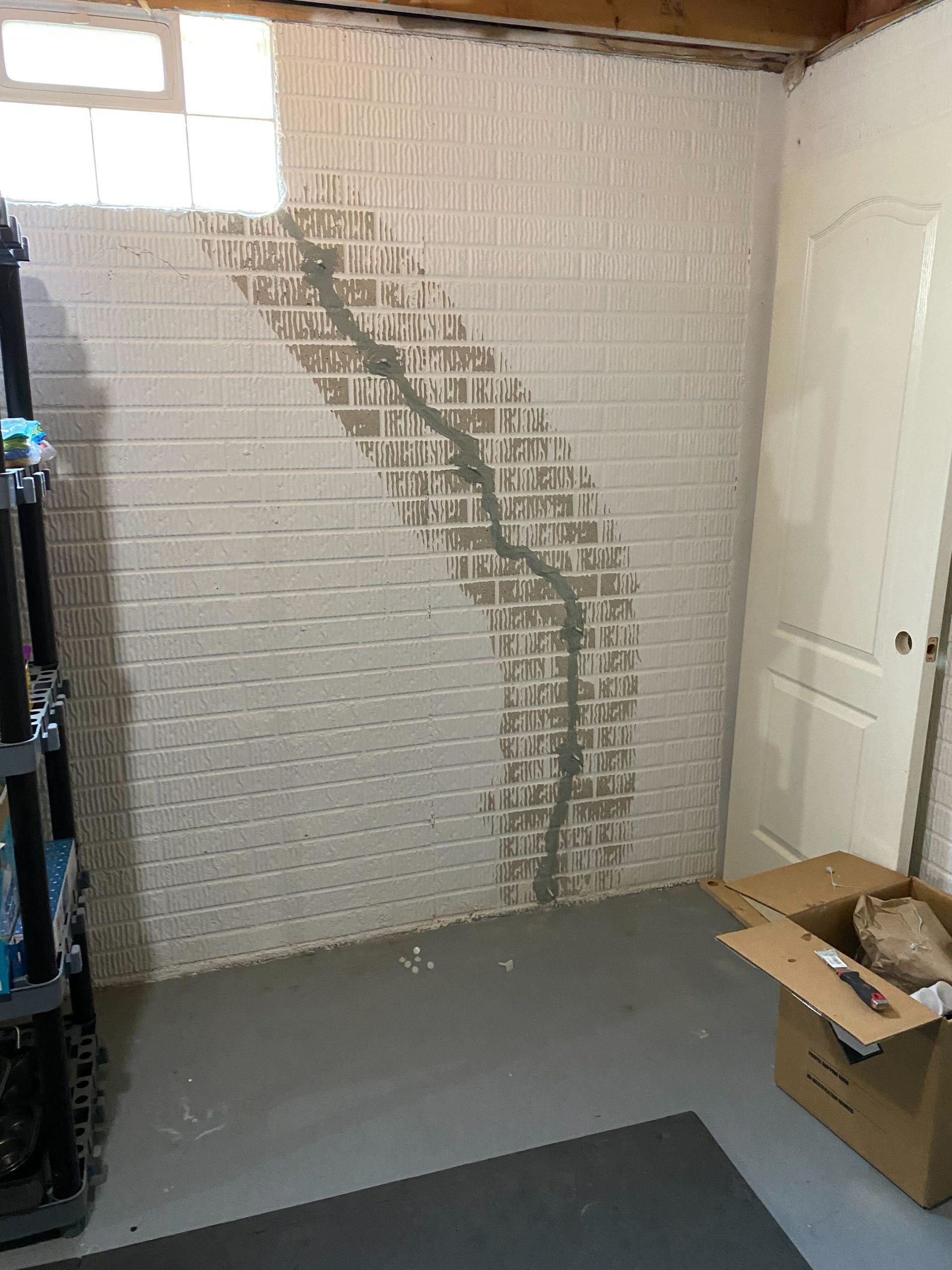
 When it comes to safeguarding your home’s foundation and basement, it’s crucial to address potential issues before they escalate. Imagine a scenario where the rainy season arrives, and your basement starts showing signs of water intrusion or your foundation exhibits worrisome cracks.
Understanding the common causes of these problems and the necessary steps for waterproofing and repair can make all the difference in maintaining your property’s structural integrity. Let’s explore the essential aspects of basement waterproofing and foundation repair to help you secure your home against potential damage.
Essential Basement Waterproofing and Foundation Repair TipsKey Takeaways
- Proper drainage maintenance and grading soil away from the foundation are crucial for preventing water seepage and foundation damage.
- Basement waterproofing techniques like installing French drain systems and applying waterproofing membranes can effectively divert water away from the foundation.
- Foundation repair methods such as using concrete piers, steel piers, and helical piers provide stability and support for addressing foundation issues.
- Preventative maintenance strategies like regular inspections for water damage indicators and keeping gutters clear are essential for long-term foundation protection.
Common Causes of Basement Water Intrusion
Basement water intrusion commonly occurs due to poor drainage around the foundation of a building. When the soil around your foundation becomes oversaturated with water, hydrostatic pressure can build up, causing water to seep through cracks, joints, or porous concrete. This pressure forces water into your basement, leading to dampness, mold growth, and structural damage over time.
To prevent basement water intrusion caused by poor drainage, it’s essential to ensure that your downspouts and gutters are directing water away from the foundation. Regularly inspecting and maintaining your drainage system can help prevent water from pooling around the base of your home.
Additionally, grading the soil away from the foundation can also help improve drainage and prevent water from accumulating near the basement walls. Installing a proper waterproofing system, such as a French drain or a sump pump, can further safeguard your basement against water intrusion due to poor drainage.
Signs of Foundation Damage to Watch For
What are the key indicators of foundation damage that homeowners should be vigilant about?
Recognizing early signs of foundation damage is crucial for preventing extensive structural issues. One common indicator is cracks in the foundation walls or floors. Vertical cracks are often caused by normal settling, but horizontal cracks could signify more severe problems.
Keep an eye out for doors and windows that suddenly stick or no longer close properly, as this could indicate a shifting foundation. Sloping or uneven floors, especially in older homes, may also point to underlying foundation issues.
Pay attention to gaps between walls, ceilings, and floors, as these separations can signal foundation movement. Additionally, moisture or mold in basements or crawl spaces can indicate water seepage due to foundation cracks.
Regularly inspecting your home for these signs can help you catch foundation damage early and avoid costly repairs in the future.
Essential Steps for Basement Waterproofing
Implementing proper drainage systems is crucial for effectively waterproofing your basement. Start by ensuring that your gutters and downspouts are directing water away from your foundation.
Next, consider installing a French drain system around the perimeter of your basement to collect and divert groundwater. This system typically consists of a perforated pipe buried in gravel and can significantly reduce the risk of water seepage.
Additionally, applying a waterproofing membrane to the exterior foundation walls can prevent moisture from penetrating into your basement. Inside, consider sealing any cracks in the walls or floors with hydraulic cement to prevent water intrusion.
Installing a sump pump with a backup battery is also essential to remove any water that does make its way into your basement.
Finally, maintaining your drainage systems and waterproofing materials is key to ensuring long-term protection against water damage.
Different Methods for Foundation Repair
When addressing foundation repair, it is essential to assess the structural integrity of the building to determine the most suitable method for remediation. Different methods for foundation repair are available based on the specific issues identified. Here are some common methods used in the industry:
| Method | Description |
| Concrete Piers | Used to stabilize and level foundations by driving concrete piers into the soil. |
| Steel Piers | Similar to concrete piers but using steel for added strength and durability. |
| Helical Piers | Twisted steel piers screwed into the ground to provide stability and support. |
| Slabjacking | Technique to raise sunken concrete slabs by pumping a grout mixture underneath. |
| Plate Anchors | Utilized for bowing or leaning walls by anchoring plates in the soil outside. |
Choosing the appropriate method depends on factors like soil conditions, severity of foundation damage, and structural requirements. Consulting with a professional engineer is recommended to determine the most effective solution for your foundation repair needs.
Maintenance Tips to Prevent Future Issues
To prevent future issues with your foundation, regular inspection and maintenance are crucial. Start by checking for any signs of water damage, such as mold, mildew, or musty odors. Ensure that your gutters and downspouts are clear of debris to direct water away from the foundation. Inspect the grading around your home to make sure it slopes away from the foundation to prevent water from pooling. Seal any cracks in the foundation promptly to prevent water infiltration.
Monitor the drainage systems, including sump pumps and French drains, to ensure they’re functioning correctly. Test the sump pump by pouring water into the pit to activate the pump and verify proper drainage. Consider installing a battery backup system for the sump pump to prevent flooding during power outages. Keep trees and shrubs near the foundation trimmed to prevent roots from causing damage.
Regularly inspect the foundation for cracks, leaks, or bulging walls. Address any issues promptly to prevent them from escalating into more significant problems. By following these maintenance tips, you can help prevent future foundation issues and protect the structural integrity of your home.
Frequently Asked Questions
Is Basement Waterproofing a DIY Project or Should It Be Left to Professionals?
Basement waterproofing can be a challenging task requiring specialized knowledge and equipment. While some DIY options exist, such as applying sealants, complex issues like foundation cracks are best left to professionals.
Professional waterproofing ensures thorough assessment, proper solutions, and long-term protection against water damage. Consider consulting experts to avoid potential risks and ensure effective waterproofing for your basement.
How Can I Determine if My Home Insurance Policy Covers Foundation Repair or Basement Waterproofing?
To determine if your home insurance policy covers foundation repair or basement waterproofing, review your policy documents carefully. Look for clauses related to structural damage and water damage. Contact your insurance provider for clarification on coverage specifics.
Keep in mind that coverage can vary based on the cause of the damage and the policy terms. Understanding your insurance coverage is crucial before beginning any repair work to avoid unexpected costs.
What Are the Potential Long-Term Consequences of Ignoring Foundation Damage or Basement Water Intrusion?
Ignoring foundation damage or basement water intrusion can lead to severe structural issues in your home. Over time, untreated problems may cause walls to crack, floors to slope, and doors/windows to stick.
Water intrusion can result in mold growth, compromising indoor air quality and posing health risks. Addressing these issues promptly is crucial to prevent further damage and maintain the integrity of your home’s foundation.
Are There Any Environmentally-Friendly Options for Basement Waterproofing and Foundation Repair?
When considering basement waterproofing and foundation repair, you can opt for environmentally-friendly solutions. These options may include using water-based sealants, eco-friendly drainage systems, and sustainable foundation materials.
How Can I Prevent Water Intrusion From Outdoor Landscaping or Drainage Issues Around My Home?
To prevent water intrusion from outdoor landscaping or drainage issues around your home, there are several proactive steps you can take:
- Ensure proper grading away from the foundation.
- Install downspout extensions to divert water.
- Maintain gutters clean and functional.
- Use strategic landscaping to direct water flow away from the house.
- Consider French drains or dry wells to manage excess water.
- Regularly inspect the exterior for any signs of water pooling or damage to address promptly.
Conclusion
In conclusion, basement waterproofing and foundation repair are crucial for maintaining the structural integrity of your home. By identifying common causes of water intrusion and signs of foundation damage, you can take proactive steps to protect your property.
Implementing proper waterproofing techniques and choosing the right foundation repair method can prevent future issues. Regular maintenance is key to ensuring the long-term stability and safety of your basement and foundation.

Ohio State Waterproofing has provided quality service with over 90,000 successful waterproofing and foundation repair installations and satisfied customers since our inception in 1978.
Ohio State Waterproofing’s philosophy for success is to provide honest, courteous and guaranteed service to every customer. Our reputation reflects this. Our well-trained waterproofing technicians are dedicated to complete customer satisfaction. This is achieved through fast, efficient processes as well as teamwork throughout this organization. You will always find a friendly representative willing to meet your needs at Ohio State Waterproofing.
We are a full service company that handles problems ranging from patching cracks to rebuilding basements. In addition, we hold three patents related to waterproofing that make us unique in the industry. These patents and our experience allow us to be able to do what every other waterproofer can do, but no one else can do what we do.
We are actively involved in the industry and community, including the National Association of Waterproofing Contractors, BHA, NARI, NAHB, NHIA, the BIA, the FHA and a number of consumer advocacy groups, as well as playing leading roles in a number of charitable functions.
But, most importantly, our highest degree of praise comes from the thousands of referrals we get from satisfied customers. Together they’ve made us a leader in the basement waterproofing and foundation repair industry.
