3 Types of Foundation Wall Cracks and Repair Methods in Cleveland, OH
The appearance of cracks on your building’s foundation can make you fret. You will certainly get worried when you see cracks because you may not be familiar with the causes of these cracks and the impact that the cracks have on your building. Therefore, it is important to get adequate information aboutfoundation wall cracks. In this article, you will learn about 3 types of foundation wall cracks and the methods of repairing them.
Types offoundation wall cracks
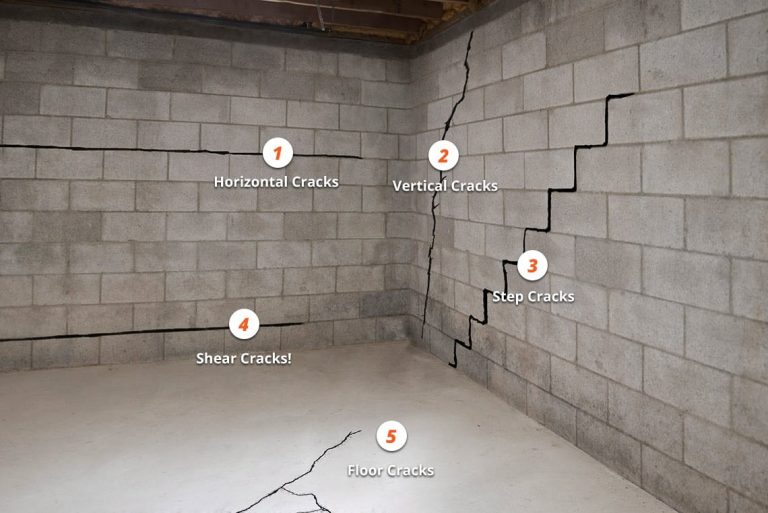
Vertical cracks
Vertical foundation cracks are quite common and they often occur within a short period after construction. Vertical cracks arise largely due to poor construction work or because of the shrinking and curing of the foundation concrete. While vertical cracks are less likely to cause structural problems to a building, they can allow water to percolate into the building’s basement.
Horizontal cracks
Horizontal cracks in a foundation indicate that the foundation has serious structural problems. The cracks occur where the foundation is not strong enough to accommodate the weight of the structure.
Horizontal cracks can also be caused by heavy pressure from the soil that surrounds the foundation. This occurs when soil that is saturated with water exerts pressure on the foundation wall from outside, resulting in bowing or bending of the wall. When the foundation wall bends, horizontal cracks need to be repaired immediately.
Stair step cracks
Stair step cracks are not as dangerous as horizontal cracks, but they can still pose a threat to a building. Stair step cracks result from the shifting or settling of the foundation and also need to be inspected and repaired by a competent foundation repair contractor.
How to repairfoundation wall cracks
The methods of repairing cracks vary depending on the type and extent of the cracks. Below are some crack repair techniques.
Caulking: Caulking involves adding caulk in the crack spaces. You need to hire a competent technician to ensure that the caulk bonds with the concrete and effectively seals the crack.
Filling the crack: Methods such as filling the crack with epoxy or urethane can be used to repair cracks.
Use of the StablWall System: The problem with methods such as caulking and filling the crack with epoxy or urethane is that the cracks are likely to reappear as the foundation expands and contracts over time. The StablWall System uses a carbon fiber wall bracing technology that when applied to a crack, prevents further crack expansion and wall bowing.Contact the professionals at Ohio State Waterproofing today! (330) 467-1055
Ohio State Waterproofing has provided quality service with over 90,000 successful waterproofing and foundation repair installations and satisfied customers since our inception in 1978.
Ohio State Waterproofing’s philosophy for success is to provide honest, courteous and guaranteed service to every customer. Our reputation reflects this. Our well-trained waterproofing technicians are dedicated to complete customer satisfaction. This is achieved through fast, efficient processes as well as teamwork throughout this organization. You will always find a friendly representative willing to meet your needs at Ohio State Waterproofing.
We are a full service company that handles problems ranging from patching cracks to rebuilding basements. In addition, we hold three patents related to waterproofing that make us unique in the industry. These patents and our experience allow us to be able to do what every other waterproofer can do, but no one else can do what we do.
We are actively involved in the industry and community, including the National Association of Waterproofing Contractors, BHA, NARI, NAHB, NHIA, the BIA, the FHA and a number of consumer advocacy groups, as well as playing leading roles in a number of charitable functions.
But, most importantly, our highest degree of praise comes from the thousands of referrals we get from satisfied customers. Together they’ve made us a leader in the basement waterproofing and foundation repair industry.
foundation, water, drainage, soil, wall, waterproofing, insurance, basement, leak, basement waterproofing, crawl space, epoxy, foam, construction, flood, inspection, concrete slab, concrete, plumbing, mortar, brick, floor, engine, pest, moisture, concrete block, drywall, inch, maintenance, carbon, cement, root, sump pump, mold, clay, foundation crack, settlement cracks, crack repair, diagonal foundation cracks, horizontal cracks, foundation issues, foundation repair, foundation settlement, foundation problems, foundation slab cracks, foundation repair solutions, hairline foundation cracks, cracked foundation, foundation damage, fix foundation cracks, basement crack repair, basement wall crack repair, basement wall repair, foundation crack repair near me, basement wall repair near me, leaking basement wall, basement crack repair near me, crack in basement wall, basement wall leak repair, foundation leak repair cost, rain, attention, water damage, polyurethane, password, french drain, space, tree, ceiling, frost heaving, downspout, fiber, pier, warranty, pressure, steel, home inspection, javascript, sealant, pump, cost, policy, masonry, radon, expert, zip code, home improvement, rss, chimney, evaluation, opinion, wall cracks, foundation crack repair, foundation cracks, vertical foundation cracks, window, inspector, diagonal, wood, roof, sump, house, mildew, risk, paint, design, tile, stress, landscape, knowledge, reinforcement, soil compaction, real, slab, walls, repair, account, vertical cracks, normal foundation cracks, basement walls, concrete crack repair, foundation walls, wall repair, concrete slab foundation, hairline cracks, free foundation, foundation wall, stucco, information, engineer, basement floor cracks, doors and windows, foundation repair cost, diagonal cracks, foundation wall crack, basement wall cracks, crawl space repair, foundation repair company, structural foundation crack, restoration, infiltration, indoor air quality, frost, retaining wall, horizontal foundation cracks, dehumidifier, health, evaporation, types of concrete, virginia, building code, concrete basement, systems, settlement, basement floor, tip, concrete foundation, anchor, rebar, stair step cracks, horizontal crack, cracks in walls, pro, drywall cracks, horizontal foundation crack repair cost, customer, groundwater, climate, customer service, plaster
Frequently Asked Questions
How do I fill a horizontal crack in a basement wall?
Filling a horizontal crack in a basement wall involves cleaning the crack, using a concrete patching compound or epoxy injection, and ensuring proper sealing to prevent moisture intrusion. For best results, consider consulting a professional.
What are the signs of foundation cracks in a crawl space?
The signs of foundation cracks in a crawl space include visible cracks in the foundation walls, uneven floors, and doors or windows that stick or do not close properly. Additionally, water intrusion or mold growth may indicate underlying foundation issues.
What are the common causes of a cracked foundation?
The common causes of a cracked foundation include soil movement due to moisture changes, poor drainage, and freeze-thaw cycles. Additionally, inadequate construction practices and settling can contribute to these structural issues.
Is a horizontal crack in a basement wall a big deal?
A horizontal crack in a basement wall is a significant concern. It often indicates serious structural issues, such as soil pressure or foundation settlement, which can lead to further damage if not addressed promptly.
What are the signs of a horizontal crack in a basement wall?
The signs of a horizontal crack in a basement wall include visible cracks that run parallel to the floor, bulging or bowing walls, and water seepage. These indicators suggest potential structural issues that may require professional assessment and repair.
What causes horizontal cracks in basement walls?
The causes of horizontal cracks in basement walls include excessive soil pressure from hydrostatic pressure, poor drainage, or expansive soils. These factors can lead to significant structural issues if not addressed promptly.
What are the signs of a cracked foundation in walls?
The signs of a cracked foundation in walls include visible cracks, uneven floors, doors and windows that stick or fail to close properly, and gaps between walls and ceilings. If you notice these issues, it may indicate foundation problems that require attention.
Are horizontal cracks in basement walls common?
Horizontal cracks in basement walls are indeed common and often indicate significant structural issues. Homeowners should address these cracks promptly to prevent further damage and maintain the integrity of their foundation.
How do I repair a horizontal crack in my basement wall?
Repairing a horizontal crack in your basement wall involves cleaning the crack, injecting a polyurethane or epoxy sealant, and applying a waterproofing membrane if necessary. For best results, consider consulting a professional to ensure proper repair and prevent further issues.
Can foundation cracks cause structural damage to my house?
Foundation cracks can indeed cause structural damage to your house. If left unaddressed, these cracks may worsen over time, compromising the integrity of your home's foundation and leading to more severe issues.
Can a horizontal crack in a basement wall be a structural issue?
A horizontal crack in a basement wall can indicate a structural issue. Such cracks often result from soil pressure or foundation settlement, potentially compromising the integrity of your home. It's essential to consult a professional for assessment and repair.
How often should I inspect my foundation for cracks?
Regular foundation inspections are essential. It is recommended to check your foundation for cracks at least twice a year, ideally in the spring and fall, to catch any potential issues early and maintain structural integrity.
What causes cracks in a homes foundation walls?
The causes of cracks in a home's foundation walls include soil movement, poor drainage, temperature fluctuations, and inadequate construction practices. These factors can lead to pressure on the foundation, resulting in visible cracks that may compromise structural integrity.
What are the common types of foundation cracks?
The common types of foundation cracks include vertical cracks, which often result from settling; horizontal cracks, typically caused by soil pressure; and stair-step cracks, which appear along mortar joints in brick or block foundations.
What are the consequences of ignoring a cracked foundation?
Ignoring a cracked foundation can lead to severe structural damage, increased repair costs, and potential safety hazards. Over time, small cracks can expand, allowing water intrusion and compromising the integrity of your home.
Can a horizontal crack in a basement wall cause flooding?
Horizontal cracks in a basement wall can lead to flooding. These cracks often indicate structural issues, allowing water to seep in during heavy rainfall or when the ground is saturated, increasing the risk of basement flooding.
Can a cracked foundation be repaired permanently?
A cracked foundation can indeed be repaired permanently. With the right methods, such as underpinning or epoxy injections, professional services like Ohio State Waterproofing can restore structural integrity and prevent future issues.
How do I identify foundation cracks in my basement?
Identifying foundation cracks in your basement involves looking for visible signs such as horizontal or vertical cracks on walls, signs of moisture or water infiltration, and any unevenness in the floor. Regular inspections can help detect these issues early.
How do I identify a cracked foundation in my home?
Identifying a cracked foundation in your home involves looking for visible signs such as horizontal or vertical cracks in the walls, gaps around windows and doors, and uneven floors. If you notice any of these issues, it's essential to consult a professional.
What tools do I need for foundation crack repair?
The tools needed for foundation crack repair include a chisel, hammer, wire brush, caulk gun, epoxy or polyurethane sealant, and a trowel. These tools will help you effectively clean and fill cracks to ensure a durable repair.
How to assess the severity of foundation cracks?
Assessing the severity of foundation cracks involves examining their width, length, and depth. Small, hairline cracks may be minor, while wider, deeper cracks could indicate significant structural issues requiring professional evaluation and repair.
Are horizontal basement wall cracks reversible?
Horizontal basement wall cracks are not typically reversible. They indicate significant structural issues that require professional repair to prevent further damage and ensure the stability of your foundation.
What types of waterproofing help foundation cracks?
The types of waterproofing that help foundation cracks include interior sealants, exterior waterproofing membranes, and drainage systems. These methods effectively prevent water intrusion and protect the foundation from further damage.
How do seasonal changes affect foundation cracks?
Seasonal changes can significantly affect foundation cracks. Fluctuations in temperature and moisture levels cause soil expansion and contraction, leading to increased stress on foundation walls and the development or worsening of cracks.
What temporary solutions exist for foundation issues?
Temporary solutions for foundation issues include using hydraulic jacks to support sagging beams, applying epoxy injections for minor cracks, and utilizing exterior drainage systems to redirect water away from the foundation. These methods can help stabilize the structure until permanent repairs are made.
How to monitor foundation cracks over time?
Monitoring foundation cracks over time involves regularly inspecting the cracks for changes in size or shape. Mark the cracks with a pencil and take measurements, documenting any variations to assess whether the issue is worsening.
Can landscaping affect foundation wall stability?
Landscaping can significantly affect foundation wall stability. Poor drainage from landscaping can lead to excess moisture around the foundation, potentially causing soil erosion and weakening the structural integrity of the walls.
What specialist services are available for foundation repairs?
Specialist services available for foundation repairs include crack sealing, underpinning, slab jacking, and waterproofing. These methods address various foundation issues, ensuring structural integrity and preventing further damage.
How to prevent future cracks in my foundation?
Preventing future cracks in your foundation involves proper drainage, maintaining consistent moisture levels, and regular inspections. Ensure gutters direct water away from your home and address any signs of settling promptly.
What is the lifespan of foundation repairs?
The lifespan of foundation repairs varies based on the repair method used and the underlying issues addressed. Generally, well-executed repairs can last between 10 to 30 years, ensuring long-term stability for your foundation.
cracked foundation, cracks in foundation, basement wall cracks, cracks in foundation walls, crack in foundation wall, foundation wall repair, horizontal crack in basement wall
Understanding Foundation Wall Cracks
Foundation wall cracks can be a source of concern for homeowners, as they may indicate underlying structural issues. It is crucial to differentiate between the types of cracks to assess their severity and determine the appropriate repair methods. By understanding the nature of these cracks, homeowners can take proactive steps to maintain their property's integrity.
Common types of foundation wall cracks include vertical, horizontal, and stair-step cracks. Vertical cracks typically arise from settling and are often less serious, while horizontal cracks may indicate significant pressure from soil or water. Stair-step cracks, which follow the mortar joints in brick or block foundations, can also signal potential problems. Recognizing these distinctions is essential for effective repair and prevention strategies.
Common Causes of Foundation Cracks
Foundation cracks can result from various factors, including soil movement, poor drainage, and temperature fluctuations. Understanding these causes is vital for homeowners to implement preventive measures and avoid costly repairs. Identifying the root cause allows for targeted solutions that address the issue effectively.
Soil movement due to moisture changes, freeze-thaw cycles, and inadequate drainage can exert pressure on foundation walls, leading to cracks. Additionally, construction practices that do not adhere to standards can exacerbate these issues. By addressing these causes, homeowners can significantly reduce the risk of developing foundation cracks.
Repair Methods for Foundation Cracks
Repairing foundation cracks is essential to prevent further damage and maintain the structural integrity of a home. Various methods are available, depending on the type and severity of the crack. Homeowners should be aware of the most effective techniques to ensure lasting repairs.
Common repair methods include epoxy injections for minor cracks, carbon fiber reinforcement for bowing walls, and underpinning for significant structural issues. Each method has its specific application and effectiveness, and consulting with a professional can help determine the best approach for a particular situation. Proper repair not only fixes the current issue but also helps prevent future problems.
Preventive Measures for Foundation Integrity
Preventing foundation cracks is crucial for maintaining a healthy home environment. Homeowners can take several proactive steps to minimize the risk of developing cracks, ensuring the longevity and stability of their foundation. Regular maintenance and awareness of environmental factors play a significant role in prevention.
Key preventive measures include maintaining proper drainage around the foundation, ensuring gutters and downspouts direct water away from the home, and performing regular inspections for signs of moisture intrusion. Additionally, landscaping should be designed to avoid excess water accumulation near the foundation. By implementing these strategies, homeowners can significantly reduce the likelihood of foundation issues arising in the future.