
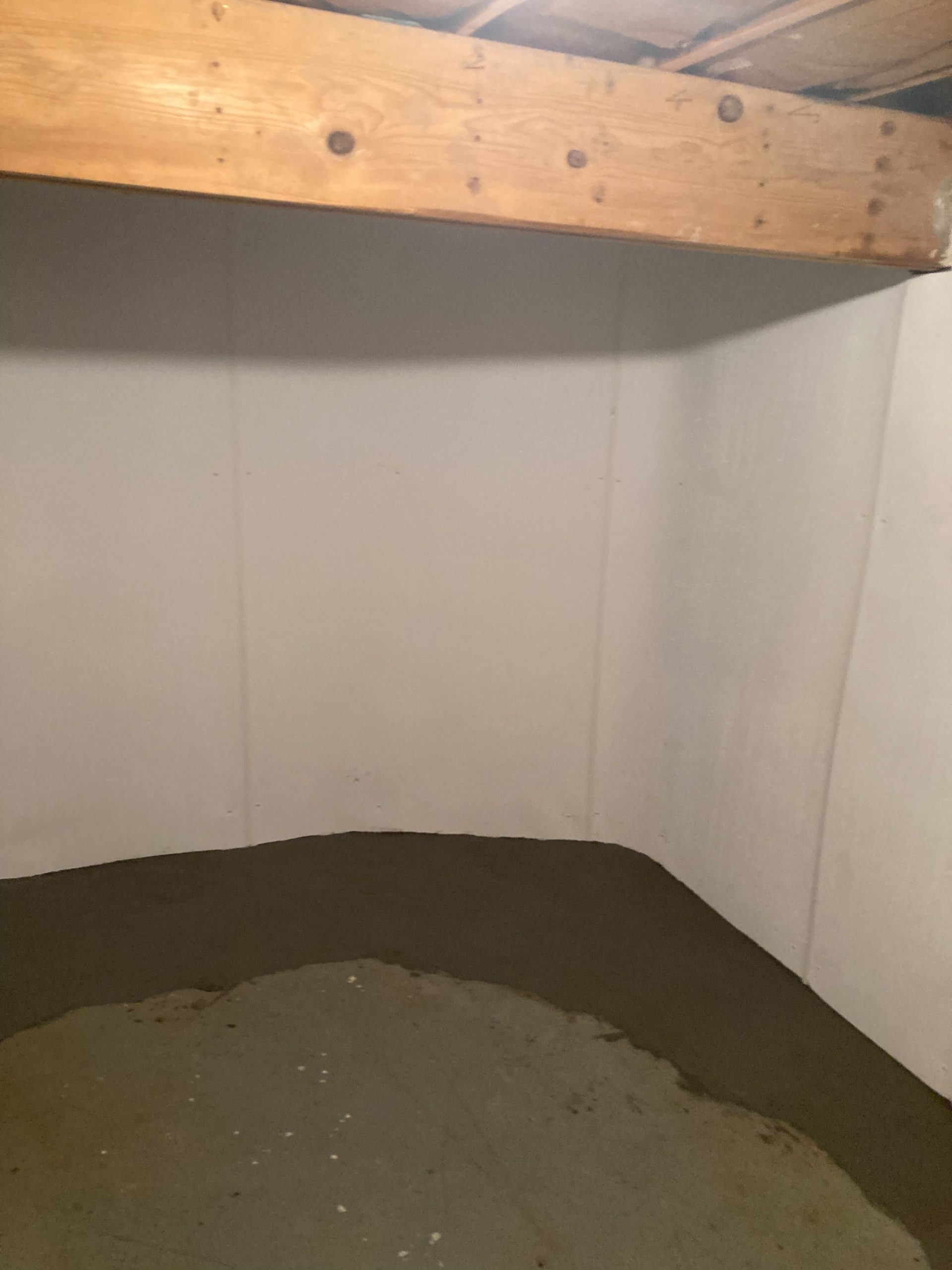
 Consider this: you’re about to transform your basement into a new, functional space. But have you thought about waterproofing first? It’s not just about keeping the area dry; it’s about protecting your investment, maintaining your property’s value, and ensuring a healthier environment by preventing mold growth. Imagine the disappointment of seeing your newly finished basement damaged by water leaks. So, why take the risk? Let’s explore the importance of waterproofing before basement finishing, and how it can save you from potential costly repairs.
Key Takeaways for Basement Waterproofing Before FinishingKey Takeaways
- Waterproofing before finishing prevents future water damage that could ruin new installations.
- It enhances the longevity of the basement’s finishes and fixtures.
- Proactive waterproofing reduces potential health hazards linked to damp environments.
- It creates a comfortable living space with improved air quality.
- Early waterproofing increases property value by ensuring a well-maintained basement.
Understanding Basement Waterproofing
Before diving into the process of waterproofing, it’s crucial for you to grasp the concept thoroughly. Waterproofing is a preventative measure to control moisture and maintain the integrity of your basement’s foundation. It involves strategic drainage solutions, sealant options, and the installation of water barriers and sump pumps.
Controlling moisture is the core of waterproofing. By monitoring the humidity levels in your basement and employing effective ventilation techniques, you can prevent excess moisture and dampness.
Drainage solutions, such as soil grading and landscape drainage, ensure water flows away from your house, not towards it. It’s about implementing a system that mitigates water accumulation around your foundation.
Sealant options and water barriers offer exterior protection. They block water and moisture from seeping into your basement, preserving the foundation integrity.
Sump pumps are also critical, removing water that accumulates in a sump basin and redirecting it away from your home.
Vapor barriers are another key, installed on walls and floors to prevent moisture from penetrating your basement.
Risks of Skipping Waterproofing
Neglecting to waterproof your basement can lead to disastrous consequences. Without protection, water can seep into the basement, causing substantial water damage over time. This can jeopardize the structural integrity of your home and lead to costly maintenance issues.
Unchecked water ingress fosters mold growth, posing significant health hazards for your family. Mold can cause a range of health problems, from allergies to serious respiratory infections. It’s not just a health risk; it’s an aesthetic problem too. The unsightly black or green spots can mar your beautifully finished basement, causing aesthetic damage that’s tough to reverse.
Furthermore, insurance issues often arise from water damage and mold. Many policies don’t cover these problems if they result from neglect, which will leave you footing the bill.
And when it’s time to sell your home, potential buyers will be wary of a basement with a history of water issues, leading to resale concerns.
In essence, skipping waterproofing may seem like a cost-saving measure now, but it can end up costing you much more in the long run.
Benefits of a Waterproofed Basement
Why overlook the immense benefits of a waterproofed basement? It’s not just about preventing a soggy mess. Waterproofing plays a crucial role in moisture control, which has far-reaching implications for your home’s overall health.
When you waterproof your basement, you’re taking a proactive stance against moisture. This keeps humidity levels in check, preventing the growth of mold and mildew. You’re not only protecting your basement’s finishings but also safeguarding your family’s health. Prolonged exposure to these fungi can lead to respiratory problems and allergic reactions.
But there’s more. Waterproofing also maintains the structural integrity of your home. By blocking water intrusion, you’re preventing the gradual deterioration of foundational elements. Water can seep into the smallest of cracks, causing them to expand and weaken your home’s structure over time. This could mean costly repairs down the road.
And let’s not forget about your property’s value. A waterproofed basement is a selling point, increasing your home’s marketability and value. It’s a sign to potential buyers that you’ve taken the necessary measures to protect your investment.
In short, waterproofing your basement before finishing it’s a smart, preventative measure. It’s about moisture control, structural integrity, and peace of mind.
Cost Implications of Post-Finishing Repairs
Consider the potential hidden costs of repairs that could arise from a lack of prior waterproofing.
It’s not just about fixing the damage; it’s also about the impact on your property’s value.
We’ll explore these factors in the following discussion, shedding light on the importance of proactive waterproofing before basement finishing.
Hidden Costs of Repairs
While finishing your basement can dramatically increase the usable space of your home, it’s essential to be aware of potential hidden costs that may arise from post-finishing repairs.
These hidden expenses can sneak up on you, turning what seemed like a cost-effective project into a financial nightmare.
The first type of unexpected cost comes from sudden structural damages. For example, if water seeps into your finished basement, it can cause serious damage to the walls, flooring, and any installed fixtures.
The cost to repair these damages can run into thousands of dollars, a cost you hadn’t factored into your initial budget. Additionally, moisture can lead to mold growth, which poses health risks and requires professional remediation.
Another hidden cost is the ongoing expense of maintenance. Even if your basement remains dry, regular upkeep such as cleaning, painting, and minor repairs can add up over time.
Lastly, consider the cost of insurance. If your homeowner’s policy doesn’t cover basement water damage, you may need to purchase additional coverage.
This is an ongoing expense that should be included in your budget.
Impact on Property Value
Before you dismiss these hidden costs as mere inconveniences, it’s important to understand their broader impact, specifically how they could affect your property’s value.
If you ignore the need for basement waterproofing and later face water damage or mold issues, the costs of repairs couldn’t only burn a hole in your pocket but also significantly depreciate your property value.
This is where the idea of property appreciation comes in. The value of your property doesn’t just depend on its size or location but also on its condition.
If potential buyers or property evaluators find signs of water damage, it can negatively impact their perception of your property, thereby diminishing its market competitiveness.
Conversely, a well-maintained, waterproofed basement can increase your property’s value. It not only provides additional usable space but also indicates that the house is well cared for.
This can be a huge plus in a competitive real estate market.
Waterproofing Methods Explained
In the process of finishing your basement, waterproofing is an indispensable step you should never overlook. Various methods can ensure that your basement remains dry and usable.
Interior drainage systems are a popular choice. These work by directing any water that enters your basement towards a sump pump, which then pumps the water out and away from your house.
You can also consider installing vapor barriers along with a dehumidification system to control moisture levels in your basement.
Exterior sealants can be applied to the outer walls and foundation to prevent water from entering your basement. Waterproof coatings are also useful for sealing foundation cracks that might let water seep in.
Landscape grading is another method to consider. By sloping the ground away from your house, you can prevent water from pooling against your basement walls.
Lastly, moisture control is key. Proper ventilation, dehumidification systems, and good drainage systems can ensure that your basement stays dry.
Each method has its pros and cons, so it’s important to choose the one that best suits your needs. Remember, a dry basement is a usable basement.
Professional vs. DIY Waterproofing
As you consider waterproofing your basement, it’s crucial to weigh the benefits and drawbacks of hiring a professional against doing it yourself.
By examining expert techniques, you’ll gain insight into the level of skill and knowledge required for this task.
Be aware that DIY waterproofing, while potentially saving money, comes with its own set of risks, including the possibility of incomplete or improper installation.
Evaluating Expert Techniques
Nearly every homeowner grapples with the decision of whether to take a DIY approach or hire professionals for basement waterproofing.
It’s a decision that requires careful consideration and comparison of expert techniques.
When you hire professionals, you’re not just paying for labor.
You’re also benefiting from expert assessments that pinpoint problem areas with precision.
Pros have seen it all, from minor dampness to major leaks.
They’ve had the chance to test various methods and have learned which ones work best for different situations.
Professionals also bring innovative solutions to the table.
They stay up-to-date with the latest industry developments and technologies, which means they can offer solutions that you mightn’t even know exist.
They use specialized equipment and high-quality materials that are designed to last.
However, going the DIY route can also have its merits.
If you’re handy and have the time, you might save some money.
You’ll certainly gain a sense of accomplishment.
But remember, basement waterproofing isn’t just about applying a sealant.
It’s about finding and fixing the root cause of the problem.
That’s where professionals can really shine.
Risks of DIY Waterproofing
Diving headfirst into a DIY basement waterproofing project might seem like a cost-saving venture at first glance. However, there are many DIY pitfalls that you could fall into, and waterproofing tutorials can only offer so much guidance.
Common mistakes are often made in equipment needs and cost estimates, escalating the project’s budget beyond what you initially planned. The timeframes involved in DIY projects can also be much longer than expected due to unforeseen complications, which can cause significant interruptions to your daily routine.
Material selection can also be a challenge without expert advice, as different basements require different types of waterproofing materials. Inadequate project planning can lead to missing key steps in the waterproofing process, leading to ineffective results.
Moreover, safety considerations are crucial in DIY projects. Without professional training, you might overlook potential hazards, putting you at risk during the project.
Therefore, while the prospect of DIY waterproofing may seem attractive, the associated risks and potential for error make it worth considering the value of hiring professionals. Their expertise can ensure a safe and efficient waterproofing process, potentially saving you time and money in the long run.
Preparing Your Basement for Finishing
Before you dive headfirst into the exciting journey of basement finishing, thoughtful preparation is a crucial step to ensure the success of your project. The preliminary phase requires a thorough basement inspection to identify potential problems that could compromise the quality of your endeavor.
Look for signs of structural damage such as cracks and efflorescence. It’s easy to overlook these details, but they’re pivotal in determining the basement’s readiness for finishing.
Next, conduct a comprehensive moisture assessment. This involves checking for water stains, damp spots, mold, and mildew. If there’s evidence of moisture, it’s crucial to address this issue before proceeding.
Waterproofing your basement not only guarantees longevity of the finish work but also prevents potential health hazards associated with damp environments.
Remember, the goal is to create a dry, comfortable living space. Therefore, assess the current ventilation and consider improving it if necessary.
Adequate ventilation ensures a dry and healthy indoor climate, essential for any living area.
Frequently Asked Questions
Does Waterproofing Increase the Value of My Home?
Absolutely! Waterproofing your basement definitely increases your home’s value.
It not only enhances your living space but also protects your home from potential water damage. This boosts your home equity and greatly improves your house’s resale potential.
Buyers appreciate a well-maintained, water-protected basement as it saves them future repair costs.
Can I Live in My Home During the Basement Waterproofing Process?
Yes, you can live in your home during the basement waterproofing process.
It’s typically not an invasive procedure. Professionals use specific waterproofing methods that manage basement moisture without disturbing your everyday life.
There may be some noise and dust, but they’ll work to minimize it.
However, it’s crucial you’re aware of the work going on for safety. Make sure you understand the process and ask any questions you have.
How Long Does the Waterproofing Process Usually Take?
The length of the waterproofing process hinges on the methods used and the drying time needed. Generally, it can take a few days to a couple of weeks.
Simple sealant applications dry quickly, but more extensive solutions like interior water drainage systems may take longer.
It’s crucial to allow adequate drying time for each step to ensure optimal results. Patience here is key; you wouldn’t want to rush this important task.
What Is the Best Time of Year to Waterproof a Basement?
Ideally, you’d waterproof your basement in late spring or early summer.
These seasons typically offer the best weather conditions for this type of work. It’s not too hot or cold, and the ground is typically dry. Wet or frozen soil can complicate the process.
However, don’t wait for a specific season if you’ve detected a problem. Immediate action could prevent further damage, despite seasonal considerations or weather impacts.
Does Insurance Cover Damages if I Dont Waterproof Before Finishing My Basement?
Insurance policies vary greatly, so it’s crucial to check yours.
Mostly, they don’t cover damage claims from basement flooding if you’ve not waterproofed before finishing. This can lead to significant financial implications.
You’re responsible for preventative measures in your home. So, if you skip waterproofing and later have water damage, you’re likely footing the bill.
It’s wise to waterproof first to protect your investment and avoid potential insurance claim headaches.
Conclusion
In conclusion, don’t skimp on waterproofing before finishing your basement. It’s a smart move that protects your investment, prevents costly future repairs, and ensures a healthier living space. Whether you opt for professional help or a DIY approach, it’s essential to get it done right. Remember, a well-waterproofed basement is more than just a dry space; it’s a safeguard for your property value and a step towards a worry-free basement transformation.

Ohio State Waterproofing has provided quality service with over 90,000 successful waterproofing and foundation repair installations and satisfied customers since our inception in 1978.
Ohio State Waterproofing’s philosophy for success is to provide honest, courteous and guaranteed service to every customer. Our reputation reflects this. Our well-trained waterproofing technicians are dedicated to complete customer satisfaction. This is achieved through fast, efficient processes as well as teamwork throughout this organization. You will always find a friendly representative willing to meet your needs at Ohio State Waterproofing.
We are a full service company that handles problems ranging from patching cracks to rebuilding basements. In addition, we hold three patents related to waterproofing that make us unique in the industry. These patents and our experience allow us to be able to do what every other waterproofer can do, but no one else can do what we do.
We are actively involved in the industry and community, including the National Association of Waterproofing Contractors, BHA, NARI, NAHB, NHIA, the BIA, the FHA and a number of consumer advocacy groups, as well as playing leading roles in a number of charitable functions.
But, most importantly, our highest degree of praise comes from the thousands of referrals we get from satisfied customers. Together they’ve made us a leader in the basement waterproofing and foundation repair industry.

