
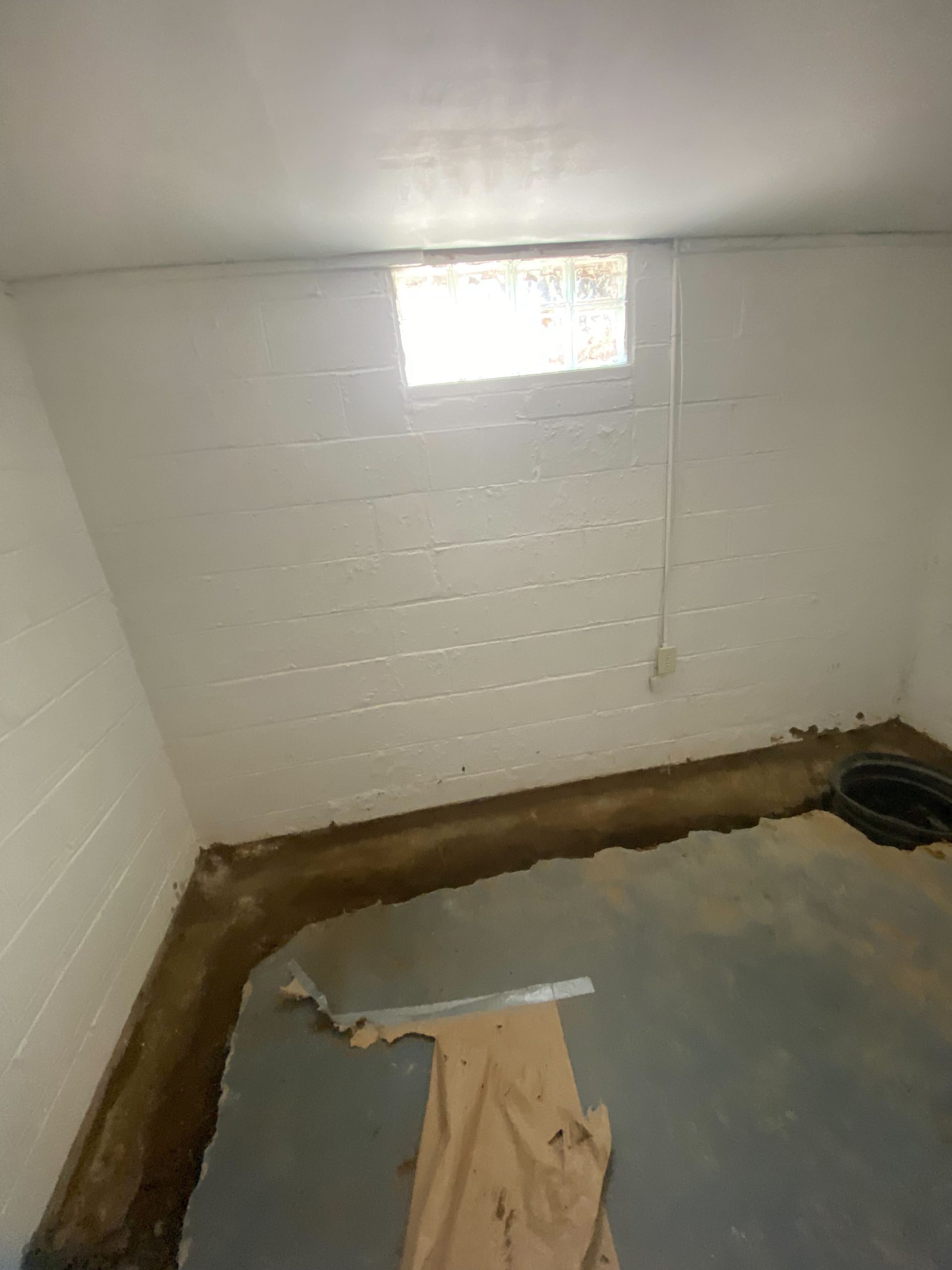
They say, ‘Don’t judge a book by its cover,’ and this applies perfectly when questioning why builders often leave basements unfinished.
At first glance, it might seem like an incomplete job, but there’s more to it than meets the eye. Various factors, from cost-effectiveness to homeowner preferences, play a significant role in this common practice.
By understanding these reasons, you’ll gain a fresh perspective and see beyond the bare bones of your basement. But how does this unfinished space offer more than what you initially perceive? Let’s examine this further.
Key Takeaways
- Cost-effectiveness and competitive pricing are achieved through strategic planning and resource utilization, allowing builders to offer competitive property prices with unfinished basements.
- Unfinished basements offer flexibility for future customization, tailored to specific needs and preferences, allowing for room expansion possibilities as needs change.
- Addressing dampness and moisture issues is crucial, requiring identification, resolution, and prevention through methods like dehumidifiers and vapor barriers to prevent costly repairs.
- Ensuring structural integrity and safety measures in basement construction, such as inspection of support beams, installation of egress windows, and proper electrical and plumbing systems, is essential for a functional and safe living space.
Cost-Effectiveness in Construction
In the realm of construction, achieving cost-effectiveness hinges primarily on strategic planning and the smart utilization of resources, which often leads to builders leaving basements unfinished. You see, it’s not simply about being stingy or cutting corners. Instead, it’s a calculated decision, a deft balance between economics and practicality.
An unfinished basement offers the potential for customization later on according to the homeowner’s personal needs and preferences. It’s like a blank canvas, and you’re the artist. You can transform this space into anything from a family room, home theater, or fitness center to a home office, guest apartment, or even a wine cellar. The possibilities are virtually endless.
Moreover, leaving the basement unfinished initially can reduce the overall construction cost, enabling builders to offer a competitive price for the property. It’s a win-win situation for both parties. Builders can keep costs down and homebuyers have the freedom to create a personalized space, all while potentially adding value to their home.
Flexibility for Future Customization
While you might initially see an unfinished basement as an incomplete project, it’s actually a strategic choice providing you with the flexibility for future customization. Builders purposely leave this space raw to allow homeowners to tailor it to their specific needs and preferences over time. It’s like handing you a blank canvas to paint your own masterpiece, tailored to your unique tastes and lifestyle.
Consider the following possibilities:
- Personalized Spaces: You could design a home office, a gym, a game room, or even a guest suite. The choice is yours.
- Room for Growth: As your family grows or your needs change, an unfinished basement offers room for expansion. It’s a future-proof solution.
- Creative Freedom: With no pre-defined layout or aesthetics, you’re free to let your creativity take the reins. Want a vintage-style wine cellar? No problem. Dreaming of a modern home theater? You can make it happen.
- Cost Management: You can finish the space gradually, as your budget allows. There’s no rush, and you can avoid the financial strain of a full remodel.
Addressing Dampness and Moisture Issues
Before you dive into transforming your basement, it’s crucial to address potential dampness and moisture issues that could derail your plans. Basements, due to their below-ground positioning, are more susceptible to these problems. Overlooking this step could lead to costly repairs down the line.
Start by assessing your basement’s current condition. Look for signs of water damage such as damp spots, mold, or peeling paint. These indicate that water is seeping in, possibly through cracks in the foundation or poor exterior drainage. If you find any, you’ll need to address these issues first.
It’s also worth investing in a dehumidifier to manage the level of moisture in the air. This is especially important if you live in a humid climate. Additionally, consider installing a vapor barrier on the walls and floors to prevent moisture from seeping in.
Consider hiring a professional to conduct a thorough inspection. They can identify potential problems you mightn’t notice and recommend the best course of action to protect your basement from dampness and moisture. It might seem like an unnecessary expense now, but it could save you a lot of money and headaches in the future. Your dream basement starts with a solid, dry foundation.
Structural and Safety Considerations
Once you’ve addressed any dampness and moisture issues, it’s essential to consider the structural and safety aspects of your unfinished basement. Properly managing these considerations can transform a blank, potentially hazardous space into a safe, valuable addition to your home.
To ensure a structurally sound and secure basement, you should consider the following:
- Support beams and posts: These are critical for maintaining the structural integrity of your home. They should be inspected and reinforced if necessary.
- Egress windows: These are mandatory in most areas for any basement that will be used as a living space. They provide an escape route in case of emergency.
- Flooring: Concrete floors can be cold, hard, and uncomfortable. Consider adding insulation and a more comfortable flooring option.
- Electrical and plumbing systems: These systems must be properly installed and inspected to reduce the risk of fire or water damage.
Don’t underestimate the importance of these structural and safety considerations. While they may not be the most exciting part of your basement renovation, they’re absolutely essential for creating a safe, comfortable, and functional space.
Homeowner Preferences and Market Trends
A vast majority of homeowners have unique preferences and are influenced by current market trends when deciding whether to finish their basements or leave them unfinished.
You might be one of those people who prefer an unfinished basement due to flexibility. It allows you to customize the space according to your changing needs and tastes. Maybe you require a home gym, a personal office or a playroom for your children? An unfinished basement gives you the freedom to create and alter these spaces as you wish.
Market trends also play a significant role. In areas where property prices are high, a finished basement can significantly increase a home’s value. However, in other regions, the return on investment mightn’t be as substantial. Therefore, builders often leave the decision to homeowners, who’ve a better understanding of their local market and personal needs.
Conclusion
So, you see, leaving basements unfinished isn’t a builder’s oversight, but a thoughtful strategy. It’s about balancing cost-effectiveness with future customization potential.
It’s a way to manage dampness, ensure structural safety, and respond to market trends and homeowner preferences.
Like a canvas awaiting an artist’s brush, an unfinished basement is a realm of possibilities, a testament to a home’s future potential just waiting for you to bring it to life.

Ohio State Waterproofing has provided quality service with over 90,000 successful waterproofing and foundation repair installations and satisfied customers since our inception in 1978.
Ohio State Waterproofing’s philosophy for success is to provide honest, courteous and guaranteed service to every customer. Our reputation reflects this. Our well-trained waterproofing technicians are dedicated to complete customer satisfaction. This is achieved through fast, efficient processes as well as teamwork throughout this organization. You will always find a friendly representative willing to meet your needs at Ohio State Waterproofing.
We are a full service company that handles problems ranging from patching cracks to rebuilding basements. In addition, we hold three patents related to waterproofing that make us unique in the industry. These patents and our experience allow us to be able to do what every other waterproofer can do, but no one else can do what we do.
We are actively involved in the industry and community, including the National Association of Waterproofing Contractors, BHA, NARI, NAHB, NHIA, the BIA, the FHA and a number of consumer advocacy groups, as well as playing leading roles in a number of charitable functions.
But, most importantly, our highest degree of praise comes from the thousands of referrals we get from satisfied customers. Together they’ve made us a leader in the basement waterproofing and foundation repair industry.

