
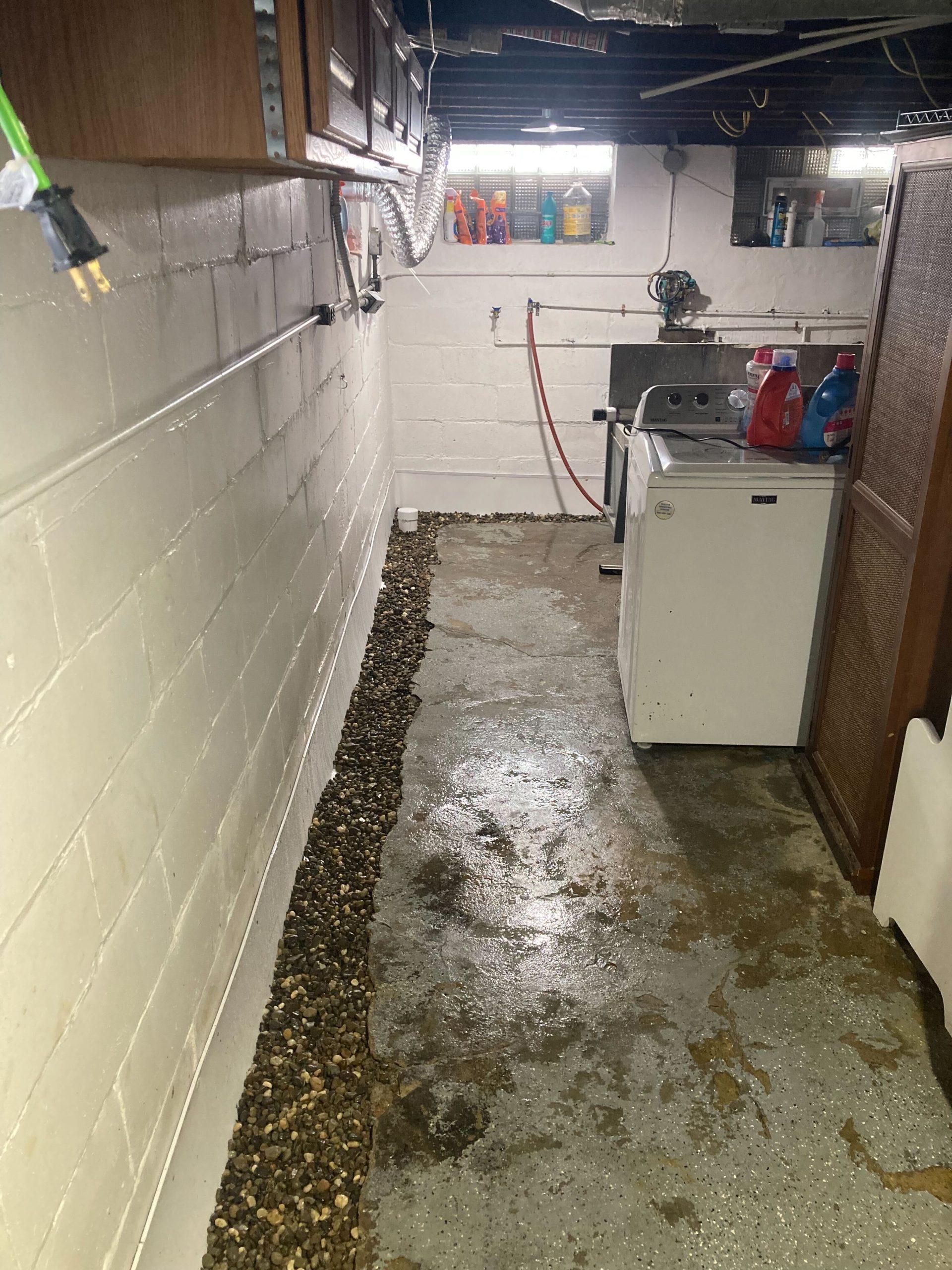
 You’ve probably noticed a pesky basement leak that, despite your best efforts, only seems to worsen over time. Ever wondered why? It’s because the dynamics of soil, hydrostatic pressure, and plain old neglect can transform minor issues into significant ones. As water infiltrates foundation cracks, the pressure on your basement walls intensifies, which can lead to further damage. Add a poor drainage system into the mix and you’ve got a recipe for disaster. But that’s not all, there’s more to this damaging domino effect, and understanding it could save your home’s structure.
Key Takeaways
- Hydrostatic pressure increases over time, exerting force on basement walls and widening existing cracks, allowing more water to seep in.
- Soil dynamics, such as compaction and erosion, can redirect water towards basements, exacerbating leak issues.
- Changes in weather and climate, especially increased rainfall and fluctuating moisture patterns, can worsen existing structural issues.
- Neglecting minor leaks and relying on temporary fixes can lead to significant structural damage, worsening the leakage over time.
- Poor maintenance, like not regularly checking gutters or failing to adjust drainage systems, can lead to water accumulation and increased leakage.
Understanding Basement Leaks
Diving into the issue of basement leaks, it’s essential to understand that they aren’t a one-size-fits-all problem. Each case is unique, with numerous variables contributing to the causes of leaks. It’s often a combination of factors rather than a single cause, making accurate leak detection a vital first step.
When examining your basement, you’ll find that foundation cracks are common culprits behind leaks. These imperfections can allow water to seep into your basement, especially during periods of heavy rainfall or snowmelt.
Additionally, poor drainage systems around your home can contribute to this issue. If water can’t effectively drain away from your foundation, it’s likely to find a way inside.
You should also consider the age of your home. Older homes often have weaker foundations and outdated drainage systems, increasing the risk of leaks.
However, don’t be fooled into thinking new homes are immune. Construction faults and low-quality materials can lead to leaks even in recently built houses.
The Role of Hydrostatic Pressure
Underneath your home, an unseen force is constantly at work – hydrostatic pressure. This is the pressure exerted by a fluid at equilibrium due to the force of gravity. It increases linearly with increasing depth. Hydrostatic pressure plays a significant role in causing basement leaks.
When it rains, water seeps into the ground and increases the hydrostatic pressure. The water then exerts a force against your basement walls and floor. It’s like thousands of tiny hands pushing against your home’s foundation, and they’re relentless.
This pressure isn’t static; it fluctuates with changes in the water table. During periods of heavy rainfall or rapid snowmelt, the water table can rise, intensifying the hydrostatic pressure.
A well-constructed basement is designed to handle this pressure, but over time, even the strongest foundations can begin to show signs of stress. The constant push and pull of hydrostatic pressure can create cracks and gaps, providing a path for water migration into your home.
As the hydrostatic pressure continues to rise and fall, these cracks can widen, allowing more water to seep into your basement.
That’s why basement leaks tend to get worse over time. It’s a continuous cycle driven by the relentless force of hydrostatic pressure.
Effects of Soil Saturation
When you consider soil saturation, it’s crucial to understand its direct impact on your basement’s integrity.
This phenomenon, which involves the soil’s ability to hold and release water, can lead to significant basement leaks over time.
To counter this, you’ll need to explore preventative measures and solutions that can mitigate the effects of soil saturation.
Understanding Soil Saturation
The process of soil saturation plays a pivotal role in the occurrence of basement leaks. It’s a complex interaction determined by factors such as soil composition, soil drainage, and groundwater levels. Understanding these factors can help you mitigate the risks associated with soil saturation.
Soil composition impacts how well your soil can retain or drain moisture. For instance, sandy soil, having larger particles, drains water quickly, while clayey soil, holding smaller particles, retains moisture. This moisture retention can lead to soil saturation, especially in areas with inadequate drainage systems.
Seasonal variations also contribute to soil saturation. During rainy seasons, the water table, or the level at which the soil or rock is permanently saturated with water, tends to rise. If your basement extends below this water table, the likelihood of leaks increases.
Compacted soil and soil erosion can exacerbate soil saturation issues. Compacted soil hinders soil permeability, preventing water from draining properly. On the other hand, soil erosion can alter the landscape, potentially directing water towards your basement.
It’s essential to monitor these variables over time. Changes in groundwater levels, soil erosion, or seasonal variations can make your basement more prone to leaks.
Impact on Basement Integrity
Soil saturation significantly influences the overall integrity of your basement. The persistent moisture buildup can compromise foundation stability leading to structural damage. This degradation doesn’t just threaten the physical integrity of your basement; it also attracts pests, worsening the situation.
The damp environment fosters mold growth, in turn impairing air quality in your home. Living in such conditions can have negative health implications, especially for those with allergies or respiratory issues. Moreover, the presence of mold and pests can significantly decrease your property value.
Sadly, repair costs for such damage are typically high. What starts as a seemingly insignificant leak can quickly escalate, causing substantial financial strain. The longer the issue persists, the more expensive it becomes to rectify.
| Impact | Consequence |
|---|---|
| Structural Damage | Compromised foundation stability, increased repair costs. |
| Pest Attraction & Mold Growth | Decreased air quality, potential health issues, reduced property value. |
| Moisture Buildup | Encourages pest invasion, promotes mold growth. |
Addressing the issue of basement leaks is crucial, not just for the sake of your property’s value, but also for your health and financial wellbeing.
Prevention and Solutions
In light of the damaging effects of soil saturation, it’s crucial to consider effective prevention strategies and solutions.
As you know, water will always seek the path of least resistance, and your basement’s defenses may be that path if not well-maintained. A well-designed drainage system, both interior and exterior, can divert water from your foundation. This includes properly grading the land to lead water away.
Waterproof coatings and moisture barriers can also be applied to your basement walls and floor to provide an extra line of defense. Foundation sealing, using advanced repair technologies, is yet another solution. It’s critical to maintain these systems regularly to ensure their effectiveness.
Sump pumps can prove to be a lifesaver, especially during heavy rains. They actively remove water that has accumulated in a water-collecting sump basin and dispatch it away from the house.
Landscaping solutions, such as deep-rooted plants, can also help absorb excess moisture in the soil.
The Impact of Home Aging
While it’s easy to overlook, aging greatly impacts your home’s overall health, particularly when it comes to basement leaks. As time passes, your home undergoes foundation degradation, a common result of aging materials. The once robust concrete, bricks, and mortar start to deteriorate, weakening the overall structural integrity of your home.
This degradation initiates structural weaknesses, which, in turn, makes your basement vulnerable to leaks. Moisture accumulation often exacerbates these weaknesses. Older homes typically lack modern waterproofing techniques, leading to an increased accumulation of moisture over time.
This moisture can seep into the basement through cracks and pores in the aging materials, leading to leaks. Over time, these leaks worsen, causing significant damage to your home and potentially even leading to serious structural issues.
Preventative measures are essential to slow down this process. Regular inspections can help identify potential problem areas before they become severe. Implementing proper waterproofing techniques and repairing any identified damages can significantly reduce the likelihood of basement leaks.
Nonetheless, it’s essential to remember that as your home ages, the risk of basement leaks inevitably increases.
Influence of Climate Changes
You need to consider how climate changes affect your basement’s integrity over time.
Extreme weather conditions, such as heavy rain and temperature fluctuations, can significantly impact your basement’s structure, leading to increased leaks.
Understanding these climate change consequences is critical to maintaining a dry and safe basement environment.
Weather Impact on Basements
Severe weather conditions can have a significant impact on your basement’s stability and integrity. Heavy rain, snow, and even drastic temperature changes can cause the soil around your basement to expand and contract. This constant cycle weakens the structure over time, leading to cracks and leaks.
Flood prevention is critical in protecting your basement from weather damage. Proper landscaping, like sloping your yard away from your home, can divert water. Installing a well-functioning sump pump system can also help keep your basement dry during heavy downpours.
Seasonal maintenance plays a key role in your basement’s integrity. Before winter sets in, make sure to insulate any exposed pipes to prevent them from freezing and bursting.
During spring, regularly check your gutters and downspouts for any debris that can cause water to back up and flood your basement.
Climate Change Consequences
Climate change is turning up the heat on basements worldwide. You’re seeing more leaks, and they’re getting worse. Why? It’s all about flood frequency and moisture patterns.
Global warming is altering precipitation patterns, leading to increased rainfall in many areas. More rain means more flooding. Flood frequency is on the rise, and your basement is in the line of fire. On the other hand, warmer temperatures also mean more evaporation, which changes moisture patterns in the soil around your basement. Drier soils can lead to subsidence and increased pressure on your basement walls, leading to cracks and leaks.
Here’s a table to make it clear:
| Climate Change Effect | Basement Consequence |
|---|---|
| Increased Rainfall | Higher flood frequency, more water seepage |
| Altered Moisture Patterns | Soil subsidence, increased pressure on walls |
| Warmer Temperatures | More evaporation, drier soils |
The Importance of Proper Leak Repairs
Neglecting to address even minor basement leaks can wreak havoc on your home’s structure over time. Temporary fixes might seem appealing due to their lower upfront cost, but they often exacerbate the issue in the long run. A professional assessment is crucial to identify the root cause of the leakage and to suggest adequate waterproofing techniques.
Consider the following:
- Long-term solutions: Always opt for permanent repair solutions instead of quick fixes. This might involve the use of specific material choices such as water-resistant cement or epoxy injections which can effectively seal cracks and prevent future leaks.
- Maintenance strategies: Implement regular maintenance strategies. This includes seasonal checks and adjusting your home’s drainage systems if necessary.
- Repair costs: Despite the higher initial repair costs, long-term solutions are more cost-effective over time as they prevent recurrent repair expenses.
- Inspection frequency: Regular inspections help detect potential issues early, reducing the likelihood of severe damage.
Engaging a professional to handle leak repairs ensures the problem is properly addressed, safeguarding your home’s structural integrity.
Frequently Asked Questions
What Is the Cost of Repairing a Leaking Basement?
The cost of repairing a leaking basement can vary greatly.
It depends on the severity of the leak, the repair methods used, and the leak detection process. You could spend a few hundred dollars for minor repairs or thousands for extensive damage.
Remember, it’s crucial to address the problem promptly. Delays can lead to worsening leaks and higher repair costs.
Always consult with a professional to get an accurate estimate.
Can a Leaking Basement Cause Health Problems?
Absolutely, a leaking basement can cause health problems.
The persistent dampness promotes mold growth, which can severely impact your home’s air quality. Breathing in mold spores may lead to respiratory issues, allergies, and even more serious conditions over time.
It’s crucial to address any basement leaks promptly to protect your health and maintain the overall integrity of your home.
Don’t underestimate the potential health hazards of a seemingly minor basement leak.
How Can I Prevent Basement Leaks in the Future?
To prevent future basement leaks, it’s crucial you investigate waterproofing solutions.
Consider applying a waterproofing sealer to your basement’s interior walls.
Additionally, examine your home’s drainage systems. Ensure gutters and downspouts are functioning correctly and directing water away from your foundation.
Don’t neglect the grading of your property. Water should naturally flow away from your home.
Regular inspections and maintenance can help you catch any potential issues before they become significant problems.
Is It Possible to Repair a Leaking Basement by Myself?
Absolutely, you can initiate DIY repairs for a leaking basement.
However, it’s critical you’re aware of common mistakes. Incorrectly identifying the leak source or using wrong materials can worsen the issue.
It requires technical expertise to handle drainage systems, sealants, and concrete work.
If you’re confident in your abilities, go ahead. But if there’s any doubt, it’s best to hire a professional to avoid exacerbating the problem.
Does Homeowners Insurance Typically Cover Basement Leak Repairs?
While it’s possible that your home insurance may cover some basement leak repairs, it’s not guaranteed.
It really depends on your policy’s coverage limits and the cause of the leak. If it’s due to a covered peril like a burst pipe, you’re likely covered.
But if it’s due to maintenance issues, like seepage or gradual deterioration, you’re probably out of luck.
You’ll need to carefully review your policy to know for sure.
Why Basement Leaks Worsen Over Time: Key TakeawaysConclusion
So, you see, basement leaks aren’t just minor inconveniences. They worsen over time due to hydrostatic pressure, soil saturation, home aging, and climate changes. If neglected, they can threaten your home’s structural integrity. It’s crucial to promptly repair leaks and maintain a good drainage system. Don’t let a small problem become a major catastrophe. Address the issue head-on and protect your home from the dangers of persistent basement leaks.

Ohio State Waterproofing has provided quality service with over 90,000 successful waterproofing and foundation repair installations and satisfied customers since our inception in 1978.
Ohio State Waterproofing’s philosophy for success is to provide honest, courteous and guaranteed service to every customer. Our reputation reflects this. Our well-trained waterproofing technicians are dedicated to complete customer satisfaction. This is achieved through fast, efficient processes as well as teamwork throughout this organization. You will always find a friendly representative willing to meet your needs at Ohio State Waterproofing.
We are a full service company that handles problems ranging from patching cracks to rebuilding basements. In addition, we hold three patents related to waterproofing that make us unique in the industry. These patents and our experience allow us to be able to do what every other waterproofer can do, but no one else can do what we do.
We are actively involved in the industry and community, including the National Association of Waterproofing Contractors, BHA, NARI, NAHB, NHIA, the BIA, the FHA and a number of consumer advocacy groups, as well as playing leading roles in a number of charitable functions.
But, most importantly, our highest degree of praise comes from the thousands of referrals we get from satisfied customers. Together they’ve made us a leader in the basement waterproofing and foundation repair industry.

