
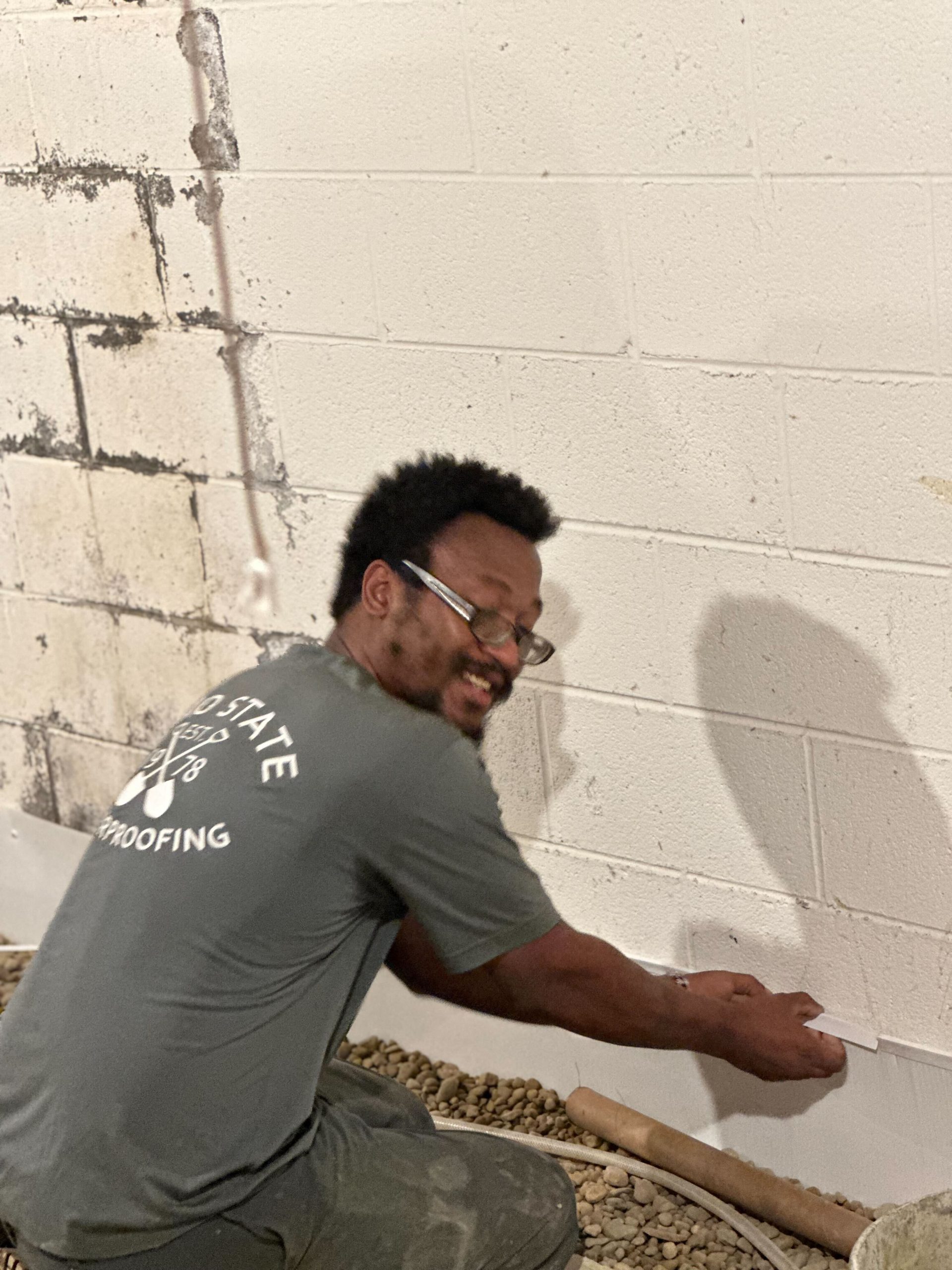
 If you’re considering a basement waterproofing inspection, you may be wondering what the process entails. It’s not just about spotting and fixing leaks; it’s a comprehensive check-up of your basement’s overall health. An inspector will examine your basement for signs of water damage, structural issues, and even mold growth. They’ll also evaluate your current drainage systems. After the assessment, you’re provided with a detailed report that outlines their findings and suggests preventive measures. But what exactly does this report include, and how can it help safeguard your home? Let’s delve deeper to discover.
Essential Takeaways from a Basement Waterproofing InspectionKey Takeaways
- Expect the inspector to scrutinize walls, floors, and ceilings for cracks, leaks, and condensation.
- The inspection may identify potential mold growth and assess the risk of structural damage.
- The process includes evaluation of foundation cracks, drainage systems, sump pumps, and moisture levels.
- Inspection duration varies by basement size and condition, possibly taking a few hours to a full day.
- Post-inspection, a detailed report will outline findings and recommendations for addressing moisture issues.
Understanding Basement Waterproofing
The process of basement waterproofing is an essential part of home maintenance that you shouldn’t overlook.
It’s not just about preventing water damage; it’s also about controlling basement humidity, which can lead to mold growth and compromise the structural integrity of your house.
Basement waterproofing involves several steps. It starts with identifying and fixing the sources of water seepage. This could be cracks in the walls or floor, faulty window wells, or improper landscaping that directs water towards the house.
Next, a suitable drainage system is installed to channel water away from the basement. This could be a sump pump, French drains, or gutter extensions.
Apart from these, waterproofing also includes applying a waterproof barrier on the walls and floor of the basement. This creates a watertight seal and prevents any future water intrusion.
Role of a Waterproofing Inspector
You’ll find that a waterproofing inspector’s role is multifaceted, with primary responsibilities that include both identifying and evaluating issues in your basement.
They don’t just identify the problems; they’re also adept at proposing effective solutions.
Understanding their role is key to appreciating the value they bring to the waterproofing process.
Inspector’s Primary Responsibilities
Navigating through the intricacies of basement waterproofing, an inspector shoulders a variety of crucial responsibilities. They’re tasked with identifying moisture sources, assessing the condition of existing drainage systems, and recommending appropriate waterproofing solutions.
Identifying moisture sources is a fundamental step in any waterproofing inspection. By determining whether the water is seeping in from outside, trickling down from upper levels, or rising from beneath the ground, the inspector can devise an effective plan to combat it. They’re trained to detect even the subtlest signs of moisture, such as damp spots, discolored walls, or a musty odor.
Next, they assess the condition of your home’s current drainage systems. These could include guttering, downspouts, and interior or exterior drain tiles. The inspector will evaluate their functionality and identify any areas of concern, such as blockages or poor positioning, that could be contributing to your basement’s moisture issues.
Lastly, a waterproofing inspector won’t just spot problems; they’ll also recommend solutions. Based on their findings, they’ll advise you on the best treatments or modifications to keep your basement dry. Whether it’s installing a sump pump, applying a waterproof membrane, or improving ventilation, they’ll guide you towards a drier, safer basement.
Evaluating Basement Issues
As a homeowner, it’s crucial to understand the role of a waterproofing inspector when it comes to evaluating basement issues. A key part of their job involves thoroughly examining your basement for potential problems, such as foundation cracks or moisture sources. These faults are common indicators of water intrusion and can lead to costly repairs if not addressed promptly.
The inspector will carefully scrutinize your basement walls and floors, identifying any visible cracks or fissures in the foundation. They’re not just looking for large, obvious cracks, but also minor ones that might be hard to spot. Even the smallest foundation crack can become a significant issue over time, leading to severe structural damage.
Additionally, they’ll locate any moisture sources in your basement. This could be anything from leaks in the walls, floors, or ceiling, to condensation on pipes or windows. Identifying these moisture sources is a vital step in the waterproofing process as they can, over time, lead to harmful mold growth and further structural damage.
Understanding these evaluation processes gives you a sense of what to expect and how to prepare for a basement waterproofing inspection.
Suggesting Effective Solutions
Once the waterproofing inspector has evaluated your basement and identified any potential issues, their role shifts to suggesting effective solutions.
They’ll consider the unique factors of your basement, like its size, construction, and the severity of the moisture issues.
They might recommend installing drainage systems. These systems help channel water away from your basement, reducing the likelihood of water damage. They come in various types, including French drains, sump pumps, and gutter systems, the choice of which depends on your specific situation.
Moisture barriers are another common solution. They’re applied to the walls and floor of your basement to prevent water from seeping in. There are several kinds of moisture barriers, such as concrete sealers, silicate sealers, and acrylic sealers. The inspector will suggest the most suitable one for your basement.
Keep in mind, the inspector’s role isn’t just to identify the problem but also to provide an effective, long-term solution.
They’re equipped with the knowledge and tools to ensure that the solution they suggest isn’t only effective but also cost-effective. Trust their expertise and be open to their suggestions, as they’re aimed at protecting your home in the long run.
Pre-Inspection Preparation Steps
Before the inspection process kicks off, you’ll need to get your basement ready.
This involves clearing the area, pinpointing potential issues, and documenting existing damage.
These steps lay the groundwork for a thorough and effective basement waterproofing inspection.
Clearing the Basement
To ensure a thorough and effective basement waterproofing inspection, one pivotal step is to clear your basement completely. This involves more than just moving a few boxes; it’s about proper basement organization and comprehensive clutter removal.
Embarking on this task might seem daunting, but you’ll find that it’s an opportunity to not only prepare for the inspection but also to reevaluate what you’re storing down there.
Begin the clutter removal process by sorting through your belongings. Segregate items into categories like ‘keep’, ‘donate’, ‘sell’, and ‘discard’. It’s essential that you’re ruthless in this process; remember, the objective is a clutter-free basement.
Once you’ve decluttered, focus on organizing the items you’ve decided to keep. Consider investing in some sturdy, waterproof storage containers for better basement organization. These will protect your belongings from potential moisture damage and keep your basement tidy.
Identifying Problem Areas
With your basement now clear and organized, spotting potential problem areas becomes a simpler task. You’ll need to be vigilant in your cracks detection efforts and identifying moisture sources, as these are the primary causes of basement water problems.
Start by examining your basement’s walls and floors. Look for any visible cracks or signs of moisture. Pay particular attention to areas near windows, doors, and where the walls meet the floor. These are common areas where water can seep in.
Next, check for signs of mold or dampness. If you spot any, it’s an obvious sign of moisture problems.
Remember, your sense of smell can also be a useful tool in detecting moisture issues. A musty or damp smell often indicates hidden water damage.
Let’s take a look at some common problem areas:
| Problem Area | Indication |
|---|---|
| Walls and floors | Visible cracks, signs of moisture |
| Windows and doors | Water seepage |
| Mold or damp spots | Obvious moisture problems |
| Musty smell | Possible hidden water damage |
In the next section, we’ll discuss how to document these problems. For now, your task is to identify and understand the potential problem areas in your basement.
Documenting Current Damages
Once you’ve identified potential problem areas in your basement, it’s crucial to document these damages accurately. This documentation serves as a baseline to measure the success of your waterproofing solutions later on. It also helps professionals understand the severity of your problem.
Start by taking clear, well-lit photos of all affected areas. Focus on areas where you’ve noticed dampness, discoloration, or visible mold growth. Remember that mold detection is a key part of this process. Always wear protective gear when dealing with mold, as it can pose health risks.
Next, create a detailed written record of your findings. Describe the location and extent of each problem, note any changes over time, and make a record of any mold detection or moisture assessment you’ve conducted.
Include measurements of humidity levels if you have a hygrometer.
The Inspection Process Explained
The prospect of a basement waterproofing inspection might seem daunting, but understanding the process can ease your worries. Here’s what you can expect.
Firstly, the inspection timeline can vary depending on the size and condition of your basement. It could take a few hours for a small, relatively dry basement, or a whole day for a larger, more complex space.
But don’t worry, you’ll be given an estimated timeline so you can plan your day accordingly.
Now, let’s talk about the inspector qualifications. You should only trust a trained and certified professional to conduct the inspection.
They’ll have the knowledge and experience to identify potential issues and suggest the best solutions. A good inspector will also have a keen eye for detail and a thorough understanding of building structures and drainage systems.
During the inspection, the inspector will examine your basement thoroughly, focusing on the walls, floors, and ceiling.
They’ll look for signs of water damage, cracks, leaks, and other potential issues. The inspector will also check your home’s exterior, as water can seep into your basement from the outside.
After the inspection, you’ll receive a detailed report outlining the inspector’s findings and recommendations.
This will give you a clear understanding of the condition of your basement and the steps needed to waterproof it.
Common Waterproofing Issues Found
Often, you might overlook some common waterproofing issues until a professional points them out.
Damp walls, for example, could be an indication of an underlying issue with your home’s exterior grading or gutter systems. If left unaddressed, these problems may lead to more severe water stains and even mold growth.
Drainage issues are another common problem. They can result from blocked or ineffective sump pumps, leading to increased humidity levels in your basement. If you notice a musty smell or persistent dampness, it’s likely you’re dealing with a humidity problem.
Equally concerning are foundation cracks. These can act as seepage points for water, worsening your basement’s waterproofing concerns. These cracks could be due to a faulty or deteriorating foundation.
It’s also essential to watch out for signs of water pooling near the foundation of your home, as this can indicate a problem with your gutter systems or exterior grading.
These issues, if not promptly addressed, can contribute to water seeping into your basement, causing damp walls and other related complications.
Interpreting Inspection Results
Understanding your basement waterproofing inspection results might seem like a puzzle at first. However, with the right perspective, it’s a straightforward process. The inspection results provide a comprehensive damage assessment of your basement’s current state, highlighting areas that need attention.
The report typically includes details about the type of moisture issues identified, their exact location, and severity. It might indicate issues like water seepage through walls or floors, high humidity levels, or even structural damage caused by water.
To properly interpret your inspection results, you’ll need to understand some key terms. ‘Hydrostatic pressure’, for instance, refers to the pressure water in the soil exerts on your basement walls. If high, this might’ve caused cracks or bulges.
‘Efflorescence’ is a white, powdery substance left on surfaces when water evaporates, indicating past or present moisture issues.
In some cases, the damage assessment could include estimated repair costs. It’s essential to discuss these estimates with your inspector to ensure you fully grasp the extent and seriousness of the identified issues.
Waterproofing Solutions and Options
Once you’ve interpreted your basement waterproofing inspection results, it’s time to explore various waterproofing solutions and options. The most effective solutions typically involve a blend of sealant types and drainage systems.
Sealants are crucial in preventing moisture from entering your basement. The two most common types are acrylic and epoxy sealants. Acrylic sealants are water-based and easy to apply, but they may not be as durable as epoxy sealants.
Epoxy sealants, on the other hand, are solvent-based, offering better adhesion and enhanced durability. You’ll need to weigh the pros and cons of each to decide which is the best fit for your basement.
Drainage systems serve as the second line of defense, redirecting any water that does manage to penetrate your basement. Interior drain systems collect water at the perimeter of your basement and direct it to a sump pump, which then expels it outside.
Exterior drain systems, installed around the foundation of your home, prevent water from reaching your basement walls in the first place.
Your choice of solution should be based on the severity of your basement’s water issues, your budget, and the particularities of your home’s construction.
Post-Inspection Responsibilities
After your basement waterproofing inspection, it’s essential to fulfill your post-inspection responsibilities. These duties primarily involve post-inspection maintenance and future prevention measures to ensure the longevity of your waterproofing solution.
Post-inspection maintenance is crucial in sustaining the effectiveness of the waterproofing work done. You’ll need to monitor the area regularly for signs of water damage or seepage. If these signs occur, it’s important to contact your waterproofing professional immediately. They can assess the situation and provide necessary repairs or adjustments.
Remember, ignoring minor issues can lead to major problems down the line.
Future prevention is another significant part of your responsibilities. This involves maintaining a clean and clutter-free basement to prevent water accumulation.
It’s also wise to keep your gutters and downspouts clear of debris to ensure proper water diversion away from your home. Additionally, consider installing a sump pump if you don’t have one already. This device can significantly decrease the risk of basement flooding.
Maintaining Your Waterproofed Basement
Proper maintenance of your waterproofed basement is pivotal in preserving its condition and functionality. It involves periodic checks and some routine activities to ensure its longevity. Basement maintenance is not as daunting as it may seem if you’re equipped with the right knowledge and tools.
One crucial aspect of maintaining your waterproofed basement is humidity control. Excess moisture can lead to mold growth, which can deteriorate your basement’s condition. Invest in a quality dehumidifier to maintain the right humidity levels.
Regularly inspect for any signs of leaks or cracks. Even the smallest crack can turn into a significant problem if left unattended. Make sure to seal any cracks you find immediately.
Here’s a simple table summarizing the two main aspects of basement maintenance:
| Maintenance Activity | Why It’s Important |
|---|---|
| Humidity Control | Prevents mold growth and maintains the overall health of your basement. |
| Regular Inspections | Helps identify leaks or cracks early, preventing further damage. |
Frequently Asked Questions
How Long Does a Basement Waterproofing Project Typically Last?
The duration of your basement waterproofing project can vary.
It’s largely dependent on the complexity of the job and the solutions used, like drainage solutions or moisture barriers.
However, most projects can be completed within a week.
Remember, it’s crucial to not rush the process.
You want to ensure a thorough job, addressing all potential water entry points, to provide your basement with a long-lasting waterproof seal.
Is There a Warranty or Guarantee for the Waterproofing Work?
Yes, most basement waterproofing companies offer warranty options.
It’s important you understand the guarantee details before work begins. They’ll usually cover any defects in the materials or workmanship.
However, warranties vary, so always ask for specifics. Some only cover certain repairs or have a limited timeframe.
You’ll want to ensure you’re fully protected should any issues arise post-inspection.
What Is the Estimated Cost for a Basement Waterproofing Inspection?
During a basement waterproofing inspection, you’ll receive an inspection checklist. This will detail all areas checked and any potential issues.
Cost factors depend on the complexity of the job and the size of your basement. Typically, you’re looking at a range from $200 to $500, but prices can vary.
It’s best to get a few quotes to ensure you’re getting a fair deal. Remember, this is an investment in your home’s longevity and value.
Can I Stay in My Home During the Waterproofing Process?
Absolutely, you can stay in your home during the waterproofing process.
The team will use specific waterproofing methods that won’t require you to vacate. They’ll follow an inspection checklist to ensure all areas are covered while minimizing disruption to your daily routine.
However, there might be some noise and dust, so it’s important to prepare accordingly.
It’s your home, and the goal is to make the process as comfortable as possible for you.
Will Basement Waterproofing Increase the Value of My Property?
Absolutely! Basement waterproofing significantly contributes to property appreciation.
It’s a valuable investment that can boost the overall value of your property. Waterproofed basements attract more buyer interest, as it shows the house has been cared for and protected against potential water damage.
So, you’re not only securing your home from future issues, but you’re also enhancing its resale value.
It’s a win-win situation!
Conclusion
In conclusion, a basement waterproofing inspection is a crucial step in safeguarding your home from potential water damage. It’s imperative to understand the process, from the inspector’s role to interpreting the results. Remember, the inspection doesn’t just identify issues, it also offers solutions. Post-inspection, it’s your responsibility to act on the recommendations. Regular maintenance is key to ensure your basement remains dry and damage-free. Ultimately, it’s about protecting your investment and ensuring your home’s longevity.

Ohio State Waterproofing has provided quality service with over 90,000 successful waterproofing and foundation repair installations and satisfied customers since our inception in 1978.
Ohio State Waterproofing’s philosophy for success is to provide honest, courteous and guaranteed service to every customer. Our reputation reflects this. Our well-trained waterproofing technicians are dedicated to complete customer satisfaction. This is achieved through fast, efficient processes as well as teamwork throughout this organization. You will always find a friendly representative willing to meet your needs at Ohio State Waterproofing.
We are a full service company that handles problems ranging from patching cracks to rebuilding basements. In addition, we hold three patents related to waterproofing that make us unique in the industry. These patents and our experience allow us to be able to do what every other waterproofer can do, but no one else can do what we do.
We are actively involved in the industry and community, including the National Association of Waterproofing Contractors, BHA, NARI, NAHB, NHIA, the BIA, the FHA and a number of consumer advocacy groups, as well as playing leading roles in a number of charitable functions.
But, most importantly, our highest degree of praise comes from the thousands of referrals we get from satisfied customers. Together they’ve made us a leader in the basement waterproofing and foundation repair industry.
