
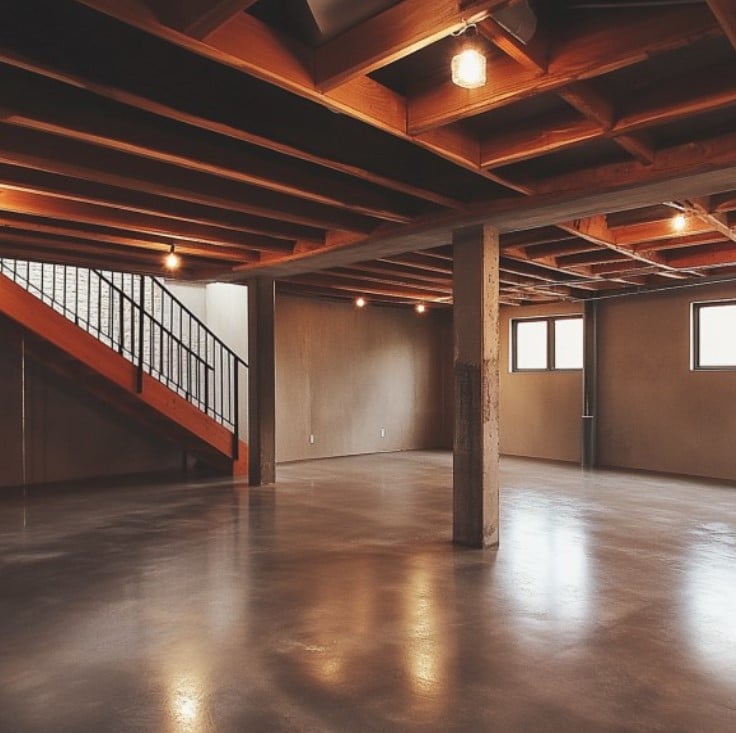
Imagine you’re standing in a room where the walls are slowly gathering moisture, the paint peeling off, and you can almost smell the dampness in the air. This is a scenario you’d want to avoid, isn’t it?
Damp proofing and waterproofing are two techniques used to keep this from happening, but they’re not the same thing. You might be wondering, what’s the difference between the two?
Stay with me, and you’ll uncover the mysteries of these two seemingly similar terms, and more importantly, you’ll learn when and where each one is most effectively used.
Key Takeaways
- Dampproofing resists moisture passage but does not prevent water ingress under pressure.
- Waterproofing completely blocks water entry and can withstand high water pressure.
- Damp proofing is suitable for residential properties, while waterproofing is recommended for commercial buildings or properties with basements.
- The choice between damp proofing and waterproofing depends on factors like water exposure severity, property type, and budget.
Understanding Damp Proofing
Let’s dive right into understanding damp proofing, a technique used to resist the passage of moisture through walls. Imagine you’re living in a house with walls that absorb moisture like a sponge. You’d soon be dealing with a host of problems, wouldn’t you? Damp walls can lead to structural damage, unsightly stains, and even health issues. Damp proofing is your shield against these issues.
Now, how does it work? It’s akin to applying a water-resistant coating to your walls. This coating, or barrier, prevents moisture from seeping through. It’s typically installed during the construction phase, but it can also be added later.
But here’s the deal: damp proofing isn’t a one-size-fits-all solution. The method used depends on the type of building and the level of moisture present. You’ve got options like integral damp proofing, surface treatments, and cavity wall construction. Each method has its pros and cons, and choosing the right one requires professional assessment.
Decoding Waterproofing
Now, turn your attention to waterproofing, a process that works to completely block water and moisture from entering structures. Unlike damp proofing, it offers a more robust and comprehensive solution to moisture-related issues.
Imagine, if you will, a shield around your home, a barrier that repels not just some, but all moisture. That’s what waterproofing does. It’s an absolute game-changer for structures prone to water damage or located in high-moisture zones.
Here are three reasons why understanding waterproofing is crucial:
- Peace of Mind:You’ll sleep better knowing that your home is protected from the damaging effects of water. No more anxieties about costly water damage repairs.
- Long-Term Savings:While waterproofing might seem expensive initially, it can save you a significant amount down the line in avoided repair costs.
- Increased Property Value:A waterproofed home is a valuable home. It’s a selling point that prospective buyers will appreciate, boosting your home’s market value.
Key Differences Between the Two
Understanding the distinctions between damp proofing and waterproofing can help you make a more informed decision for your property’s needs. While they may seem similar, these two processes serve different purposes and are applied in different situations.
Damp proofing is a preventative measure that’s usually applied during construction. It’s designed to resist moisture diffusion through walls and foundations, essentially slowing down the passage of moisture. Damp proofing can’t completely prevent water ingress, especially under pressure. It’s typically used in areas where the risk of high water pressure is low.
In contrast, waterproofing is a more robust solution that’s designed to stop water ingress completely. It’s capable of handling high water pressure and can be used in areas where damp proofing isn’t sufficient, like basements or areas with high groundwater.
The materials used also vary. Damp proofing often involves the use of a spray-on or hand-applied coating, while waterproofing utilizes membranes and sealants that can withstand more pressure.
Choosing the Right Protection
When it comes to protecting your property from water damage, choosing between damp proofing and waterproofing hinges on your specific needs and the environmental conditions in your area. It’s more than just a matter of preference, it’s a decision that can significantly affect the longevity of your home or building.
To make the right choice, consider these three elements:
- Severity of Water Exposure: If your property is exposed to heavy rains or flooding, waterproofing is your best bet. It provides complete water resistance and can withstand even the harshest conditions.
- Type of Property: Damp proofing is usually sufficient for residential properties. But if you’re dealing with a commercial building or a property with a basement, you’d be better off with waterproofing.
- Budget: Waterproofing is typically more costly due to its comprehensive protection. If budget is a concern, you might find damp proofing to be a cost-effective alternative.
Case Study: Damp Proofing Vs Waterproofing
Let’s dive into a real-world example that illustrates the distinct impacts of damp proofing and waterproofing on a property. Imagine two identical houses in a region with substantial rainfall. House A is damp proofed, while House B is waterproofed. After a year, here’s what you’d find:
| House | Effect | Result |
| A (Damp Proofed) | Moderate protection | Minor dampness, paint peel-off |
| B (Waterproofed) | High protection | No dampness, paint intact |
House A, despite having damp proofing, still showed signs of dampness and the paint started to peel off. This is because damp proofing only slows down the penetration of moisture, it doesn’t completely prevent it.
In contrast, House B remained unaffected. Its waterproofing provided an impervious barrier that completely prevented water intrusion, keeping the house dry and the paint intact.
Frequently Asked Questions
What Are the Costs Associated With Damp Proofing and Waterproofing?
You’re probably thinking, ‘Money grows on trees, right?’ Unfortunately, it doesn’t.
Damp proofing costs can range from $200 to $600 for a small area, whereas waterproofing, the more intensive process, can set you back between $2,000 to $6,000 for an average size basement.
It’s not cheap, but consider the potential damage water can cause. So, grab that wallet, because prevention is always cheaper than a cure.
Can I Apply Damp Proofing or Waterproofing Techniques Myself, or Do I Need a Professional?
Yes, you can apply both damp proofing and waterproofing techniques yourself. However, it’s crucial to understand what you’re doing as improper application can lead to more damage.
There are DIY kits available for both. But remember, if the problem is severe or you’re unsure, it’s better to hire a professional. They’ll have the experience and equipment to ensure the job is done right, preventing future issues and potentially saving you money in the long run.
How Long Does the Process of Damp Proofing or Waterproofing Typically Take?
You’re asking how long damp proofing or waterproofing typically takes. This really depends on the size of the area and the method used. Generally, for a standard-sized room, damp proofing can take around a day, while waterproofing might require two to three days.
Are There Any Environmental Impacts Related to Damp Proofing or Waterproofing?
Yes, there can be environmental impacts from both damp proofing and waterproofing. These methods often involve chemicals that can leach into the soil and water systems. It’s crucial to ensure you’re using eco-friendly products or hiring a company that does.
Additionally, energy consumption during application can also have an impact. So, always consider the environmental implications before starting a damp proofing or waterproofing project.
What Are the Maintenance Requirements After Damp Proofing or Waterproofing Is Done?
After damp proofing or waterproofing, your maintenance isn’t complicated. For damp proofing, you’ll need to check regularly for signs of moisture. If you spot any, you’ll have to reapply the damp proofing product.
Waterproofing, on the other hand, requires less frequent checks. However, ensure to inspect for cracks or damage that could compromise the waterproofing.
Regular upkeep isn’t just necessary; it’s crucial to prolong the life of these treatments.
Conclusion
So, you’ve dissected damp proofing and waterproofing, understanding their unique roles. Damp proofing is your go-to for minor moisture issues, while waterproofing tackles serious water intrusion. The decision lies with your specific needs.
Whether you’re safeguarding against minor dampness or battling against heavy water intrusion, ensure you’re choosing the right protection to keep your home safe and sound. In the end, it’s all about picking the right shield for your fortress.

Ohio State Waterproofing has provided quality service with over 90,000 successful waterproofing and foundation repair installations and satisfied customers since our inception in 1978.
Ohio State Waterproofing’s philosophy for success is to provide honest, courteous and guaranteed service to every customer. Our reputation reflects this. Our well-trained waterproofing technicians are dedicated to complete customer satisfaction. This is achieved through fast, efficient processes as well as teamwork throughout this organization. You will always find a friendly representative willing to meet your needs at Ohio State Waterproofing.
We are a full service company that handles problems ranging from patching cracks to rebuilding basements. In addition, we hold three patents related to waterproofing that make us unique in the industry. These patents and our experience allow us to be able to do what every other waterproofer can do, but no one else can do what we do.
We are actively involved in the industry and community, including the National Association of Waterproofing Contractors, BHA, NARI, NAHB, NHIA, the BIA, the FHA and a number of consumer advocacy groups, as well as playing leading roles in a number of charitable functions.
But, most importantly, our highest degree of praise comes from the thousands of referrals we get from satisfied customers. Together they’ve made us a leader in the basement waterproofing and foundation repair industry.
