
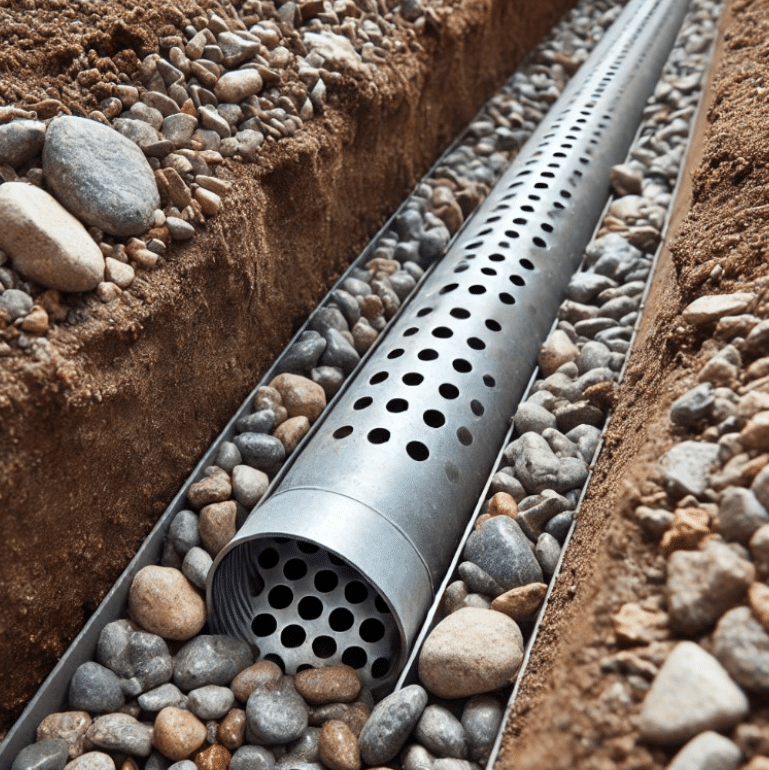
Battling basement dampness can be a daunting duty, and while a French drain might be the first solution that springs to mind, it’s not the only option out there. You’re probably wondering if there are alternatives that can be just as effective, less invasive, or perhaps even more cost-efficient.
Well, your curiosity isn’t misplaced and you’re about to explore some of the other compelling choices like sump pump systems, interior waterproofing methods, exterior drainage solutions, and water barrier paints. But the question remains, which alternative will best suit your specific situation? Let’s investigate.
Key Takeaways
- Consider interior water drainage systems as an alternative to French drains
- Explore concrete sealers to prevent water seepage in the basement
- Look into exterior waterproofing membranes as a barrier against water infiltration
- Consult waterproofing professionals to determine the best alternative solution for basement water issues
Understanding Basement Water Issues
Before diving into alternatives to French drains in your basement, it’s crucial to understand the underlying water issues that can plague this lower level of your home. The primary problems usually stem from groundwater seeping in or from runoff water that hasn’t been directed away properly.
Groundwater seepage occurs when the water table rises above the level of your basement floor. You might notice damp spots, pooling water, or even flooding after heavy rain. On the other hand, runoff water enters typically due to improper grading around your home’s foundation or because of downspouts that are releasing water too close to your home.
Another issue could be condensation. It happens when moist, warm air hits cooler basement surfaces, like walls, water pipes, and concrete floors. You’ll see wet spots, water droplets, or rust on metal surfaces.
Finally, your basement could be experiencing a plumbing leak. Check for dampness around pipes and in walls near your bathroom, kitchen, or laundry room.
Each of these water issues requires a different solution. Therefore, understanding the specific problem in your basement is the first step towards finding the most effective solution.
Benefits of a Sump Pump System
Switching gears to sump pump systems, it’s worth noting that this water management solution can work wonders in keeping your basement dry and free from potential water damage. This tool is particularly useful in rainy seasons when excessive moisture can seep into your home’s foundation.
The sump pump acts as a line of defense against water infiltration. It’s installed in a pit in the lowest part of your basement or crawlspace. As the pit fills with water, the pump activates and moves the water out and away from your home, preventing flooding and moisture-related issues.
Apart from keeping your basement dry, a sump pump has other benefits too. For instance, it can significantly boost your property’s value. Potential homebuyers will appreciate this added layer of protection, especially in areas prone to heavy rainfall. It may even be a requirement in certain flood-prone regions.
Next, sump pumps can protect against mold and mildew, which thrive in damp conditions. By keeping your basement dry, you’re also safeguarding your home’s structural integrity and your family’s health. All in all, a sump pump system is a worthwhile investment for any homeowner.
Interior Basement Waterproofing Methods
While a sump pump system offers substantial benefits, it’s equally important to consider other interior basement waterproofing methods to ensure optimal protection against potential water damage. Each method caters to different situations and depends on the severity of the water intrusion.
Here are three effective methods you might want to explore:
Interior Water Drainage:
This is akin to a less invasive French drain system. It captures water that seeps inside and redirects it outside, away from the foundation. It’s less costly and disruptive compared to exterior methods.
Concrete Sealers:
These are applied to the surfaces of basement walls and floors. They seal the concrete, thereby preventing water from seeping in. It’s a preventive measure and works best for minor dampness.
Waterproof Coatings and Membranes:
These are more robust solutions than sealers. They’re applied like paint and form a waterproof barrier on basement walls. Membranes, on the other hand, are rolled onto the surface and provide a higher degree of protection against water intrusion.
Keep in mind, the best method for your basement largely depends on the specific issues you’re facing. It’s often helpful to consult with a waterproofing professional to determine the most effective approach.
Exterior Drainage Solutions
Diving into exterior drainage solutions, you’ll find they play a crucial role in keeping your basement dry by directing water away from your home’s foundation. They’re designed to prevent water accumulation that can lead to moisture seepage and damage to your basement.
One effective solution is the installation of gutter systems and downspouts. They collect rainwater from your roof and direct it away from your foundation. Make sure they’re properly maintained and free of debris to ensure optimal performance.
Another option is the use of grading or sloping. You can slope the landscape away from your home to prevent water from pooling near the foundation. It’s a natural and cost-effective method to protect your basement.
You might also consider exterior waterproofing membranes. They’re applied to the outside walls of the foundation and act as a barrier to prevent water penetration.
Lastly, there’s the option of exterior drain tiles. These are similar to French drains but are installed around the perimeter of your house.
Choosing a Water Barrier Paint
After exploring exterior drainage solutions, you might find the need for an additional layer of protection inside your home, and this is where the choice of a water barrier paint becomes essential. This type of paint creates a sealant on your basement walls, preventing moisture from seeping into your home. It’s an affordable, efficient alternative to more extensive drainage systems.
When choosing a water barrier paint, consider the following:
Quality: Not all paints are created equal. You’ll want to choose a high-quality, waterproof paint designed specifically for basements.
- Some brands offer paints with mold and mildew resistance, which is a great plus.
- Also, the paint should have excellent adherence capabilities, to remain effective over time.
Application: Applying water barrier paint is a task you can tackle yourself, but ensure you follow the guidelines strictly.
- The wall surface must be clean and dry.
- Apply at least two coats for optimal protection.
Maintenance: Regular maintenance checks are crucial to ensure the paint’s effectiveness.
- Look for any cracks or peeling and repair promptly.
- Reapply every few years as needed.
Choosing the right water barrier paint can save you from potential moisture damage and save you money in the long run.
Frequently Asked Questions
What Is the Average Cost of Installing an Alternative to a French Drain in the Basement?
You’re probably wondering about the average cost of installing a basement drainage alternative to a French drain. It’s hard to pinpoint an exact figure, as it greatly depends on the method used and the size of your basement. However, options like sump pumps or interior perimeter drains usually range between $2,000 to $10,000.
How Long Does the Installation Process for a French Drain Alternative Typically Take?
Imagine yourself in a race against time. You’re installing a sump pump, a common alternative to a French drain. Generally, it takes about one day, depending on the complexity of the job and the size of your basement.
But remember, it’s not a DIY task. Professionals should handle it to ensure proper installation. So, while it’s relatively quick, don’t rush. Quality work preserves your basement’s integrity and protects your home from potential water damage.
Are There Any Maintenance Requirements for Alternatives to French Drains?
Yes, there are maintenance requirements for alternatives to French drains. You’ll need to regularly clean and inspect your sump pump if you’ve chosen that option.
For interior baseboard systems, it’s important to prevent blockages and ensure the system remains dry.
Exterior drain tiles require regular checks for clogs or damage.
Do Alternatives to French Drains Increase the Value of My Property?
Yes, alternatives to French drains can increase your property’s value. Think of it like this: you’re a potential buyer, stepping into a beautifully renovated basement, bone-dry and smelling fresh. You’d certainly pay more for a home with that kind of assurance.
Can Alternatives to French Drains Be Installed in Older Homes or Buildings?
Yes, you can install alternatives to French drains in older homes or buildings. Sump pumps and interior water control systems are viable options. They’re designed to handle large volumes of water, making them effective in damp basements.
However, you should consult with a professional before making a decision, as the best solution depends on your specific situation. It’s crucial to ensure the chosen method won’t compromise the structural integrity of your building.
Conclusion
In your fight against basement water woes, don’t feel chained to French drains. Visualize a powerful sump pump, tirelessly defending your home against encroaching water.
Consider internal waterproofing, a shield turning water away. Imagine an outdoor drainage system, steering water clear of your fortress.
Or, think of water barrier paint as a protective coat of armor. It’s your home. You decide how to best fortify it against the relentless foe of water intrusion.

Ohio State Waterproofing has provided quality service with over 90,000 successful waterproofing and foundation repair installations and satisfied customers since our inception in 1978.
Ohio State Waterproofing’s philosophy for success is to provide honest, courteous and guaranteed service to every customer. Our reputation reflects this. Our well-trained waterproofing technicians are dedicated to complete customer satisfaction. This is achieved through fast, efficient processes as well as teamwork throughout this organization. You will always find a friendly representative willing to meet your needs at Ohio State Waterproofing.
We are a full service company that handles problems ranging from patching cracks to rebuilding basements. In addition, we hold three patents related to waterproofing that make us unique in the industry. These patents and our experience allow us to be able to do what every other waterproofer can do, but no one else can do what we do.
We are actively involved in the industry and community, including the National Association of Waterproofing Contractors, BHA, NARI, NAHB, NHIA, the BIA, the FHA and a number of consumer advocacy groups, as well as playing leading roles in a number of charitable functions.
But, most importantly, our highest degree of praise comes from the thousands of referrals we get from satisfied customers. Together they’ve made us a leader in the basement waterproofing and foundation repair industry.

