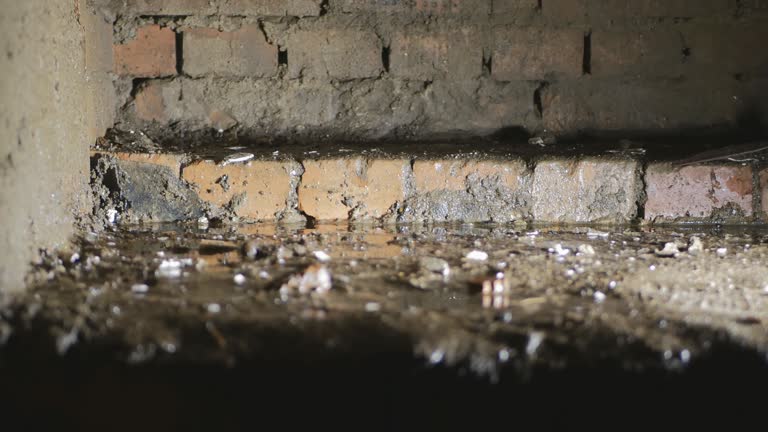
Wet basements are common in Cleveland and can cause structural damage and health concerns. Identifying effective waterproofing and foundation repair options is essential to keep a home safe and dry. This article outlines proven waterproofing techniques, the role of sump pumps, and foundation repair choices, plus prevention best practices and typical local causes so homeowners have a clear framework to act on.
Expert Basement Waterproofing Techniques:
Effective basement waterproofing prevents water intrusion and protects the structure. There are two principal approaches: interior and exterior waterproofing. Each suits different conditions and offers distinct benefits, so understanding both helps homeowners select the best option for their property.
Interior Waterproofing:
Interior waterproofing uses measures inside the basement to stop water entry. Typical work includes installing interior drainage systems that collect and redirect water from the foundation to a pump. Sealants and protective coatings applied to walls and floors form a moisture barrier. These solutions are generally less invasive and can be completed faster than exterior work.
Exterior Waterproofing:
Exterior waterproofing involves excavating around the foundation to apply waterproof membranes and improve drainage. While more labour-intensive, it often delivers a longer-lasting defence against groundwater. Proper grading and surface drainage are essential to move water away from the foundation.
Sump Pumps:
Sump pumps remove water that collects in a sump basin and are critical to preventing basement flooding, especially during heavy rainfall. Installing a sump pump with a battery backup ensures operation during power outages. Regular maintenance and testing verify reliable performance.
Real-world power failures demonstrate why battery backup systems are necessary to maintain water removal capability.
Ohio Backup Power for Sump Pumps
A section of the system in Ohio experienced problems, and this battery back-up unit is used to provide power during distribution system failures.
Emergency and Backup Power Sources: Preparing for Blackouts and Brownouts, 2020
Foundation Repair Options:
Foundation problems often contribute to wet basements and require timely repair. Methods vary with damage severity and commonly include crack repair, wall reinforcement, and piering systems for stabilization. Prompt intervention prevents further deterioration and protects the home’s structural safety.
Foundation Repair Techniques Comparison:
| Repair Technique | Description | Benefit |
|---|
| Crack Repair | Sealing cracks in the foundation | Prevents water intrusion |
| Wall Reinforcement | Adding support to bowing walls | Stabilizes the foundation |
| Piering Systems | Installing piers to support the foundation | Provides long-term stability |
This comparison highlights why the correct repair method depends on the specific foundation issue observed.
Best Practices for Preventing Water Damage:
Preventing water damage preserves a dry, healthy basement. Homeowners should adopt several recommended measures, including the items listed below.
- Regular Inspections: Conduct routine checks for signs of water intrusion or foundation issues.
- Gutter and Downspout Maintenance: Ensure gutters are clean and downspouts direct water away from the foundation.
- Humidity Monitoring: Use dehumidifiers to control moisture levels in the basement.
Consistently applying these practices reduces the likelihood of water damage and long-term repair costs.
What Are the Common Causes of Wet Basements in Cleveland?
Wet basements arise from several causes related to environment and construction. Common contributors include the factors listed below.
- Heavy Rainfall: Excessive precipitation can overwhelm drainage systems.
- Poor Grading: Improper grading can direct water towards the foundation.
- Soil Saturation: High moisture levels in the soil can lead to water seepage.
Recognising these causes enables homeowners to take targeted, preventive actions.
Addressing these causes often requires coordinated stormwater management and infrastructure planning across the city.
Cleveland Stormwater Management & Green Infrastructure
Green infrastructure implementation for stormwater management in Cleveland, Ohio. Local regulatory requirements and environmental factors shaped this approach.
A tale of two rain gardens: Barriers and bridges to adaptive management of urban stormwater in Cleveland,
Ohio, BC Chaffin, 2016
How Do Ohio’s Climate and Soil Conditions Affect Basement Water Issues?
Ohio’s climate, with notable rainfall and snowfall, increases the risk of basement water problems. Regional soils can retain moisture and exert pressure on foundation walls. Homeowners should factor these conditions into their waterproofing plans.
What Structural Problems Lead to Basement Leaks and Mold Growth?
Poor drainage, foundation cracks, and plumbing leaks commonly produce basement leaks and create conditions for mold growth. Promptly correcting these structural problems reduces further damage and health risks related to mold exposure.
Which Basement Waterproofing Methods Are Most Effective in Cleveland?
Effectiveness depends on each property’s conditions. Interior drainage systems, exterior waterproofing, and properly installed sump pumps rank among the most effective approaches in Cleveland. Often, combining methods delivers the best outcome.
How Do Interior Drainage Systems and Sump Pumps Prevent Water Intrusion?
Interior drainage systems collect water that enters the basement and channel it to a sump pump. The pump expels the water before it accumulates and causes damage. This arrangement is reliable in areas with high groundwater levels.
What Are the Benefits of Crawl Space Waterproofing in Ohio Homes?
Crawl space waterproofing provides several practical benefits for Ohio homes, including improved moisture control, better indoor air quality, and enhanced energy efficiency. The measures listed below illustrate key advantages.
- Moisture Control: Reduces humidity levels and prevents mold growth.
- Improved Indoor Air Quality: Minimizes allergens and pollutants entering the home.
- Energy Efficiency: Helps maintain consistent temperatures, reducing heating and cooling costs.
These outcomes make crawl space waterproofing a prudent investment for many homeowners.
When Is Foundation Repair Necessary to Address Wet Basement Problems?
Foundation repair is necessary when signs such as wall or floor cracks, bowing walls, or ongoing water intrusion appear. Delaying repair can lead to structural instability and higher remediation costs.
How Do Foundation Cracks Contribute to Water Damage and Structural Risks?
Cracks in the foundation provide channels for water to enter the basement, increasing moisture and the potential for mold. Over time, such cracks can undermine the home’s structural integrity and lead to more extensive damage.
What Repair Techniques Ensure Long-Term Stability and Mold Prevention?
To achieve long-term stability and reduce mold risk, consider a combination of targeted repairs. The following techniques are commonly used:
- Crack Sealing: Filling and sealing foundation cracks to prevent water entry.
- Interior Drainage Systems: Installing systems to manage water effectively.
- Sump Pump Installation: Ensuring proper water removal from the basement.
Applied together, these measures create a drier, more stable environment and lower the risk of mold growth.
How Can Homeowners Access Free Inspections and Reliable Wet Basement Solutions?
Homeowners in Cleveland can obtain free inspections and reliable wet basement solutions from local service providers. Ohio State Waterproofing specialises in basement waterproofing and foundation repair for Cleveland and nearby Ohio communities. For more information, contact Ohio State Waterproofing at 330-467-1055.
What Does a Comprehensive Basement Waterproofing Inspection Include?
A comprehensive inspection commonly comprises the following elements:
- Visual Inspection: Assessing the condition of walls, floors, and drainage systems.
- Moisture Assessment: Measuring humidity levels and identifying potential sources of water intrusion.
- Drainage Evaluation: Reviewing the effectiveness of existing drainage systems.
This thorough evaluation identifies issues and supports a clear recommendation for the appropriate waterproofing strategy.
How Does Ohio State Waterproofing Customize Solutions for Cleveland Homes?
Ohio State Waterproofing tailors solutions by performing detailed assessments of each property and the homeowner’s concerns. This targeted approach ensures recommended waterproofing and repair methods are suitable and deliver durable results.