
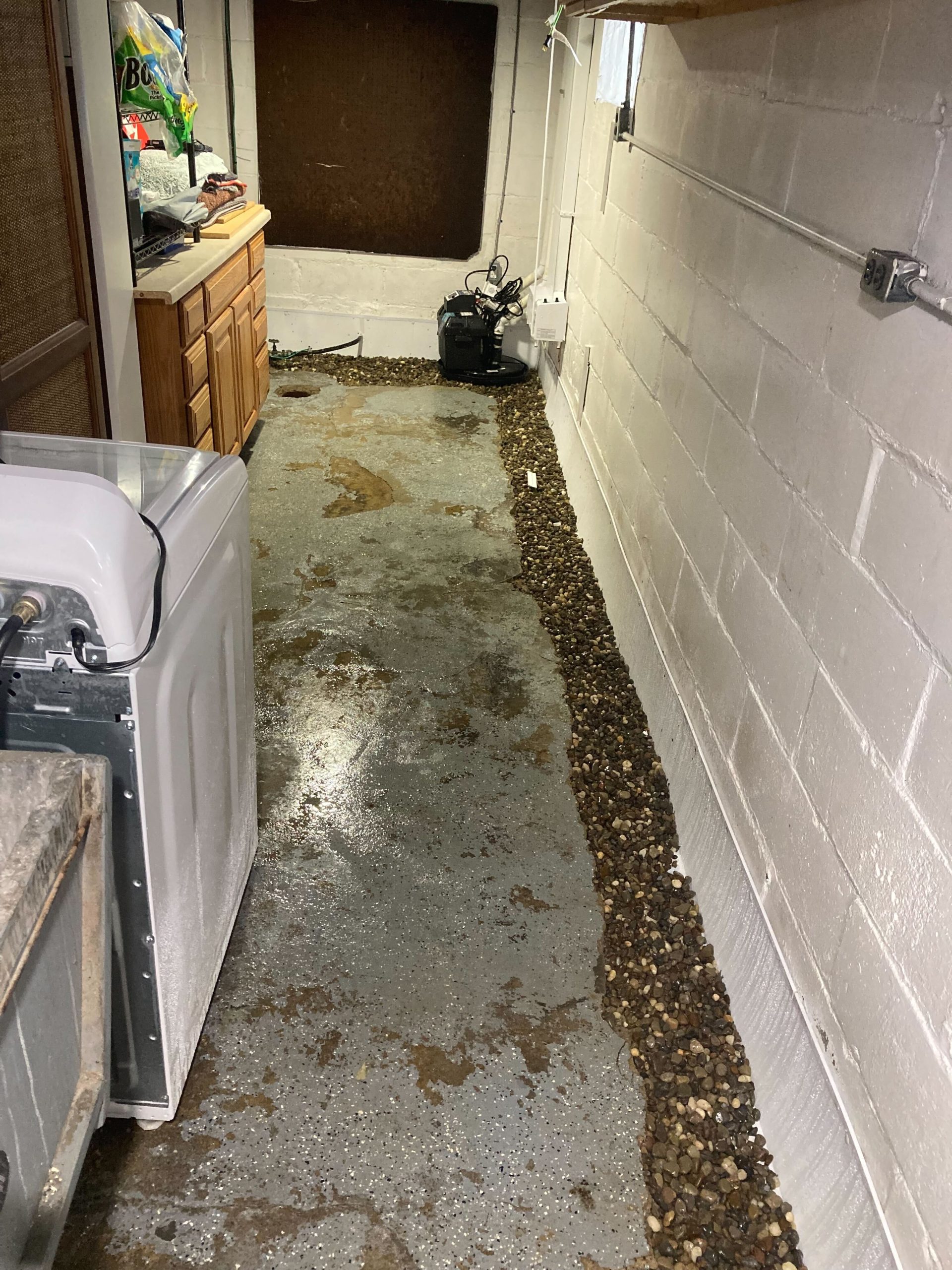
 Ever had to deal with a wet, damp basement? It’s more than just an inconvenience; it’s a risk to your home’s structural integrity and your family’s health. You’ve probably tried a few quick fixes but let’s face it, they’re just that – temporary. Achieving a permanently dry basement requires a commitment to waterproofing excellence. But how do you get there and what does it entail? More importantly, how can you guarantee that once your basement is dry, it stays that way? Stay with me, and we’ll explore some proven strategies and techniques that can help you conquer this problem for good.
Key Takeaways
- Regularly inspect your basement for signs of moisture such as musty odor, damp spots, and visible mold growth.
- Apply appropriate waterproofing methods like exterior waterproofing membranes, interior sealants, or installation of sump pumps based on the severity of moisture problems.
- Prepare your basement thoroughly by cleaning and inspecting for cracks, then seal entry points with a quality crack filler.
- Maintain your basement regularly, including gutter maintenance, sump pump checks, and inspections for signs of water damage or leaks.
- Invest in high-quality waterproofing materials and regular maintenance to protect your property’s structural integrity and increase its value.
Understanding Basement Moisture Problems
The menace of moisture can turn your basement into a damp, musty nightmare. You might notice signs like a musty odor, damp spots on the walls, or even visible mold growth. These are all indications of a moisture problem, which can cause serious damage over time if it’s not addressed.
Moisture can come into your basement in several ways. It might seep in through cracks in the walls or the floor, or it could come from condensation on cold surfaces. Sometimes, it’s due to poor drainage around the house, causing rainwater or melted snow to pool against the foundation.
It’s important to understand that not all moisture problems are the same. Some are relatively minor and can be solved with simple fixes, like sealing cracks or improving ventilation. Others, however, might require more extensive measures, such as installing a drainage system or waterproofing the walls.
Regardless of the cause, it’s essential to tackle moisture problems as soon as you spot them. Ignoring them won’t make them go away; it’ll only let them get worse.
And the worse they get, the more damage they can do to your home and your health.
Assessing Your Basement’s Vulnerability
Before diving into solutions, it’s crucial to assess your basement’s vulnerability to moisture problems.
Begin by examining the site around your home. Is the ground sloping away from your house, or is water pooling near the foundation? A negative slope can direct water towards your basement, increasing moisture issues.
Next, consider the state of your gutters and downspouts. If they’re blocked or improperly installed, they could be contributing to your basement’s dampness. They should be routing water a good distance from your home.
Now, inspect the inside of your basement. Look for signs of water damage such as damp spots, mold growth, or peeling paint. These could indicate a moisture problem.
Also, pay attention to any musty odors, as they can be a telling sign of hidden moisture issues.
Finally, consider the age and construction of your basement. Older basements, especially those with stone walls or inadequate drainage systems, are more prone to water issues.
It’s also worth noting the types of soil around your property, as some can hold more water than others.
Choosing the Right Waterproofing Materials
Having surveyed your basement’s vulnerability to water issues, you’re now better equipped to select the correct waterproofing materials. This step is paramount, as the right materials will guarantee your basement remains dry, consequently protecting your investment.
Firstly, consider waterproofing paints and sealants. These products are easy to apply and form a waterproof barrier on your walls. Waterproofing paints, such as latex or oil-based products, are suitable for minor dampness.
However, for more severe moisture problems, you’ll need a more robust solution. Cue in waterproofing membranes. These are sheets of waterproof material that you affix to your basement walls. They’re effective in combating serious water intrusion but require more work to install.
Lastly, there’s the option of using concrete waterproof coatings. These are thicker than paint and form a cement-like barrier against water. They’re ideal for basements with prominent water issues.
Essential Steps in Waterproofing Your Basement
Your basement’s transformation into a dry, comfortable space begins with a thorough cleaning. Remove any debris, dust, and accumulated junk to create a conducive environment for the waterproofing process. You’re not just tidying up; you’re preparing the walls and floor for the sealants and coatings that’ll keep water out.
Next, inspect your basement for any cracks or leaks. These are entry points for water, and they need to be sealed. Use a quality crack filler to close these gaps. Don’t rush this step; ensuring a solid, watertight seal is vital.
Once the cracks are filled, apply a waterproof primer to the walls and floor. This primer acts as an additional barrier against moisture, preparing the surface for the final step – the waterproofing paint.
Apply the paint evenly, ensuring every inch of the surface is covered. Two coats are often recommended for maximum protection.
Lastly, don’t forget about your basement windows. These can be a significant source of leaks if not properly sealed. Use a silicone caulk to seal the edges of the window frames.
Professional Tips for Basement Waterproofing
While the steps outlined in the previous section lay a strong foundation for a dry basement, there’s more to waterproofing than meets the eye.
First off, consider hiring a professional to conduct a thorough inspection. They’ll identify potential water entry points you might’ve missed and provide a detailed repair plan. You’ll save time, money, and avoid future damage.
Next, don’t overlook the importance of quality materials. While it may be tempting to save a few bucks on cheaper alternatives, it’s a decision you’ll likely regret down the line. High-quality sealants, for instance, provide a stronger, longer-lasting barrier against moisture.
Lastly, think about installing a sump pump if you haven’t already. This device collects water from around your basement and pumps it away from your home. It’s a crucial line of defense against flooding, especially for properties prone to high water levels.
Maintaining Your Waterproofed Basement
Once the basement has been waterproofed, the battle isn’t over. Regular maintenance is key to guaranteeing your basement stays dry and damage-free. You can’t just waterproof it and forget about it.
First, keep your gutters clean and confirm they’re directing water away from your house. Second, regularly inspect the interior and exterior of your basement for signs of water damage or leaks. Third, verify your sump pump is working correctly and check it regularly, especially during heavy rains.
| Maintenance Task | Frequency | Importance |
|---|---|---|
| Clean Gutters | Quarterly | Prevents water buildup and directs water away from the house |
| Inspect Basement | Monthly | Identifies potential issues before they become major problems |
| Check Sump Pump | Bi-Weekly | Confirms water is being properly pumped out |
Each of these tasks plays an essential role in maintaining your waterproofed basement. By performing them regularly, you’ll likely avoid major water issues and costly repairs down the road. Remember, a dry basement isn’t just about comfort—it’s about avoiding the structural damage that water can cause. So, stay vigilant and keep your basement dry.
Overcoming Common Waterproofing Challenges
Maneuvering through the maze of waterproofing challenges can be intimidating, but it’s not an impossible task. Your first hurdle might be identifying the source of water leakage. Water can seep into your basement from various places, such as cracks in the walls, floor, and foundational joints. Identifying the source is essential, so you can employ the most effective waterproofing solution.
Next, you may encounter difficulties choosing the right waterproofing method. There are several options available, from interior water drainage to exterior waterproofing, each with its pros and cons. The key is understanding your home’s unique requirements and which method will provide the best long-term protection.
Finally, budget constraints can become a challenge. Waterproofing a basement can be a costly affair, depending on the method chosen and the extent of the problem. However, don’t let the price tag deter you. Remember, it’s a long-term investment to protect your home’s structural integrity and increase its value.
Overcoming these common waterproofing challenges might seem overwhelming at first, but with careful planning, the right guidance, and a bit of patience, you’ll keep your basement dry for good.
Frequently Asked Questions
What Are the Costs Associated With Waterproofing a Basement?
You’ll find that costs vary depending on the extent of waterproofing needed. It can range from $500 for simple sealants up to $10,000 for extensive repairs. Always get quotes to understand your specific waterproofing costs.
Can Waterproofing Increase the Value of My Home?
Absolutely, waterproofing can increase your home’s value. It not only prevents costly damage but also makes your basement livable. Buyers often pay more for homes with usable, dry basements, boosting your property’s overall value.
How Long Does the Waterproofing Process Typically Take?
You’re wondering about the duration of the waterproofing process. Typically, it’s a 2-3 day job. However, it can vary based on your home’s size and the severity of the issues. Always plan for the unexpected.
Is It Possible to DIY Basement Waterproofing or Should I Hire a Professional?
You can DIY basement waterproofing, but it’s challenging. Hiring a professional guarantees the job’s done right. They’ll have the right tools, knowledge, and experience. Don’t risk missing a spot and having water damage later.
Are There Any Potential Health Risks Associated With a Wet Basement?
Yes, there are health risks tied to a wet basement. It’s a breeding ground for mold and mildew, which can cause respiratory issues. Plus, dampness may attract pests, adding to your home’s health hazards.
Conclusion
Just like a well-oiled machine, your home’s waterproofing system needs regular maintenance to function flawlessly. By understanding moisture problems, selecting superior materials, and following professional waterproofing tips, you can keep your basement dry for good. Overcoming common challenges guarantees your property remains a stronghold against water intrusion. Investing in waterproofing isn’t just about preventing damage, it’s about enhancing your home’s value. So, stay vigilant, because a dry basement is a sign of a well-maintained home.

Ohio State Waterproofing has provided quality service with over 90,000 successful waterproofing and foundation repair installations and satisfied customers since our inception in 1978.
Ohio State Waterproofing’s philosophy for success is to provide honest, courteous and guaranteed service to every customer. Our reputation reflects this. Our well-trained waterproofing technicians are dedicated to complete customer satisfaction. This is achieved through fast, efficient processes as well as teamwork throughout this organization. You will always find a friendly representative willing to meet your needs at Ohio State Waterproofing.
We are a full service company that handles problems ranging from patching cracks to rebuilding basements. In addition, we hold three patents related to waterproofing that make us unique in the industry. These patents and our experience allow us to be able to do what every other waterproofer can do, but no one else can do what we do.
We are actively involved in the industry and community, including the National Association of Waterproofing Contractors, BHA, NARI, NAHB, NHIA, the BIA, the FHA and a number of consumer advocacy groups, as well as playing leading roles in a number of charitable functions.
But, most importantly, our highest degree of praise comes from the thousands of referrals we get from satisfied customers. Together they’ve made us a leader in the basement waterproofing and foundation repair industry.

