
A basement can be a valuable extension of your home’s living space, offering additional room for storage, recreation, or even extra bedrooms. However, basements are notorious for water problems, which can lead to mold, structural damage, and poor indoor air quality. Waterproofing your basement is essential to protect your investment and maintain a healthy living environment. This guide will provide an in-depth look at basement waterproofing, including the causes of basement water issues, methods for prevention, and steps for remediation.
Understanding Basement Water Problems
Common Causes of Basement Water Issues
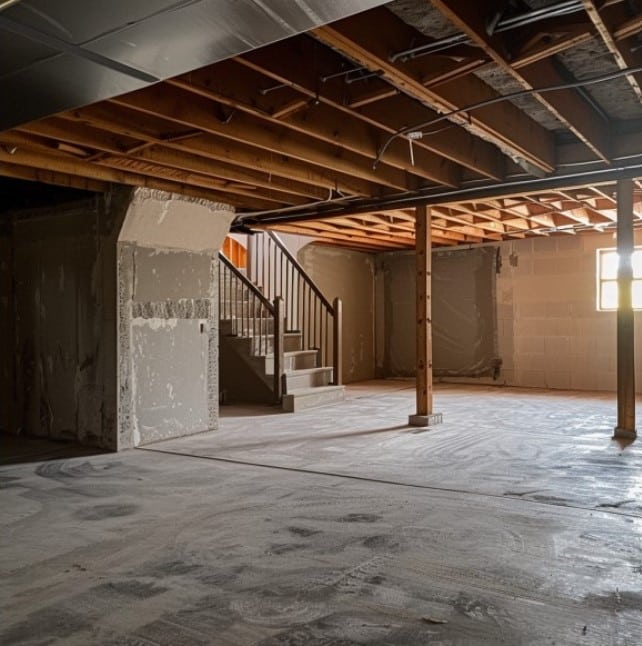
- Poor Drainage Systems: Inefficient or clogged drainage systems can lead to water pooling around the foundation, eventually seeping into the basement.
- Hydrostatic Pressure: Water in the soil can exert pressure on basement walls, causing cracks and water infiltration.
- Foundation Cracks: Cracks in the foundation, whether due to settling or structural issues, provide a direct path for water to enter the basement.
- Gutter and Downspout Issues: Improperly installed or maintained gutters and downspouts can direct water towards the foundation rather than away from it.
- Improper Grading: If the land around your home slopes towards the foundation, it can direct rainwater into your basement.
Signs of Water Problems
- Damp Walls and Floors: Persistent dampness on walls and floors is a clear indicator of water infiltration.
- Efflorescence: White, powdery deposits on basement walls are caused by water evaporating and leaving behind mineral deposits.
- Mold and Mildew: The presence of mold and mildew, along with a musty odor, indicates chronic moisture problems.
- Peeling Paint: Moisture can cause paint to bubble and peel away from basement walls.
- Water Stains: Stains on walls, floors, and stored items are a sign of water intrusion.
Preventive Measures for Basement Waterproofing
Exterior Waterproofing Solutions
- Proper Grading: Ensure that the ground around your home slopes away from the foundation. A minimum slope of 6 inches over 10 feet is recommended.
- Gutters and Downspouts: Install gutters and downspouts to direct water away from the foundation. Clean them regularly to prevent clogs.
- French Drains: These are trench drains filled with gravel and a perforated pipe that redirect water away from the foundation.
- Exterior Waterproofing Membranes: Apply waterproof membranes or coatings to the exterior foundation walls to prevent water penetration.
- Landscape Management: Plant trees and shrubs away from the foundation to prevent roots from damaging the waterproofing system.
Interior Waterproofing Solutions
- Interior Sealants: Apply waterproof sealants to basement walls and floors to create a barrier against moisture.
- Sump Pumps: Install a sump pump in a pit to collect and pump out groundwater that accumulates around the foundation.
- Interior Drainage Systems: Install an interior French drain system around the perimeter of the basement floor to collect and channel water to the sump pump.
- Dehumidifiers: Use dehumidifiers to control humidity levels and prevent condensation.
- Vapor Barriers: Install vapor barriers on walls and floors to prevent moisture from entering the basement.
Steps for Basement Waterproofing
Step 1: Assess the Problem
Before starting any waterproofing project, it is essential to assess the extent of the water problem. Identify the sources of water infiltration and the severity of the issue. This can involve visual inspections, moisture meters, and professional evaluations.
Step 2: Clean and Prepare the Area
Remove any items from the basement to access walls and floors. Clean the affected areas to remove mold, mildew, and efflorescence. Repair any cracks or damage to the foundation walls.
Step 3: Implement Exterior Solutions
- Excavation: If exterior waterproofing is required, excavate around the foundation to expose the walls.
- Apply Waterproofing Membrane: Apply a waterproofing membrane or coating to the exterior foundation walls.
- Install Drainage Systems: Install exterior drainage systems such as French drains to redirect water away from the foundation.
- Backfill and Grade: Backfill the excavation with gravel and soil, ensuring proper grading away from the foundation.
Step 4: Implement Interior Solutions
- Seal Walls and Floors: Apply waterproof sealants to interior walls and floors.
- Install Sump Pump: Install a sump pump in a pit to collect and pump out groundwater.
- Interior Drainage System: Install an interior French drain system to collect and channel water to the sump pump.
- Dehumidification: Use dehumidifiers to control humidity levels.
Step 5: Regular Maintenance
- Inspect and Clean Gutters: Regularly inspect and clean gutters and downspouts to prevent clogs.
- Check Grading: Ensure that the ground around your home maintains a proper slope away from the foundation.
- Inspect Waterproofing Systems: Periodically inspect both interior and exterior waterproofing systems for any signs of damage or failure.
- Maintain Sump Pump: Test the sump pump regularly to ensure it is functioning correctly.
DIY vs. Professional Waterproofing
DIY Waterproofing
For minor water problems, DIY solutions can be effective and cost-efficient. Applying sealants, installing a dehumidifier, and maintaining gutters and downspouts are tasks that most homeowners can handle. However, it is crucial to be realistic about the scope of the problem and your skill level.
Professional Waterproofing
For more severe water problems or structural issues, it is advisable to hire a professional waterproofing contractor. Professionals have the expertise, equipment, and materials to handle complex waterproofing projects. They can provide comprehensive solutions such as exterior excavation, foundation repairs, and installation of advanced drainage systems.
Cost of Basement Waterproofing
Factors Affecting Cost
- Severity of the Problem: The extent of water damage and the complexity of the waterproofing solution required will significantly impact the cost.
- Type of Waterproofing Solution: Exterior solutions such as excavation and membrane application are generally more expensive than interior solutions.
- Foundation Condition: The condition of the foundation and the need for repairs will affect the overall cost.
- Contractor Fees: Labor costs vary by region and the contractor’s expertise.
Average Costs
- Exterior Waterproofing: $3,000 to $10,000
- Interior Waterproofing: $500 to $4,000
- Sump Pump Installation: $1,000 to $2,500
- French Drain Installation: $1,000 to $3,000
It is essential to obtain multiple quotes from reputable contractors to get an accurate estimate for your specific project.
The Importance of Waterproofing for Indoor Air Quality
Mold and Mildew Prevention

Moisture in the basement creates an ideal environment for mold and mildew growth, which can negatively impact indoor air quality. Mold spores can spread throughout the home, causing respiratory issues, allergies, and other health problems. Proper waterproofing prevents mold growth by eliminating the source of moisture.
Structural Integrity
Water infiltration can weaken the foundation and structural components of your home, leading to costly repairs and potential safety hazards. By waterproofing your basement, you ensure the long-term stability and integrity of your home’s structure.
Health and Comfort
A dry basement contributes to a healthier and more comfortable living environment. Waterproofing reduces humidity levels, preventing musty odors and the proliferation of dust mites, which thrive in damp conditions. Improved air quality and a dry living space enhance overall comfort and well-being.
Key Takeaways: Protect Your Home with Basement Waterproofing
Basement waterproofing is a critical aspect of home maintenance that protects your investment and ensures a healthy living environment. Understanding the causes of water problems and implementing effective preventive measures can save you from costly repairs and health issues. Whether you opt for DIY solutions or hire a professional, addressing basement water issues promptly is essential for maintaining the integrity and comfort of your home.
Investing in comprehensive waterproofing solutions not only prevents water damage but also enhances the overall value and longevity of your property. Regular maintenance and periodic inspections will help keep your basement dry and your indoor air quality at its best. By taking proactive steps to waterproof your basement, you create a safer, healthier, and more enjoyable living space for you and your family.

Ohio State Waterproofing has provided quality service with over 90,000 successful waterproofing and foundation repair installations and satisfied customers since our inception in 1978.
Ohio State Waterproofing’s philosophy for success is to provide honest, courteous and guaranteed service to every customer. Our reputation reflects this. Our well-trained waterproofing technicians are dedicated to complete customer satisfaction. This is achieved through fast, efficient processes as well as teamwork throughout this organization. You will always find a friendly representative willing to meet your needs at Ohio State Waterproofing.
We are a full service company that handles problems ranging from patching cracks to rebuilding basements. In addition, we hold three patents related to waterproofing that make us unique in the industry. These patents and our experience allow us to be able to do what every other waterproofer can do, but no one else can do what we do.
We are actively involved in the industry and community, including the National Association of Waterproofing Contractors, BHA, NARI, NAHB, NHIA, the BIA, the FHA and a number of consumer advocacy groups, as well as playing leading roles in a number of charitable functions.
But, most importantly, our highest degree of praise comes from the thousands of referrals we get from satisfied customers. Together they’ve made us a leader in the basement waterproofing and foundation repair industry.

