
 Seasonal basement water intrusion can be a real headache, can’t it? You’ve probably tried a handful of solutions, but have you considered a combination of proper drainage systems, regular maintenance, and waterproofing techniques? We’re talking about exterior drainage to keep water at bay, sump pumps for those rainy days, and moisture barriers to protect your basement walls. But there’s more to it than just these steps. How about we explore this a bit further and find the best solution to keep your basement dry all year round?
Seasonal Basement Waterproofing: Top Tips for a Dry FoundationKey Takeaways
- Install waterproof barriers and regularly inspect for damage to prevent seepage during heavy rainfall seasons.
- Maintain effective drainage systems, including interior, exterior, and baseboard systems, to manage seasonal water accumulation.
- Regularly test and maintain sump pumps, considering backup power options for continuous operation during power outages in stormy seasons.
- Apply waterproofing techniques to basement walls, using materials like rigid foam board and spray foam to repel seasonal moisture.
- Implement landscaping techniques like strategic planting, soil modification, and proper soil grading to ensure water is directed away from the home.
Understanding Basement Water Intrusion
The problem of basement water intrusion is a common and troubling issue that many homeowners face. It’s not just a nuisance; it can also cause damage to your home and create a breeding ground for mold and mildew.
The key to tackling this problem is to understand it and then take appropriate measures.
Firstly, you need to focus on moisture control. This involves identifying the sources of moisture in your basement. It could be due to condensation, runoff, or groundwater swelling. Once you’ve identified the source, you can take steps to reduce moisture levels.
Next, consider installing waterproof barriers. These barriers, often made of plastic or rubber, are designed to stop water from seeping into your basement. They’re typically installed on the exterior of your basement walls.
When you’re selecting a waterproof barrier, it’s important to choose one that’s durable and resistant to the elements.
The Role of Proper Drainage
In your fight against seasonal basement water intrusion, a well-implemented drainage system is your key ally.
Understanding the intricacies of basement drainage systems helps you pinpoint weak areas that may contribute to water accumulation.
Understanding Basement Drainage Systems
Without proper drainage, your basement can quickly turn from a cozy retreat into a damp disaster. It’s crucial to understand the types of drainage systems available and how they function to prevent water intrusion.
There are primarily three types of basement drainage systems: interior, exterior, and baseboard. The interior system collects water once it enters your basement and redirects it using a sump pump. The exterior system prevents water from entering your basement in the first place by directing it away from your foundation. The baseboard system uses a hollow baseboard along the edge of the basement floor to collect water and drain it out.
Regular sump pump maintenance plays an essential role in keeping your basement dry. Without it, any drainage system can fail, leading to potential water damage.
Here’s a table comparing the three drainage system types:
| System Type | Prevents Entry | Collects After Entry | Requires Sump Pump |
|---|---|---|---|
| Interior | No | Yes | Yes |
| Exterior | Yes | No | No |
| Baseboard | No | Yes | Yes |
Understanding these systems is the first step to choosing the right solution for your basement.
Implementing Effective Drainage Solutions
Having a grasp on the different types of basement drainage systems is a great start. Now, it’s time to delve into implementing effective drainage solutions. Your home’s drainage system plays a pivotal role in preventing basement water intrusion, especially during seasonal changes.
To keep your basement dry, you need to prioritize drainage maintenance. This involves regular inspections and cleaning of your drainage system. Don’t underestimate the power of a well-maintained drainage system. It’ll serve as a reliable shield against water intrusion, even during heavy rainfall or melting snow periods.
When implementing your drainage solution, consider the landscape around your home. A well-graded yard directs water away from your house, reducing the pressure on your basement walls. It’s an essential preventive measure you can’t afford to overlook.
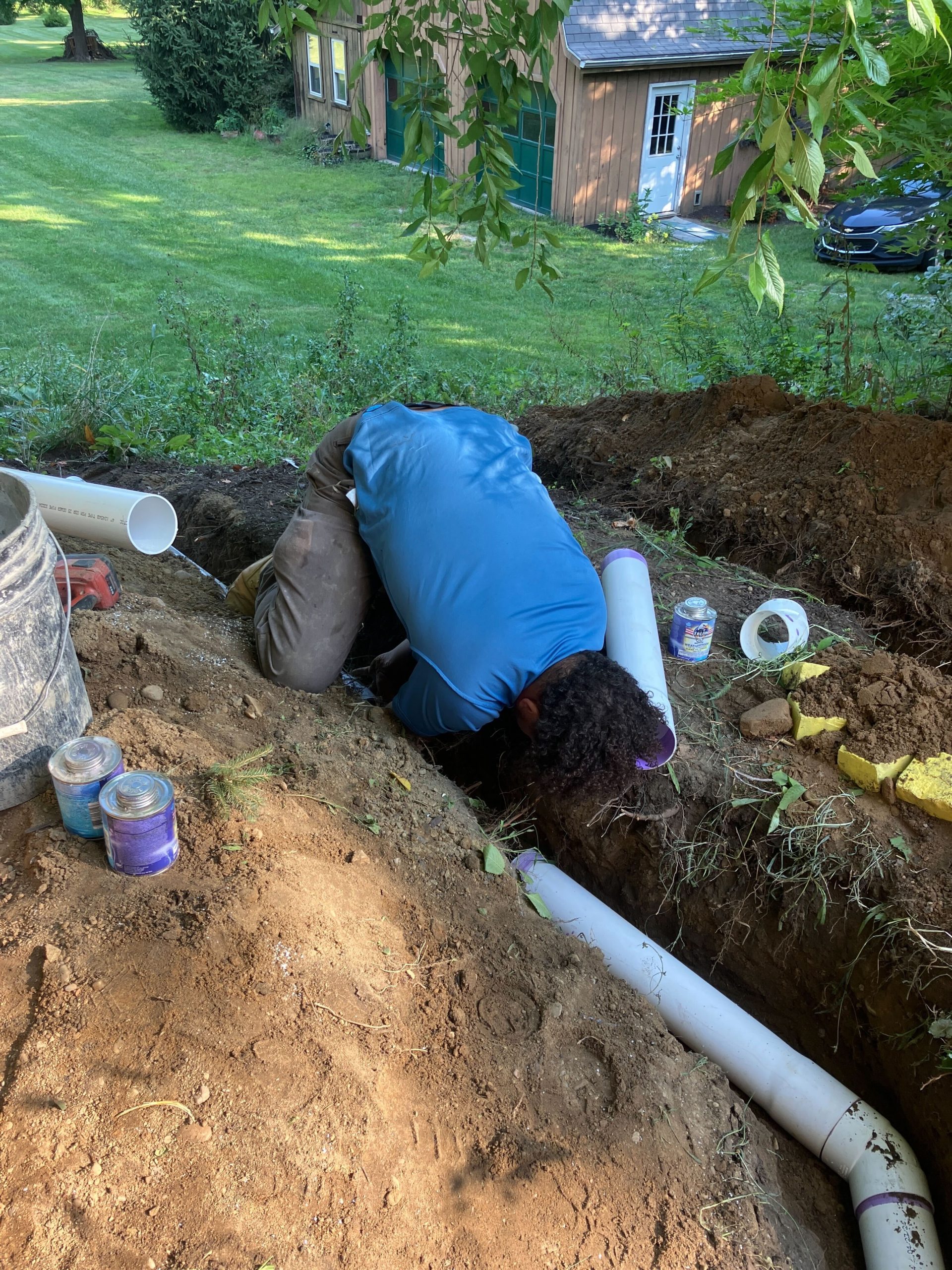
Moreover, ensure your gutters and downspouts are functioning correctly. They direct roof runoff away from your house, preventing it from pooling around your foundation. Install downspout extensions if necessary, to further guide water away from your home.
Lastly, consider installing a sump pump system for added protection. This device pumps out any water that seeps into your basement, keeping it dry and safe.
With these effective drainage solutions implemented, you’ll minimize seasonal basement water intrusion significantly.
Sealing Cracks and Gaps
Now, let’s tackle the issue of sealing cracks and gaps in your basement.
You’ll need to know how to identify these problematic areas and choose the right sealants to address them.
Understanding effective sealing techniques is crucial to ensure a watertight basement, regardless of the season.
Identifying Basement Cracks
Almost every homeowner will encounter the common issue of basement cracks at some point. Identifying these early is crucial to prevent water intrusion. Start by understanding crack types and getting the right inspection tools.
Cracks frequently occur in three types: horizontal, vertical, and diagonal. Horizontal cracks often indicate soil pressure, while vertical ones typically result from contraction or settlement. Diagonal cracks, on the other hand, suggest differential settling.
You’ll need some tools for the inspection. A flashlight is essential for illuminating dim areas. A screwdriver can help identify loose or flaking material, and a measuring tape can gauge crack width and length.
Here’s a handy table for reference:
| Crack Type | Likely Cause |
|---|---|
| Horizontal | Soil Pressure |
| Vertical | Contraction/Settlement |
| Diagonal | Differential Settling |
Selecting Appropriate Sealants
Wondering how to treat those unsightly cracks you’ve spotted in your basement? It’s time to delve into the world of sealants. Selecting the right sealant is a crucial step in preventing seasonal water intrusion.
There’s a variety of sealant types to choose from, each with their own pros and cons. The most common ones are acrylic, silicone, and polyurethane.
Acrylic sealants are water-based, easy to apply, and clean up with soap and water. They’re ideal for small, non-moving cracks.
Silicone sealants, however, are more flexible and better for larger, moving cracks. Polyurethane sealants are the most durable and are excellent for sealing gaps and cracks in your basement’s concrete.
Next, let’s touch on application methods. For smaller cracks, you can use a caulking gun to apply the sealant smoothly and evenly.
For larger cracks or gaps, a trowel might be more effective. Always ensure the area is clean and dry before applying the sealant, for the best results.
Effective Sealing Techniques
Understanding the art of sealing is the first step towards achieving a dry, leak-free basement. It’s not just about slapping on any sealant; you’ve got to choose the right ones and apply them correctly.
To start, you’ll want to effectively seal cracks and gaps. For this, use a high-quality, flexible sealant that can expand and contract with your home’s natural movements. Make sure you’re getting into every nook and cranny – it’s the small, overlooked gaps that can cause the biggest headaches.
Next, consider applying waterproof membranes. These act as an additional layer of protection, preventing water from seeping into your basement. They’re typically applied over the surface of your basement walls, forming a solid, watertight barrier.
But remember, preparation is key – you’ll need to ensure your walls are clean and dry before applying.
Finally, don’t forget about moisture barriers. These are especially important in areas with high humidity or where groundwater is an issue. They work by trapping moisture, preventing it from penetrating into your basement.
Install them on the exterior of your basement walls for the best results.
With these effective sealing techniques, you’ll be well on your way to a dry, water-free basement, no matter the season.
The Importance of Sump Pumps
When dealing with basement water intrusion, one cannot underestimate the importance of sump pumps. These devices, typically installed at the lowest point of your basement, are designed to divert water away from your home, keeping your basement dry.
There are various sump pump types to consider. These include submersible pumps, pedestal pumps, and battery backup sump pumps. Each type has its own set of advantages and is suited for different situations.
| Sump Pump Type | Ideal Situation |
|---|---|
| Submersible Pump | High water volume, long operating hours |
| Pedestal Pump | Lower water volume, intermittent use |
| Battery Backup Pump | Power outages or primary pump failure |
Just as crucial as choosing the right type is sump pump maintenance. A poorly maintained pump won’t protect your basement during heavy rains or snowmelt. Regular checks, cleaning, and timely repairs are essential. Make sure the pump isn’t clogged with debris, and test it regularly to ensure it’s in working order. A well-maintained sump pump can effectively combat seasonal water intrusion, keeping your basement dry and your home safe.
Waterproofing Your Basement Walls
While sump pumps play a key role in managing basement water intrusion, it’s equally important to consider another preventative measure: waterproofing your basement walls. This process will create a barrier between your home’s interior and the elements, blocking excess water and dampness from seeping in.
To accomplish this, moisture barriers are your first line of defense. These are sheets or sprays of water-resistant material applied directly to your basement walls. They’re designed to repel water, not just block it, making them highly effective against water intrusion.
But don’t stop there. Consider interior insulation as well. This not only helps to keep your basement warm in winter and cool in summer, but it also provides an extra layer of protection against moisture. Insulation materials like rigid foam board or spray foam are excellent choices as they don’t absorb water.
Remember, waterproofing isn’t a one-and-done deal. It requires regular checks and maintenance to ensure its effectiveness. Look for signs of wear or damage and address them promptly to protect your basement.
It’s clear that waterproofing your basement walls is a crucial step in managing seasonal water intrusion. So don’t wait, start safeguarding your basement now.
Landscaping Techniques to Prevent Flooding
Beyond simply waterproofing your basement walls, you can also use strategic landscaping techniques to combat potential flooding. One such method is the utilization of drainage plants. These are plants that thrive in water-rich environments and can help absorb excess water in your yard.
Planting them strategically along the wettest areas of your yard can significantly reduce the amount of water that reaches your foundation.
Next, consider the importance of soil grading. This refers to the slope and contour of your land. If your yard slopes towards your house, you’re inviting water right into your basement.
Instead, you’ll want to ensure that the land slopes away from your home. This can be achieved by adding or removing soil in strategic places.
Professional Solutions for Water Intrusion
Despite the effectiveness of landscaping techniques in preventing water intrusion, there are situations where professional intervention may be necessary. You’ll find that drainage maintenance and the installation of moisture barriers are two key services provided by professionals to tackle this problem.
Drainage maintenance is essential for a dry basement. Professionals won’t only inspect and clean your existing drainage systems, but they might also suggest modifications or additional systems to better manage water around your property.
They’ll evaluate the grade of your landscape, the condition of your sump pump, and the effectiveness of your gutters and downspouts.
On the other hand, moisture barriers offer a more direct line of defense against water intrusion. Professionals will install these barriers, typically made from plastic or foil sheeting, on the inside of your basement walls to prevent moisture from seeping in.
This is often combined with other solutions like the application of waterproofing paint or the installation of a dehumidifier, improving the overall environment in your basement.
Frequently Asked Questions
What Are the Health Risks Associated With Basement Water Intrusion?
You’re at risk of mold growth when there’s basement water intrusion.
This mold can severely impact your home’s air quality, leading to health issues like allergies, asthma attacks, and other respiratory conditions.
Long-term exposure might also lead to severe problems such as lung infections.
It’s crucial to address water intrusion promptly to prevent these health risks and maintain a safe, healthy living environment.
How Often Should I Check for Signs of Water Intrusion in My Basement?
You should conduct a basement inspection for signs of water intrusion at least once every season.
Utilize moisture detection methods like moisture meters and hygrometers to identify potential issues.
Don’t forget to check after heavy rains, as this is when problems often surface.
If you’re in a flood-prone area, more frequent checks may be needed.
Regularly inspecting your basement can help prevent significant damage and maintain a healthy living environment.
Can Water Intrusion Affect the Structural Integrity of My Home?
Yes, water intrusion can indeed affect the structural integrity of your home.
It’s not just about dampness or mold; it can lead to serious foundation damage.
Remember, your home’s strength relies on a solid, dry foundation.
Without proper moisture control, water can seep in, weaken your foundation, and cause significant damage.
How Costly Can a Repair for Basement Water Intrusion Become?
Repair costs for basement water intrusion can vary greatly, depending on the severity of the damage.
You’re looking at a range from a few hundred to several thousand dollars.
However, remember that prevention strategies, like proper water sealing and drainage systems, can save you a bundle.
It’s better to invest in these upfront, rather than dealing with hefty repair bills and potentially serious structural issues down the line.
Are There Insurance Policies That Cover Damage From Basement Water Intrusion?
Yes, there are insurance policies that specifically cover damage from basement water intrusion.
You’ll typically find this coverage in flood insurance policies.
It’s crucial to thoroughly review your policy coverage to ensure it includes basement flooding.
It’s also a good idea to consult with an insurance expert or your insurance agent to understand the specifics of what’s covered and what isn’t, as every policy can have different stipulations.
Conclusion
So, you’ve learned how vital it is to manage basement water intrusion. Effective drainage, sealing gaps, sump pump usage, waterproofing, and landscaping all play crucial roles. Don’t forget, regular maintenance and checks are key in keeping your basement dry and safe year-round. If you’re overwhelmed, professionals can provide the best solution to fit your needs. Implement these techniques and say goodbye to seasonal basement flooding. You’ve got this!

Ohio State Waterproofing has provided quality service with over 90,000 successful waterproofing and foundation repair installations and satisfied customers since our inception in 1978.
Ohio State Waterproofing’s philosophy for success is to provide honest, courteous and guaranteed service to every customer. Our reputation reflects this. Our well-trained waterproofing technicians are dedicated to complete customer satisfaction. This is achieved through fast, efficient processes as well as teamwork throughout this organization. You will always find a friendly representative willing to meet your needs at Ohio State Waterproofing.
We are a full service company that handles problems ranging from patching cracks to rebuilding basements. In addition, we hold three patents related to waterproofing that make us unique in the industry. These patents and our experience allow us to be able to do what every other waterproofer can do, but no one else can do what we do.
We are actively involved in the industry and community, including the National Association of Waterproofing Contractors, BHA, NARI, NAHB, NHIA, the BIA, the FHA and a number of consumer advocacy groups, as well as playing leading roles in a number of charitable functions.
But, most importantly, our highest degree of praise comes from the thousands of referrals we get from satisfied customers. Together they’ve made us a leader in the basement waterproofing and foundation repair industry.
