

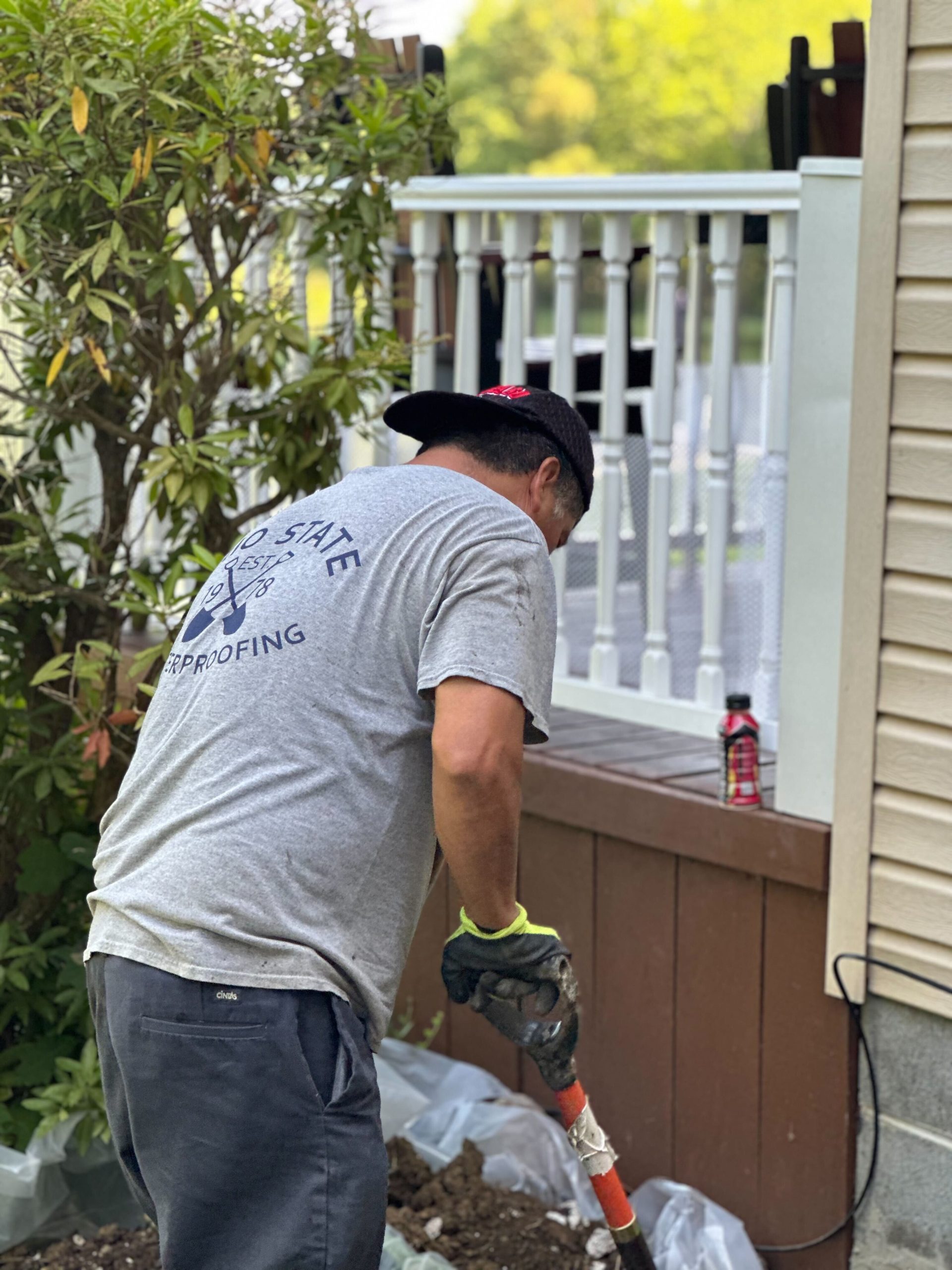
 You’ve likely heard stories about homeowners in Ohio, tackling basement water issues, but have you ever wondered about the specifics of their solutions? Let’s consider a few local case studies that detail different waterproofing strategies, from sump pump installations to external waterproofing methods. These success stories not only highlight the diversity of approaches, but also emphasize the importance of customizing solutions to individual needs. Intrigued? Stick around as we delve deeper into these transformative projects and the benefits they’ve brought to Ohio, residents.
Key Insights From Local Basement Waterproofing Case StudiesKey Takeaways
- Look for case studies detailing specific waterproofing methods used in local basements and their outcomes.
- Identify case studies showcasing successful internal drainage system or sump pump installations.
- Seek case studies demonstrating effective external waterproofing strategies applied locally.
- Explore cases where basement cracks were identified and successfully repaired.
- Investigate case studies where crawl space encapsulation was implemented, highlighting its benefits.
Understanding Basement Waterproofing
To fully grasp the importance of basement waterproofing, you need to delve into its fundamental concepts. You’ll soon realize that its primary goal isn’t only to prevent water intrusion but also to control basement humidity levels.
Basement humidity is a silent enemy, often underestimated. High levels can lead to the growth of harmful molds and the deterioration of your home’s foundation. So, it’s pivotal to keep it in check. And that’s where basement waterproofing steps in.
It’s not a one-size-fits-all solution, though. You need to choose the right waterproofing materials, tailored to your basement’s specific needs.
Let’s break it down – there are sealants, which you can apply directly to the walls and floor. They’re perfect for minor dampness but mightn’t hold up against serious leaks.
Then, you’ve got waterproofing membranes, offering a more robust defense. They’re sheets of waterproof material installed on the basement walls.
There’s also the option of interior water drainage. It’s not exactly waterproofing, but it’s a great way to control humidity.
Despite these options, remember, the best solution might be a combination of methods, personalized to your basement’s unique situation.
Case Study 1: The Sump Pump Solution
Let’s examine our first case study: The Sump Pump Solution.
You’ll first understand the problem that necessitated the installation of the sump pump.
Then, we’ll discuss the installation process itself and finally, explore the results after the solution was implemented.
Problem Identification
In the realm of basement waterproofing, identifying the problem accurately is the first step toward a successful solution.
You need to be well-versed about your basement’s condition to pinpoint the exact problem. Typically, moisture sources and drainage issues are the most common culprits behind a damp or flooded basement.
Let’s break down the process of problem identification:
- First, inspect the basement for visible signs of moisture. This could be dampness, water stains, or mold growth.
- Next, check for drainage issues. Is there water pooling around your home’s foundation? This could indicate poor drainage.
- Also, assess the condition of your gutters and downspouts. Are they directing water away from your house effectively?
- Lastly, consider the landscaping around your property. If it’s sloping towards your house, it could be contributing to your basement’s water problems.
Sump Pump Installation
When tackling a damp basement, one standout solution you may consider is the installation of a sump pump. This device collects water that enters your basement and pumps it outside, safeguarding your home from potential water damage.
There are several sump pump types to consider. Submersible sump pumps are sealed and submerged in the water, while pedestal sump pumps are positioned above the sump basin. Battery backup sump pumps come into play during power outages.
Sump pump maintenance is essential to prolong the life and efficiency of your device. Regular checks can prevent failures, keeping your basement dry.
Here’s a quick reference guide:
| Sump Pump Types | Pros | Cons |
|---|---|---|
| Submersible | Quiet, long-lasting | More expensive |
| Pedestal | Less expensive, easy to maintain | Noisy, shorter lifespan |
| Battery Backup | Works during power outages | Requires battery replacement |
Choosing the right sump pump depends on your specific needs and budget. An expert can guide you through the selection and installation process, ensuring the best solution for your home.
Post-Installation Results
Often, homeowners may wonder about the effectiveness of a sump pump post-installation. You might question whether it’s really worth the investment and effort.
Well, let’s delve into the post-installation results of the sump pump solution from our case study.
The long-term effectiveness of the sump pump, after installation, was remarkable. It managed to keep the basement dry even during heavy rainfall, eliminating the issue of dampness and mold growth.
The homeowner reported a noticeable improvement in air quality and a significant reduction in humidity levels.
Post-installation maintenance was minimal, which makes it a low-maintenance solution for homeowners. The system required routine check-ups and cleaning, but no major repairs or replacements.
Here are some key points to remember:
- Regular inspections ensure that the sump pump operates optimally
- Cleaning the pump prevents clogging and prolongs its lifespan
- The pump operates silently, causing zero disturbance
- A battery backup system ensures the pump works even during power outages
Case Study 2: Dealing With Basement Cracks
Now, let’s turn our attention to Case Study 2, where we navigate the issue of basement cracks.
It’s crucial to know how to identify these cracks and understand the underlying causes.
We’ll then explore effective repair solutions to secure the integrity of your basement and protect your home.
Identifying Basement Cracks
Surprisingly, homeowners frequently overlook the importance of identifying basement cracks in their early stages.
Yet, this initial step of crack assessment plays a vital role in maintaining your home’s foundation integrity.
Through our numerous case studies within Ohio, we’ve identified key signs that indicate the severity of basement cracks:
- Horizontal Cracks: These are typically more severe and may point to structural integrity issues.
- Vertical Cracks: While less serious, they shouldn’t be ignored as they can lead to moisture problems.
- Stair-Step Cracks: Often seen in brick or concrete block walls, they signal differential settlement.
- Hairline Cracks: Though generally not structurally significant, they still allow water to seep in.
Each type of crack tells a different story about what’s happening within your home’s foundation.
It’s important not to delay action upon noticing these signs.
Swift identification and assessment won’t only save your basement from further damage but also your pocket from costlier repairs down the line.
Effective Crack Repair Solutions
You’ve identified the cracks in your basement – a crucial first step. Now, it’s time to tackle foundation repair. A professional approach to repair is paramount in ensuring your basement stays dry.
The best method for dealing with basement cracks is using effective crack sealing solutions. These function as barriers, preventing water from seeping into your home.
Imagine two common scenarios:
| Crack Type | Solution |
|---|---|
| Hairline Cracks | These minor cracks can be sealed using a high-quality waterproofing sealant. |
| Larger Cracks | For cracks that are more extensive, a more comprehensive foundation repair method like epoxy injection may be required. |
In each scenario, the key is using an appropriate solution that fits the crack’s size and severity. The right repair solution not only seals the cracks but also reinforces your home’s foundation.
Case Study 3: External Waterproofing Approach
In the realm of basement waterproofing, external methods often prove the most effective and long-lasting.
Let’s now spotlight a local case where an external waterproofing approach resolved a persistent dampness issue.
This home, like many in Ohio, had a basement that was a magnet for moisture. The homeowners had tried various quick fixes, but to no avail.
The solution? A comprehensive external waterproofing strategy involving drainage systems and moisture barriers.
Here’s how it played out:
- First, technicians excavated around the home’s foundation. This allowed for a full inspection and remediation of any existing damage.
- A moisture barrier was then installed. This shield provided an extra line of defense against water intrusion.
- Next, a new drainage system was put in place to guide water away from the foundation.
- Finally, the area was backfilled, compacting the soil to prevent future water accumulation.
This external approach transformed the basement from a damp and unusable space into a dry, functional room.
It’s a testament to the power of targeted, professional external waterproofing.
Case Study 4: Internal Drainage System
While external waterproofing methods can offer robust solutions, there are instances where an internal approach may be the key. This was the case for one local homeowner in Ohio, where a unique drainage design was instrumental in managing their ongoing water issues.
The initial problem was straightforward: the homeowner’s basement was consistently damp, with water pooling in certain areas, despite attempts at external waterproofing. It was clear that a new approach was needed, and that’s where the internal drainage system came in.
With meticulous planning, a custom-made water management system was installed within the interior of the basement. This involved the creation of a hidden, internal drain that would efficiently channel water away from the basement and towards a sump pump.
Once collected, the water was then safely expelled from the home.
The results were immediate and impressive. The homeowner saw a significant reduction in dampness and the previous pooling was eliminated.
The internal drainage system, tailored for this specific situation, had provided a solution where external methods had failed. This case serves as a reminder that sometimes, the key to effective waterproofing lies within.
Case Study 5: The Crawl Space Problem
Ever wondered how a damp crawl space can wreak havoc on your home? The damage can be extensive, impacting not only the structural integrity of your house but also your health.
In this case study, we’ll explore the crawl space problem and its effective solution – crawl space encapsulation.
A local homeowner in Ohio was battling constant moisture in their crawl space. The damp conditions were causing wood rot, mold growth, and an unpleasant musty smell that permeated the entire house.
The solution? Crawl space encapsulation, a moisture control technique that involves lining the crawl space with a vapor barrier to keep moisture out.
Here are the key benefits of this method:
- It significantly reduces moisture levels, preventing mold and mildew growth.
- It improves indoor air quality by preventing musty odors from seeping into your living space.
- It helps preserve the structural integrity of your home by preventing wood rot.
- It can reduce energy costs by preventing cold drafts in the winter and humid air in the summer.
The Cost of Waterproofing
Having explored the impact of moisture and the solutions for crawl space problems, it’s clear that waterproofing is a sound investment for any homeowner.
Yet, you may wonder, what’s the cost of waterproofing?
To answer, consider a cost comparison. The price you’ll pay for waterproofing hinges on a variety of factors including your home’s size, the waterproofing method chosen, and the severity of the moisture problem.
On average, you can expect to pay between $2,000 and $6,000 for professional basement waterproofing.
This might seem steep, but when compared to the cost of repairing moisture damage, which can run upwards of $10,000, waterproofing is a budget-friendly strategy.
By investing in this preventative measure, you’re avoiding the potential for more expensive repairs down the line.
Budget strategies can make the cost more manageable. Some waterproofing companies offer financing options, and it’s also worth checking if your homeowner’s insurance covers any part of the cost.
Remember, the goal is to protect your home and your pocket. Investing in waterproofing now could save you a significant amount in the future.
It’s a case of spend a little now, or possibly a lot later.
Choosing the Right Contractor
Selecting a reputable contractor is a crucial step in your basement waterproofing journey. You don’t want to entrust your home to just anyone. So, how do you ensure you’re making the right choice?
It’s essential to consider the contractor’s credentials. This is a clear indication of their expertise and professionalism. You can confirm their credentials by checking their licensing status, verifying their insurance coverage, and looking up any certifications they claim to have.
Project timelines are another critical factor to consider. A professional contractor should be able to provide you with a realistic timeline for the completion of the waterproofing project. They should also communicate any potential delays or changes in the timeline promptly.
In addition, here are some other factors to consider when choosing a contractor:
- Their experience and expertise in basement waterproofing.
- The quality of materials and techniques they use.
- Their reputation and reviews from past clients.
- Their willingness to provide a detailed quote and contract.
Tips for Preventing Basement Water Damage
After choosing a reliable contractor, the next step is to understand how you can prevent water damage in your basement. It’s not enough to react to problems as they occur. You’ve got to be proactive.
One effective strategy is installing moisture barriers. These barriers, typically made from plastic or foil sheet, resist the passage of water vapor into your basement. They’re installed on the inside of your basement walls and can drastically reduce the amount of moisture entering your space.
Additionally, consider investing in a good drainage system. These systems collect water that seeps into your basement and redirect it away from your home. While it may seem like a significant investment, it’s one that’ll save you from costly repairs in the long run.
Below is a quick guide to help you prevent water damage in your basement:
| Prevention Method | Description |
|---|---|
| Moisture Barriers | Plastic or foil sheets that resist water vapor |
| Drainage Systems | Systems that collect and redirect water |
| Regular Maintenance | Routine checks to spot issues early |
| Dehumidifiers | Devices that reduce humidity levels |
Frequently Asked Questions
What Are the Signs of Basement Water Damage?
You’ll spot water damage indicators in your basement by looking for damp spots, mold growth, or a musty smell.
These signs could point to basement leak sources like cracks in your walls or floor, faulty plumbing, or poor drainage.
If you notice any of these signals, it’s crucial to address the issue promptly to prevent further damage.
Consulting a waterproofing professional can give you peace of mind and a dry basement.
How Long Does a Basement Waterproofing Project Usually Take?
The timeline of your basement waterproofing project varies depending on several installation factors.
Typically, it can take anywhere from a few days to a couple of weeks. Factor in the size of your basement, the extent of the damage, and the particular waterproofing method you’ve chosen.
It’s crucial to get a detailed timeline from your contractor at the start.
Are There Any Specific Permits Required for Basement Waterproofing in Ohio?
Yes, you’ll need specific permits for basement waterproofing in your city.
It’s crucial to understand local regulations before starting. You won’t want to deal with penalties for non-compliance.
A permit application will typically involve detailed plans of your project for review.
It’s always best to consult with a local expert or your city’s building department to ensure you’re following all necessary steps correctly.
Don’t skip this step; it’s essential for a successful waterproofing project.
What Is the Difference Between Waterproofing and Damp Proofing?
You’re probably wondering about the difference between waterproofing and damp proofing.
Waterproofing materials are designed to fully block water, making them ideal for basements that are below ground level and susceptible to flooding.
On the other hand, damp proofing techniques only resist moisture, not fully blocking water.
They’re used in areas with less water exposure.
How Can I Maintain the Waterproofing System Once Its Installed?
Maintaining your installed waterproofing system’s efficiency requires routine inspections.
You’ll need to check for cracks, leaks or moisture build-up regularly. Keep your gutters and downspouts clean to prevent water overflow.
Also, ensure your sump pump is in good working order. By following these maintenance tips, you’ll prolong the life of your waterproofing system and keep your basement dry.
Don’t hesitate to hire professionals for regular check-ups and repairs.
Conclusion
Remember, proactive moisture management is key to maintaining a dry, healthy basement. Whether it’s installing a sump pump or addressing drainage issues, each solution should be tailored to your home’s unique challenges. Don’t underestimate the importance of choosing the right contractor and investing in waterproofing—it can significantly improve your home’s air quality and structural integrity. Stay ahead of water damage with these proven strategies, and enjoy peace of mind knowing your basement is well-protected.

Ohio State Waterproofing has provided quality service with over 90,000 successful waterproofing and foundation repair installations and satisfied customers since our inception in 1978.
Ohio State Waterproofing’s philosophy for success is to provide honest, courteous and guaranteed service to every customer. Our reputation reflects this. Our well-trained waterproofing technicians are dedicated to complete customer satisfaction. This is achieved through fast, efficient processes as well as teamwork throughout this organization. You will always find a friendly representative willing to meet your needs at Ohio State Waterproofing.
We are a full service company that handles problems ranging from patching cracks to rebuilding basements. In addition, we hold three patents related to waterproofing that make us unique in the industry. These patents and our experience allow us to be able to do what every other waterproofer can do, but no one else can do what we do.
We are actively involved in the industry and community, including the National Association of Waterproofing Contractors, BHA, NARI, NAHB, NHIA, the BIA, the FHA and a number of consumer advocacy groups, as well as playing leading roles in a number of charitable functions.
But, most importantly, our highest degree of praise comes from the thousands of referrals we get from satisfied customers. Together they’ve made us a leader in the basement waterproofing and foundation repair industry.
