
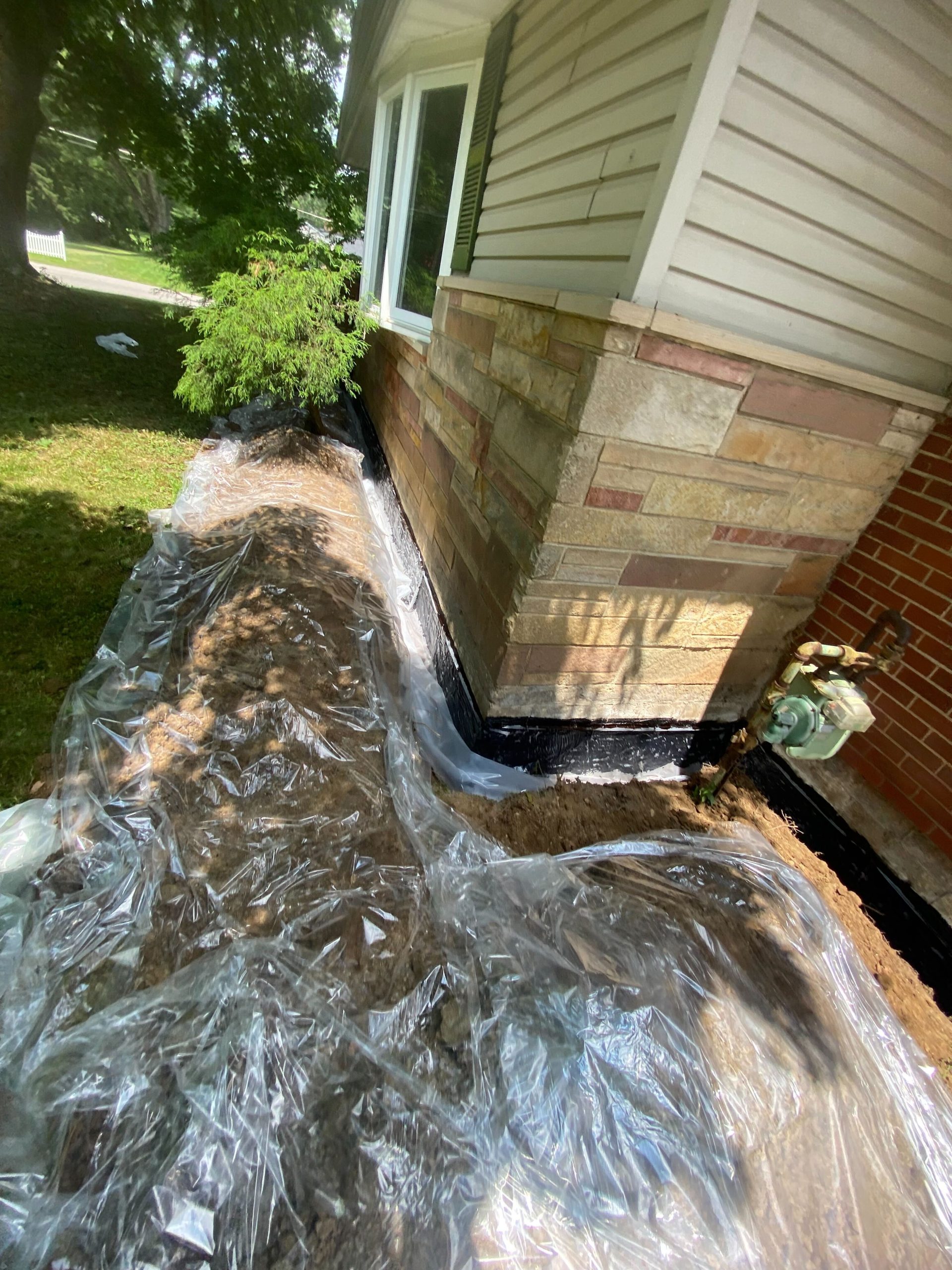
 So, you’re thinking about finishing your basement, but you’re not sure if you should waterproof it first. While it’s certainly possible to proceed without it, have you considered the potential risks? Moisture can sneak in, causing structural damage, mold growth, and even health issues. Sure, there are alternative methods and materials that resist moisture, but how effective are they really? The answer might depend on your local climate and the current state of your basement. Are you willing to gamble long-term durability for immediate savings? Let’s explore the nitty-gritty and weigh the pros and cons.
Key Takeaways
- Finishing a basement without traditional waterproofing is possible using alternatives like moisture-resistant materials, special paints, and sealants.
- Effective drainage systems, landscaping adjustments, and sump pumps can manage water accumulation, reducing the need for standard waterproofing.
- The local climate and propensity for flooding significantly influence the necessity and effectiveness of basement waterproofing.
- A thorough evaluation of the basement’s current condition and its intended use are crucial factors in determining the need for waterproofing.
- Considering the financial implications of potential water damage repair vs. waterproofing costs can aid in making an informed decision.
Understanding Basement Waterproofing
The process of basement waterproofing is a critical factor to take into account when finishing your basement. This procedure aims to prevent water from entering your basement, and it’s essential for maintaining the structure’s integrity, guaranteeing your safety, and preserving your investment.
You’re not just avoiding damp walls and floors; you’re also helping prevent structural damage and mold growth.
Basement waterproofing involves several steps. First, a professional will assess the area for any existing water damage or potential entry points for water. This could include cracks in the walls or flooring, or areas where the ground meets the foundation.
Next, they’ll use specialized materials and techniques to seal these areas and create a barrier against water. This might involve applying a waterproofing membrane, installing drainage systems, or using sealants and coatings.
It’s important to remember that waterproofing is more than just a one-time fix—it’s a long-term solution. Regular inspections and maintenance are necessary to guarantee the measures remain effective.
Risks of Not Waterproofing
Choosing not to waterproof your basement can lead to significant risks, including potential structural damage and health hazards.
Structural damage can undercut the stability and value of your home, while health hazards, such as mold and mildew, can lead to serious health complications.
It’s essential to be aware of these risks before deciding to finish your basement without waterproofing.
Potential Structural Damage
Overlooking the importance of basement waterproofing could lead to more than just an occasional puddle on the floor. In fact, it could have serious implications for your property’s structural stability. Water seepage can cause a host of problems that mightn’t be immediately apparent but can worsen over time.
For starters, you’ll likely face issues with your foundation. Moisture can seep into the concrete, causing it to crack and weaken. This is especially problematic in areas prone to freeze-thaw cycles, as the water inside the concrete can expand and contract, exacerbating the issue.
The result? A compromised foundation that’s not only costly to repair but can also affect the structural integrity of your entire house.
Additionally, persistent dampness can cause wood to rot. If your basement has wooden elements, such as support beams, they’re at risk of becoming weak and unstable.
This rot can spread, potentially leading to significant structural damage that’s both dangerous and expensive to fix.
Health Hazards Involved
Neglecting to waterproof your basement can expose you to a variety of health risks.
Moist environments are breeding grounds for mold and mildew which can cause respiratory problems, especially in those with allergies and asthma. You might experience consistent coughing, wheezing, or even difficulty breathing. Prolonged exposure can lead to more severe health issues like chronic lung diseases.
Pest infestations are another risk. Damp basements attract pests like cockroaches and rodents, which carry diseases that can be harmful to humans. Their droppings can contaminate your living space, leading to diseases such as salmonella, hantavirus, or leptospirosis.
If your basement floods, the stagnant water can become a breeding ground for bacteria and mosquitoes, increasing your risk of contracting diseases like West Nile virus or E.coli.
In addition, the dampness can exacerbate existing health issues, particularly for those with arthritis or rheumatism.
It’s not just a matter of comfort, it’s a matter of health. Waterproofing your basement isn’t just a preventive measure for structural damages, but it also aids in maintaining a healthy living environment.
The Cost-Benefit Analysis
You need to evaluate the cost-benefit analysis of finishing a basement without waterproofing.
This involves analyzing the upfront expenses of waterproofing against the potential costs of damage repairs due to moisture issues down the line.
It’s essential to understand the overall financial implications to make an educated decision.
Assessing Waterproofing Expenses
Without a doubt, a thorough understanding of the costs associated with basement waterproofing can go a long way in guiding your decision-making process.
It’s essential to evaluate these expenses before you engage in your basement project. While it may appear to be an additional cost, the investment could save you money in the long run.
Now you might be wondering, “How much does basement waterproofing cost?” That’s a valid question, and the answer depends on several factors.
These include the size of your basement, the extent of the water damage, the waterproofing method you choose, and the labor costs in your location. On average, the cost can range from a few thousand dollars to tens of thousands.
If you’re contemplating an interior waterproofing method, the cost is typically lower compared to exterior waterproofing.
Interior waterproofing methods include sealants and coatings, which can be a cost-effective solution for minor water problems.
However, for major water issues or prevention of future problems, you might need to explore exterior waterproofing options, which can be more expensive but offer a more extensive solution.
Potential Damage Costs
As the conversation around basement waterproofing expenses continues, it’s important to look at the other side of the coin – the potential damage costs. If you decide not to waterproof your basement, you’re risking potential damage that could be far more costly down the road.
Water damage is an insidious beast. It can start small, with just a few damp spots, but can quickly escalate into mold, mildew, or even structural damage. The cost of repairing this kind of damage can skyrocket into the thousands or even tens of thousands of dollars. That’s a hefty price to pay, and it doesn’t include the added inconvenience of having your basement out of commission for weeks or months during repairs.
Moreover, water damage isn’t just a threat to your wallet. It can also pose serious health risks, particularly in the form of mold and mildew, which can cause respiratory problems and other health issues.
The cost of these potential health issues is harder to quantify, but it’s certainly not something you want to overlook.
Overall Financial Implications
Understanding the overall financial implications of not waterproofing your basement is essential in making an informed decision. At first glance, you might be tempted to skip the waterproofing process to save money. However, the initial cost savings could be deceptive.
Without waterproofing, your basement is susceptible to water damage. This could lead to expensive repair bills in the future. You’ll likely need to replace damaged walls, flooring, and items stored in your basement.
Additionally, persistent dampness can lead to mold and mildew, which require professional removal. This isn’t only costly, but it could also impact your family’s health, leading to additional medical expenses.
Moreover, a poorly maintained basement can negatively affect your home’s resale value. Waterproofing your basement is often seen as a valuable investment, contributing to your property’s overall worth.
Skipping this step could turn off potential buyers, affecting your ability to sell your home at its full value.
Alternatives to Traditional Waterproofing
If you’re looking to finish a basement without using traditional waterproofing methods, you’re in luck. There are several alternatives that can help keep your basement dry and comfortable, without the need for extensive waterproofing.
Firstly, consider the use of water-resistant materials during construction. Certain paints and sealants are designed to repel water, providing a barrier between the basement and potential moisture. These products can be applied directly to the basement walls and floor, creating a protective layer.
Secondly, think about installing a sump pump. While not a traditional waterproofing method, a sump pump can help remove water that does accumulate in your basement, preventing it from causing damage.
Thirdly, proper grading is essential. By ensuring that the ground around your home slopes away from the foundation, you can prevent water from pooling near the base of your home, which can lead to basement leaks.
Lastly, look into interior and exterior drainage systems. These can help redirect water away from your foundation, further reducing the risk of basement water damage.
Real-Life Examples and Experiences
Numerous homeowners have successfully finished their basements without resorting to traditional waterproofing methods. For instance, one homeowner in Boston opted for a moisture barrier paint instead of conventional waterproofing solutions. He reported that his basement has remained dry even during heavy rainfall, and he’s saved thousands of dollars in the process.
Another homeowner in Seattle, where rainfall is frequent, used a vapor barrier and insulation combo. She found that this method efficiently keeps out moisture, and her finished basement is now a comfortable, mold-free space. Additionally, she’s noticed a decrease in her heating bills due to the added insulation.
In drier climates, like Arizona, some homeowners have embraced the concept of a floating basement floor. This design allows any water that seeps through the concrete to evaporate rather than accumulate. One homeowner reported that, despite not using standard waterproofing, his basement remains dry year-round.
These examples demonstrate that, depending on your local climate and specific basement conditions, it’s possible to finish a basement without traditional waterproofing.
However, each method has its pros and cons, and what works for one homeowner mightn’t work for another. Always research and consider your options carefully.
Making an Informed Decision
While you may be tempted to rush into finishing your basement without waterproofing, it’s vital to make an informed decision. The potential damage and cost resulting from water infiltration shouldn’t be underestimated.
You must take into account several factors before making this important decision. First, evaluate the current condition of your basement. If there’s any sign of moisture or dampness, it’s a clear indication that waterproofing is necessary.
Second, think about the function of your finished basement. Will it be a living space, storage, or perhaps a workspace? The more essential the usage, the more important waterproofing becomes.
Another aspect to reflect on is the climate and geography of your area. If you live in a region prone to heavy rainfall or if your home is located in a flood-prone zone, waterproofing is almost non-negotiable.
Lastly, weigh the financial implications. While the upfront cost of waterproofing might seem high, compare it with the potential expense of water damage repairs in the future.
Frequently Asked Questions
What Are Signs That My Basement Needs Waterproofing?
You’ll notice signs your basement needs waterproofing if you spot mould, mildew, a musty odour, damp spots on walls, or water pooling. Peeling paint, rust on metal items, and efflorescence are also telltale signs.
Can I Do Basement Waterproofing Myself or Should I Hire a Professional?
Yes, you can waterproof your basement yourself if you’re handy. However, for significant moisture problems, it’s best to hire a professional. They’ve the expertise to effectively seal your basement against potential water damage.
Are There Any Health Risks Associated With a Non-Waterproofed Basement?
Yes, there are health risks. If you don’t waterproof your basement, moisture can lead to mold growth. This can cause allergies, asthma attacks, and other respiratory issues, especially in those with weakened immune systems.
How Long Does the Process of Basement Waterproofing Usually Take?
Yes, you can finish a basement without waterproofing, but it’s not recommended. Moisture seepage can cause damage to your finished basement, leading to costly repairs. It’s best to waterproof before finishing to prevent potential issues.
What Materials Are Commonly Used in the Basement Waterproofing Process?
You’ll commonly use materials like sealants and coatings, drainage systems, and sump pumps in the basement waterproofing process. These materials help manage any water that might infiltrate your basement, keeping it dry and safe.
Conclusion
At its core, while it’s possible to finish a basement without waterproofing, it’s not something you should take lightly. The risks of mold, structural damage, and potential health hazards are too significant to ignore. Weigh the costs and benefits carefully and explore all your options. Remember, every decision made now can impact your home’s long-term durability and safety. Make sure you’re making an informed choice before you proceed with your basement project.

Ohio State Waterproofing has provided quality service with over 90,000 successful waterproofing and foundation repair installations and satisfied customers since our inception in 1978.
Ohio State Waterproofing’s philosophy for success is to provide honest, courteous and guaranteed service to every customer. Our reputation reflects this. Our well-trained waterproofing technicians are dedicated to complete customer satisfaction. This is achieved through fast, efficient processes as well as teamwork throughout this organization. You will always find a friendly representative willing to meet your needs at Ohio State Waterproofing.
We are a full service company that handles problems ranging from patching cracks to rebuilding basements. In addition, we hold three patents related to waterproofing that make us unique in the industry. These patents and our experience allow us to be able to do what every other waterproofer can do, but no one else can do what we do.
We are actively involved in the industry and community, including the National Association of Waterproofing Contractors, BHA, NARI, NAHB, NHIA, the BIA, the FHA and a number of consumer advocacy groups, as well as playing leading roles in a number of charitable functions.
But, most importantly, our highest degree of praise comes from the thousands of referrals we get from satisfied customers. Together they’ve made us a leader in the basement waterproofing and foundation repair industry.
