
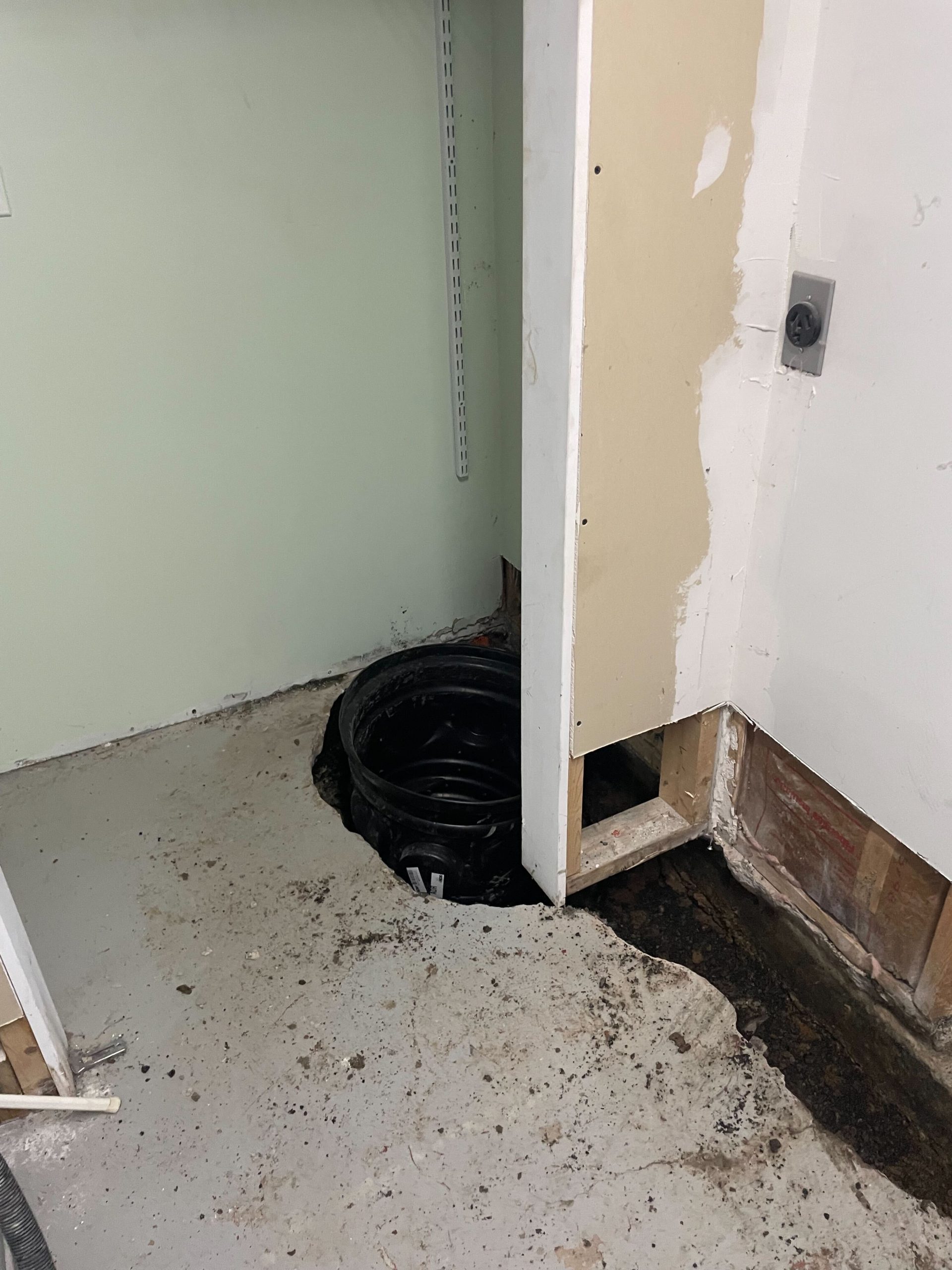
 Have you ever considered the benefits of waterproofing your home beyond the obvious physical protection it provides? In fact, it’s not just about preventing water damage, but it can also significantly impact your home insurance. Insurers look favorably on homeowners who take proactive measures like these, and it could potentially lower your premiums. Plus, if water damage does occur, your waterproofing efforts might strengthen your claim. So, wouldn’t you like to explore how this investment could lead to long-term financial savings and peace of mind?
Key Takeaways
- Waterproofing reduces the risk of water damage, potentially lowering insurance premiums.
- Homes with waterproofing systems often qualify for insurance discounts, offsetting initial installation costs.
- Documented waterproofing actions can support claims in the event of water damage, enhancing overall insurability.
- Waterproofing minimizes claim rates, reducing financial risks associated with water damage for homeowners.
- Insurance providers view waterproofing as a preventative measure, encouraging its implementation to save time and money on potential claims.
Understanding Home Insurance Policies
Policies can be a safety net in times of unexpected home damage, but understanding home insurance policies isn’t always straightforward.
To start, home insurance coverage isn’t a one-size-fits-all solution. Companies tailor policies based on underwriting guidelines, which include risk assessment and premium calculations.
When assessing risk, insurers consider the likelihood of a claim being filed. They’ll look at factors like your home’s age, location, and construction type. High-risk homes often have higher premiums, so it’s worth understanding how this process works.
Premium calculations are another important aspect to consider. Your premium is the amount you’ll pay for your insurance policy. It’s determined by the insurer’s assessment of risk, your chosen coverage, and any policy exclusions.
Policy exclusions are specific conditions or damages that your insurance won’t cover. For example, some policies won’t cover damage caused by natural disasters like floods or earthquakes without additional coverage.
Finally, understanding the claims process is crucial. If your home experiences damage, you’ll need to contact your insurer to file a claim.
The insurer will then review the claim and, if approved, provide the funds to repair or replace the damaged property.
The Basics of Waterproofing
Now, let’s shift our focus to the basics of waterproofing.
You’ll gain an understanding of various waterproofing methods, learn about the numerous benefits this process offers, and explore how waterproofing can impact the value of your home.
This knowledge can be vital in maintaining the integrity of your home and ensuring you’re adequately covered by your insurance.
Understanding Waterproofing Methods
Diving into the world of waterproofing, it’s crucial to grasp the basic methods used to protect your home from water damage. In this context, you should be aware of three primary techniques: drainage solutions, moisture barriers, and foundation sealing.
- Drainage Solutions: These include sump pumps and drainage channels, which redirect water away from your home. This method is essential for flood prevention.
- Moisture Barriers: These barriers involve using waterproofing materials such as vapor barriers and waterproof membranes. They’re installed in areas of your home susceptible to moisture, like the basement or crawl spaces, to prevent water seepage.
- Foundation Sealing: This method includes landscape grading and sealing your home’s foundation with a waterproof coating. It’s an excellent way to prevent water from penetrating your home’s structure.
Understanding these methods allows you to make informed decisions about protecting your home from water damage.
Benefits of Waterproofing
You might be wondering why waterproofing is such a critical step in home maintenance. Well, the benefits are more extensive than you might think.
For starters, waterproofing plays a significant role in mold prevention. Moisture is the lifeblood of mold, and by keeping your home dry, you’re creating an environment where mold simply can’t thrive. This not only keeps your home looking its best, but it also protects the health of you and your family.
But the benefits of waterproofing extend beyond mold prevention. It also significantly contributes to energy efficiency.
When your home is properly waterproofed, it’s better insulated. This means less heat escapes in the winter and less cool air escapes in the summer, reducing your reliance on heating and cooling systems. Consequently, you’ll see a decrease in your energy bills, which can save you a considerable amount of money in the long run.
Waterproofing and Home Value
Beyond the boon to your health and the boost to your energy efficiency, waterproofing your home also adds significant value to your property. This is due to the reassurance it provides to potential buyers regarding the longevity and quality of your home.
Waterproofing technology has advanced significantly in recent years, making it more effective and affordable. In the home market, properties with waterproofing tend to stand out. It’s an indicator that the homeowners have invested in the long-term care of the property. This can make your home more attractive to buyers, potentially leading to a faster sale and a higher sale price.
Here are a few ways in which waterproofing adds value to your home:
- Preservation of Structural Integrity: Waterproofing helps prevent water damage, which can lead to serious structural issues in the long run.
- Prevention of Mold and Mildew: By keeping your home dry, you’re less likely to have issues with mold and mildew, which can be a big turn-off for potential buyers.
- Reduced Maintenance Costs: Over time, waterproofing can save you substantial amounts in maintenance costs, another attractive factor for buyers.
Waterproofing Costs Versus Insurance Savings
Investing in waterproofing your home may seem like a sizable expense upfront, but it’s critical to consider the potential insurance savings that can follow.
This waterproofing investment can lead to substantial discounts on your home insurance policy. Why? Insurers often reward homeowners who proactively minimize the risks associated with water damage.
The cost of waterproofing varies widely, depending on the size of your home, the complexity of the project, and the level of water threat.
However, even if the initial cost seems steep, remember to factor in the long-term insurance savings. Many insurance companies offer discounts for homes with waterproofing systems, as these homes are less likely to file claims for water damage.
How Waterproofing Reduces Claims
When you waterproof your home, it’s not just a preventative measure against water damage, it’s a strategic move that can lower your insurance claims.
This isn’t just about reducing water damage claims, it also indirectly lowers your insurance premiums.
Plus, it’s an investment that enhances your property’s value, making it a win-win situation.
Lowering Insurance Premiums
Lowering your insurance premiums can be as simple as waterproofing your home. This could lead to significant long-term savings. Premium discounts are often available for homeowners who proactively reduce risks to their property, and waterproofing is no exception.
When conducting a risk assessment, insurance companies consider your claim history. A history of water damage claims could increase your premiums, but waterproofing your home can help mitigate this risk. This, in turn, could lead to policy adjustments that lower your premium.
Waterproofing incentives are another way you can save. Some insurers offer discounts or other incentives to homeowners who waterproof their homes. You should consult with your insurer about such coverage options.
Consider these financial planning benefits of waterproofing your home:
- You can reduce your insurance premiums.
- You may qualify for waterproofing incentives.
- Waterproofing can contribute to long-term savings.
Insurance negotiation can be a daunting task, but it’s essential in achieving a favorable outcome. When negotiating your insurance, remember to highlight the steps you’ve taken to minimize risk, such as waterproofing. This could significantly improve your insurance eligibility.
Reducing Water Damage Claims
While the financial benefits of waterproofing are compelling, let’s not overlook the importance of reducing water damage claims, a direct result of a well-waterproofed home.
Waterproofing your home doesn’t just save you money upfront; it also leads to significant insurance claim reduction. By minimizing potential water damage, you’re essentially reducing the likelihood of having to file a claim with your insurance company. This is particularly critical because numerous claims can inflate your insurance premium, leading to higher costs in the long run.
Water damage prevention is a crucial aspect of home maintenance that can’t be ignored. Waterproofing systems provide an effective shield against rain, floods, and internal leaks, thus significantly reducing the probability of water damage. This protection extends to your home’s foundation, walls, and other key structures, maintaining their integrity and averting costly repairs.
In the event of a severe storm or flood, you’ll have the peace of mind that your home is equipped to handle it. This not only limits the risk of incurring water damage but also the potential stress and hassle of dealing with insurance claims.
Enhancing Property Value
An impressive increase in your property’s value could be just a waterproofing project away. By ensuring your home is waterproof, you’re not just reducing insurance claims and the headache of damage repairs; you’re enhancing your property aesthetics and boosting your resale potential.
Waterproofing can transform critical areas of your home. It can:
- Prevent unsightly damp patches, boosting your property aesthetics
- Guarantee a dry, healthier home environment, making it more appealing to buyers
- Reduce future maintenance costs, increasing your home’s resale potential
The look and feel of your property can significantly affect its market value. When your home is free from water damage, it’s more attractive to potential buyers.
They’ll appreciate not having to deal with dampness or mold issues later, which could save them a fortune in repair costs. This increases the chances of you getting a better price when you decide to sell.
Case Studies: Waterproofing and Insurance
You may be wondering about the real-world implications of waterproofing and insurance.
Let’s delve into some case studies to better understand these dynamics.
Consider a homeowner in a flood-prone region who waterproofed his basement. When a massive flood hit his town, his basement remained untouched while other houses in the neighborhood suffered significant damage and filed substantial insurance claims.
Because of his foresight in waterproofing, he could avoid the hassle and financial stress of an insurance claim.
In another case, a homeowner neglected to waterproof her old, leaky basement. When a heavy rainstorm caused water damage to her stored belongings, she filed an insurance claim.
However, the insurance company contested the claim, arguing that the damage was due to her negligence in not waterproofing the basement.
These case studies highlight a critical issue. Waterproofing can significantly reduce the likelihood of having to file insurance claims due to water damage.
More importantly, it can help to avoid disputes with insurance companies who may deny claims if they deem you haven’t taken adequate preventative measures.
Insurance Providers’ View on Waterproofing
Most insurance providers strongly encourage homeowners to waterproof their homes. They view it as a proactive step in reducing the insurance risk tied to water damage. By waterproofing, you’re not only protecting your home, but also potentially lowering your insurance premiums.
Insurance companies often offer waterproofing incentives to encourage homeowners to invest in this protective measure. These incentives typically come in the form of premium discounts or improved policy terms for those who take preventive action against potential water damage.
Here are a few reasons why your insurance provider is a fan of waterproofing:
- Reduced Claims: Waterproofing minimizes the likelihood of water damage claims, saving both you and the insurance company time and money.
- Lowered Risk: Waterproofing reduces the risk of catastrophic damage, making your home a safer insurance bet.
- Enhanced Property Value: Waterproofed homes have higher market values and are more appealing to potential buyers.
Weather Conditions and Waterproofing Necessity
Severe weather conditions can greatly underscore the necessity of waterproofing your home. Factors such as flood risk and climate impact make it crucial to consider moisture control and proper drainage systems. Seasonal shifts, in particular, can lead to unexpected weather patterns, increasing your home’s exposure to potential water damage.
Environmental considerations also play a significant role. Heavy rains or melting snow can saturate the ground around your home, testing its weather resilience. Without effective waterproofing, water can seep into your home, damaging its structure and potentially leading to costly repairs.
Home preservation is another key aspect. Not only does waterproofing protect your home from the damaging effects of water, but it also maintains the property’s structural integrity and overall value. In the event of a property assessment, a well-maintained, waterproofed home is likely to be valued higher.
Moreover, waterproofing can influence insurance claims. Many insurance providers view a waterproofed home as a lower risk, potentially leading to lower premiums. It’s a proactive measure that illustrates your commitment to home maintenance, reducing the likelihood of water-related damages.
Therefore, investing in waterproofing not only safeguards your home from adverse weather conditions but also helps manage your insurance costs.
Different Types of Home Waterproofing
Now, let’s take a closer look at the different types of home waterproofing.
Specifically, we’re going to discuss the two main categories: interior and exterior waterproofing methods.
Both have their advantages and specific applications which can be beneficial to your home.
Interior Waterproofing Methods
There are several effective interior waterproofing methods that can safeguard your home against potential water damage.
First, consider installing an interior drainage system. This involves placing a drain inside the perimeter of your basement, which channels water to a sump pump system, effectively dealing with any water that finds its way inside.
Next, you should also focus on humidity control. This can be achieved by using vapor barriers and moisture barriers. These are plastic or foil sheets that help prevent moisture from permeating your home’s walls and ceilings.
Lastly, don’t underestimate the importance of foundation repairs and basement insulation. These two methods ensure that your home’s structure remains sound and that it’s well insulated against both cold and moisture.
To sum up, your interior waterproofing plan could include:
- Interior drainage systems and sump pumps
- Vapor barriers and moisture barriers for humidity control
- Foundation repairs and basement insulation
Exterior Waterproofing Techniques
While interior methods certainly play a significant role in protecting your home from water damage, don’t overlook the importance of exterior waterproofing techniques. They serve as your home’s first line of defense against moisture, and if done correctly, they can prevent major damage and costly foundation repair.
Drainage solutions, such as gutters and downspouts, are essential in diverting water away from your home. Landscape and soil grading help to direct water flow, preventing accumulation around your foundation. Sealing cracks and installing vapor barriers are also vital techniques in exterior waterproofing.
Insulation techniques and the installation of sump pumps can further enhance your home’s protection. Moisture barriers, often installed during construction, provide an added layer of protection, preventing water intrusion into your home.
Here’s a table summarizing these techniques:
| Technique | Purpose | Benefit |
|---|---|---|
| Drainage Solutions | Diverts water away from home | Prevents water accumulation |
| Landscape Grading | Directs water flow | Avoids water pooling |
| Sealing Cracks | Blocks water entry points | Reduces moisture intrusion |
| Insulation Techniques | Keeps home dry and warm | Reduces energy consumption |
| Sump Pumps | Pumps out accumulated water | Prevents basement flooding |
Maintenance of Waterproofing Systems
Keeping your waterproofing systems in top-notch condition demands regular maintenance.
It’s not a one-time investment, but a continuous process that requires routine inspections to ensure its effectiveness in preventing water damage. You must be proactive about this to avoid escalating costs and maintain your home insurance coverage.
Waterproofing maintenance involves several steps:
- Regular checks for seepage or dampness. This is crucial as these signs can indicate failing waterproofing systems.
- Cleaning the gutters and downspouts. This prevents water accumulation, which can compromise the effectiveness of your waterproofing.
- Ensuring the sealants aren’t damaged or worn out. Over time, they might need replacement to maintain the waterproofing integrity.
Long-Term Benefits of Home Waterproofing
Investing in home waterproofing might seem like a significant upfront cost, but it’s a decision that pays for itself in the long run. Over time, the long-term savings become evident as you spend less on emergency repairs and replacements due to water damage.
Waterproofing contributes to property longevity, ensuring the structural integrity of your home remains intact for years. It’s a clear way to protect your investment, adding value while preventing costly repairs. The process also promotes mold prevention, a critical factor in maintaining a healthy living environment and avoiding potential health risks.
Your energy efficiency may increase as well, since waterproofed homes better regulate temperature, lowering heating and cooling costs. This boosts the resale potential of your property, showing potential buyers that you’ve taken steps towards risk management and investment protection.
Furthermore, waterproofing reduces the environmental impact of your home by preventing water wastage. This, coupled with the peace of mind that comes with knowing you’ve done all you can to protect your home, makes waterproofing a worthwhile investment.
It’s not just about homeowner peace—it’s about responsible, sustainable living.
Frequently Asked Questions
Does Waterproofing Improve the Resale Value of a House?
Absolutely! Waterproofing enhances your home’s overall condition, making it more attractive to potential buyers.
It’s one of those resale considerations that you can’t overlook. The benefits of waterproofing include preventing structural damage and creating a safer, healthier living environment.
It’s a valuable investment that can significantly boost your home’s resale value. So, don’t underestimate the power of a dry, well-maintained home when it’s time to sell.
Can Waterproofing Be a DIY Project or Do I Need a Professional?
You can certainly tackle waterproofing as a DIY project using various techniques.
However, it’s important to have a professional assessment to ensure you’re addressing all potential issues.
While you might be able to handle some surface work, professionals can identify deeper problems you might miss.
What Are the Potential Health Risks if My Home Is Not Waterproofed?
If your home isn’t waterproofed, you’re risking serious health and safety issues.
Uncontrolled moisture can cause mold growth, leading to allergies, asthma, and other respiratory problems.
It can also cause structural damage to your home, making it unsafe to live in.
Don’t underestimate these risks; it’s crucial to ensure your home is adequately waterproofed to protect your health and property.
What Specific Areas of My Home Should I Prioritize for Waterproofing?
You should prioritize waterproofing your basement and ensuring proper foundation drainage.
Your basement’s the most prone to water damage. Sealing it can prevent dampness, mold growth, and structural damage.
Paying attention to your foundation drainage is also essential. Good drainage keeps water from pooling against your home’s foundation, preventing potential cracks and leaks.
Prioritizing these areas can save you significant repair costs and improve your home’s overall health.
Are There Any Insurance Discounts for Environmentally Friendly Waterproofing Methods?
Yes, you can often get discounts on your insurance premiums for using eco-friendly waterproofing methods.
Insurance companies appreciate homeowners who take proactive steps to prevent damage. By choosing green materials, you’re not only protecting your home but also the environment. It’s a win-win!
Always check with your insurance provider for specific details, as policies may vary. You’re investing in your home’s future and potentially saving money, too.
Conclusion
In sum, investing in home waterproofing is a wise move. It strengthens your insurance claims, potentially lowers your premiums, and protects your property from water damage. Maintenance is key to ensure the longevity of your waterproofing systems. It’s a proactive approach that pays off in the long run, safeguarding your home against adverse weather conditions. So, don’t hesitate – waterproof your home today for long-term savings and peace of mind.

Ohio State Waterproofing has provided quality service with over 90,000 successful waterproofing and foundation repair installations and satisfied customers since our inception in 1978.
Ohio State Waterproofing’s philosophy for success is to provide honest, courteous and guaranteed service to every customer. Our reputation reflects this. Our well-trained waterproofing technicians are dedicated to complete customer satisfaction. This is achieved through fast, efficient processes as well as teamwork throughout this organization. You will always find a friendly representative willing to meet your needs at Ohio State Waterproofing.
We are a full service company that handles problems ranging from patching cracks to rebuilding basements. In addition, we hold three patents related to waterproofing that make us unique in the industry. These patents and our experience allow us to be able to do what every other waterproofer can do, but no one else can do what we do.
We are actively involved in the industry and community, including the National Association of Waterproofing Contractors, BHA, NARI, NAHB, NHIA, the BIA, the FHA and a number of consumer advocacy groups, as well as playing leading roles in a number of charitable functions.
But, most importantly, our highest degree of praise comes from the thousands of referrals we get from satisfied customers. Together they’ve made us a leader in the basement waterproofing and foundation repair industry.

