
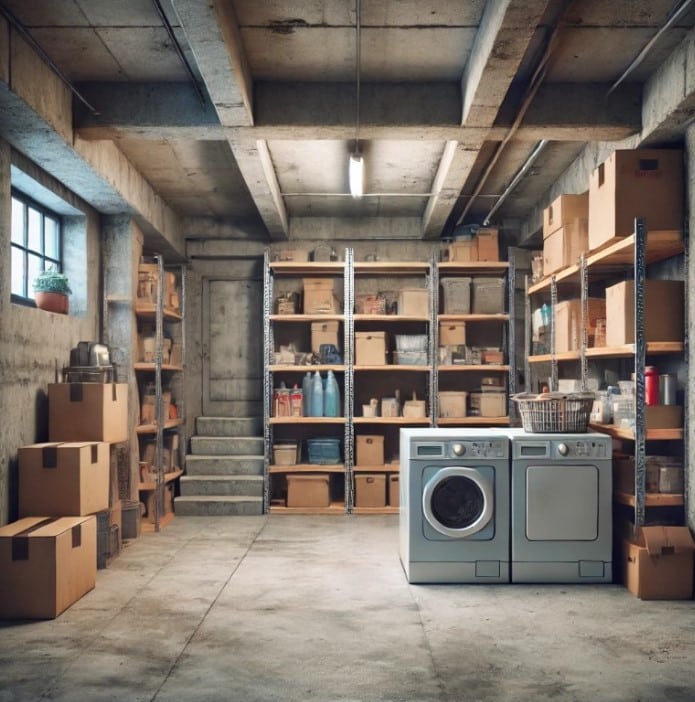
 Just like a persistent leaky faucet can slowly fill an unexpected bucket overnight, so too can water seepage transform your basement into a damp, moldy nightmare.
You’re probably familiar with the signs: the musty smell, the dark patches creeping up the walls, and the unsettling feeling of dampness that seems to cling to everything. It’s not just unsightly, it’s also damaging to your home’s infrastructure and potentially hazardous to your health.
But how do you tackle such a persistent issue? If you’re interested in keeping your basement dry and your home safe, stick around. The mystery of the seeping water is about to be unraveled.
Key Takeaways
- Water seepage in basement walls is common in areas with high groundwater levels or heavy rain.
- Signs of basement wall seepage include wet spots, dampness, musty smell, or mold growth.
- Solutions for basement wall seepage involve both internal and external changes.
- Techniques for waterproofing basement walls include installing a sump pump, using waterproofing sealants, and maintaining proper water flow through gutters and downspouts.
Understanding Basement Wall Seepage
To get a grip on how to stop water from seeping through your basement walls, you first need to understand what basement wall seepage is and why it occurs. Seepage, in simple terms, is water permeating through your basement walls. It’s a common issue, especially in areas with high groundwater levels or heavy rain. Why does it happen, you ask? Well, it’s mainly due to hydrostatic pressure – the pressure exerted by a fluid due to gravity. When this pressure builds up around your basement walls, it forces water through any cracks, joints, or porous spots in the walls.
Understanding how to combat this begins with recognizing early signs of seepage. You might notice wet spots, dampness, a musty smell, or mold growth. Don’t ignore these signs! They’re your first clue that seepage is happening.
Once you’ve detected the problem, you can start planning your counterattack. Keep in mind that effective solutions often involve both internal and external changes. You’ll need to assess the situation carefully and choose the right combination of solutions to protect your basement from further water damage.
Identifying Potential Water Sources
Before you can effectively tackle the water seepage in your basement, it’s crucial to identify the potential sources of the water. Ignoring this step might lead to temporary fixes, but the problem will likely persist. Here’s how you can identify them:
- Condensation: This occurs when warm air meets cooler basement walls and floor. It’s easy to confuse this with a leak. To differentiate, tape a piece of aluminum foil to your damp wall, sealing all sides. If water accumulates on the outer surface, it’s condensation.
- Runoff: This is water that seeps in from the outside. It’s often due to poor landscaping or gutter displacement. Key indicators include:
- Water stains that run down walls
- Dampness around windows or vents
- Groundwater swelling: This happens when the soil around your basement becomes saturated with water, causing a rise in the water table. Signs include:
- Water seeping from the floor-wall joint
- Dampness spreading up from the floor
Techniques for Waterproofing Your Basement
Having identified the source of your basement’s water problems, let’s explore some effective waterproofing techniques that can help keep your basement dry and protected.
Firstly, consider installing a sump pump, which removes water that has accumulated in a sump basin and pushes it away from your house. It’s a robust solution if you’re dealing with high groundwater levels or if your home is prone to flooding.
Next, look into waterproofing sealants. Not just any paint or sealant will do; you need something specially designed to block out moisture. These products can be applied to your walls and floor, creating a physical barrier against water.
Alternatively, you could install a waterproof membrane. This is a plastic or foil sheet that you attach to your basement walls to prevent water from seeping through. They’re a little more expensive, but highly effective.
Lastly, consider interior water drainage. This involves installing a trench inside your basement that leads to a sump pump, so any water entering the basement is immediately directed away from the house.
Essential Maintenance for Dry Basement Walls
Regular maintenance is crucial in ensuring your basement walls remain dry, and there are several steps you can take to prevent future water damage.
Regularly inspecting your walls and floors for cracks:
- Small cracks can often be sealed using a waterproof compound or epoxy.
- For larger cracks, you may need to hire a professional.
Checking and maintaining your gutters and downspouts:
- Make sure they’re not clogged and water is flowing away from your house.
- Downspouts should direct water at least five feet away from your foundation.
Ensuring your landscaping slopes away from your house:
- The ground should slope away from your house to divert rainwater.
- Adding soil to low areas near the foundation can help with this.
You should also consider installing a sump pump if you don’t already have one. These devices can help to remove water from your basement and prevent it from accumulating. Remember, the key to a dry basement is regular maintenance. So, don’t wait until you’ve got a problem – be proactive and prevent water damage before it starts.
Professional Solutions and Their Benefits
While you can tackle minor repairs and maintenance yourself, there’s a host of professional solutions that offer significant benefits, especially for more serious basement water issues. Professionals use advanced technologies and techniques like interior water drainage systems, sump pump installations, and exterior waterproofing. These solutions don’t just treat the symptoms, they address the root cause of the problem.
Hiring a professional ensures that the job is done right the first time. They’re trained to spot potential problems you might miss, such as hidden cracks or mold. Their expertise can save you time, money, and stress in the long run. Plus, many offer warranties on their work, providing you with peace of mind.
Professionals also provide customized solutions for your specific needs. They’ll assess your situation, consider factors like soil type and building materials, and design a solution that’s right for you. This tailored approach can prevent future issues and increase your home’s value.
Frequently Asked Questions
What Are the Potential Health Hazards of Water Seepage in the Basement?
Water seepage in your basement can pose serious health risks. It creates a damp environment ideal for mold growth which can cause allergic reactions, asthma attacks, and other respiratory problems. It can also lead to bacterial growth and attract pests.
Additionally, if the water is contaminated, it poses a risk of spreading diseases. Therefore, it’s crucial you address this issue promptly to maintain a healthy living environment.
How Does the Climate and Geographical Location Affect Basement Wall Seepage?
Ever considered how your region’s climate and geography could be causing basement seepage? Well, they’re significant factors.
Humid climates and heavy rainfall can increase groundwater, leading to seepage. Additionally, if you’re located on a slope or low-lying area, water naturally flows downhill and can pool against your basement walls.
Understanding these factors won’t just help you pinpoint the problem, but also guide you in finding the most effective, long-term solution.
Does Homeowner’s Insurance Typically Cover Basement Water Seepage Damage?
Typically, your homeowner’s insurance doesn’t cover water seepage damage. This is often considered a maintenance issue, not an unexpected event. However, it’s always best to check your policy’s specifics.
You may be able to add coverage for this type of damage. It’s important to regularly inspect and maintain your basement to prevent costly repairs. Consider professional help if you’re unsure how to handle water seepage.
Are There Any Signs of Water Seepage That Homeowners Should Look Out for in Other Parts of Their House?
Absolutely, you should be on the lookout for signs of water seepage throughout your home. It’s not confined to your basement. Watch for damp or discolored patches on walls or ceilings, a musty smell, peeling paint or wallpaper, and mold growth.
If you notice any of these issues, you’ve likely got a seepage problem. It’s essential to address this quickly to prevent structural damage and protect your home’s health.
How Often Should a Professional Inspection for Basement Water Seepage Be Conducted?
You should get a professional inspection for basement water seepage annually. It’s like going to the doctor for a check-up, ensuring your home’s health. They’ll spot minor issues before they become costly repairs.
Don’t wait for visible signs, by then, it might be too late. Regular inspections give you peace of mind and keep your basement dry and your house’s foundation strong.
Basement Wall Seepage: Key Takeaways & Effective Solutions
As you venture into your basement, you now hold the keys to combating that pesky water seepage. Armed with knowledge, tools, and a knack for prevention, you’re capable of achieving dry, worry-free basement walls. Don’t forget, professional help is always there for stubborn leaks.
Now, imagine stepping into your basement, breathing in the dry air, and reveling in the satisfaction of a job well done. It’s not just a dream, it’s a reality within your grasp.

Ohio State Waterproofing has provided quality service with over 90,000 successful waterproofing and foundation repair installations and satisfied customers since our inception in 1978.
Ohio State Waterproofing’s philosophy for success is to provide honest, courteous and guaranteed service to every customer. Our reputation reflects this. Our well-trained waterproofing technicians are dedicated to complete customer satisfaction. This is achieved through fast, efficient processes as well as teamwork throughout this organization. You will always find a friendly representative willing to meet your needs at Ohio State Waterproofing.
We are a full service company that handles problems ranging from patching cracks to rebuilding basements. In addition, we hold three patents related to waterproofing that make us unique in the industry. These patents and our experience allow us to be able to do what every other waterproofer can do, but no one else can do what we do.
We are actively involved in the industry and community, including the National Association of Waterproofing Contractors, BHA, NARI, NAHB, NHIA, the BIA, the FHA and a number of consumer advocacy groups, as well as playing leading roles in a number of charitable functions.
But, most importantly, our highest degree of praise comes from the thousands of referrals we get from satisfied customers. Together they’ve made us a leader in the basement waterproofing and foundation repair industry.

