
 Did you know that over 60% of U.S. homes suffer from below-ground wetness, according to the American Society of Home Inspectors? As a homeowner, you’re not powerless against this statistic. One of the most effective techniques to safeguard your basement is by using exterior waterproofing solutions. This involves more than just slapping a coat of waterproof paint on your exterior walls. It’s about thorough solutions that prevent water infiltration from the get-go. But what makes these solutions so effective, and how can you implement them efficiently? Let’s explore.
Key Takeaways
- Inspect and clean exterior walls for optimal adhesion of waterproofing products like polyurethane sealants or elastomeric sealants.
- Implement effective drainage systems like French drains or trench drains to avoid water accumulation around your foundation.
- Apply waterproof coatings evenly in multiple thin layers and consider adding a waterproof membrane or drain board for added protection.
- Regularly inspect the waterproofing system and maintain gutters, downspouts, and soil grading to prevent water seepage and pooling.
- Consult professionals for effective exterior waterproofing, keeping in mind that it’s a long-term investment protecting your home from water damage and structural issues.
Understanding Exterior Waterproofing
A whopping 98% of basements in the U.S. will experience some type of water damage throughout their lifespan. You need to understand exterior waterproofing, as it’s a key method in protecting your property against this type of damage.
It’s an approach that focuses on preventing water from making its way into your basement from the outside.
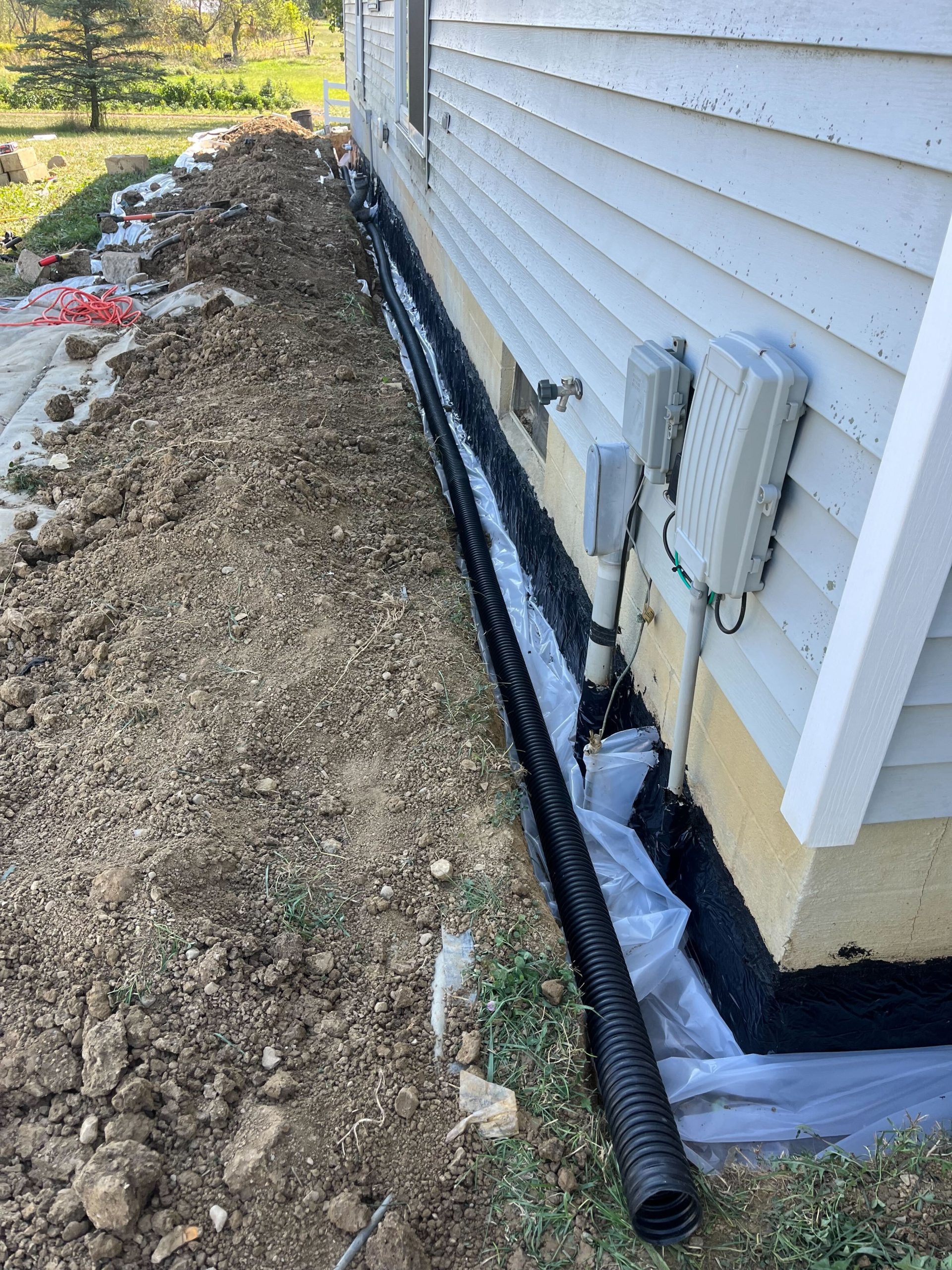
Exterior waterproofing involves the application of a waterproof barrier around your home’s foundation. This is often a layer of waterproof coating or membrane that’s designed to keep water at bay. Additionally, it may involve the installation of a drainage system to redirect water away from your home.
Different methods and materials exist for exterior waterproofing, including cementitious waterproofing, liquid waterproofing membranes, and bituminous coating. The choice depends on various factors such as the type of soil around your house, the local climate, and your budget.
However, remember that while exterior waterproofing can greatly reduce the likelihood of water damage, it can’t provide 100% protection.
Regular maintenance and inspections are also necessary to guarantee the ongoing effectiveness of your waterproofing system. Don’t wait until water seeps into your basement; act now to protect your property.
Importance of Basement Waterproofing
You mightn’t realize it, but basement waterproofing plays an essential role in maintaining your home’s integrity.
It’s the first line of defense against water damage, which can lead to serious structural issues if left unchecked.
Furthermore, a well-maintained, waterproof basement can greatly boost your property’s value, making it a worthwhile investment.
Preventing Water Damage
Nearly 98% of basements in the U.S. suffer some type of water damage during their lifespan. This staggering statistic underscores the significance of basement waterproofing as a preventative measure.
When you skip this crucial step, you’re leaving your basement vulnerable to leaks, flooding, and water damage.
Water damage isn’t just a nuisance; it can lead to serious issues. It can cause structural harm to your home, leading to costly repairs. It can also create a damp environment that encourages mold growth, which can be detrimental to your health.
Waterproofing your basement isn’t just about applying a sealant and hoping for the best. It’s a systematic process that involves identifying potential risk areas, choosing appropriate waterproofing materials, and methodically applying them to protect your basement.
Consider exterior waterproofing solutions. They offer substantial protection by preventing water from ever reaching your basement walls. They’re designed to redirect water away from your home, offering you peace of mind during rainstorms.
Improving Home Value
Boosting your home’s value doesn’t just hinge on kitchen upgrades or landscaping improvements. It’s also about ensuring the structural integrity of your home, and that includes basement waterproofing. A dry, well-maintained basement can greatly increase the value of your property.
Firstly, a waterproofed basement eliminates potential water-related damage, saving you from costly repairs down the line. This not only saves you money but also makes your home more attractive to potential buyers. It’s a clear sign that you’ve taken care of your home, and that it’s been well-maintained.
Secondly, a dry basement provides additional usable space. Whether it’s used as a game room, a home office, or a guest bedroom, a waterproofed basement can add considerable square footage to your home. This additional living space is a huge selling point and can increase your home’s value dramatically.
Lastly, basement waterproofing also improves the energy efficiency of your home by preventing cold and damp air from seeping in. This can reduce your heating and cooling costs, making your home more energy-efficient and appealing to potential buyers.
Investing in basement waterproofing isn’t just about protecting your home, it’s about improving its value too.
Types of Exterior Waterproofing Solutions
Now, let’s focus on the various types of exterior waterproofing solutions.
We’ll start by understanding different exterior waterproofing methods, touch on the importance of drainage systems, and help you choose the right sealants for your home.
These elements are critical in ensuring a dry, safe basement environment.
Understanding Exterior Waterproofing Methods
To fully protect your basement from water damage, it’s essential to understand the variety of exterior waterproofing methods available. This knowledge will empower you to make the best decision for your home.
The first method you should know about is the application of a waterproofing membrane. This is a rubberized asphalt shield, applied to the exterior of your basement walls. It’s designed to prevent water from seeping through the concrete. It’s durable, flexible, and capable of withstanding extreme temperatures.
Another method is the use of a waterproof coating. This is typically a cement-based solution that’s applied like paint to your basement’s exterior walls. It creates a waterproof barrier and is often used in conjunction with a membrane for an extra layer of protection.
The third method involves the application of a drainage mat. This mat assists in directing water away from your basement walls. It works in tandem with other waterproofing methods and helps to reduce hydrostatic pressure.
Importance of Drainage Systems
While each of the exterior waterproofing methods discussed earlier provides a certain level of protection, a well-designed and correctly implemented drainage system elevates this protection to another level.
Effective drainage systems prevent water accumulation, diverting it away from your basement. They’re a vital aspect of exterior waterproofing solutions, working in tandem with other methods to keep your basement dry and free from potential water damage.
Here’s a quick comparison of two popular drainage systems:
| French Drain | Trench Drain |
|---|---|
| Shallow, spread out system | Deeper, concentrated system |
| Excels in handling light to moderate rain | Handles heavy rainfall efficiently |
| Relatively easy to install | Requires professional installation |
| Ideal for larger areas | Best for specific problem areas |
Choosing the right drainage system depends on your property’s specific needs. It’s essential that you consider factors like your area’s rainfall patterns, the slope of your property, and the severity of your water problems.
Remember, a good drainage system isn’t a luxury—it’s a necessity. It’s your first line of defense against water intrusion, saving you from costly repairs down the road. So invest wisely, and your basement will thank you.
In the next section, we’ll discuss the importance of choosing the right sealants.
Choosing the Right Sealants
Ensuring your basement is watertight involves more than just installing a drainage system. The right sealant is an essential part of your exterior waterproofing solution. It’s the last line of defense against moisture, so choosing wisely can make a significant difference.
There are various types of sealants available on the market, and they all have their unique properties. Some are better suited for certain environments and conditions than others. You’ve got to take into account the climate, the type of soil, and the level of moisture your basement is exposed to.
Polyurethane sealants are popular due to their flexibility and durability. They’re excellent for sealing cracks and gaps and work well in varying weather conditions. However, they mightn’t be your best option if your basement is constantly wet.
Silicone-based sealants are another solid choice. They’re waterproof, flexible, and resistant to UV rays. However, they’re not as durable as polyurethane and might need to be reapplied more often.
Elastomeric sealants are a great option for basements with frequent temperature fluctuations. They adapt to changes in temperature and maintain their seal.
Steps to Implement Waterproofing
Implementing waterproofing in your basement is an important task that requires careful planning and execution.
Begin by inspecting the external walls of your basement for cracks or damage which could allow water seepage. If found, you’ll need to repair these areas before proceeding with the waterproofing process.
Next, clean the exterior walls thoroughly, make sure they’re free from dirt, mold, or loose paint. This step is vital as it allows the waterproofing product to adhere properly to the surface.
Then, apply the waterproofing coating evenly over the entire surface area. Remember, it’s more effective to apply multiple thin layers rather than one thick layer. Keep in mind that you’ll need to allow each layer to dry completely before applying the next one.
Consider adding a protective layer over the waterproof coating for added protection. This could be a waterproof membrane or a drain board that helps direct water away from the foundation.
Finally, always maintain your exterior waterproofing by inspecting and cleaning it regularly.
These steps, if followed correctly, will guarantee a dry, water-free basement. Remember, prevention is always better than cure. So, don’t wait until you have water in your basement, protect it now with exterior waterproofing solutions.
Cost and Time Estimates
The cost and duration of your exterior waterproofing project can vary considerably based on several factors. It’s essential that you make a realistic estimate of these two aspects before starting your project. Remember, an underestimation can lead to unexpected expenses and delays.
Generally, the cost of waterproofing a basement from the outside can range from $20,000 to $30,000. This sizable investment accounts for excavation, the application of waterproofing agents, the installation of drainage systems, and landscaping repairs after the work.
It’s a significant undertaking, but keep in mind that it’s a one-time expense that can protect your home for years to come.
The time required for the project can fluctuate as well. Typically, expect it to take anywhere from a few weeks to a couple of months. This duration depends on factors like the size of your basement, the severity of the moisture problem, and the specific waterproofing method chosen.
Lastly, don’t forget to factor in any potential disruptions. Waterproofing can be a disruptive process, and you’ll need to prepare for some level of inconvenience.
However, the peace of mind you’ll gain from a dry, protected basement will be well worth the investment and time.
Maintaining Your Waterproofing System
Wondering how to keep your newly waterproofed basement in top shape?
It’s essential to maintain your waterproofing system to guarantee it lasts for years. You’ve invested time, effort, and funds into this project, so don’t slack off now.
Start with regular inspections. Check your system at least twice a year, or after heavy rainfall. Look for signs of damage, such as cracks, peeling paint, or mold. If you notice anything unusual, it’s best to consult a professional immediately.
Next, keep your gutters and downspouts clean. Blocked gutters can cause water to overflow and seep into your basement. Regularly clean them out, especially during the fall when leaves are prone to piling up.
Lastly, monitor the soil around your home. It should slope away from your foundation to prevent water from pooling and causing damage. If it doesn’t, you may need to re-grade the ground.
Case Studies of Successful Waterproofing
Let’s now turn our attention to some real-world examples that demonstrate the effectiveness of proper basement waterproofing. These case studies highlight how the right exterior waterproofing solutions can protect basements from water damage, mold, and structural problems.
| Case Study | Problem | Solution |
|---|---|---|
| 1. The Smith Home | Their basement was constantly damp, leading to mold growth. | After implementing an exterior waterproofing solution, the moisture problem was completely resolved, and the mold was eradicated. |
| 2. The Jones Residence | They experienced basement flooding during heavy rain. | The installation of a French drain and waterproof membrane successfully stopped the flooding. |
| 3. The Brown Estate | Their basement had severe wall cracks, causing water leaks. | The cracks were sealed, and a waterproof coating was applied to the exterior walls, successfully preventing further leakage. |
Your home’s situation may differ, but the key takeaway is that exterior waterproofing works. It’s essential to consult with a professional to determine the best approach for your home. Remember, taking the time to waterproof your basement now can save you significant time, money, and stress in the future.
Frequently Asked Questions
Are There Any Specific Exterior Waterproofing Solutions Recommended for Older Houses?
Yes, for older homes, it’s often recommended to use a combination of sealants and drainage. Sealants prevent moisture penetration, while drainage systems divert water away. Always consult a professional for the best solution.
How Does Climate Affect the Choice of Exterior Waterproofing Methods?
Climate greatly influences your choice of waterproofing methods. In dry areas, you might not need as much protection, but in wet climates, it’s a different kettle of fish. You’ll need a more robust solution there.
What Are Some Signs of Failed Exterior Basement Waterproofing?
You’ll notice failed exterior basement waterproofing if you spot cracks in the walls, damp spots, peeling paint, or mold growth. Musty odors and water stains are also clear indications something’s amiss.
Can I Apply Exterior Waterproofing Solutions Myself, or Should I Hire a Professional?
You can apply exterior waterproofing solutions yourself, but it’s best to hire a professional. They’ve got the expertise to correctly diagnose and fix the problem, which saves you time, money, and potential future damage.
Is It Necessary to Reapply Exterior Waterproofing Over Time, and How Often?
Like a car needing an oil change, your basement’s exterior waterproofing does require reapplication over time. Generally, you should redo it every 3-5 years to keep your defenses strong against potential water damage.
Conclusion
With a keen eye and proactive approach, you’ve fortified your home against water’s relentless assault. Imagine the satisfaction as rain beads off your waterproofed walls, trickling harmlessly into well-placed drains. The cost and effort of exterior waterproofing are mere drops in the bucket compared to potential damage costs. Keep up with regular maintenance and rest easy, knowing your home’s foundation is secure. You’ve not just waterproofed your basement, you’ve invested in peace of mind.

Ohio State Waterproofing has provided quality service with over 90,000 successful waterproofing and foundation repair installations and satisfied customers since our inception in 1978.
Ohio State Waterproofing’s philosophy for success is to provide honest, courteous and guaranteed service to every customer. Our reputation reflects this. Our well-trained waterproofing technicians are dedicated to complete customer satisfaction. This is achieved through fast, efficient processes as well as teamwork throughout this organization. You will always find a friendly representative willing to meet your needs at Ohio State Waterproofing.
We are a full service company that handles problems ranging from patching cracks to rebuilding basements. In addition, we hold three patents related to waterproofing that make us unique in the industry. These patents and our experience allow us to be able to do what every other waterproofer can do, but no one else can do what we do.
We are actively involved in the industry and community, including the National Association of Waterproofing Contractors, BHA, NARI, NAHB, NHIA, the BIA, the FHA and a number of consumer advocacy groups, as well as playing leading roles in a number of charitable functions.
But, most importantly, our highest degree of praise comes from the thousands of referrals we get from satisfied customers. Together they’ve made us a leader in the basement waterproofing and foundation repair industry.

