
 You’re thinking about waterproofing your basement, right? It’s a critical project that not only protects your home from moisture damage but also increases your property’s value. But where do you start? Identifying the source of moisture, choosing the right waterproofing method, setting a budget, and scheduling the project are just a few of the steps involved. It may seem daunting, but with the right information and guidance, you’ll be on your way to a dry, protected basement. Stay with us to find out how to effectively plan and execute this essential home improvement project.
Key Takeaways
- Conduct a comprehensive basement inspection to identify source of moisture and assess the severity of water issues.
- Explore various waterproofing solutions like damp-proofing, interior drainage, and exterior methods based on specific moisture problems.
- Compare estimates from multiple professional waterproofers, assessing their experience, services, and track record.
- Create a realistic project timeline and budget, factoring in potential delays, drying times, and unexpected complications.
- Implement regular maintenance measures post-waterproofing, like humidity checks, foundation inspections, and moisture control systems.
Understanding Basement Waterproofing
Before diving headfirst into a basement waterproofing project, it’s crucial to understand what it entails. It’s more than just preventing basement moisture; it’s about creating a holistic, waterproof environment that safeguards your home’s structural integrity.
Basement waterproofing involves the application of specific techniques and materials designed to prevent water from entering the basement of a building. It’s not just about tackling visible water; it’s also about managing the unseen moisture that can infiltrate your basement walls and floor.
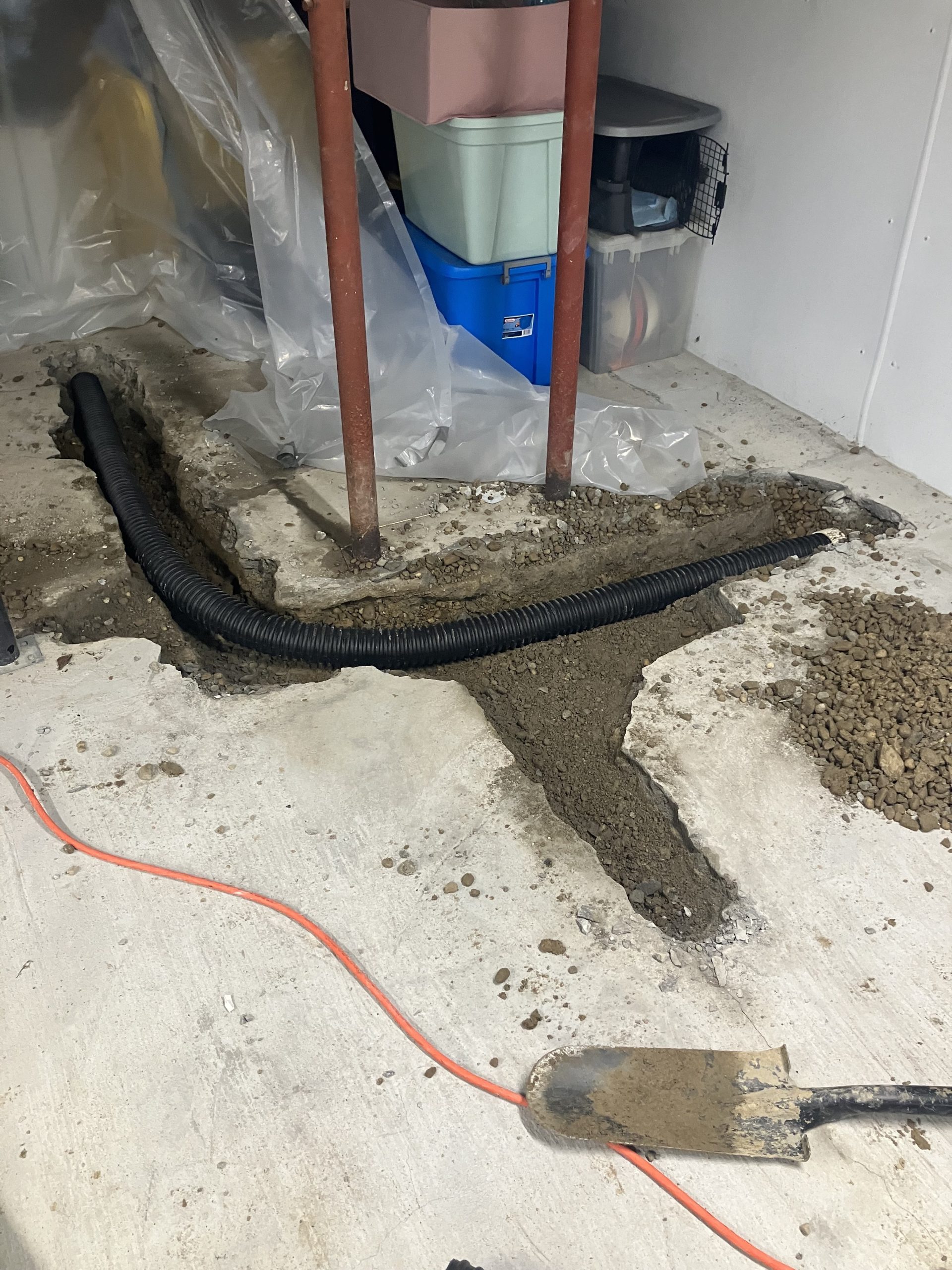
A crucial component of any basement waterproofing project is the drainage system. The goal is to redirect water away from your foundation, thus preventing it from seeping into your basement. This involves the installation of various drainage solutions like French drains, sump pumps, and gutter systems.
You’ll also need to consider the types of waterproofing methods, such as interior and exterior waterproofing. Interior waterproofing often involves the application of sealants and coatings, while exterior waterproofing might require more extensive excavation work.
In essence, a successful basement waterproofing project is about understanding the source of the problem, selecting the right waterproofing method, and properly installing the necessary drainage systems. It’s a detailed, technical process that requires careful planning and execution.
Signs You Need Waterproofing
Now that we’ve covered the basics of basement waterproofing, it’s important to recognize when it’s time to consider this project for your own home.
The signs you need waterproofing could range from subtle to glaringly obvious. Here is a detailed list to guide you:
- Leaky walls: If you spot wet patches on your walls, it’s an indication of water seeping through. This is a definite signal you need to waterproof your basement.
- Smell: The presence of a musty or moldy odor is a sign of water infiltration, which means moisture sources are at play. This could be due to leaks or condensation.
- Mold growth: Mold spores thrive in damp environments. If you notice mold on walls, furniture, or stored items, this is a sure sign of excessive moisture.
- Efflorescence: This white, powdery substance appears when water evaporates, leaving behind salt deposits. Spotting this on your basement walls is a clear indication of water intrusion.
- Damp floor: If your basement floor feels or appears damp, this could be due to groundwater pressure or poor drainage.
Recognizing these signs will help you take timely action and protect your home from the adverse effects of moisture damage.
Assessing Your Basement’s Condition
Understanding the condition of your basement is a crucial step in your waterproofing project. A thorough basement inspection can reveal subtle and often overlooked issues directly related to moisture intrusion.
You’re not merely looking for standing water or obvious leaks. You’re also on the hunt for signs of dampness, condensation, mold growth, and mineral deposits on walls, indicative of prolonged moisture presence.
Moisture evaluation is an equally essential part of this assessment. It’s not enough to know that water is seeping in; you need to determine where it’s coming from and why.
Is it due to external factors like poor drainage, or internal problems like condensation or plumbing leaks? A moisture meter can be a useful tool in this regard, allowing you to measure the moisture content in various parts of your basement.
Exploring Waterproofing Solutions
Now that you’ve assessed your basement’s condition, it’s time to explore potential waterproofing solutions.
There’s a variety of methods available, each with their own benefits and potential drawbacks.
Your choice should be guided by the specific needs of your basement, ensuring it’s not only dry but structurally sound for years to come.
Types of Waterproofing Methods
Damp-proofing, interior water drainage, and exterior waterproofing make up the triad of waterproofing solutions you need to consider for your basement project. Each method has its own set of techniques, complexities, and benefits.
For damp-proofing and interior water drainage, you’ll focus on:
- Using sump pumps to remove collected water
- Implementing interior drainage systems to divert water
- Applying waterproofing membranes as a moisture barrier
- Undertaking foundation repair to fix cracks and weaknesses
- Installing dehumidifiers to control humidity levels
Exterior waterproofing, on the other hand, is more preventative and involves:
- Applying exterior sealing to block water intrusion
- Using waterproof membranes on the outside walls
- Implementing soil grading to direct water away from your home
- Installing landscape drainage systems to handle rainwater
- Installing moisture barriers to prevent dampness from seeping in
Your choice of method will depend on the severity of your basement’s water issues, your budget, and your long-term goals for your basement.
Selecting Appropriate Solutions
In the realm of basement waterproofing, your selection of the appropriate solution is paramount. It’s not just about picking the first waterproofing technology you come across, but comparing different solutions to find the best fit for your unique situation.
To start, consider your basement’s specific requirements. Is it prone to heavy flooding or just occasional dampness? Does it have cracks or structural issues that might affect the effectiveness of certain waterproofing technologies? These are critical questions that’ll guide your decision-making process.
Next, look at the different waterproofing technologies available. These could range from interior water drainage systems to exterior waterproofing membranes, each with its own advantages and disadvantages. It’s crucial to understand the pros and cons of each solution to make an informed decision.
Then, conduct solution comparisons. Compare the cost, installation time, maintenance needs, and overall effectiveness of each solution. This step will help you balance your budget, time, and desired results effectively.
Lastly, don’t hesitate to consult with professionals. They’ve got the experience and expertise to guide you through the process, helping you avoid common pitfalls and ensure a successful waterproofing project.
Choosing the Right Materials
Choosing the right materials for your basement waterproofing project isn’t just about what’s on the shelf.
You must critically evaluate each product’s composition and how it holds up over time. Understanding the durability of these materials and how they interact with your specific environment will be pivotal in ensuring long-term success.
Selecting Waterproofing Products
Navigating the maze of basement waterproofing products can feel overwhelming. But don’t worry, you’re not alone. Understanding what to look for when selecting materials is the first step to a successful project.
It’s crucial to perform product comparisons before making any decisions. Different products offer varying levels of protection and are suitable for different types of basements. For instance, some are designed to resist hydrostatic pressure while others are for sealing cracks.
When making your decision, consider these factors:
- The type and extent of your basement’s water problem.
- The product’s performance under various conditions.
- Ease of application and any specific application techniques needed.
- The product’s compatibility with your basement’s existing materials.
- The product’s cost and your budget.
Each product will have its own application technique, so ensure you’re comfortable with the method or willing to learn.
Remember, the goal isn’t just to select a product; it’s to choose one that’ll effectively solve your basement’s water issue. So, arm yourself with knowledge, compare products, and choose wisely.
You’re well on your way to a dry, waterproof basement.
Understanding Material Durability
Material durability is a key consideration when planning your basement waterproofing project. It’s not enough to simply select a waterproofing product; you must also consider its lifespan and how it will hold up over time.
When thinking about material lifespan, it’s crucial to weigh the initial cost against the longevity of the material. A cheaper product may seem attractive upfront, but if it degrades quickly, you’ll be redoing the work sooner than you’d like. It’s often worth investing in a higher quality material that will last longer.
Another aspect to consider is the environmental impact of your chosen material. Some waterproofing products may contain harmful chemicals that can leach into the soil and groundwater. Therefore, it’s worth researching a product’s composition and environmental footprint before making your decision.
Ultimately, understanding material durability means taking a long-term view of your project. It’s about balancing cost, longevity, and environmental impact to choose a product that won’t only protect your basement but also stand the test of time and be kind to the environment.
Hiring Professional Waterproofers
In the realm of basement waterproofing, securing the services of professional waterproofers can be a pivotal step. They bring specialized skills, experience, and equipment to the table. This can go a long way in ensuring the success of your waterproofing project.
When hiring professionals, there are a few key aspects you need to keep in mind:
- Understand their service offerings and how they align with your project needs
- Factor in cost considerations to ensure you’re getting the best value for your money
- Scrutinize their experience and track record to ensure they can deliver quality results
- Consider your project timeline and ensure their availability aligns with it
- Check whether they offer guarantees or warranties on their work
Preparing for the Waterproofing Project
Before diving into the nitty-gritty of waterproofing your basement, there’s a crucial step to tackle: preparing for the project. This is where budget considerations and project timeline come into play.
Establish your budget early on. It’s no secret that waterproofing can be costly, but don’t let that daunt you. With careful planning, you can keep costs in check. Start by getting estimates from several contractors. This will provide a ballpark figure for your budget. Then, factor in any additional costs like temporary accommodations if the project makes your home uninhabitable for a while.
Next, map out your project timeline. Waterproofing isn’t a task that can be rushed. From drying times to potential complications, there’s plenty to consider. Plus, you need to factor in your contractor’s availability. So, set a realistic timeline, allowing for unexpected delays. Remember, it’s better to overestimate than to be caught off-guard by a rushed deadline.
In short, embarking on a basement waterproofing project requires careful planning. With a well-defined budget and timeline, you’ll be well-equipped to handle the task ahead.
Now, you’re ready to dive into the actual waterproofing work.
Overcoming Waterproofing Challenges
While it might seem daunting at first, tackling waterproofing challenges head-on will certainly pay off in the long run.
To successfully overcome these challenges, you’ll need to develop a strong understanding of drainage solutions and moisture control.
Start by considering the following:
- Identify the source of the water: It could be from rain, humidity, or a leaky pipe.
- Assess the severity of the problem: Are you dealing with a bit of dampness or a full-blown flood?
- Choose appropriate drainage solutions: These could be interior or exterior, depending on the nature of your problem.
- Implement moisture control measures: Using dehumidifiers, sealing cracks and installing vapor barriers can help.
- Monitor and adjust: Once you’ve implemented your solutions, keep an eye on things and tweak as needed.
Maintaining Your Waterproofed Basement
Once you’ve achieved a waterproofed basement, keeping it dry and well-maintained becomes your next priority. This involves regular checks for basement humidity levels. Excessive moisture can lead to water damage, so invest in a reliable moisture control system. This often includes drainage systems and sump pumps to eliminate water buildup.
If you notice water seeping through walls, wall sealing may become necessary to prevent further damage. Floor coatings can provide an extra layer of protection against moisture. They not only prevent water absorption but also resist mold and mildew.
For a dry, comfortable basement, consider various ventilation solutions. Adequate airflow reduces humidity and prevents condensation. Inspect the foundation regularly for any cracks or leaks. If found, foundation repairs should be carried out immediately to prevent water from seeping in.
Insulation options also play a crucial role in maintaining a dry basement. They keep the cold out and reduce condensation, which can lead to mold and rot.
Frequently Asked Questions
What Is the Estimated Cost of a Full Basement Waterproofing Project?
You’re likely looking at a range between $3,000 to $10,000 for a full basement waterproofing project.
It depends on your home’s size, foundation type, and the severity of your water issue.
DIY options can lower the cost, but remember, they won’t be as thorough as professional services.
You’ll also have to consider cost factors like interior and exterior solutions, sump pump installation, and possible structural repairs.
It’s a big task, but worth it for a dry basement.
How Long Does a Typical Basement Waterproofing Project Take?
You’re curious about the duration of a typical basement waterproofing project, aren’t you?
It varies based on the size of your basement and the severity of the moisture problem. However, you can generally expect it to take 1-2 weeks.
This includes installing basement drainage systems and applying waterproofing materials.
Remember, weather conditions can impact the timeline.
It’s crucial to factor in time for thorough inspections and testing to ensure the job’s done right.
Can I Waterproof My Basement if It Has Already Been Finished?
Yes, you can waterproof a finished basement.
It’s more complex, but there are finished basement solutions available. Various waterproofing methods, from interior water control systems to exterior waterproofing, can be employed.
However, some might require you to partially or fully uncover the basement walls.
It’s crucial to consult with a professional to determine the best approach for your specific situation.
What Are the Potential Health Risks Associated With a Damp or Wet Basement?
A damp or wet basement can lead to mold growth, impacting your home’s air quality. Prolonged exposure to mold may cause allergies, respiratory issues, and other health problems.
If you’ve got a persistently damp basement, it’s crucial to address this issue. Not only can it affect your health, but it can also damage your property.
Don’t underestimate the potential risks; take prompt, effective measures to ensure a healthy, mold-free environment.
Does Home Insurance Typically Cover Basement Waterproofing or Any Related Damages?
Typically, home insurance policies don’t cover basement waterproofing or related damages.
It’s crucial for you to check your individual policy’s coverage limits. Usually, insurers exclude “maintenance” issues like gradual water damage.
However, sudden and accidental water damage might be covered. It’s always best to consult with your insurance provider to understand what’s included and what’s not.
Make sure you’re adequately protected against potential basement water issues.
Conclusion
Planning a full basement waterproofing project doesn’t have to be daunting. You’ve identified the signs, assessed the condition, explored solutions, chosen materials, hired professionals, and prepared for the project. Remember, overcoming challenges is part of the process, and maintenance is key to longevity. With careful planning, realistic budgeting, and patience, you’ll achieve a dry, safe basement. So, roll up your sleeves and get started — your waterproofed basement awaits!

Ohio State Waterproofing has provided quality service with over 90,000 successful waterproofing and foundation repair installations and satisfied customers since our inception in 1978.
Ohio State Waterproofing’s philosophy for success is to provide honest, courteous and guaranteed service to every customer. Our reputation reflects this. Our well-trained waterproofing technicians are dedicated to complete customer satisfaction. This is achieved through fast, efficient processes as well as teamwork throughout this organization. You will always find a friendly representative willing to meet your needs at Ohio State Waterproofing.
We are a full service company that handles problems ranging from patching cracks to rebuilding basements. In addition, we hold three patents related to waterproofing that make us unique in the industry. These patents and our experience allow us to be able to do what every other waterproofer can do, but no one else can do what we do.
We are actively involved in the industry and community, including the National Association of Waterproofing Contractors, BHA, NARI, NAHB, NHIA, the BIA, the FHA and a number of consumer advocacy groups, as well as playing leading roles in a number of charitable functions.
But, most importantly, our highest degree of praise comes from the thousands of referrals we get from satisfied customers. Together they’ve made us a leader in the basement waterproofing and foundation repair industry.
