
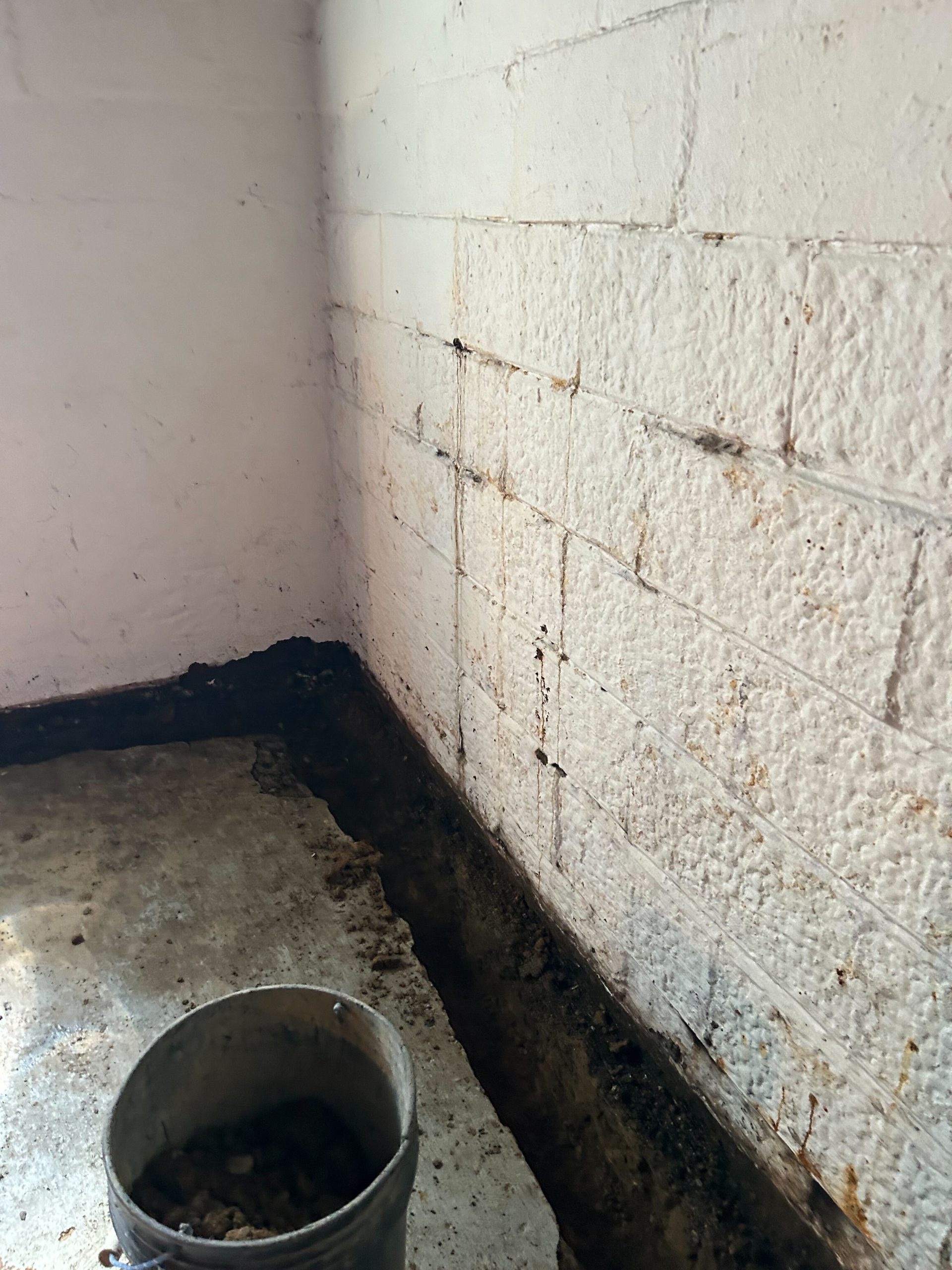
 You’re probably aware that unchecked moisture in your basement can lead to mold growth and structural damage. But how do you effectively track these moisture levels? A simple tool called a hygrometer can help you stay on top of this issue. But that’s not all. There are techniques and additional tools that can provide a more comprehensive picture of your basement’s humidity levels. Why not take a step further and learn how to control and manage these moisture levels? Let’s explore this together.
Key Takeaways
- Use tools like hygrometers, infrared moisture meters, and thermal imaging cameras for precise moisture detection.
- Install a hygrometer at eye level, away from direct moisture sources, and ensure it’s regularly calibrated.
- Regularly conduct visual inspections for signs of moisture, such as water stains, peeling paint, or damp spots.
- Interpret hygrometer readings: 30-50% humidity is normal, above 50% indicates excess moisture, below 30% suggests overly dry conditions.
- Control humidity using dehumidifiers, ventilation strategies, and exhaust fans, and seek professional help if dampness persists despite these methods.
Understanding Basement Moisture
Navigating the complexities of basement moisture can be a daunting task. However, understanding the sources of this moisture and the prevention methods available to you can help maintain the structural integrity of your home.
Moisture sources can typically be traced back to one of three primary triggers: condensation, runoff, and groundwater swelling.
Condensation occurs when moist, warm air comes into contact with cool basement surfaces, including walls, floors, and items stored in your basement.
Runoff is a common issue, resulting from rain or melting snow. If it’s not directed away from your house, it can saturate the soil around your foundation and leak into your basement.
Groundwater swelling can be a more serious issue, as it happens when the water table rises above the level of your basement floor.
Prevention methods are varied but it’s essential to ensure water is directed away from your house. This includes maintaining gutters and downspouts, and sloping the ground away from your foundation.
Proper insulation can also help to reduce condensation. Dehumidifiers can manage humidity levels.
Risks of High Moisture Levels
While understanding the origins of basement moisture and prevention methods is important, it’s equally vital to recognize the potential risks of high moisture levels in your basement. Think of it as the initial stage of a potentially larger issue, like the start of a mysterious novel. But unlike a novel, this isn’t a mystery you’ll want to unravel.
High moisture can lead to mold growth, a serious concern for your health. Mold spores, when inhaled, can cause allergic reactions and respiratory issues. It’s not just your health that’s at risk, but also your home’s structural integrity. Persistent moisture can cause structural damage, weakening your home’s foundation and walls.
Below is a table highlighting three major risks of high moisture levels:
| Risks | Effects | Prevention |
|---|---|---|
| Mold Growth | Allergic reactions, respiratory issues | Ventilation, Dehumidifiers |
| Structural Damage | Weakening of foundation and walls | Waterproofing, Drainage Systems |
| Decrease in Property Value | Lower resale value | Regular inspection, Maintenance |
Understanding these risks allows you to take the necessary steps to prevent them, maintaining both your health and home’s value. Remember, prevention is better than cure. Now, let’s move on to how you can detect these moisture levels.
Tools for Moisture Detection
You’ll need the right tools to accurately detect and measure moisture levels in your basement.
A hygrometer, for example, is essential for giving you precise readings of humidity levels.
Infrared moisture meters, on the other hand, can provide a broader view of moisture distribution in walls and floors.
Choosing the Right Hygrometer
Countless hygrometers are available on the market, but not all are suitable for monitoring moisture levels in your basement. You need to understand the differences between digital and analog hygrometers, for instance. Digital ones offer precise readings and often include features that allow for easier reading and recording. Analog hygrometers, on the other hand, don’t require batteries, but might need regular calibration to maintain accuracy.
Battery lifespan is another key consideration. Generally, digital hygrometers have a shorter battery lifespan compared to their analog counterparts. Thus, you should consider how often you’re prepared to change batteries or calibrate your device.
Check out the table below to understand the pros and cons of each type:
| Digital Hygrometers | Analog Hygrometers | |
|---|---|---|
| Measurement Accuracy | High | Can vary |
| Battery Lifespan | Shorter | Longer |
| Maintenance | Low | May require regular calibration |
User reviews can provide insights into a hygrometer’s performance. Look for comments about the device’s measurement accuracy, humidity ranges, and maintenance tips. With careful research, you’ll select the right tool for your basement’s moisture monitoring needs.
Utilizing Infrared Moisture Meters
Often, a hygrometer isn’t enough to fully understand moisture issues in your basement. This is where infrared moisture meters come in. Using advanced infrared technology, these handy tools offer a more detailed and precise method of moisture detection.
Infrared moisture meters work by emitting and measuring infrared energy. Dry and wet materials absorb and reflect this energy differently, allowing the meter to identify areas of moisture that might be missed by a hygrometer. You simply point the meter at a surface, and it provides a moisture reading based on the infrared energy reflection.
It’s important to note that while infrared moisture meters are highly effective, they don’t replace a thorough visual inspection. Some areas of your basement may not be accessible to the meter, and certain materials may interfere with its readings.
Therefore, you should always use this tool in conjunction with other moisture detection methods for best results.
Choosing the Right Hygrometer
Navigating the world of hygrometers can seem daunting at first. There’s a gamut of digital hygrometers, analog hygrometers, and different calibration techniques to familiarize yourself with. But, don’t fret. We’ll guide you through the process of picking the right hygrometer for your basement.
Consider your needs and your budget. Here’s a table comparing digital and analog versions:
| Features | Digital Hygrometers | Analog Hygrometers |
|---|---|---|
| Calibration Techniques | Pre-calibrated, easy to use | Requires manual calibration |
| Data Logging | Capable | Not capable |
| Wireless Options | Many | Few |
| Budget Considerations | More expensive | Less expensive |
| User Reviews | Generally more positive | Mixed reviews |
Digital hygrometers, with their advanced humidity sensors and data logging, are well-regarded. If you’re tech-savvy, their wireless options can make monitoring more convenient. However, they can be costlier. Analog hygrometers, on the other hand, are budget-friendly and portable devices. But they require manual calibration and lack data logging capabilities.
Brand comparisons and user reviews can be extremely helpful. Look for a reputable brand with positive reviews. Remember, the right hygrometer for you effectively measures humidity without breaking your budget.
Installing a Hygrometer Properly
Now that you’ve selected a suitable hygrometer, it’s crucial to install it correctly to get accurate readings.
Proper placement is key; you don’t want to just stick it anywhere in your basement.
We’ll guide you through the steps to ensure your hygrometer is positioned for optimal moisture monitoring.
Hygrometer Selection Guide
Selecting the right hygrometer for your basement is a critical step in monitoring moisture levels. You have mainly two types to consider: digital hygrometers and analog hygrometers. Each has its own set of benefits and drawbacks, and your choice will depend on your specific needs and preferences.
Digital hygrometers are perfect if you’re looking for precision and ease of use. They offer exact readings, have large, clear displays, and some models even have additional features like temperature readings or humidity history logs. However, they’re typically more expensive than their analog counterparts and may require batteries.
On the other hand, analog hygrometers are more affordable and have a classic aesthetic that some homeowners prefer. They don’t need batteries to run, making them low-maintenance. However, they may not be as accurate as digital models, and the readings can be harder to interpret.
When selecting a hygrometer, consider the following:
- The level of accuracy you need
- Your budget
- The style and aesthetic you prefer
Proper Hygrometer Placement
Having chosen the right hygrometer for your basement, the next step involves its correct placement to ensure accurate readings. It’s crucial to avoid areas prone to artificial humidity fluctuations, such as near windows, doors, or vents. Instead, select a central location where the air circulates freely.
Before installing, it’s worth your while to check the hygrometer calibration. This ensures the device provides accurate readings. A poorly calibrated hygrometer can mislead you about the actual moisture levels, resulting in potential damage to your home.
To aid your understanding, here’s a handy table summarizing the process:
| Step | Action | Reason |
|---|---|---|
| 1 | Select central location | Avoids artificial humidity fluctuations |
| 2 | Check hygrometer calibration | Ensures accuracy of readings |
| 3 | Install hygrometer | Monitors basement humidity |
| 4 | Regularly check readings | Identifies changes in humidity levels |
Interpreting Hygrometer Readings
After setting up your hygrometer in the basement, interpreting its readings is your next crucial step. It’s not just about reading the numbers, it’s also about understanding what they mean.
First, make sure your hygrometer calibration is accurate. Most hygrometers come pre-calibrated, but it’s good practice to verify this. You can do a simple test using a damp cloth or salt solution. If your readings are off, adjust the hygrometer accordingly.
Second, monitor the humidity trends. Your hygrometer doesn’t just give you a snapshot, it shows patterns over time. Note the fluctuations in humidity levels throughout the day, week, or even season. This will help you understand the moisture behavior in your basement.
Interpretation of hygrometer readings generally fall into these categories:
- Normal range: Relative humidity of 30-50%. Your basement is in good shape.
- High range: Relative humidity above 50%. You’ve got excess moisture.
- Low range: Relative humidity below 30%. Your basement is too dry.
Controlling Basement Humidity
In the battle against excess moisture, control is your greatest weapon. You’ve got a variety of dehumidifier options and ventilation strategies at your disposal, and it’s crucial to understand how to use them effectively.
First, let’s tackle dehumidifier options. Dehumidifiers work by pulling moisture from the air, effectively reducing the humidity level. Portable units are perfect for smaller spaces and easy to move around. Whole-house models, on the other hand, cover larger areas and integrate with your HVAC system.
You’ll need to consider the size of your basement and the severity of your moisture problem when choosing between these options.
Ventilation strategies also play a crucial role in controlling basement humidity. Simple methods like opening windows and using fans can help circulate air and reduce moisture.
More technical solutions involve exhaust fans or a ventilation system specifically designed to combat basement humidity. Keep in mind, though, that ventilation can sometimes draw in more moist air, so it’s important to balance this with effective dehumidification.
When to Call a Professional
Despite your best efforts to control moisture in your basement, there might come a time when professional intervention becomes necessary.
Here’s when you need to step back and call in a specialist for a thorough basement inspection and moisture assessment.
- If you notice persistent dampness or condensation even after implementing moisture control methods. It’s a red flag indicating a deeper, possibly structural issue.
- Your DIY moisture meters show consistently high readings. These instruments are reliable but not foolproof. It’s best to get a professional assessment for confirmation.
- You spot signs of mold or mildew. These are clear indicators of a severe moisture problem that requires immediate professional attention.
A professional will conduct a detailed examination of your basement, using advanced tools and techniques to accurately gauge moisture levels.
They’ll identify the source of the issue, whether it’s seepage, condensation, or a structural fault, and propose effective solutions.
Frequently Asked Questions
What Are Some Signs of Moisture Damage in the Basement?
You’ll spot signs of moisture damage in your basement through certain indicators.
Look out for mold growth, a clear sign of excessive dampness. You’ll often find this on walls, ceilings, or objects stored in the basement.
Also, lookout for water stains on floors, walls, or ceilings. These stains can be yellow or brown in color, indicating water leakage or high humidity levels.
It’s crucial to address these signs swiftly to prevent further damage.
Are There Any DIY Solutions to Reduce Basement Moisture?
Yes, there are several DIY solutions to reduce basement moisture.
You can explore various dehumidifier options, which effectively suck out excess moisture.
Additionally, consider installing moisture barriers on your basement walls. This involves applying a waterproof paint or sealant to prevent water seepage.
How Often Should I Check My Basement for Moisture?
You should check your basement for moisture regularly to prevent potential problems.
The frequency depends on your home’s humidity level. In general, a weekly inspection schedule is a good start.
If you’re noticing consistent moisture issues, you might need to check it more often.
Remember, it’s easier to prevent moisture build-up than to deal with mold or water damage later.
Can Insurance Cover Damage Caused by Basement Moisture?
Yes, insurance can cover damage caused by basement moisture, but it greatly depends on your policy.
Not all insurance policies include moisture coverage. It’s crucial you thoroughly check your policy’s details or consult with your insurance agent.
Some may cover sudden and accidental water damage, but not prolonged issues due to neglect.
Always be proactive in maintaining your home to prevent possible moisture problems that could lead to costly repairs.
Is It Safe to Store Items in a Moist Basement?
Storing items in a moist basement isn’t recommended. Moisture effects can include mold growth, which can damage your belongings and pose health risks.
It’s essential to consider storage solutions that protect your items. Use plastic bins instead of cardboard boxes and elevate items off the floor.
But remember, these are just temporary fixes. Addressing the moisture problem should be your top priority to ensure your basement’s safety.
Essential Tools & Tips for Basement Moisture MonitoringConclusion
In conclusion, maintaining optimal moisture levels in your basement isn’t just a luxury, it’s a necessity. By understanding the risks, utilizing tools like hygrometers and moisture meters, and being proactive in controlling humidity, you can prevent serious issues. Remember, if problems persist, don’t hesitate to call a professional. Your diligence will protect your home’s integrity, ensuring it remains a safe and comfortable space for years to come.

Ohio State Waterproofing has provided quality service with over 90,000 successful waterproofing and foundation repair installations and satisfied customers since our inception in 1978.
Ohio State Waterproofing’s philosophy for success is to provide honest, courteous and guaranteed service to every customer. Our reputation reflects this. Our well-trained waterproofing technicians are dedicated to complete customer satisfaction. This is achieved through fast, efficient processes as well as teamwork throughout this organization. You will always find a friendly representative willing to meet your needs at Ohio State Waterproofing.
We are a full service company that handles problems ranging from patching cracks to rebuilding basements. In addition, we hold three patents related to waterproofing that make us unique in the industry. These patents and our experience allow us to be able to do what every other waterproofer can do, but no one else can do what we do.
We are actively involved in the industry and community, including the National Association of Waterproofing Contractors, BHA, NARI, NAHB, NHIA, the BIA, the FHA and a number of consumer advocacy groups, as well as playing leading roles in a number of charitable functions.
But, most importantly, our highest degree of praise comes from the thousands of referrals we get from satisfied customers. Together they’ve made us a leader in the basement waterproofing and foundation repair industry.

