
If you’ve ever dealt with a damp or musty basement, you know how frustrating and damaging it can be. From water stains to mold growth, moisture intrusion poses serious risks to your home’s structure and indoor air quality. But have you looked closely at the combined role of drainage systems, high-quality sealants, and consistent maintenance? Keeping water away from your foundation, applying effective waterproofing materials, and monitoring indoor humidity are all essential parts of a solid waterproofing strategy.
Still, even when you’re doing the right things, there may be a missing piece that keeps your basement from being truly dry—and fully usable. In this guide, we’ll walk through the most important waterproofing strategies and materials to help you uncover what your basement really needs.
Key Takeaways
Successful basement waterproofing combines proper drainage, sealant use, and routine maintenance.
Materials like concrete coatings, silicate sealers, and waterproof membranes create strong barriers against moisture.
Surface prep and correct application techniques are crucial for sealant effectiveness.
Regular checks can help you spot early signs of trouble before they become costly problems.
Professional help ensures that waterproofing is done correctly and tailored to your home’s unique needs.
Where Basement Moisture Comes From
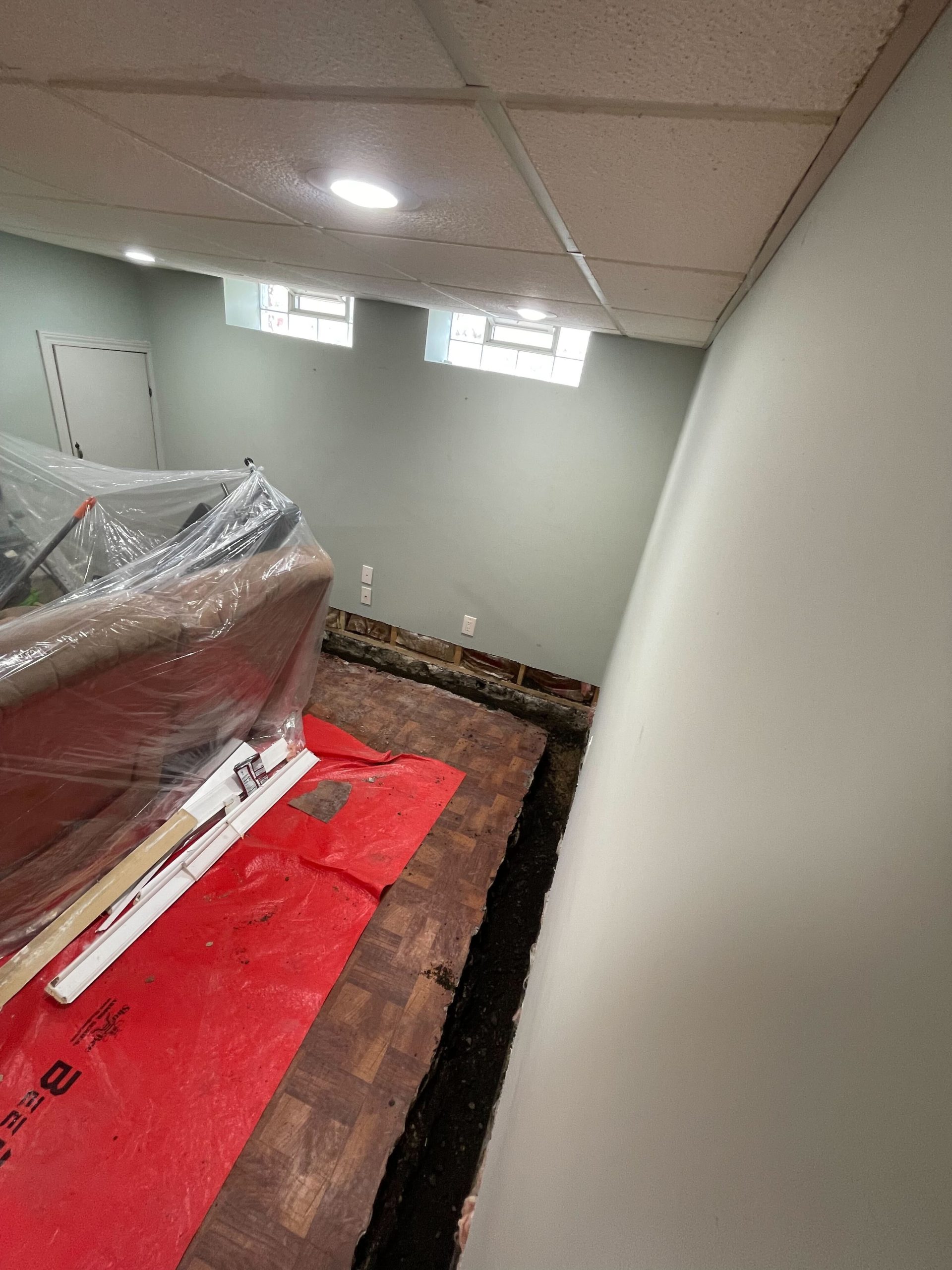 Before choosing a waterproofing method, it’s critical to understand where basement moisture originates. There are two main sources:
1. Internal Humidity:
Daily activities like cooking, laundry, or using a humidifier can raise indoor humidity. In cooler areas like basements, this moisture condenses on walls and pipes, contributing to dampness. Dehumidifiers and improved ventilation can help manage this.
2. External Water Intrusion:
Rain, snowmelt, and groundwater are major culprits. Water can seep through:
Cracks in basement walls or floors
Gaps around windows or doors
The wall-floor joint (where the wall meets the slab)
Improper grading around your home or poor rainwater drainage can funnel water toward your foundation instead of away from it. And don’t forget to inspect plumbing and appliances—leaks from within the home can be just as damaging as water from the outside.
The Crucial Role of Drainage
Identifying moisture sources is just the first step. Next comes protecting your basement with proper drainage.
Without a reliable drainage system, water can build up around your foundation and eventually find its way inside. Over time, this leads to mold, mildew, structural damage, and even foundation failure.
How to Improve Drainage:
Inspect your gutters and downspouts regularly. Clear away debris and ensure water is being directed at least six feet from your home.
Check your landscape grading. The soil should slope away from your home—not toward it.
Consider installing additional drainage systems like French drains, sump pumps, or exterior footing drains, especially in areas with heavy rainfall or clay soil.
Drainage isn’t just a supporting element of waterproofing—it’s a vital component that works hand-in-hand with sealants and membranes to keep your basement dry.
Choosing the Right Waterproofing Materials
Now that drainage is covered, let’s talk about what really seals the deal: waterproofing products.
Waterproofing Sealants
Sealants provide a moisture-resistant barrier on concrete surfaces. The two main types are:
Liquid Sealants: Applied with brushes or rollers, these penetrate deeply into concrete to block moisture. They’re easy to apply and affordable.
Sheet-Based Sealants: Thicker and more durable, these are adhered to walls to create a physical barrier. They’re more complex to install but offer superior protection.
Each type serves a specific purpose. Liquid sealants are great for DIY applications, while sheet-based systems may be better left to professionals.
Drainage and Sealant: A Dynamic Duo
Even the best sealant won’t hold up if water is constantly pooling outside your basement walls. That’s why it’s critical to pair sealing products with effective drainage solutions. Think of sealants as your interior defense, and drainage as your exterior protection.
Waterproof Membranes
These are often rubber- or plastic-based and applied directly to your basement walls. Available in sheet-based or liquid-applied versions, they form a continuous barrier that repels water before it enters the structure.
Key Tips:
Always prep the surface: clean, dry, and dust-free.
Follow manufacturer instructions carefully to ensure proper adhesion.
Hire a professional for large or complex installations to avoid future issues.
DIY Waterproofing Techniques
If you’re a hands-on homeowner, there are ways to protect your basement yourself—provided you’re realistic about the limitations.
Selecting Materials for DIY
Here are some common DIY-friendly products:
| Material | Details |
|---|---|
| Concrete Coatings | Long-lasting, ideal for bare concrete. Not for painted surfaces. |
| Silicate-Based Sealers | Penetrate concrete to create a water barrier. Work on painted walls. |
| Waterproofing Paint | Easy to apply. Adds a layer of moisture resistance to interior walls. |
| Plastic Panels + Interior Drainage | Often used together for redirecting water to a sump system. |
Applying Sealants
Step-by-step:
Clean the surface—remove dirt, mold, and old paint.
Dry completely—moisture prevents adhesion.
Apply evenly with a brush or roller.
Focus on corners and joints—common points of leakage.
Allow full curing time—24 to 48 hours depending on the product.
Addressing Moisture at Its Source
Before sealing anything, be sure to:
Use a dehumidifier to manage internal humidity.
Seal plumbing leaks.
Adjust landscaping and gutters to divert water away from your foundation.
Tackling these issues first ensures your sealants and coatings will work as intended.
When to Call in the Pros
While DIY can be effective for minor issues, larger problems need professional help. Here’s how to find the right contractor:
Do your research: Look for licensed, insured professionals with good reviews.
Ask for references: Reputable companies will gladly provide them.
Check for comprehensive services: Do they offer interior and exterior waterproofing? What materials do they use?
Avoid choosing solely based on price. Cheaper isn’t always better when you’re safeguarding your home from long-term water damage.
A skilled waterproofing contractor will provide:
A thorough inspection
Tailored solutions
Warranty-backed results
Keeping Your Basement Dry Long-Term
Once your basement is dry, you’ll want to keep it that way. Maintenance is the secret to long-term success.
Tips:
Inspect for signs of moisture every few months (musty smells, peeling paint, etc.).
Clean gutters and downspouts seasonally.
Ensure downspouts direct water at least six feet away.
Check the slope of the ground around your home annually.
Use a dehumidifier in warmer months to control humidity.
Watch for plumbing leaks or sump pump failures.
Prevention is always more affordable than repair.
Real-Life Results: Case Studies
Waterproofing works—and these homeowners prove it.
1. The Historic Victorian Home
Faced with a persistently damp basement, the owners opted for interior drainage, exterior sealing, and a new sump pump. The result? A dry, functional space in a century-old home.
2. Modern Townhouse Solution
After repeated flooding, a French drain system redirected water before it could reach the foundation. Heavy storms are no longer a concern.
3. Cracked Foundation Fix
A mid-century house with foundation cracks saw remarkable improvement after epoxy injections and complete interior and exterior waterproofing. Structural integrity was restored, and moisture issues resolved.
Frequently Asked Questions
How much does basement waterproofing cost?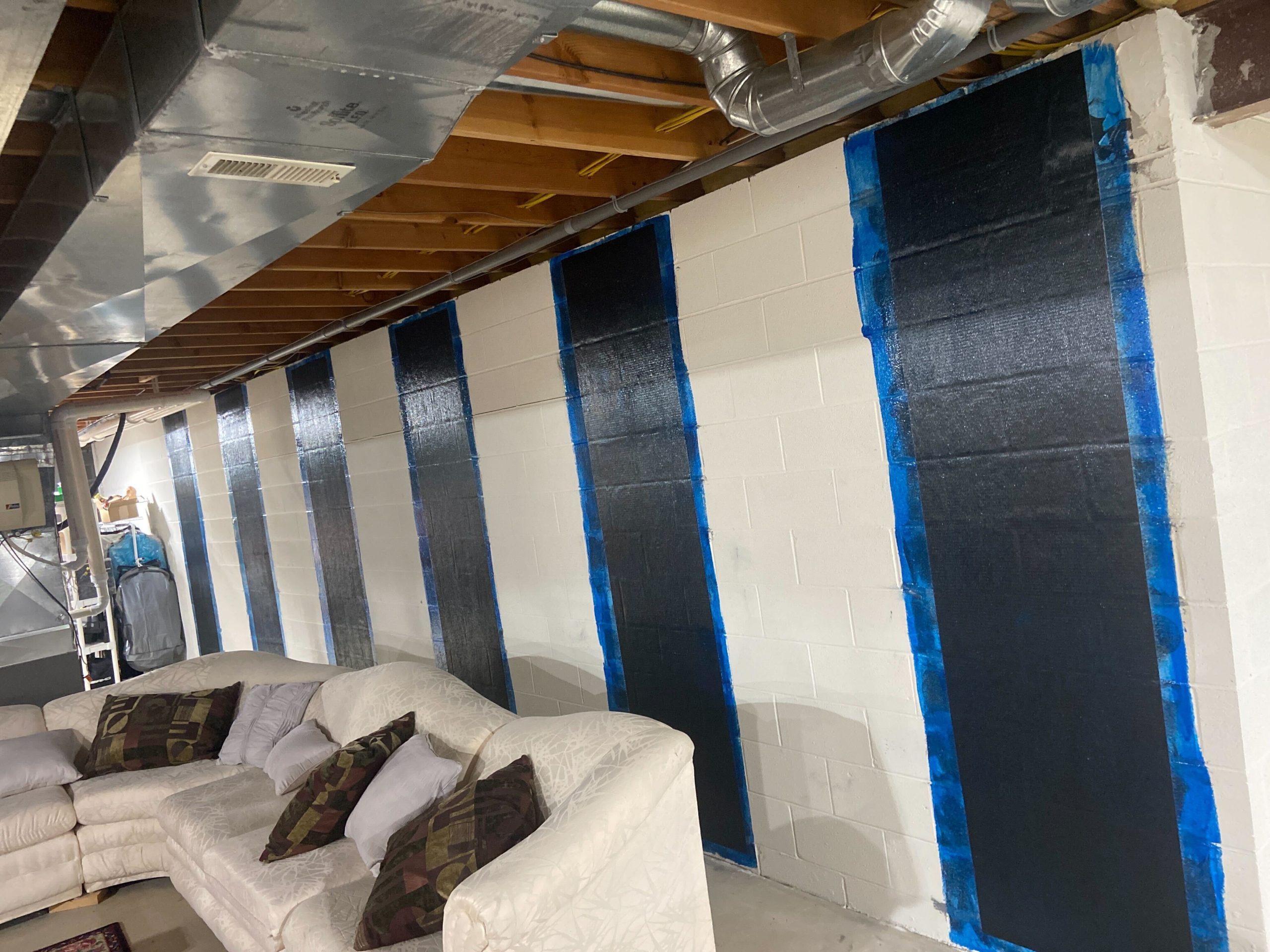
Typically, between $3,000 and $9,000 depending on your home’s size and the method used.
How long does the process take?
Most waterproofing projects take between 3 to 7 days.
Does home insurance cover waterproofing?
Usually not. Waterproofing is considered preventive maintenance, not accidental damage.
Is a damp basement a health risk?
Yes. Moisture encourages mold growth, which can trigger allergies and respiratory issues.
Can waterproofing increase home value?
Absolutely. A dry basement adds livable space and gives buyers confidence in your home’s condition.
Final Steps & Expert Tips for Lasting Basement Waterproofing
Basement waterproofing is more than just sealing cracks—it’s a complete system of drainage, protection, and proactive care. Whether you’re sealing minor leaks or renovating an entire basement, understanding the process is key to protecting your home and health.
If you’re unsure where to start or want lasting results, don’t hesitate to contact a professional waterproofing company. With the right strategy in place, your basement can go from damp and unused to clean, dry, and ready for anything.

Ohio State Waterproofing has provided quality service with over 90,000 successful waterproofing and foundation repair installations and satisfied customers since our inception in 1978.
Ohio State Waterproofing’s philosophy for success is to provide honest, courteous and guaranteed service to every customer. Our reputation reflects this. Our well-trained waterproofing technicians are dedicated to complete customer satisfaction. This is achieved through fast, efficient processes as well as teamwork throughout this organization. You will always find a friendly representative willing to meet your needs at Ohio State Waterproofing.
We are a full service company that handles problems ranging from patching cracks to rebuilding basements. In addition, we hold three patents related to waterproofing that make us unique in the industry. These patents and our experience allow us to be able to do what every other waterproofer can do, but no one else can do what we do.
We are actively involved in the industry and community, including the National Association of Waterproofing Contractors, BHA, NARI, NAHB, NHIA, the BIA, the FHA and a number of consumer advocacy groups, as well as playing leading roles in a number of charitable functions.
But, most importantly, our highest degree of praise comes from the thousands of referrals we get from satisfied customers. Together they’ve made us a leader in the basement waterproofing and foundation repair industry.

