
 You’ve likely noticed how basement humidity can fluctuate wildly between seasons, making it a constant battle to keep things dry and comfortable. Ever wondered how to maintain optimal humidity levels year-round? The key lies in understanding the causes of basement dampness, using the right equipment, and adopting effective maintenance practices. But there’s more to this than meets the eye. Let’s explore this further, shall we?
Key Takeaways
- Monitor humidity levels using hygrometers and maintain them between 30-50% to prevent mold and mildew.
- Use dehumidifiers or air conditioners, properly sized for your basement, to control air moisture and condensation.
- Ensure effective ventilation through exhaust systems or opening windows to remove damp air and prevent stagnation.
- Regularly maintain your basement by checking for leaks, cleaning filters, and adjusting dehumidifier settings as needed.
- Employ alternative humidity control methods like humidity-absorbing plants or moisture-absorbing materials like silica gel.
Understanding Basement Humidity
The basement, your home’s hidden sanctuary, is often a victim of excess humidity. It’s crucial to understand why this happens and how it can impact your home.
Humidity measurement is a key component in managing this issue. You can’t control what you can’t measure, right?
There are various tools available for humidity measurement. Hygrometers, for instance, are devices that measure the amount of humidity or moisture in the air. They come in different models, from simple analog versions to more complex digital ones. Some even offer additional features like temperature readouts and humidity alerts.
Once you’ve got your hygrometer, you can start monitoring the humidity levels in your basement. It’s advisable to maintain a humidity level of 30-50% in your basement to prevent moisture-related problems. Exceeding this range can lead to various issues, including the growth of mold and mildew, which can compromise your home’s structural integrity.
Moisture prevention is the next step. This can involve several strategies, from improving ventilation to using moisture-absorbing products.
Common Causes of Damp Basements
Let’s turn our attention to the common causes of damp basements, starting with identifying your basement’s moisture sources.
Understanding the role of condensation in creating a damp environment is essential.
Additionally, you’ll see how poor ventilation can exacerbate the issue, trapping moisture inside your basement.
Identifying Basement Moisture Sources
Uncovering the sources of moisture in your basement is a crucial step in controlling humidity levels.
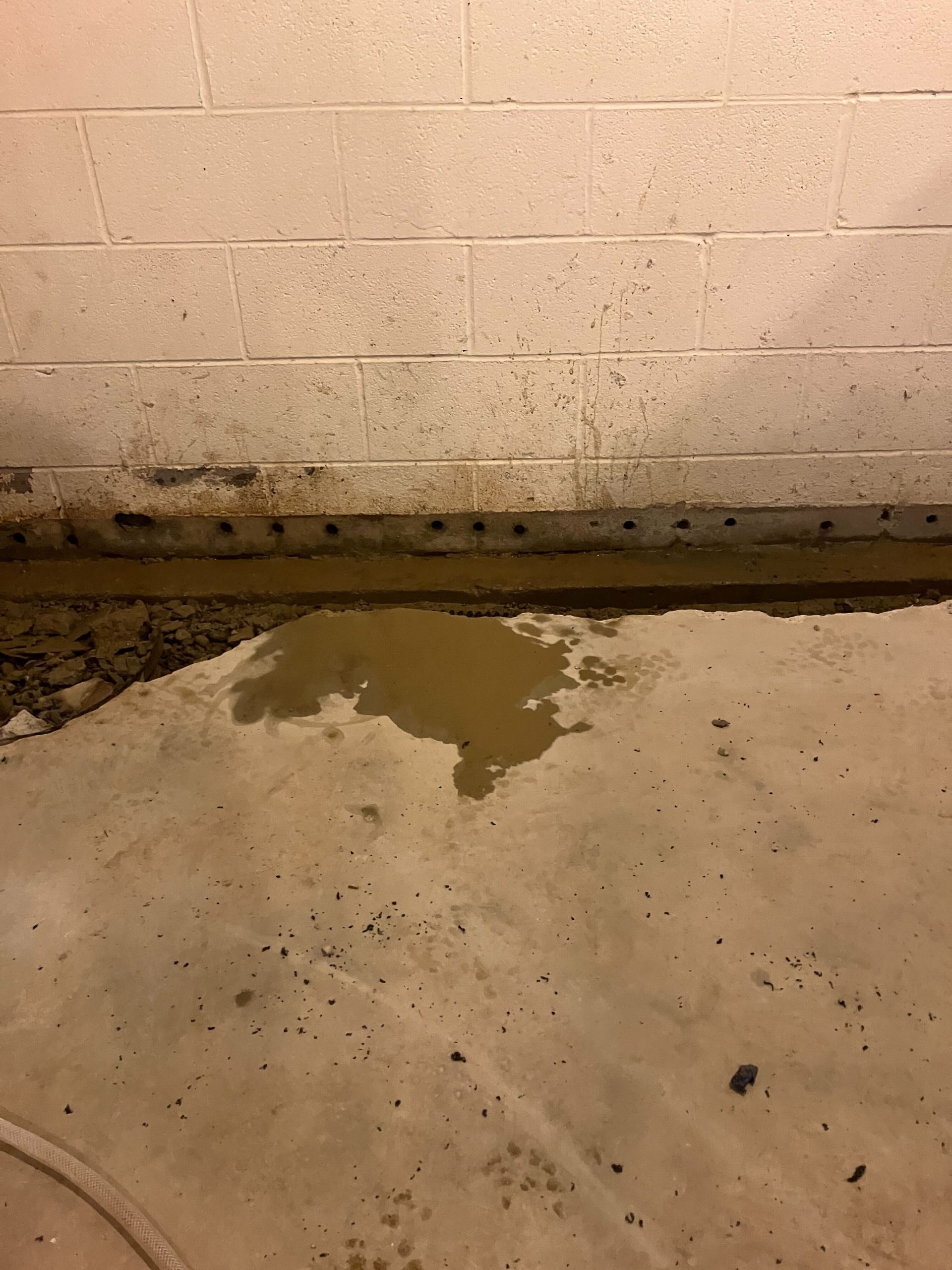
It’s important to recognize that water intrusion is a common issue. This can occur when ground water seeps through cracks in your home’s foundation, leading to mold growth and damp insulation.
Foundation leaks are another typical source of moisture. Over time, even the smallest cracks can expand, allowing water to penetrate your basement.
It’s wise to inspect your foundation regularly for signs of damage.
Moving on to plumbing issues, these can be a sneaky source of moisture. Leaks from pipes or appliances can go unnoticed until dampness becomes apparent.
Be sure to check your basement’s plumbing system for any signs of leakage.
Drainage problems, such as a blocked or improperly installed gutter system, can also contribute to basement dampness.
Water that doesn’t drain away properly can pool against your home, seeping in over time.
Surface runoff and soil moisture are often overlooked but can contribute significantly to basement humidity.
If your yard slopes towards your home, or if the soil around your house retains water, you’re likely to experience moisture issues in your basement.
Understanding these sources can help you take the right steps towards a drier, healthier basement.
The Role of Condensation
Surprisingly, a significant amount of basement dampness can be attributed to condensation. When warm, moist air comes into contact with cooler basement surfaces, such as walls and floors, it cools down quickly and releases moisture in the form of condensation.
There are two main condensation types that you’ll commonly find in your basement: surface and interstitial. Surface condensation occurs on the interior surfaces of your basement, like walls and floors, while interstitial condensation happens within the materials themselves, like insulation or drywall. Both types can cause considerable dampness and potential damage if not addressed.
Understanding condensation prevention is crucial in keeping your basement dry. First, try to control the amount of moisture in the air. Consider using dehumidifiers or air conditioners, especially during the warmer months.
Next, ensure your basement is properly insulated. This includes your walls, floors, and pipes to prevent warm air from contacting cold surfaces.
Lastly, maintain a good airflow. A stagnant environment encourages condensation, so keep air moving with fans or by opening windows when weather permits.
Effects of Poor Ventilation
Poor ventilation is a common culprit in creating damp basements. When ventilation systems aren’t effective, the stagnant air can trap moisture, leading to an increase in humidity levels.
Think of your basement as a living, breathing entity. It needs fresh air to maintain a healthy environment. Inadequate ventilation prevents this exchange of air, trapping the moisture that can lead to dampness, mold, and mildew.
Over time, damp conditions can damage the structural integrity of your basement, leading to costly repairs. It’s not just about physical damage, though. Poor ventilation also has a significant impact on your home’s air quality. The damp, stagnant air can become a breeding ground for bacteria and mold spores. These allergens can circulate through your home, triggering allergic reactions and respiratory issues.
You mightn’t be aware of the role effective ventilation plays in maintaining a dry, healthy basement. But it’s critical. By ensuring your basement is well-ventilated, you’re not just preventing dampness. You’re also promoting better air quality, safeguarding your family’s health, and protecting your investment in your home.
Understanding the effects of poor ventilation is the first step. The next is taking action to improve your basement’s ventilation system.
The Consequences of High Humidity
High humidity in your basement can lead to a host of problems that shouldn’t be ignored. One of the most common issues is mold growth. The damp, dark conditions are a perfect breeding ground for these fungi, which can pose serious health risks. Prolonged exposure can lead to respiratory problems, allergies, and other health conditions.
A musty odor is another telltale sign of high humidity. This unpleasant smell isn’t only a nuisance but also an indication of poor air quality in your basement. The dampness attracts pests such as roaches and rodents, who thrive in such environments. They not only add to the existing problem but also pose their own set of health risks.
High humidity also causes material deterioration. Your wooden structures and furniture are at risk of rotting due to the moist conditions. Over time, this can lead to structural damage, compromising the integrity of your home.
Lastly, high humidity levels can affect your home’s energy efficiency. Your HVAC system will have to work harder to maintain a comfortable temperature, leading to higher energy bills.
Assessing Your Basement’s Humidity
Before diving into solutions, it’s essential to first fully understand the extent of your basement’s humidity problem. The first step is to assess the situation using reliable humidity measurement tools. A hygrometer is an excellent choice for this task, as it measures the amount of moisture in the air, providing a clear picture of your basement’s humidity level.
Now, you might wonder, what’re the typical basement humidity indicators? You’re looking for signs like dampness, a persistent musty smell, or the presence of mold. These indicators suggest that the humidity level in your basement is too high.
But remember, even if you don’t notice these signs, it doesn’t mean your basement is free from humidity problems. That’s where a hygrometer comes in handy, providing accurate readings regardless of visible signs.
Once you’ve determined the severity of your basement’s humidity issue, you’re one step closer to finding the appropriate solution.
But don’t rush to buy a dehumidifier just yet. It’s vital to understand the full scope of the problem, so you can implement a solution that effectively addresses your specific needs.
Stay tuned for our next section where we’ll discuss how to choose the right dehumidifier.
Choosing the Right Dehumidifier
Now that you’ve sized up the extent of your basement’s humidity problem, it’s time to zero in on finding the perfect dehumidifier to combat it.
The key aspects to consider are the dehumidifier capacity and its energy efficiency.
Dehumidifier capacity refers to the amount of moisture the unit can remove from the air in 24 hours. This is typically measured in pints. If you have a larger basement or a more severe humidity problem, you’ll need a dehumidifier with a higher capacity. Conversely, for smaller basements or less intense humidity issues, a lower capacity dehumidifier will suffice.
Energy efficiency, on the other hand, refers to how much moisture the dehumidifier can remove per unit of energy consumed. More efficient units will cost you less to run in the long term and are better for the environment.
Look for units with an Energy Star rating, as these are the most efficient.
Ventilation and Air Circulation Tips
Next, let’s turn your attention to ventilation and air circulation in your basement.
Understanding how these two factors operate can significantly reduce humidity levels.
From properly positioning fans to ensuring your basement’s vents aren’t obstructed, we’ll guide you through maximizing air circulation and dealing with persistent dampness.
Understanding Basement Ventilation
Basement ventilation plays a critical role in controlling humidity levels, acting like the lungs of your home.
It’s essential to understand how it impacts air tightness and overall humidity control.
Natural airflow, driven by wind and temperature differences, can help reduce humidity. Yet, it’s usually insufficient in basements.
This is where mechanical ventilation steps in. These systems, often including exhaust systems and passive vents, actively remove damp air, replacing it with drier air from outside. However, they need to be correctly installed to prevent the introduction of unwanted cold or hot air.
Humidity sensors are also crucial. They monitor moisture levels, activating the ventilation system when levels rise too high. This auto-regulation ensures optimal air filtration and humidity control.
Cross ventilation, where air enters from one side and exits on the other, is another effective strategy. It enhances air circulation, further reducing humidity.
Thermal insulation also plays a significant role. It helps maintain a constant basement temperature, thus reducing condensation, a major humidity source.
In short, good ventilation is vital for controlling basement humidity.
It’s a balance of natural airflow, mechanical interventions, and smart technology.
It’s about creating a dry, comfortable, and healthy basement environment.
Maximizing Air Circulation
Regularly promoting air circulation in your basement is a crucial step in managing humidity. By employing effective airflow techniques, you can help maintain a dry and comfortable space all year round.
Strategically placing fans can greatly improve the circulation in your basement. Remember, it’s not just about having fans, but knowing where to place them. For maximum effectiveness, aim to create a cross-breeze that can circulate air throughout the entire area.
Here are a few additional tips to enhance air circulation:
- Open any basement windows whenever possible to let fresh air in and encourage outflow of stale, humid air.
- Consider installing vented doors or air vents to promote better air exchange.
- Utilize a dehumidifier in conjunction with fans to extract excess moisture while circulating dry air.
These methods can significantly improve the air quality in your basement, making it a more comfortable place to spend time in.
Dealing With Humidity
Ever wondered how to deal with that persistent dampness in your basement? Proper ventilation and air circulation are key factors in humidity control. Using humidity sensors can give you accurate information about the moisture levels in your basement, helping you to take the right action.
Consider installing exhaust fans to encourage air movement, replace stale air and reduce humidity. It’s also crucial to ensure that air vents aren’t blocked, allowing your HVAC system to efficiently circulate air.
Maximizing natural ventilation is equally beneficial. You can achieve this by regularly opening windows or doors in your basement, especially during dry, sunny days.
Below is a simple table offering more tips:
| Tips | Purpose | Benefits |
|---|---|---|
| Install exhaust fans | Encourage air movement | Reduces humidity, replaces stale air |
| Unblock air vents | Efficient air circulation | Prevents dampness, allows HVAC efficiency |
| Maximize natural ventilation | Introduce dry, fresh air | Lowers humidity, improves air quality |
Importance of Regular Maintenance
Keeping your basement’s humidity levels in check isn’t a one-time task; it’s an ongoing responsibility. Regular maintenance is vital in ensuring that your basement remains dry and healthy throughout the year. It’s not enough to simply install humidity monitoring systems and hope for the best.
Maintenance should be performed at least once every season, following a structured set of tasks. These seasonal maintenance tips will help maintain the performance of your humidity control systems:
- Regularly clean and replace filters in your dehumidifiers to prevent clogs and ensure efficiency.
- Check for any leaks or water seepage in your basement regularly and address issues immediately.
- Monitor your humidity levels using your humidity monitoring systems and adjust settings as needed.
Failing to maintain these systems can lead to ineffective humidity control, leading to a range of problems from mold growth to structural damage.
Regular maintenance, however, prevents these issues from arising, ensuring that your basement remains a safe and comfortable space year-round. It’s not just about reacting to problems; it’s about preventing them. That’s the importance of regular maintenance in controlling basement humidity.
Other Effective Humidity Control Methods
While there are numerous methods to control basement humidity, a few stand out for their effectiveness and efficiency. Amid these, the use of humidity absorbing plants and moisture reducing materials are particularly noteworthy.
Adding humidity absorbing plants to your basement can make a significant difference in the moisture levels. Plants such as English ivy, peace lilies, and Boston ferns are known for their exceptional ability to absorb moisture from the air. They not only reduce humidity but also purify the air, making your basement a healthier environment.
However, you need to ensure these plants get enough light and care to survive and thrive.
Moisture reducing materials, on the other hand, offer an easy, low-maintenance solution. Silica gel, calcium chloride crystals, and moisture absorbers made of natural salts are readily available and easy to use.
Placed in strategic locations, these materials can absorb excess moisture from the air, effectively reducing the humidity level in your basement.
Frequently Asked Questions
Can Basement Humidity Affect the Overall Air Quality in My Home?
Yes, basement humidity can definitely affect your home’s overall air quality.
It’s essential to manage it year-round to prevent mold and mildew growth. Exploring ventilation options, like dehumidifiers or exhaust fans, can help.
Installing moisture barriers can also significantly reduce dampness.
Will High Humidity Levels Attract Pests in My Basement?
Yes, high humidity levels can indeed attract pests in your basement.
Pests like cockroaches, silverfish, and centipedes thrive in damp environments. By controlling the humidity, you’re also doing pest prevention.
Use dehumidifiers, improve ventilation, and fix leaks to keep the moisture levels down. It’s not just about comfort, it’s about warding off unwanted guests.
What Kind of Health Issues Can Be Caused by a Damp Basement?
A damp basement can lead to serious health issues.
Prolonged mold exposure, often a consequence of chronic dampness, can cause respiratory problems. It’s not uncommon to experience coughing, wheezing, or even develop asthma. Allergies can also flare up.
If you’re noticing a musty smell or visible mold, it’s crucial to address the humidity problem quickly. Don’t ignore these signs, your health could be at risk.
Can a Dehumidifier Help in Preventing Mold Growth in the Basement?
Absolutely! A dehumidifier can be your best defense in preventing mold growth in your basement.
By efficiently reducing the moisture levels, it creates an environment where mold simply can’t thrive.
Remember, mold needs humidity to grow, and a dehumidifier robs it of that necessity.
So, if you’re concerned about mold, investing in a good dehumidifier can be a smart move.
It’s a practical, effective tool in maintaining a healthy, dry basement environment.
Does Home Insurance Cover Damage Caused by Basement Humidity?
It’s crucial to know your home insurance policy’s specifics.
While some policies might cover water damage, they often don’t include damage from ongoing humidity issues in the basement.
It’s your responsibility to control humidity levels and prevent any consequent damage.
Always check with your insurance provider to understand what’s covered and what isn’t.
Don’t assume you’re covered for every situation; it could lead to unexpected out-of-pocket expenses.
Essential Tips for Year-Round Basement Humidity ControlConclusion
So, you’ve got the tools to control your basement’s humidity all year round. Just remember, keep humidity levels between 30-50% using a dehumidifier and proper ventilation. Regularly check levels with a hygrometer, and keep your dehumidifier in tip-top shape. Don’t forget about air circulation and consider using humidity-absorbing materials. With consistent upkeep, you’ll prevent mold growth and keep your basement dry and comfortable, whatever the season may be.

Ohio State Waterproofing has provided quality service with over 90,000 successful waterproofing and foundation repair installations and satisfied customers since our inception in 1978.
Ohio State Waterproofing’s philosophy for success is to provide honest, courteous and guaranteed service to every customer. Our reputation reflects this. Our well-trained waterproofing technicians are dedicated to complete customer satisfaction. This is achieved through fast, efficient processes as well as teamwork throughout this organization. You will always find a friendly representative willing to meet your needs at Ohio State Waterproofing.
We are a full service company that handles problems ranging from patching cracks to rebuilding basements. In addition, we hold three patents related to waterproofing that make us unique in the industry. These patents and our experience allow us to be able to do what every other waterproofer can do, but no one else can do what we do.
We are actively involved in the industry and community, including the National Association of Waterproofing Contractors, BHA, NARI, NAHB, NHIA, the BIA, the FHA and a number of consumer advocacy groups, as well as playing leading roles in a number of charitable functions.
But, most importantly, our highest degree of praise comes from the thousands of referrals we get from satisfied customers. Together they’ve made us a leader in the basement waterproofing and foundation repair industry.

