
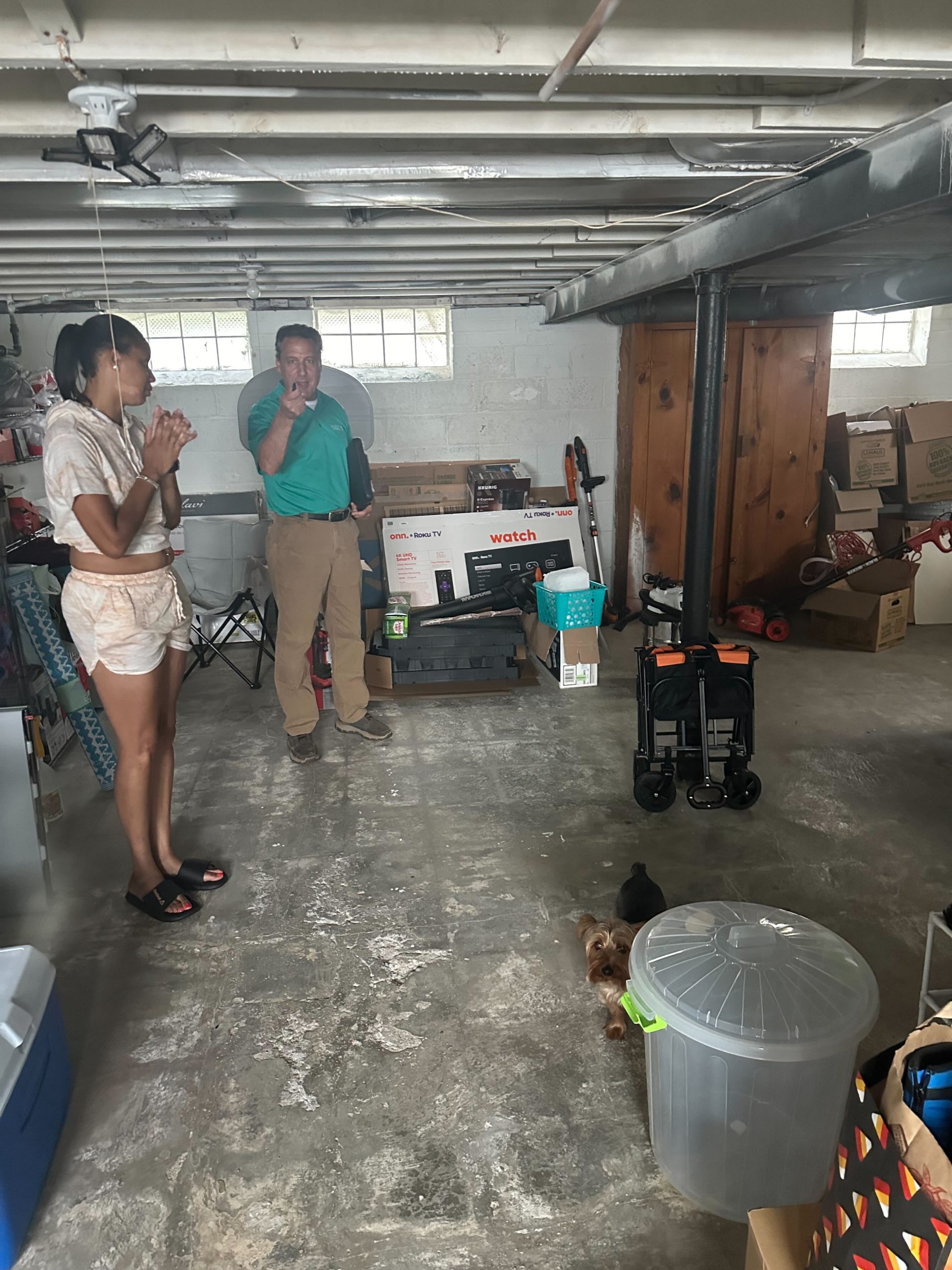
 As you plan to safeguard your home from potential moisture damage in 2025, you’re likely wondering about the cost of basement waterproofing. It’s not as straightforward as you might think, with costs fluctuating based on factors like basement size, the type of waterproofing method you choose, and the sources of moisture you’re dealing with. Plus, you’ve got to consider labor and material costs, and don’t forget about those extra expenses for drainage systems and sump pumps. It’s a lot to take in, isn’t it? So, where do you begin to understand the full financial implication?
Key Takeaways for Basement Waterproofing Costs in 2025Key Takeaways
- The cost of basement waterproofing in 2025 will depend on factors such as moisture sources, soil type, basement size, and existing conditions.
- Labor costs, influenced by location and complexity of the job, are expected to rise due to inflation and rising living expenses.
- Material costs in 2025 are determined by the type and quantity of materials required, with sealants and membranes ranging from $3 to $10 per square foot.
- Additional costs such as unforeseen repair expenses, mold remediation, and drainage system upgrades can significantly impact the final cost.
- DIY waterproofing can be a cost-effective approach, but for professional services, prioritizing quality work and comparing multiple quotes can lead to savings.
Understanding Basement Waterproofing
Basement waterproofing is more than just a home improvement; it’s a key step in preserving the longevity of your home.
It’s crucial to understand what this process entails to effectively protect your living space. Essentially, basement waterproofing is a preventative action designed to combat basement moisture, a common issue that can lead to mold growth, structural damage, and decreased property value.
There are several waterproofing methods available, all with their own advantages and considerations.
Exterior waterproofing, for instance, involves applying a waterproof membrane or coating on the outside of your basement walls to keep water from infiltrating.
Interior waterproofing, on the other hand, manages water that’s already made its way into your home, directing it to a sump pump system.
Sealants and epoxy injections are also used to fix cracks and prevent further leakage.
Looking ahead to 2025, you’ll want to stay informed about the latest in waterproofing technology and strategies.
As basement moisture continues to be a concern, the industry will likely see advances in materials and methods, providing homeowners with more effective and efficient waterproofing options.
Understanding these can help you make the best decision for your home and budget.
Factors Influencing Waterproofing Costs
Navigating the cost of basement waterproofing can feel like a journey through a maze, with various factors influencing the final price tag. You’re not alone in this; let’s walk through the factors that could tilt the scales.
Firstly, consider the moisture sources. The volume of water your basement is subjected to significantly affects your waterproofing costs. If you’re dealing with high humidity, constant leaks, or flooding, you’ll need a more robust solution, which inevitably costs more.
Next, consider the soil types surrounding your home. Different soils have varied capacities to retain or drain water. So, clay, which retains water, would require more intensive waterproofing than sandy soil, which allows water to drain quickly.
The size of your basement also matters. Larger basements mean more materials, more labor, and consequently, more costs.
The existing condition of your basement is another key factor. If your basement has severe cracks or damage, repair costs will add to your waterproofing bill.
Lastly, the quality of materials and the complexity of installation can also influence costs. Higher-end materials and complex installations can escalate the price, but they often promise better results and longevity.
Average Labor Costs in 2025
A significant portion of your basement waterproofing expense in 2025 will be labor costs. As you plan your budget, it’s crucial to take into account the average labor rates and regional variations.
The labor portion typically involves several aspects: initial inspection, surface preparation, waterproofing application, cleanup, and final inspection. Each of these tasks requires skilled professionals who are knowledgeable about the process and equipped to handle potential challenges. Their expertise doesn’t come cheap.
The average labor rates will vary widely based on your location. For instance, rates in urban areas tend to be higher than in rural regions due to higher living costs and overheads. Areas with a high concentration of waterproofing companies might also have more competitive rates due to the increased competition.
By 2025, we foresee an increase in labor costs due to inflation and the rising costs of living. While it’s difficult to pinpoint an exact rate, you should be prepared for a slight increase compared to current rates.
Keep in mind that a lower labor cost mightn’t always mean a better deal. Sometimes, it could indicate inexperienced workers or subpar work quality. It’s essential to balance cost considerations with the quality of work to ensure your basement stays dry and safe.
Estimated Material Expenses
Beyond labor costs, you’ll need to factor in your material expenses when budgeting for your basement waterproofing project in 2025. The price of these materials will largely depend on the type and quantity needed for your specific situation.
This is where understanding material types comes in handy. Common waterproofing materials include sealants, membranes, drains, and pumps. Sealants and membranes are typically used for exterior waterproofing and are applied to the outside walls of the basement to prevent water penetration.
Drains and sump pumps, on the other hand, are more often used for interior waterproofing. They work to remove water that has already entered your basement.
Now, let’s talk about cost comparisons. In 2025, you can expect to spend anywhere from $3 to $10 per square foot on sealants and membranes, depending on their quality.
Drains are usually a bit more costly, ranging from $20 to $30 per linear foot. Sump pumps are the most expensive, with prices ranging from $100 to $400 each.
Keep in mind, these are just averages. Your costs could be higher or lower depending on your unique needs and the specific materials you choose.
But, being aware of these estimates will help you create a more accurate budget for your project.
Additional Costs to Consider
As you budget for your 2025 basement waterproofing project, don’t overlook the potential for unforeseen repair expenses.
It’s not just the upfront costs you need to consider; upgrades to your existing drainage systems could also add to your expenses.
Be sure to factor these additional costs into your financial planning to prevent any unpleasant surprises down the line.
Unforeseen Repair Expenses
When planning for basement waterproofing in 2025, you might find that the initial estimated cost is just the tip of the iceberg. Unforeseen repair expenses can significantly inflate the final bill. This is especially true if you’re dealing with issues related to mold remediation and foundation repair.
- Mold remediation is a common issue that can sneak up on you during a waterproofing project. If mold is discovered, it’s crucial to address it immediately. Mold can cause health issues and further damage to your home. The cost of mold remediation can vary, but it’s typically an additional expense you’ll need to account for.
- Foundation repair may also be necessary if your basement is prone to leaks. Damaged or unstable foundations can compromise the structural integrity of your home. This type of repair can be costly, but it’s a critical step toward ensuring the longevity of your investment.
- Other unforeseen costs could include the replacement of damaged walls or flooring, or the installation of a new sump pump.
To ensure you’re financially prepared, factor in potential unforeseen repair expenses into your 2025 basement waterproofing budget. This will help you avoid unpleasant surprises and keep your project on track.
Upgrading Drainage Systems
Alongside the potential for unexpected repair costs, another aspect to consider in your 2025 basement waterproofing budget is the potential need to upgrade your drainage system. This could mean an entirely new drainage installation or simply updating certain components.
In 2025, it’s likely that the cost of drainage upgrades will have increased, so don’t underestimate this aspect of your budgeting. A properly functioning drainage system is essential to maintain a dry basement, making it a critical part of the waterproofing process.
Consider the sump pump, a key player in your basement’s defence against water. It’s designed to collect water from the drainage system and pump it away from your home, keeping your basement dry. If your existing pump is old or inefficient, replacing it could be a necessary, albeit costly, part of your waterproofing plan.
Moreover, the type of soil around your home could also necessitate additional drainage measures. If it’s the type that holds water, you may need to invest in a more robust drainage system to prevent water from pooling around your foundation.
Tips to Save on Waterproofing
Don’t let the cost of basement waterproofing set you back. In the upcoming years, we expect a rise in clever DIY methods and maintenance tips that can help you save significantly.
Firstly, education is key. Learn as much as you can about waterproofing. This knowledge won’t only help you understand what you’re paying for but also enable you to perform some tasks yourself.
Secondly, consider these cost-saving tips:
- Opt for DIY waterproofing kits instead of professional services. These kits are becoming more user-friendly and efficient.
- Regular maintenance can prevent larger, more costly issues. Make it a habit to inspect your basement frequently for any signs of moisture or damage.
- When professional help is necessary, get multiple quotes. Costs can vary greatly, so shopping around can save you a good chunk of change.
Frequently Asked Questions
Can I Waterproof My Basement on My Own Without Professional Help?
Sure, you can waterproof your basement on your own without professional help.
You’ll need to familiarize yourself with DIY methods and invest in the right waterproofing materials.
However, it’s important to remember this isn’t a task to rush. Doing it right ensures you won’t face future water damage.
If you’re not confident in your abilities, it’s worth considering professional assistance to ensure a job well done.
How Often Should I Have My Basement Waterproofed?
You should waterproof your basement every 3-5 years, depending on the method used.
Comparing waterproofing methods, paints and sealants may require more frequent maintenance, while more intensive solutions like drainage systems or exterior waterproofing last longer.
Always monitor your basement for signs of water damage in-between maintenance.
Despite the cost, staying on top of your basement’s waterproofing can save you more on potential repairs in the long run.
Will My Homeowners Insurance Cover the Cost of Basement Waterproofing?
You’ll need to check your specific homeowners insurance policy to determine if basement waterproofing is covered.
Often, insurance coverage depends on the cause of the water damage. Regular maintenance issues like waterproofing are generally not covered.
However, sudden and accidental damage might be. Be aware of policy exclusions and consult with your insurance agent to clarify what’s included in your coverage.
It’s important to stay proactive in maintaining your home to avoid costly repairs.
Does Basement Waterproofing Increase the Value of My Home?
Indeed, basement waterproofing can boost your home’s value.
It’s a smart investment, improving property appeal and safeguarding your home’s integrity. Your return on investment may vary, but it’s often substantial.
Buyers value well-maintained, moisture-free basements, which can be a deal-breaker during negotiations.
It’s not just about preventing water damage; it enhances livable space too.
Are There Any Health Risks Associated With a Non-Waterproofed Basement?
Yes, there are health risks associated with a non-waterproofed basement.
You’re likely to experience mold growth due to excess moisture, which can negatively impact your home’s air quality.
Prolonged exposure to such conditions can lead to respiratory problems, allergies, and other health issues.
It’s crucial to maintain a dry, clean basement to ensure a safe, healthy living environment for you and your family.
Conclusion
In 2025, basement waterproofing costs will vary greatly, influenced by factors such as basement size, moisture sources, and selected waterproofing method. Expect labor costs to range from $45-$75 per hour and materials to cost $3-$10 per square foot. Don’t forget about extra expenses like sump pumps and drainage systems. Always plan for unforeseen repair costs. Remember, smart choices and careful planning can help you cut costs without compromising on quality.

Ohio State Waterproofing has provided quality service with over 90,000 successful waterproofing and foundation repair installations and satisfied customers since our inception in 1978.
Ohio State Waterproofing’s philosophy for success is to provide honest, courteous and guaranteed service to every customer. Our reputation reflects this. Our well-trained waterproofing technicians are dedicated to complete customer satisfaction. This is achieved through fast, efficient processes as well as teamwork throughout this organization. You will always find a friendly representative willing to meet your needs at Ohio State Waterproofing.
We are a full service company that handles problems ranging from patching cracks to rebuilding basements. In addition, we hold three patents related to waterproofing that make us unique in the industry. These patents and our experience allow us to be able to do what every other waterproofer can do, but no one else can do what we do.
We are actively involved in the industry and community, including the National Association of Waterproofing Contractors, BHA, NARI, NAHB, NHIA, the BIA, the FHA and a number of consumer advocacy groups, as well as playing leading roles in a number of charitable functions.
But, most importantly, our highest degree of praise comes from the thousands of referrals we get from satisfied customers. Together they’ve made us a leader in the basement waterproofing and foundation repair industry.
