
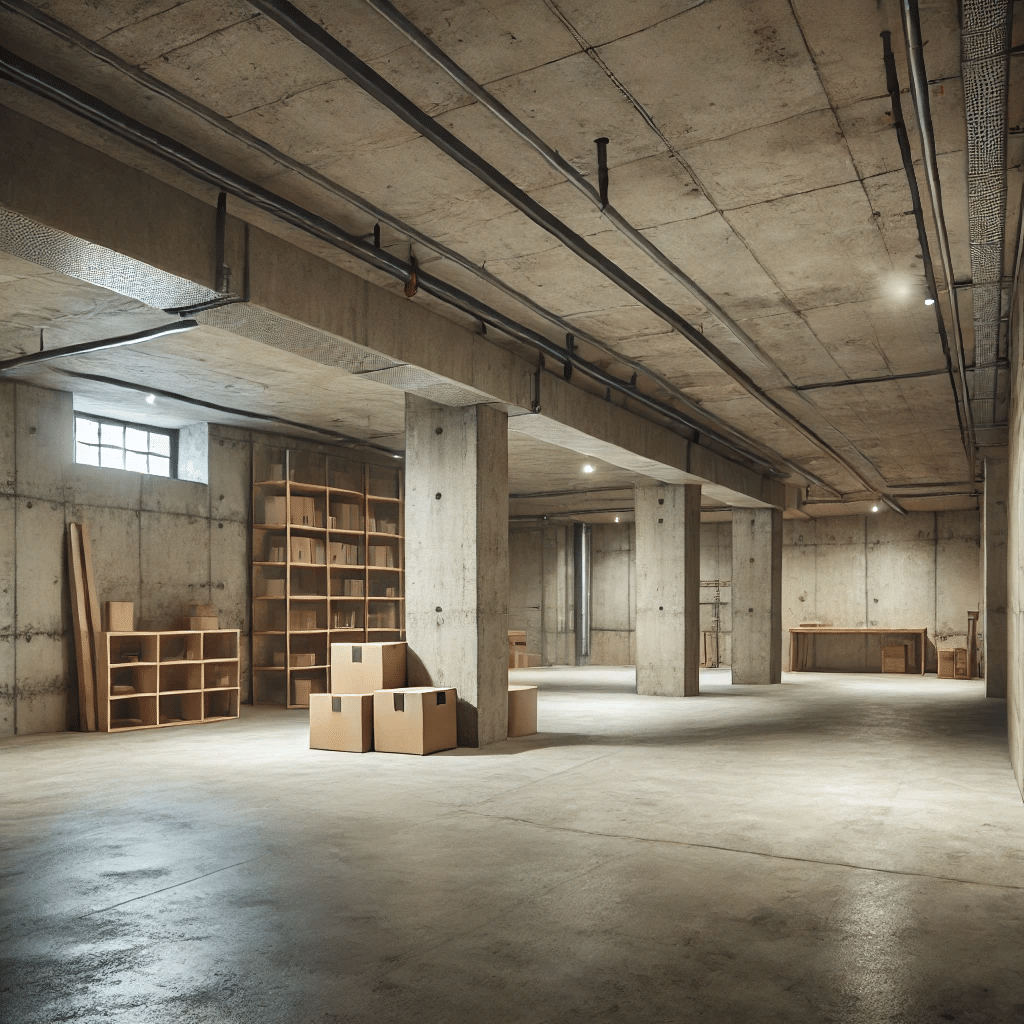
Did you know that nearly 60% of U.S. homes have wet basements, and 38% run the risk of basement mold?
As a homeowner, you’re probably wondering how long your basement waterproofing should last. While it’s tempting to think of waterproofing as a one-and-done deal, it’s not always that straightforward. Many factors could influence the lifespan of your waterproofing measures, from the quality of the workmanship to the type of soil surrounding your home.
So, how can you ensure that your basement remains dry and mold-free for as long as possible? Well, you’re about to find out.
Understanding Basement Waterproofing
To fully comprehend basement waterproofing, it’s crucial to understand its function, the materials used, and the techniques employed in its installation. Essentially, the primary role of basement waterproofing is to prevent water from seeping into your home’s foundation, which can cause structural damage over time.
Waterproofing materials typically include sealants and membranes, which are applied to the exterior walls of your basement to create a barrier against water ingress.
You’ll find various techniques used in waterproofing, each with its own merits and drawbacks. These methods range from interior water drainage, which redirects water from inside your basement to the outside, to exterior waterproofing, which involves excavating around your home to install a waterproof membrane. Another method is the use of a sump pump to remove water that has accumulated in a water-collecting sump basin.
In essence, understanding the process of basement waterproofing involves understanding the purpose it serves, the materials involved, and the techniques utilized. It’s a complex process that requires detailed attention to ensure that it’s done correctly and effectively. Your knowledge of these aspects will be instrumental in maintaining the integrity and longevity of your home.
Factors Affecting Waterproofing Lifespan
When considering the lifespan of your basement waterproofing, it’s crucial to understand that various factors can significantly affect its durability and effectiveness. The type of waterproofing system installed is instrumental. Certain methods may offer a temporary fix while others provide a long-term solution. The quality of materials used also plays a significant role. High-quality products tend to last longer and withstand harsh conditions better than their less durable counterparts.
The condition of your basement at the time of waterproofing can also affect its lifespan. If the foundation had cracks or leaks that weren’t properly addressed before waterproofing, they could compromise the system’s longevity. Furthermore, the level of groundwater in your area and the amount of rainfall you receive can put additional stress on the waterproofing system, potentially shortening its lifespan.
Lastly, the quality of installation can’t be overlooked. Even the best materials won’t perform as expected if not installed correctly. Your waterproofing system should be implemented by a professional who understands the intricacies of the job. By considering these factors, you’ll ensure your basement waterproofing lasts as long as possible. Remember, it’s not just about getting the job done; it’s about getting it done right.
Signs of Waterproofing Deterioration
Despite meticulous attention to these factors, it’s important to recognize that all waterproofing systems will eventually show signs of wear and tear. You might start noticing a damp or musty smell, which indicates the presence of mold or mildew. These fungi thrive in moist environments and are clear signs of water seepage. Another common sign is efflorescence or white, chalky substance on your basement walls. This is a residue left behind when water evaporates from the surface.
You should also keep an eye out for wall cracks. These can indicate that water pressure is building up outside your basement, putting your waterproofing system under stress.
Here’s a table to summarize these signs:
| Sign | Explanation |
| Damp or musty smell | Indicates presence of mold or mildew |
| Efflorescence | White, chalky substance left by evaporated water |
| Wall cracks | Sign of exterior water pressure build-up |
Maintaining Your Basement Waterproofing
Regular maintenance is crucial for prolonging the effectiveness and longevity of your basement waterproofing system. You can’t just install it and forget about it, you need to take proactive steps to ensure it continues to protect your basement from water damage.
First, you should regularly check for any signs of leaks or moisture in your basement. If you notice any dampness, it’s time to investigate and address the issue promptly. This could involve checking the exterior of your house for any cracks or gaps, which could be allowing water to seep into your basement.
Second, keep your gutters and downspouts clean and clear of debris. They’re designed to direct rainwater away from your house, but if they’re clogged, water can overflow and seep into your basement.
Third, it’s also important to maintain your sump pump, if you have one. This involves cleaning it regularly, checking for any signs of wear and tear, and ensuring it’s working properly.
Lastly, don’t forget to inspect the condition of your waterproofing sealant. If it’s starting to deteriorate, you might need to reapply it. By following these steps, you can ensure your basement waterproofing system lasts as long as possible.
When to Consider Re-waterproofing
Understanding the right time to consider re-waterproofing your basement is crucial in maintaining its integrity and preventing water damage. You don’t want to wait until water’s seeping in to take action. Instead, you should be proactive and keep an eye out for certain signs that indicate it’s time for re-waterproofing.
Look for:
- Cracks and damage: If you spot any cracks in the walls or floors, or if the paint is peeling off, these could be signs that the waterproofing is failing. Water might be getting in through these cracks, causing damage.
- Musty smell: A damp, musty smell in your basement often signals a moisture problem. If you’ve noticed this smell, it’s a good idea to get your basement inspected.
- Mold and mildew: These are clear signs of excessive moisture. If you see mold or mildew, don’t ignore it. Your basement likely needs re-waterproofing.
Frequently Asked Questions
What Are the Potential Health Risks if Basement Waterproofing Is Not Done Properly?
If you don’t properly waterproof your basement, you’re risking your health. Dampness can lead to mold growth, which causes respiratory issues, allergies, and asthma. In severe cases, it can lead to toxic black mold exposure.
Additionally, a wet basement can attract pests like rodents and insects, which carry diseases. It’s also possible for bacteria and viruses to thrive in damp conditions.
Can Basement Waterproofing Increase the Value of My Property?
Absolutely, basement waterproofing can boost your property’s value. Buyers often prioritize homes with less potential for future issues, and a waterproofed basement signals a well-maintained property.
It not only prevents structural damage and mold growth but also makes your basement a livable and usable space. So, it’s not just about preventing problems, it’s about enhancing your home’s appeal and functionality, which certainly makes it more attractive to potential buyers.
How Long Does the Process of Basement Waterproofing Typically Take?
You’re probably wondering how long basement waterproofing takes. Well, it’s not a weekend DIY project. It typically takes professionals about 1-2 days, but it can extend to a week depending on the basement’s size and condition.
They’ll need to assess the area, fix any cracks, apply the waterproofing material, and then let it dry. It’s a detailed process, but it’s worth it for the peace of mind you’ll get knowing your basement’s protected.
What Are Some Common Mistakes Made During Basement Waterproofing?
Common mistakes you may make during basement waterproofing include:
- Not addressing the root cause of the moisture
- Using the wrong materials
- Not preparing the surface properly
You might overlook cracks or fail to seal them correctly. It’s also a mistake to not consider the local climate and soil type.
These errors can lead to ineffective waterproofing, causing you to redo the work, which can be both time-consuming and expensive.
Can I Do Basement Waterproofing Myself, or Do I Need to Hire a Professional?
Yes, you can waterproof your basement yourself, but it’s not always the best choice. Over 60% of U.S. homes have wet basements, and DIY mistakes can be costly.
It’s a complex task requiring specific knowledge and tools. Hiring a professional ensures the job’s done correctly, preventing future damages.
Conclusion
In conclusion, your basement waterproofing isn’t just a one-and-done deal. It requires regular maintenance and keen observation for any signs of wear or damage.
Remember, it’s the rock-solid guardian of your basement against water intrusion. So, don’t wait for the heavens to fall and your basement to become an indoor pool before considering re-waterproofing.
Your home’s health and your peace of mind rely on the longevity of this vital protection.

Ohio State Waterproofing has provided quality service with over 90,000 successful waterproofing and foundation repair installations and satisfied customers since our inception in 1978.
Ohio State Waterproofing’s philosophy for success is to provide honest, courteous and guaranteed service to every customer. Our reputation reflects this. Our well-trained waterproofing technicians are dedicated to complete customer satisfaction. This is achieved through fast, efficient processes as well as teamwork throughout this organization. You will always find a friendly representative willing to meet your needs at Ohio State Waterproofing.
We are a full service company that handles problems ranging from patching cracks to rebuilding basements. In addition, we hold three patents related to waterproofing that make us unique in the industry. These patents and our experience allow us to be able to do what every other waterproofer can do, but no one else can do what we do.
We are actively involved in the industry and community, including the National Association of Waterproofing Contractors, BHA, NARI, NAHB, NHIA, the BIA, the FHA and a number of consumer advocacy groups, as well as playing leading roles in a number of charitable functions.
But, most importantly, our highest degree of praise comes from the thousands of referrals we get from satisfied customers. Together they’ve made us a leader in the basement waterproofing and foundation repair industry.

