

By Ohio State Waterproofing
Basement moisture control is crucial for homeowners, especially in regions like Ohio where humidity levels can fluctuate significantly. Choosing the right system is vital, as it directly impacts indoor air quality, structural integrity, and the growth of mold. This article explores the distinctions between EZ Breathe systems and traditional basement dehumidifiers, providing homeowners with insights on energy efficiency, cost, maintenance, and long-term performance. Readers will learn the key features of each system, the types of traditional dehumidifiers, and how each option performs under Ohio’s unique climate conditions. Additionally, we will address common maintenance concerns and offer expert recommendations to optimize moisture control in basements.
Key Takeaways
- EZ Breathe systems use continuous ventilation to maintain balanced humidity with lower energy consumption than traditional dehumidifiers.
- Traditional dehumidifiers require frequent maintenance like emptying water buckets and filter changes, increasing long-term costs.
- EZ Breathe offers installation versatility and minimal upkeep, making it suitable for various basement configurations in Ohio homes.
- Refrigerant and desiccant are the two main types of traditional dehumidifiers, each performing differently across seasonal temperatures.
- EZ Breathe systems can reduce monthly operating costs by approximately 20% compared to traditional basement dehumidifiers.
- Proper installation and ventilation are essential for maximizing the effectiveness of both EZ Breathe and traditional moisture control systems.
- EZ Breathe improves indoor air quality by continuously circulating air, while traditional units may require additional ventilation to prevent stagnant air.
- Neglecting maintenance on traditional dehumidifiers can lead to reduced efficiency and increased mold risk in basements.
- Ohio’s humid summers and cold winters necessitate adaptable moisture control solutions tailored to specific basement conditions and foundation types.
Comparison of EZ Breathe vs Traditional Basement Dehumidifiers for Ohio Homes
When evaluating moisture control solutions for Ohio homes, it’s vital to understand how EZ Breathe systems stack up against traditional basement dehumidifiers. These devices serve similar purposes—removing excess moisture to prevent mold and improve air quality—but they operate using different methods, which can lead to significant differences in effectiveness and efficiency.
Energy Efficiency
Energy efficiency is a key factor when deciding between EZ Breathe and traditional dehumidifiers. EZ Breathe systems continuously ventilate air, maintaining balanced humidity levels without bulky water collection units. This process can lead to lower electricity usage over time compared to traditional dehumidifiers that consume considerable energy to operate.
For homeowners considering different basement waterproofing options, understanding the continuous ventilation process of EZ Breathe can be particularly beneficial for maintaining optimal humidity levels.
Cost
Cost is a significant consideration when investing in dehumidification solutions. While initial installation costs can vary, traditional dehumidifiers often require regular maintenance and filter replacements, increasing long-term expenses. Conversely, EZ Breathe systems may have higher upfront costs but typically result in lower operational costs due to their energy-efficient design.
Maintenance
Maintenance requirements can dictate the long-term usability of moisture control systems. Traditional dehumidifiers need routine emptying of water collection buckets, filter changes, and potential repairs, which can add up in both effort and expense. In contrast, EZ Breathe systems are designed for minimal maintenance, allowing homeowners to focus on more pressing concerns rather than frequent upkeep.
Proper mold prevention and removal tips are crucial for any basement, and the maintenance needs of your dehumidification system directly impact its effectiveness in this regard.
Long-Term Performance
Long-term performance metrics are critical for homeowner satisfaction. EZ Breathe systems are designed not just to dehumidify but also to enhance air circulation throughout the basement, contributing to home health. Traditional systems, while effective in the short term, may face challenges such as reduced efficiency over time, especially if maintenance is neglected.
What Are the Key Features of the EZ Breathe System Compared to Traditional Basement Dehumidifiers?
 Understanding the unique attributes of EZ Breathe systems can help homeowners make informed choices. The EZ Breathe system offers several specific benefits that can lead to improved indoor environments.
- Energy Efficiency: EZ Breathe operates with lower energy consumption, saving homeowners money in the long run.
- Installation Versatility: These systems can be installed in various locations without needing multiple drainage points, making them suitable for more homes.
- User-Friendly Operation: This system requires minimal maintenance, reducing the burden on homeowners compared to traditional models.
What Are the Common Types and Functions of Traditional Basement Dehumidifiers?
Traditional basement dehumidifiers fall into two major categories: refrigerant dehumidifiers and desiccant dehumidifiers.
- Refrigerant Dehumidifiers: These units cool air to condense moisture and collect it in a reservoir. They are effective in warm, humid environments but can struggle in cooler months as their efficiency drops.
- Desiccant Dehumidifiers: Utilizing materials that absorb moisture, these units perform better in cooler temperatures, making them an alternative for spaces that experience significant temperature fluctuations.
How Do Energy Efficiency and Operating Costs Compare Between EZ Breathe and Traditional Dehumidifiers in Ohio?
Employing energy-efficient moisture control can significantly impact the cost over time. An analysis reveals that EZ Breathe systems, due to their ventilatory design, can reduce electricity bills by up to 20% compared to traditional dehumidifiers.
| System Type | Monthly Operating Cost | Energy Consumption (kWh) |
|---|---|---|
| EZ Breathe | ~$25 | ~150 |
| Traditional Dehumidifier | ~$30 | ~180 |
The long-term savings associated with EZ Breathe systems can lead to a substantial return on investment for homeowners concerned about energy usage.
How Do Traditional Dehumidifiers Perform in Terms of Energy Usage in Ohio’s Seasonal Climate?
Ohio’s seasonal weather can present challenges for moisture control. Traditional dehumidifiers tend to consume more energy during summer months due to increased humidity levels. Additionally, during winter, their effectiveness may diminish, leading to an unnecessary strain on energy resources and increased costs for homeowners.
What Are the Installation Requirements and Best Practices for EZ Breathe Versus Traditional Basement Dehumidifiers in Ohio?
Installing a moisture control system correctly is critical for maximizing its effectiveness. EZ Breathe systems typically require less invasive installation processes than traditional units. Standard best practices include ensuring proper ventilation channels and positioning the units in areas with maximum airflow.
- EZ Breathe: Typically involves direct attachment to existing ductwork with minimal modification.
- Traditional Units: Often necessitate more complex setups, including electrical and plumbing adjustments, which can increase installation costs.
How Do EZ Breathe and Traditional Dehumidifiers Contribute to Basement Mold Prevention and Air Quality Improvement?
Proper moisture control is essential for preventing mold growth. Both EZ Breathe systems and traditional dehumidifiers play significant roles in managing humidity levels.
- EZ Breathe Systems: By continuously circulating air, these systems can actively reduce moisture levels while improving indoor air quality.
- Traditional Dehumidifiers: They effectively lower humidity but do not automatically circulate air, making them less effective at addressing air quality issues unless paired with ventilation systems.
Can Traditional Dehumidifiers Effectively Prevent Mold and Improve Air Quality in Ohio Basements?
While traditional dehumidifiers can mitigate mold risks, their reliance on water collection can lead to stagnant air pockets if not properly maintained, potentially allowing mold to flourish under certain conditions. Homeowners must be vigilant about regular maintenance and filter changes to ensure these systems perform at their best.
How Does Integration With Basement Waterproofing and Sump Pump Systems Differ Between EZ Breathe and Traditional Dehumidifiers?
Effective moisture control often goes hand in hand with existing waterproofing solutions. EZ Breathe systems can complement sump pumps and waterproof membranes seamlessly, providing additional ventilation that prevents moisture build-up. Traditional dehumidifiers, on the other hand, may require more careful planning to integrate effectively with these systems.
Consider exploring crawl space waterproofing and encapsulation for a comprehensive approach to basement moisture management, which can work in conjunction with your chosen dehumidification system.
What Are the Best Practices for Combining Traditional Dehumidifiers With Sump Pumps and Waterproofing Systems?
Homeowners should consider these best practices to maximize effectiveness:
- Ensure Proper Ventilation: Adequate airflow is crucial to prevent moisture accumulation.
- Schedule Regular Maintenance: This includes checking waterproof membranes, sump pumps, and dehumidifier performance.
- Position Units Strategically: Place dehumidifiers and sump pumps in locations where they can assist one another in controlling moisture.
What Maintenance and Longevity Considerations Should Ohio Homeowners Know About EZ Breathe and Traditional Dehumidifiers?
Maintaining moisture control systems is vital for longevity. For EZ Breathe systems, regular filter replacement and overall system check-ups can ensure dependable performance for years. Traditional dehumidifiers require more frequent assessments due to their mechanical components.
- Long-term Durability: EZ Breathe systems can last longer due to their robust design and minimal moving parts.
- Impact of Maintenance: Ignoring maintenance for traditional units can lead to decreased effectiveness and performance degradation.
How Does Maintenance of Traditional Basement Dehumidifiers Affect Their Performance and Lifespan?
Neglecting maintenance on traditional dehumidifiers can lead to issues such as:
- Clogged Filters: Reduces airflow and efficiency, forcing the unit to work harder.
- Stagnant Water: Increases the risk of mold growth within the collection tank itself—is an often overlooked issue.
Which Basement Humidity Control Solution Provides the Best Return on Investment for Ohio Homeowners?
Investing in a moisture control system that combines efficiency, low operational costs, and minimal maintenance can provide Ohio homeowners with the best return on investment. Data suggests that while upfront costs for EZ Breathe systems may be higher, the savings in energy bills and reduced maintenance expenses result in greater long-term value.
What Customer Satisfaction Feedback Exists Regarding Long-Term Use of EZ Breathe Versus Traditional Systems?
Customer satisfaction surveys indicate that users of EZ Breathe systems frequently report fewer issues related to condensation and mold compared to those who rely on traditional dehumidifiers. The user-friendly nature of EZ Breathe systems contributes to a more favorable overall experience, minimizing both hands-on maintenance and operational concerns.
What Ohio-Specific Factors Should Influence the Choice Between EZ Breathe and Traditional Basement Dehumidifiers?
Climate is a significant factor influencing moisture control systems. Ohio’s humid summers and cold winters mean that systems should be adaptable to seasonal changes. Homeowners should assess their specific basement conditions, including moisture sources and existing structural characteristics that may impact overall efficiency.
What Basement Characteristics in Ohio Homes Affect the Effectiveness of Each Moisture Control Solution?
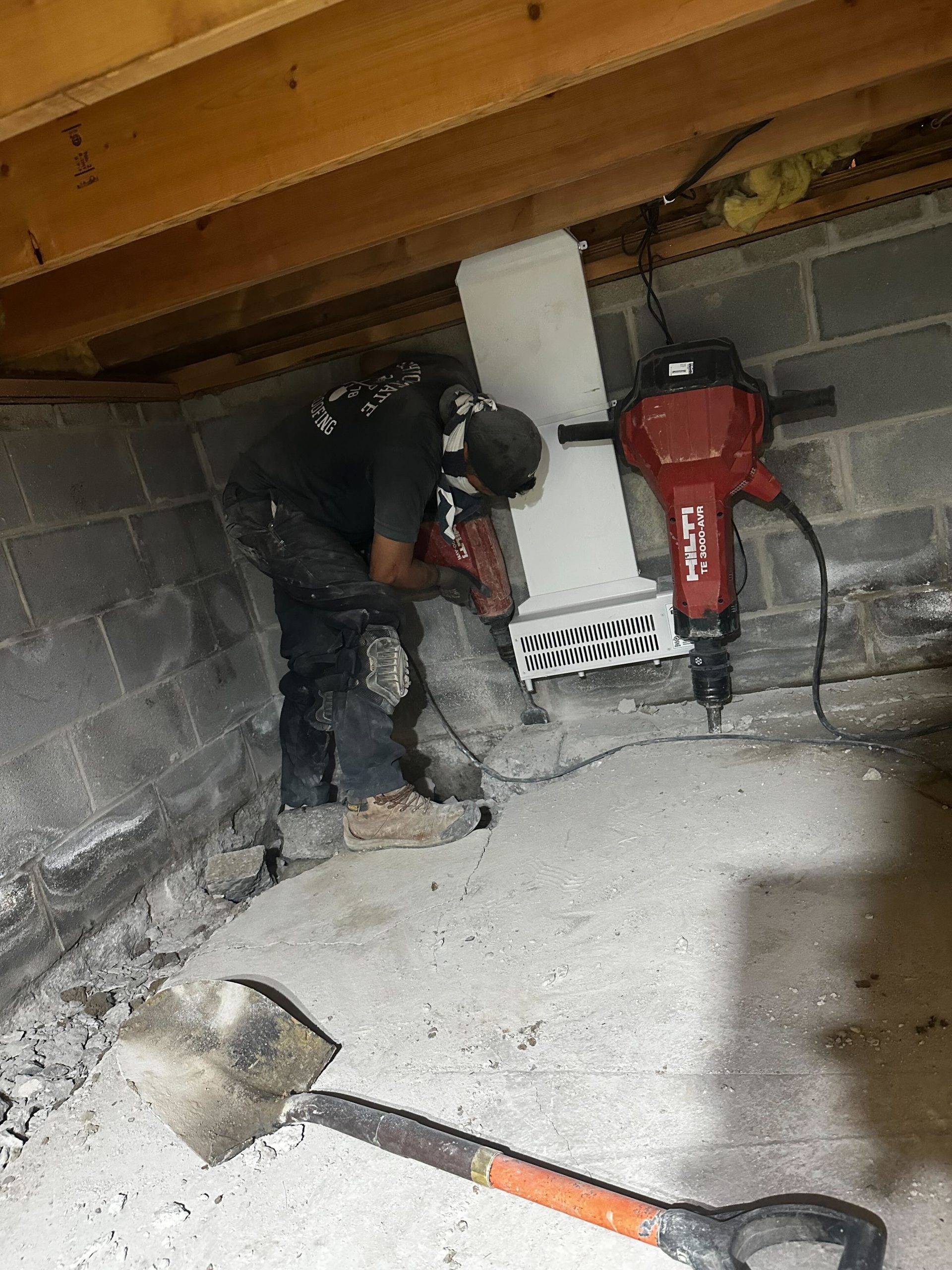 The efficiency of moisture control systems can significantly vary based on basement characteristics such as:
- Foundation Type: Homes with concrete block foundations may require more robust systems due to higher moisture levels.
- Ventilation: Basements lacking adequate airflow may see reduced performance from any moisture control system.
By properly understanding these factors, homeowners can make smarter decisions regarding their choices in moisture control systems to enhance their home’s livability and preserve its structural integrity.
Addressing foundation issues can sometimes be as crucial as moisture control itself, especially if structural weakening is present. Solutions like carbon fiber foundation repair can strengthen weak foundations, complementing the effects of effective dehumidification.
For structural repairs that go beyond carbon fiber reinforcement, such as significant deterioration or damage, foundation replacement might be necessary to ensure long-term stability and safety for your home.
In some cases, sinking or uneven foundations can be stabilized and leveled through concrete leveling, a process that addresses visible surface issues and underlying support problems.
Frequently Asked Questions
What is the lifespan of EZ Breathe systems compared to traditional dehumidifiers?
EZ Breathe systems are designed for durability, often outlasting traditional dehumidifiers due to their fewer moving parts. Typically, they can last 10-15 years with proper maintenance, while traditional models may struggle to reach 5-10 years if not meticulously cared for. Moreover, the robust design of EZ Breathe systems can contribute to long-term reliability, making them a smart investment for homeowners seeking effective moisture control.
How can I optimize the performance of both types of dehumidifiers?
To enhance performance, ensure proper placement of both EZ Breathe systems and traditional dehumidifiers, ideally away from walls and in areas with sufficient air circulation. Regular maintenance is also essential: for traditional units, change filters and check for blockages, and for EZ Breathe, ensure the ventilation ductwork remains clear. Additionally, recommend monitoring humidity levels consistently, as this will guide system use and adjustments needed to maintain optimal conditions.
Are there any health benefits to using EZ Breathe or traditional dehumidifiers?
Yes, both types of dehumidifiers provide health benefits by reducing humidity levels that can contribute to mold and dust mites, which are common allergens. EZ Breathe systems, thanks to their continuous air circulation, can further improve indoor air quality by preventing stagnant air pockets where mold can develop. Traditional dehumidifiers, while effective at lowering humidity, need to be maintained well to prevent issues within the unit itself.
What should I do if my basement has persistent moisture issues despite using a dehumidifier?
If your basement continues to experience moisture problems, assess the underlying causes such as leaks, poor drainage, or inadequate ventilation. Consider consulting a professional to evaluate waterproofing options or conduct an inspection of your sump pump. In some cases, supplementary solutions like installing additional drainage systems or enhancing insulation can significantly improve your moisture control efforts.
Can I use both EZ Breathe and traditional dehumidifiers together?
Yes, using both systems can be beneficial in tackling high moisture levels more effectively. EZ Breathe can enhance air circulation, while traditional dehumidifiers can manage excessive humidity by extracting water. It’s essential to coordinate their operation and placement to maximize efficiency, ensuring that they complement rather than compete with each other to maintain optimal indoor conditions.
What other preventive measures can I take alongside dehumidification?
In addition to using dehumidifiers, consider sealing cracks in walls and floors, improving exterior drainage, and using vapor barriers to prevent moisture intrusion. Conducting regular inspections for signs of water damage and ensuring proper landscaping to direct water away from your home can also help mitigate moisture-related issues. Lastly, investing in insulation can prevent condensation, further enhancing your moisture control strategy.


