
Basement waterproofing protects homes from water damage and mold. Exterior drainage systems play a central role by redirecting water away from foundations and reducing intrusion. This article examines common exterior drainage solutions, installation approaches, cost factors, and effects on indoor air quality. Water accumulating near basements can cause structural damage and health risks, so understanding how these systems work helps homeowners choose effective remedies. We cover the most effective systems, installation methods, cost considerations, and the benefits of a dry basement.
What Are the Most Effective Exterior Drainage Systems for Basement Waterproofing?
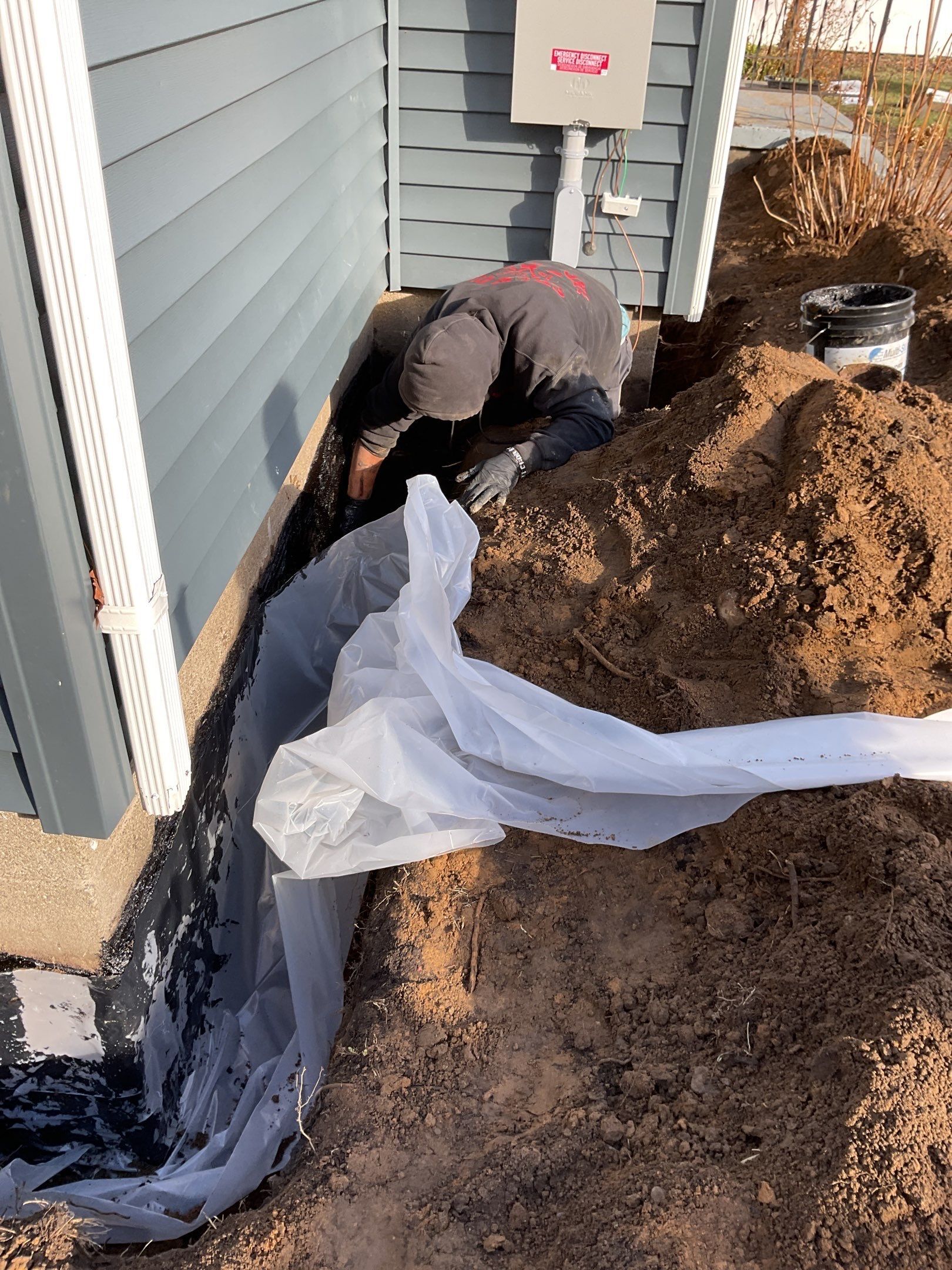
Several exterior drainage options manage water around basements. Common solutions include French drains, drain tiles, and waterproofing membranes, each addressing water entry in different ways to prevent intrusion.
- French Drains: Trenches filled with gravel and a perforated pipe that redirect surface water and groundwater away from the foundation.
- Drain Tiles: Installed around the foundation to collect and channel water away, helping to lower the water table.
- Waterproofing Membranes: Applied to the exterior basement walls to create a barrier against moisture.
Ohio State Waterproofing specializes in basement waterproofing and foundation repair services for homeowners in Ohio. Their offerings include exterior drainage systems designed to prevent water intrusion and foundation damage by redirecting water away from basements.
How Do French Drains and Drain Tiles Prevent Basement Water Intrusion?
French drains and drain tiles are essential components of exterior drainage. French drains use gravity: a perforated pipe in a gravel-filled trench collects seepage and channels it away from the home, lowering the local water table and reducing intrusion risk.
Drain tiles work similarly but are typically installed deeper around the foundation. They collect groundwater and direct it to a sump pump or a discharge point away from the house, preventing water from accumulating at basement walls. Both systems help maintain a dry basement and protect structural integrity.
Research into stormwater management and urban infrastructure further underscores the role of these drainage systems in preventing basement flooding.
Preventing Basement Flooding with Footing Drain Disconnection
Many communities seek to control excessive inflow and infiltration (I/I) that burden their sewer systems. This wet-weather flow can cause sanitary sewer overflows (SSOs) and basement flooding where sewer capacity is insufficient. A task force found that capacity problems observed in many sanitary sewers were primarily the result of stormwater from foundation footing drains located
Mold Prevention: Limiting Your Exposure, 2003
What Role Do Sump Pumps Play in Exterior Drainage Solutions?
Sump pumps manage water that accumulates in basements, especially in flood-prone areas. Installed in a sump pit, they activate when water rises and discharge it away from the foundation to prevent basement entry.
Sump pumps often include battery backups to run during outages. When combined with French drains and drain tiles, they form a comprehensive exterior drainage approach that reduces the chance of water intrusion.
How Is Exterior Drainage Installed to Protect Foundations and Prevent Water Damage?
Proper installation requires planning and execution to ensure long-term effectiveness and protect the foundation from water damage.
What Are the Key Steps in Installing French Drains and Drain Tile Systems?
- Planning and Preparation: Assess the property to determine the best locations for drainage systems based on water flow patterns.
- Excavation: Dig trenches around the foundation to accommodate the French drains or drain tiles, ensuring correct slope for drainage.
- Pipe Installation: Place perforated pipes in the trenches, surround them with gravel to facilitate drainage and limit clogging.
- Backfilling: Cover pipes with gravel and soil, and grade the site to direct surface water away from the foundation.
Following these steps helps ensure the drainage systems operate correctly and provide durable protection against water intrusion.
How Does Proper Installation Integrate with Foundation Repair Services?
Installation should be coordinated with any foundation repair. Using quality materials and proven techniques promotes long-term stability and prevents recurring issues.
If the foundation shows cracks or settling, addressing those defects during drainage work improves overall waterproofing performance. Warranties on workmanship give homeowners assurance that the work meets professional standards.
What Are the Cost Considerations and Return on Investment for Exterior Drainage Systems?
Homeowners should weigh installation costs against expected benefits when considering exterior drainage. Clear cost information and potential savings support informed decisions about basement waterproofing.
How Much Does French Drain Installation Typically Cost in Ohio?

Costs vary with system size, installation complexity, and local labor rates. Homeowners in Ohio can typically expect to pay between $1,500 and $4,500 for a complete French drain installation. Factors affecting cost include:
- Length of the Drain: Longer drains require more materials and labor.
- Soil Conditions: Rocky or clay soils can increase excavation costs.
- Accessibility: Hard-to-reach areas may require extra labor.
Ohio State Waterproofing offers free inspections and service appointments to help homeowners assess needs and provide accurate cost estimates.
What Long-Term Savings Result from Effective Basement Waterproofing?
Investing in exterior drainage can provide substantial long-term savings. Preventing water intrusion avoids costly repairs such as mold remediation and structural fixes. A dry basement helps preserve home value and can reduce heating and cooling expenses.
Addressing water issues proactively may save thousands over time. The initial drainage investment often pays off through lower maintenance costs and improved indoor air quality.
How Do Exterior Drainage Systems Help Prevent Mold Growth and Maintain Indoor Air Quality?
Exterior drainage systems reduce basement moisture and lower the likelihood of mold growth. Managing water around the foundation contributes directly to better indoor air quality.
What Is the Relationship Between Basement Water Intrusion and Mold Risks?
Basement water intrusion creates damp conditions that allow mold to develop. Mold exposure can cause respiratory issues, allergic reactions, and other health concerns, so addressing water entry promptly is essential.
Effective exterior drainage is a cornerstone for preventing the conditions that lead to mold and water damage, as expert sources note.
Exterior Drainage for Water Intrusion & Mold Prevention
Durable cavity wall systems include well-designed drainage that collects water from the exterior and directs it back outside, protecting materials from water intrusion and, consequently, mold.
Effective I/I Removal with Footing Drain Disconnection as a Solution for SSO and Basement Flooding, 2005
Implementing effective exterior drainage helps homeowners mitigate these risks and supports a healthier indoor environment. Keeping the basement dry protects the structure and improves overall indoor air quality.
How Does Exterior Drainage Improve Home Health and Safety?
- Prevention of Water Damage: Redirecting water away from the foundation protects against structural damage.
- Mold and Mildew Prevention: Lowering moisture levels helps prevent mold growth and safeguards occupants’ health.
- Improved Indoor Air Quality: A dry basement contributes to better air quality, reducing allergens and pollutants.
Effective exterior drainage systems are essential for maintaining a safe, healthy home environment.

Ohio State Waterproofing has provided quality service with over 90,000 successful waterproofing and foundation repair installations and satisfied customers since our inception in 1978.
Ohio State Waterproofing’s philosophy for success is to provide honest, courteous and guaranteed service to every customer. Our reputation reflects this. Our well-trained waterproofing technicians are dedicated to complete customer satisfaction. This is achieved through fast, efficient processes as well as teamwork throughout this organization. You will always find a friendly representative willing to meet your needs at Ohio State Waterproofing.
We are a full service company that handles problems ranging from patching cracks to rebuilding basements. In addition, we hold three patents related to waterproofing that make us unique in the industry. These patents and our experience allow us to be able to do what every other waterproofer can do, but no one else can do what we do.
We are actively involved in the industry and community, including the National Association of Waterproofing Contractors, BHA, NARI, NAHB, NHIA, the BIA, the FHA and a number of consumer advocacy groups, as well as playing leading roles in a number of charitable functions.
But, most importantly, our highest degree of praise comes from the thousands of referrals we get from satisfied customers. Together they’ve made us a leader in the basement waterproofing and foundation repair industry.
