
 You’ve worked hard for your home, so why let a preventable basement flood threaten your investment? Consider this: with proactive, effective waterproofing, you could avoid the hassle, expense, and stress of water damage. It’s not just about foundation seals and sump pumps – it’s also about knowing your property’s potential weaknesses and addressing them head-on. Think of it as an insurance policy against future disaster, but where should you start? Well, stick around – there’s a lot more to uncover.
Essential Takeaways for Effective Basement Waterproofing SolutionsKey Takeaways
- Regular inspections identify potential flood risks like cracks in foundation, sump pump failure, and improper grading.
- Waterproofing techniques, such as interior and exterior waterproofing, are cost-effective measures to prevent water infiltration.
- Sump pump functionality and maintenance are crucial to manage water collection and displacement, reducing flood risks.
- Proactive prevention through regular maintenance and repair is more economical than dealing with flood damage costs.
- Waterproofing preserves home value and reduces emotional stress, providing a strong return on investment.
Understanding Basement Flooding Causes
Water can be a relentless foe, especially when it invades your basement. The causes of this unwelcome intrusion are varied, but understanding them is essential to protecting your home.
One common culprit is surface water. Heavy rains can overwhelm your property’s drainage system and seep into your basement, causing dampness and potentially serious flooding.
Similarly, water can find its way into your basement if the ground around your house isn’t sloped properly. If it slopes towards your property instead of away from it, rainwater will naturally flow towards your home and can easily infiltrate your basement.
Another common cause of basement water is hydrostatic pressure. This pressure is created when the soil around your home becomes saturated with water. It can force water into your basement through even the tiniest of cracks.
Lastly, your basement could flood if your sump pump fails during a heavy storm. If it’s not working properly, it won’t be able to pump out the excess water and keep your basement dry.
Importance of Regular Basement Inspections
Understanding the causes of basement flooding sets the stage for the next necessary step: regular inspections of your basement.
These aren’t just perfunctory looks around, but detailed examinations of potential problem areas. You can’t afford to overlook this step, it’s the primary means to prevent flooding before it happens.
A thorough inspection should cover three main areas:
- Foundation walls and floor: Check for cracks or signs of moisture. Even small cracks can allow water in over time.
- Drainage systems: Verify your sump pump is working correctly and the drainage lines are clear.
- Exterior grading: Water should flow away from your house, not towards it.
Each area plays an integral role in your basement’s overall health.
Selecting the Right Waterproofing Techniques
After you’ve thoroughly inspected your basement and understood the potential risks, it’s time to roll up your sleeves and plunge into the world of waterproofing techniques. Selecting the right waterproofing method is vital, and it largely depends on the type of water problem you are facing and the construction of your basement.
There are generally two types of waterproofing techniques: interior and exterior. Let’s break them down:
| Technique | Description |
|---|---|
| Interior Waterproofing | This includes sealing cracks and holes in the walls and floors with hydraulic cement or waterproof sealant. It’s often the easiest and least expensive method. |
| Exterior Waterproofing | This method involves excavating around the house to install or replace drainage systems. It’s more complex and costly, but provides a more thorough solution. |
When choosing a technique, you must evaluate the severity of the problem, your budget, and the structural integrity of your home. It’s also essential to take into account the future implications of your choice. Exterior waterproofing, for example, could increase the resale value of your home. Making the right choice now can save you from the stress of a flooded basement in the future.
DIY Versus Professional Waterproofing Services
Finding your way through the maze of DIY versus professional waterproofing services can be intimidating.
You’re probably asking yourself: “Can I handle it?” or “Should I hire a professional?” There’s no one-size-fits-all answer, but here’s some food for thought.
If you’re handy around the house and have experience with similar home improvement projects, DIY could be a cost-effective solution.
You’ll need to invest in quality waterproofing products, and don’t underestimate the time commitment. Research is key here.
On the flip side, hiring professional services brings expertise and experience to the table.
They can diagnose the root cause of your water problem and suggest tailored solutions. Cost may be higher, but you’re paying for peace of mind and a job well done.
Consider these factors:
- Your skill level: Are you confident in your DIY abilities?
- Time and effort: Do you have the time to dedicate to a DIY project?
- Budget: Are you prepared to pay for professional expertise?
Implementing Drainage Improvements
Often, implementing drainage improvements is your first line of defense against basement flooding. You see, proper drainage directs rainwater and melting snow away from your home’s foundation, preventing it from seeping into your basement. It’s a vital element in the waterproofing process that you can’t afford to overlook.
Here, let’s break down two key components of a good drainage system:
| Component | Description |
|---|---|
| Gutters and Downspouts | They collect runoff from your roof and direct it away from your home. Make sure they’re clean, and the downspouts point at least five feet away from your walls. |
| Grading | This is the slope of your property. It should always direct water away from your foundation. If it doesn’t, you’ll need to regrade your land. |
Now, these improvements aren’t a one-size-fits-all solution. Every home is unique, and you’ll need a tailored approach to get the best results. Consider hiring a professional to assess your property and recommend the right solutions. They’ll also help you implement them correctly, saving you from costly mistakes and future headaches.
The Role of Sump Pumps in Waterproofing
You’ve got your drainage improvements in place, but let’s not forget about a key player in basement waterproofing: the sump pump.
Understanding how it functions is essential as it’s designed to remove accumulated water in your basement.
Regular maintenance of this device isn’t optional; it’s imperative to guarantee it’s ready to spring into action when needed.
Sump Pumps: Functionality Basics
When it comes to waterproofing your basement, you can’t overlook the essential role of sump pumps. These devices are specifically designed to prevent basement flooding by redirecting water away from your home. Understanding their basic functionality can help guarantee your basement stays dry, even during heavy rainfall.
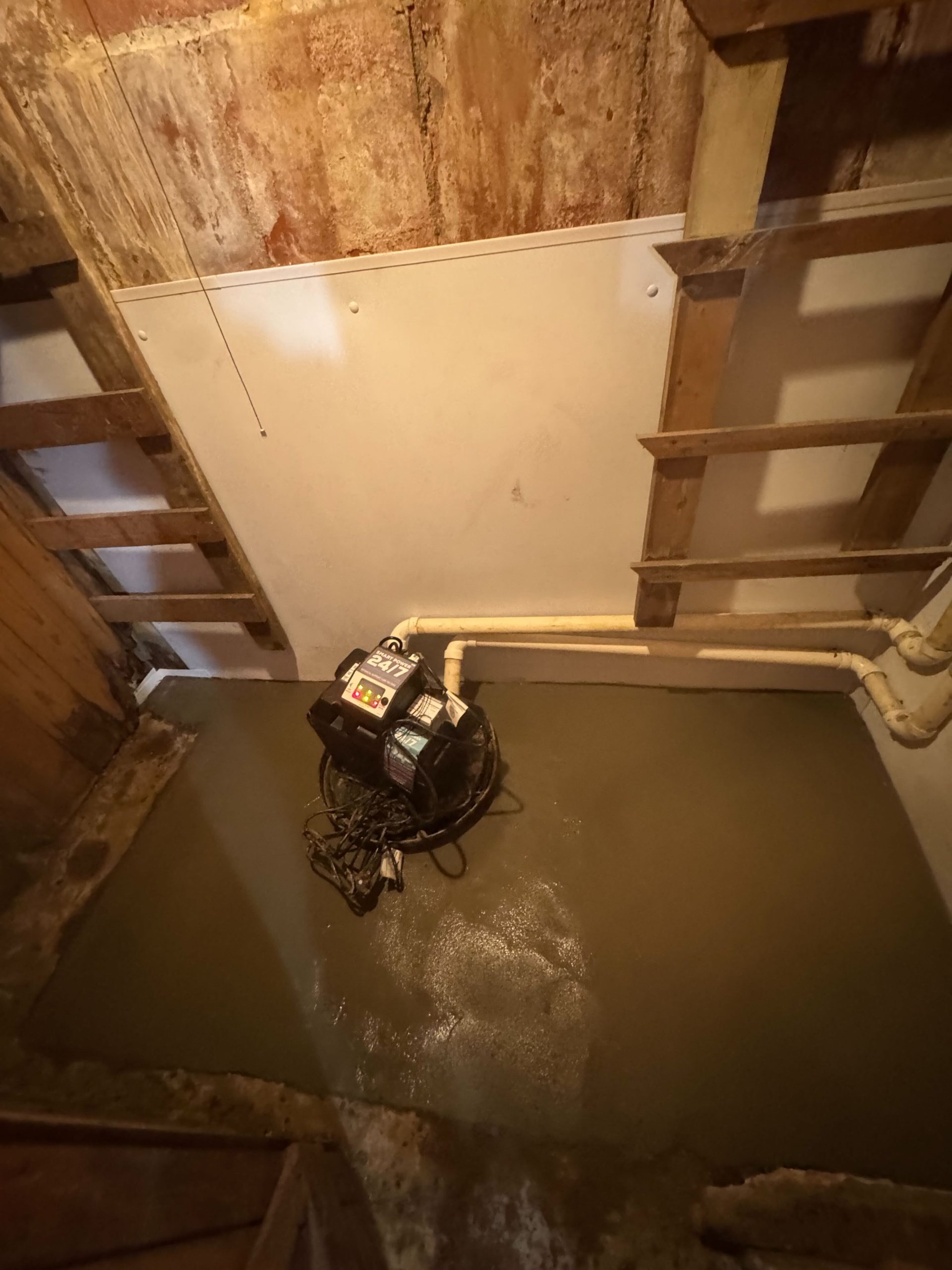
A sump pump is typically installed in the lowest point of your basement or crawl space, known as the sump pit. It’s here where groundwater or rainwater collects. Once the water level rises to a certain point, the sump pump automatically kicks into action. It pumps the water out of the pit and discharges it away from your home, hence preventing potential flooding.
Key functionality aspects of sump pumps include:
- The Float Switch: This activates the pump when water reaches a preset level.
- The Impeller: This device forces water out of the pump.
- The Check Valve: This prevents water from flowing back into the pit once it’s been pumped out.
In essence, your sump pump is the unsung hero of your basement’s defense system. Understanding its basic functionality is the first step towards effective waterproofing.
Importance of Regular Maintenance
Just like any other mechanical device, sump pumps require regular maintenance to keep them running smoothly and efficiently. You can’t just install one and forget about it. Regular check-ups are key to guaranteeing your sump pump’s longevity and effectiveness.
Let’s dig into this a bit more. It’s vital to test your sump pump every few months, especially before a heavy rain season. You can do this by pouring a bucket of water into the sump pit and watching to see if the pump activates. If it doesn’t, you’ve got a problem that needs addressing.
Also, keep your eye out for any unusual sounds when the pump is running. Grinding or gurgling noises may indicate a mechanical issue.
It’s also important to inspect the outlet pipes to confirm water is being discharged properly. If you see any blockages, clear them out right away.
Maintenance Tips for a Dry Basement
Regularly inspecting your basement for any signs of moisture or potential leaks can greatly reduce the risk of flooding.
Don’t overlook even the smallest areas as water can seep in through the tiniest cracks. If you spot any, you should immediately seal them with a waterproof compound to prevent any further damage.
Always ascertain that your gutters and downspouts are clear of debris and correctly installed. They should direct water at least 5 feet away from your house’s foundation.
If they’re not doing their job, you’re likely to face water seepage problems.
Humidity in your basement should also be kept in check. High humidity levels can lead to condensation, which can cause dampness and mold.
Consider investing in a dehumidifier if necessary.
To sum up, here are three vital steps you should follow:
- Regularly inspect and seal any cracks
- Keep gutters and downspouts clean and properly aligned
- Control humidity levels to avoid condensation
Adopting these maintenance tips can help keep your basement dry and your home safe from potential flooding.
It’s always better to prevent a flood than deal with its aftermath.
Waterproofing Cost: Investment Versus Damage Control
When considering basement waterproofing, it’s essential to weigh the cost of the initial investment against potential damage control expenses.
You might be surprised to find that the upfront cost of waterproofing can often be less than the price tag attached to repairing water damage down the line.
Understanding these expenses and performing an investment return analysis will guarantee you make the most informed and economical decision.
Understanding Waterproofing Expenses
Maneuvering the financial aspect of waterproofing your basement can feel like traversing a challenging maze, but with the right knowledge, you can turn it into a straightforward path.
You don’t need to be overwhelmed by the cost; instead, view it as a protective investment that saves you from potential damage and expensive repairs.
When considering waterproofing expenses, it’s important to understand that several factors contribute to the overall cost.
Here are a few key factors that could affect your final bill:
- Scope of work: Depending on the extent of waterproofing required, your cost can vary. Small fixes may be cheaper, but extensive waterproofing can cost more.
- Materials used: High-quality materials may increase your initial investment, but they’ll provide longer-lasting protection.
- Professional labor: Skilled professionals might charge more for their expertise, but their work is often more reliable compared to DIY attempts.
In the end, your waterproofing cost is like an insurance policy against future damage.
It’s not just an expense, but a valuable asset in maintaining the structural integrity of your home.
Damage Control Costs
Comparing the initial investment of waterproofing your basement to the cost of potential damage control provides a clearer perspective on its true worth.
Now, think of a flood scenario. You’re looking at water damage to furnishings, electronics, and perhaps crucial documents, not to mention structural damage to your basement’s floor and walls. The price tag for this can be steep, easily running into thousands of dollars, especially if mold remediation or foundation repair is required.
In contrast, waterproofing typically costs a fraction of that. It’s a preventive measure that saves you not only the financial stress of repairs but also the time and energy of dealing with a flooded basement.
Yes, there’s an upfront cost, but it’s a one-time expense that offers long-term peace of mind. You’re making a proactive investment in your home, safeguarding it against damage that can devalue it considerably.
Investment Return Analysis
Analyzing the return on investment for waterproofing your basement can provide a clear perspective on the economic benefits of this preventive measure.
You’re considering the upfront costs, yes, but you’re also looking at the potential savings down the line.
Consider the cost of a flooded basement. You’ve got the water removal, the drying time, the replacement of damaged items or structures – it all adds up.
And that’s not even considering the disruptions to your life and potential increases in your insurance premiums.
When you invest in waterproofing, you’re investing in peace of mind. You’re potentially avoiding:
- Long-term structural damage to your property
- The hassle and heartache of cleaning up after a flood
- An increase in your insurance premiums due to repeated claims
It’s not just about the money you might spend on cleanup after a flood.
It’s about the investment in your home, its value, and your lifestyle.
By taking the time to understand the return on your investment, you’re making an informed decision about your home’s safety and longevity.
And that’s a smart move.
Frequently Asked Questions
What Are the Health Risks Associated With a Flooded Basement?
Flooded basements pose health risks like mold growth, which can cause allergies and respiratory issues. Water damage may also attract pests, and stagnant water can breed bacteria. So, it’s essential to address flooding promptly.
Is Homeowners Insurance Typically Cover Basement Flooding?
Typically, your homeowner’s insurance doesn’t cover basement flooding. It’s often considered a maintenance issue. You’ll need separate flood insurance for such coverage. Always check your policy’s details or consult your insurance agent for clarity.
Can Waterproofing Increase the Value of My Home?
Waterproofing can boost your home’s value. Imagine a potential buyer choosing between two identical houses, but yours doesn’t risk basement flooding. They’ll likely pay more for that peace of mind, increasing your home’s market value.
What Are Signs of Potential Flood Damage to Look Out for When Buying a House?
You should look out for water stains, mold growth, a musty smell, and cracks in the walls or foundation. Also, check if the sump pump’s working well and if the house is on a floodplain.
How Often Should I Replace My Sump Pump?
Just like you’d replace an old car, you should swap out your sump pump every 10 years. It’s your home’s silent warrior, so don’t overlook it. Regularly check for wear and tear too.
Conclusion
Ironically, it’s water, the source of life, that could cause major headaches if your basement isn’t waterproofed. Don’t wait till you’re knee-deep in problems. Regular inspections, the right waterproofing, and proper drainage aren’t just smart moves, they’re lifesavers. So invest wisely in prevention; it’s a fraction of the cost of damage control. Remember, a dry basement isn’t just about protecting your property, it’s about preserving peace of mind.

Ohio State Waterproofing has provided quality service with over 90,000 successful waterproofing and foundation repair installations and satisfied customers since our inception in 1978.
Ohio State Waterproofing’s philosophy for success is to provide honest, courteous and guaranteed service to every customer. Our reputation reflects this. Our well-trained waterproofing technicians are dedicated to complete customer satisfaction. This is achieved through fast, efficient processes as well as teamwork throughout this organization. You will always find a friendly representative willing to meet your needs at Ohio State Waterproofing.
We are a full service company that handles problems ranging from patching cracks to rebuilding basements. In addition, we hold three patents related to waterproofing that make us unique in the industry. These patents and our experience allow us to be able to do what every other waterproofer can do, but no one else can do what we do.
We are actively involved in the industry and community, including the National Association of Waterproofing Contractors, BHA, NARI, NAHB, NHIA, the BIA, the FHA and a number of consumer advocacy groups, as well as playing leading roles in a number of charitable functions.
But, most importantly, our highest degree of praise comes from the thousands of referrals we get from satisfied customers. Together they’ve made us a leader in the basement waterproofing and foundation repair industry.
