
 You’re probably considering various home improvement projects to boost your property’s value. Have you thought aboutwaterproofing your basement? There’s a substantial body of evidence showing that homes with waterproofed basements can command higher market values. It’s not just about adding functional space; it’s also about safeguarding your property from potential water damage, a factor that can dissuade buyers. Think about it: a strategic investment that could yield a return of up to 200%. Intriguing, isn’t it? Let’s explore further.
Key Takeaways
- Waterproofing increases home market value by an average of 30%, enhancing the property’s appeal to potential buyers.
- A waterproofed basement expands functional space, adding to the home’s overall worth and usability.
- Investment in waterproofing can yield a 200% return, significantly enhancing resale value.
- Regular basement maintenance, including waterproofing, prevents costly structural damage, reducing future expenses.
- Waterproofing provides assurance against future water damage, contributing to the home’s longevity and durability, thereby increasing its value.
Understanding Basement Waterproofing
Diving into the world of basement waterproofing, you’ll quickly realize it’s much more than just slapping on a coat of waterproof paint.
It’s a complex process that requires careful planning, execution, and maintenance.
Firstly, you need to identify the source of water. It could be seeping in through cracks, coming from above ground level, or even rising up from the ground.
Then, you need to select the right waterproofing method based on your findings. There are several options like interior water drainage, exterior waterproofing, and sealants, each with its own pros and cons.
Proper preparation is also crucial for successful waterproofing.
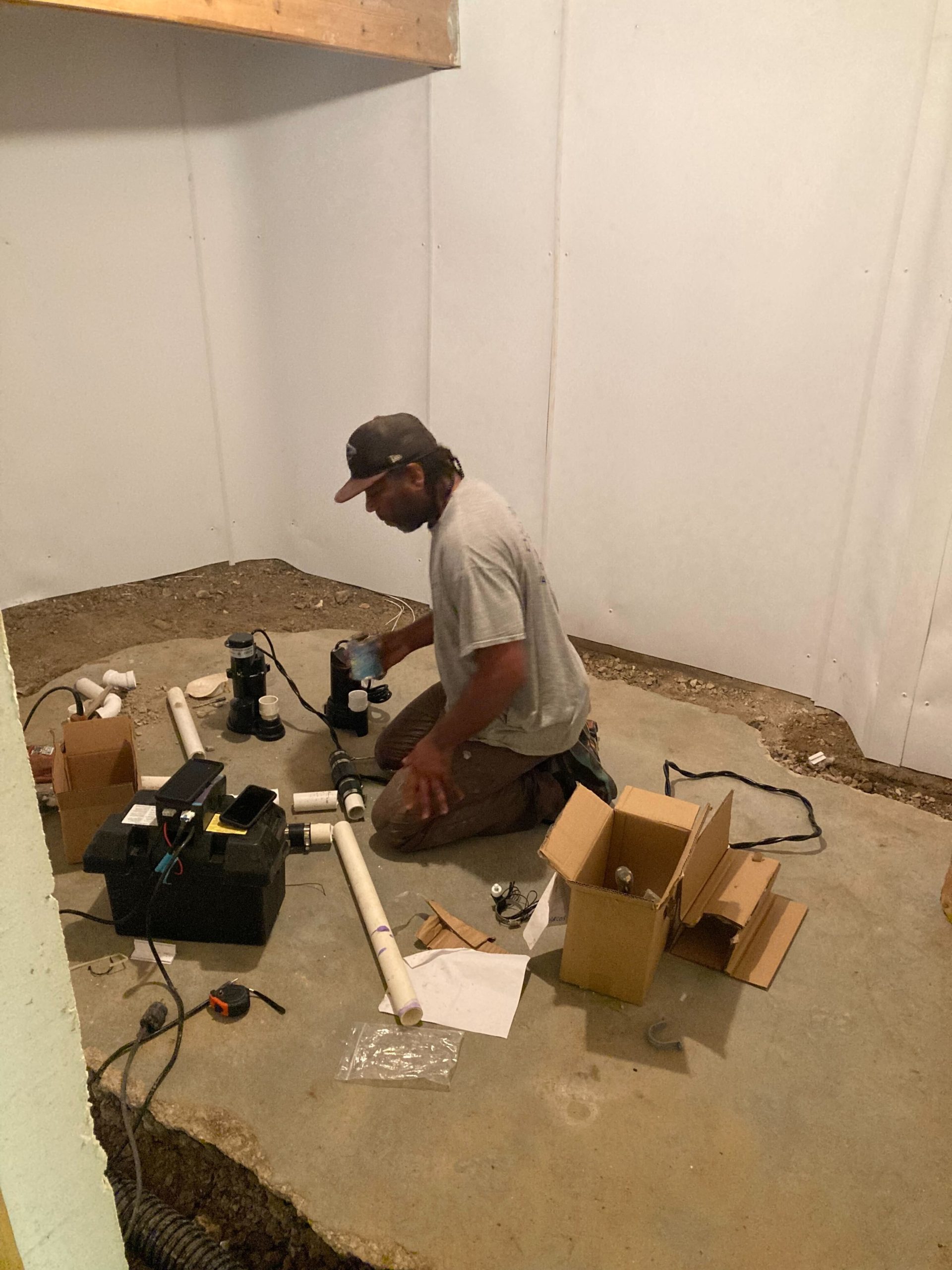
It may involve repairing cracks, installing a sump pump, putting in a drainage system, or even excavating around your house.
It’s not a job to be rushed – it requires precision and patience.
The Cost of Waterproofing a Basement
After carefully considering the intricate process of basement waterproofing, you might be wondering about the financial implications.
Well, it’s important to know that the cost varies widely depending on several factors.
You’ll find that the size of your basement, the extent of the water problem, and the approach you choose for waterproofing can all substantially influence the total cost.
For instance, a minor leak might only require an inexpensive sealant, but more extensive damage could necessitate a full interior or exterior waterproofing system, which can run into thousands of dollars.
A basic waterproofing job using sealants and crack fillings typically costs between $500 and $1,000.
But if you’re dealing with a severe problem that calls for excavation or the installation of drainage systems, you might be looking at anywhere from $2,000 to $10,000.
It’s also worth noting that hiring a professional often includes a warranty, which can provide peace of mind and potential savings in the long run.
Potential Risks of Basement Flooding
You mightn’t realize the potential risks that come along with basement flooding.
Not only can it have a significant financial impact, but there are also potential health risks to take into account.
It’s essential to understand these risks and take the necessary steps to prevent future floods.
Basement Flooding: Financial Implications
While basement flooding might seem like a mere inconvenience, it can have significant financial implications. You’re not just dealing with the immediate cost of water removal and cleanup. Consider the potential damage to your personal belongings, appliances, and HVAC systems, which can add up quickly.
Further, if you don’t address the root cause of the flooding, you’re setting yourself up for repeat occurrences. Continual flooding can lead to structural damage. This might mean needing to replace drywall, flooring, or even foundation repairs – these aren’t cheap fixes.
Insurance may not always cover flooding damage either, especially if it’s due to negligence or lack of maintenance. Even if you’ve got coverage, you’re likely looking at a hefty deductible and possible increases in your premiums.
Lastly, if you decide to sell your home, a history of basement flooding can decrease its market value. Buyers will be wary of potential repeat incidents and the costs they might incur.
Waterproofing your basement, while an upfront investment, could save you a significant amount in the long run, and even add to the overall value of your home.
Health Risks Involved
Beyond the financial implications of basement flooding, it’s important to contemplate the potential health risks as well. When water seeps into your basement, it doesn’t come alone. It brings with it a host of potential hazards that can put you and your family’s health on the line.
One of the most significant risks is the growth of mold and mildew. These fungi thrive in damp environments and can quickly multiply, spreading spores that can cause allergic reactions, respiratory issues, and in severe cases, even lung infections.
You’re also at risk of exposure to bacteria and viruses that can be carried by floodwater, especially if it’s contaminated with sewage.
Standing water also attracts pests like mosquitos, which can breed and spread diseases like West Nile and Zika Virus.
Plus, the dampness can lead to the deterioration of your home’s structure, potentially exposing you to harmful materials like asbestos, which can cause serious lung diseases including cancer.
In essence, basement flooding isn’t just a financial burden, it’s a health risk as well. Waterproofing your basement not only protects your investment, but more importantly, safeguards your health.
Preventing Future Floods
In light of the health risks associated with basement flooding, it’s essential to take proactive measures to prevent future floods. You can’t overlook the potential dangers that come with neglecting this issue. It’s not just about the immediate water damage, but the long-term risks too.
Water damage can lead to the growth of mold and mildew, which pose serious health risks. Structural damage is another concern. Over time, untreated water damage can weaken the foundation of your home, leading to costly repairs down the line.
Additionally, an improperly waterproofed basement can decrease your home’s value considerably.
It’s vital to put effective measures in place to prevent basement flooding. One way to do this is through basement waterproofing. This process involves the application of sealants and the installation of drainage systems to prevent water from accumulating in your basement.
It’s also important to maintain gutters and downspouts to guarantee effective water flow away from your home’s foundation.
How Waterproofing Increases Home Value
Should you decide to waterproof your basement, you’ll likely see a significant increase in your home’s value. This increase comes from a few key factors.
First, waterproofing eliminates potential damage caused by moisture, a common issue in basements, which can lead to costly repairs. By preventing these issues, you’re adding to your home’s overall durability and longevity.
Secondly, waterproofing expands the usable square footage of your home. A dry, mold-free basement can serve as an extra bedroom, a home office, or a recreation area, all of which are appealing to prospective buyers. This added functionality will inevitably boost your home’s market value.
Lastly, a waterproofed basement allows for better energy efficiency. By sealing off cracks and leaks, you’re reducing the amount of cold air entering in winter and hot air in summer. This insulation effect results in lower energy bills, a feature that savvy buyers will appreciate.
In essence, waterproofing your basement is an investment. It not only saves you money in the long run by preventing potential damage but also increases your home’s resale value, appeal, and energy efficiency.
The Role of Basements in Property Evaluation
As you consider the value of your property, don’t overlook the role your basement plays.
It’s not just an extra storage space; a well-maintained basement can greatly boost your home’s resale value.
Waterproofing is a key aspect of this maintenance, enhancing your property’s overall appeal and safeguarding against potential damage.
Basements and Property Value
When your home boasts a well-maintained basement, it can greatly enhance its property value. A basement presents additional square footage, and if it’s finished and functional, it can markedly increase your home’s market price. Potential buyers will see it as usable space, be it for storage, entertainment, or as an extra living area.
However, a neglected basement might’ve the opposite effect. Basements that are damp, musty, or showing signs of water damage may lower your home’s value. These issues can lead to problems with the structural integrity of your home, causing potential buyers to walk away.
It’s important to remember that while a well-maintained basement can attract buyers, a poorly maintained one can scare them off.
Moreover, a waterproofed basement is a boon for property values. It provides reassurance to potential buyers about the health of the home and its resistance to potential water damage.
Buyers are more likely to pay a premium for a home with a waterproofed basement that promises to be a livable, comfortable space, free from future potential problems.
Importance of Basement Maintenance
Without a doubt, basement maintenance plays a vital role in property evaluation. It’s a factor that can markedly affect the overall value of your home, so you shouldn’t underestimate its importance.
A well-maintained basement adds to the structural integrity of your house, which is an essential aspect for any property evaluator. Any signs of neglect, such as leaks or dampness, can raise red flags and lower the value of your property. Consequently, regular inspection and maintenance are necessary to keep your basement in good condition and guarantee that it contributes positively to your home’s value.
Moreover, a maintained basement can serve multiple purposes. It can be a storage area, a spare room, or even a cozy living space.
However, these functions can only be realized if your basement is properly maintained. For instance, a damp or leaking basement wouldn’t make a good living space or storage area, as it could lead to mold growth and damage your belongings.
Waterproofing and Resale Value
Building on the importance of basement maintenance, reflect on the benefits of waterproofing to enhance your home’s resale value.
Waterproofing your basement isn’t just about preventing water damage; it’s a strategic investment that can considerably increase your home’s market worth.
Here’s why: potential buyers aren’t just looking for aesthetic appeal. They’re digging deeper, inspecting the structural soundness of a property. A well-maintained, waterproofed basement signals a well-cared-for home. It assures buyers that they won’t have to deal with costly water damage repairs down the line.
Moreover, waterproofing expands the functional space in your home. An unusable, damp basement can be transformed into a dry, usable space, increasing your home’s square footage and its overall appeal.
The key here is to reflect on the cost versus the return. While you’ll incur expenses for waterproofing, you’re likely to recoup this investment when you sell.
According to HomeAdvisor, the average basement waterproofing cost is around $3,000 to $5,000, while the addition of a functional basement room can add approximately $25,000 to your home’s resale value.
Waterproofing Techniques and Their Impact
The choice of waterproofing techniques can significantly impact the durability and value of your basement.
It’s not just about stopping water; it’s about choosing the right method for your specific situation.
There are several techniques, each with its own pros and cons. For instance, interior waterproofing, which involves applying a sealant to the inside walls of the basement, is relatively affordable and can keep moisture at bay.
It’s a good option if you’re dealing with minor leaks or dampness.
However, if you’re facing serious water intrusion, exterior waterproofing might be the better choice.
It’s a more all-encompassing solution, involving the excavation around your home’s foundation to install a waterproof barrier.
It’s more expensive and disruptive but offers long-term peace of mind.
Then there’s the drainage system installation, designed to divert water away from your home.
It’s a proactive measure that can prevent future water-related issues.
Return on Investment for Waterproofing Projects
Investing in basement waterproofing can yield substantial returns over time.
When you waterproof your basement, you’re likely to see a return on investment (ROI) in several areas, directly and indirectly.
Directly, waterproofing adds to your home’s market value. Potential buyers often prioritize homes without water issues. They’re willing to pay more for a house with a waterproofed basement, knowing they won’t have to deal with dampness, mold, or foundation problems.
This means you’ll likely recoup your initial waterproofing costs and then some when you sell.
Indirectly, waterproofing reduces maintenance costs. You’re less likely to run into expensive repairs due to water damage.
You’re also likely to save on energy costs. A waterproofed basement is more efficient at retaining heat and cool air, reducing your heating and cooling expenses.
However, the exact ROI can vary based on factors like the waterproofing method used, your local real estate market, and the extent of the existing water issues.
It’s essential to get an expert assessment of your situation to understand your potential ROI.
Case Studies: Successful Waterproofing Ventures
Now, let’s turn your attention to some successful case studies in basement waterproofing.
You’ll gain insight into the profound impact of waterproofing on property value and remarkable projects that have reaped significant financial benefits.
Waterproofing’s Impact on Value
Ever wondered how much value can waterproofing add to your basement? Let’s explore a couple of case studies that demonstrate the potential impact on your property’s worth.
Firstly, a study by HomeAdvisor found that homeowners who waterproof their basements can expect an average of 30% increase in their home value. That’s noteworthy!
It’s no surprise then that potential buyers are willing to pay more for a house with a waterproofed basement, as it guarantees they won’t have to deal with water damage issues down the line.
Secondly, according to a report by the National Association of Realtors, waterproofing your basement can lead to a 10% to 20% increase in the overall property value.
The report further revealed that buyers are more likely to purchase homes that are free from the risk of basement water damage, as it saves them from future repair costs.
It’s clear that waterproofing your basement isn’t just about preventing leaks and mold growth; it’s an investment that can greatly boost your property’s value.
Noteworthy Basement Waterproofing Projects
You might be asking yourself, “How does a successful basement waterproofing project look like in practice?”
Let’s take a closer examination at a few real-life projects that effectively increased property values.
Consider the case of a suburban home in Pennsylvania. The owners encountered water intrusion issues in their basement. To combat this, they chose to install an interior French drain system and a sump pump.
These solutions not only stopped the water ingress but also turned the once damp and unusable basement into a dry, functional space.
Then there’s the example of a townhouse in Boston. The basement, plagued by water damage and mold, was a deterrent to potential buyers.
A complete waterproofing project, including a vapor barrier installation and a dehumidifier, effectively remedied the situation. It transformed the basement into a clean, livable area, thereby increasing the home’s market appeal and value.
Lastly, an old Victorian home in San Francisco had a basement with severe moisture problems. The owners decided to invest in an exterior waterproofing system.
This not only halted the moisture issues but also protected the home’s foundation, preserving the home’s structural integrity and value.
These successful ventures illustrate the tangible benefits of waterproofing a basement.
Financial Benefits Explored
Delving into the financial benefits of basement waterproofing, consider the significant increase in property value post-project completion.
You’ll see that the upfront costs are often offset by the long-term gains. A waterproofed basement not only adds usable space but also serves as a selling point, potentially increasing your home’s market value by up to 30%.
Let’s examine some successful ventures.
Case study one: a homeowner in New York invested $5000 in professional waterproofing. After completion, the property value increased by $15,000, a clear 200% return on investment.
Case study two: a Boston property owner spent $10,000 on an extensive waterproofing system. Afterward, their home sold for $40,000 more than comparable, non-waterproofed properties in the area.
These successes aren’t outliers. They’re representative of the potential financial benefits that waterproofing your basement can bring.
It’s not just about preventing water damage or mold; it’s about increasing your property’s value and appeal.
Waterproofing and the Home Inspection Process
A large percentage of homeowners might overlook the importance of waterproofing during a home inspection process.
You may think it’s not as important as the other aspects like the plumbing or electrical system. Yet, it’s an essential factor that can greatly affect the structural integrity and value of your home.
When a home inspector evaluates your basement, they’ll be looking for signs of water damage or potential risks.
Cracks on the walls or floors, damp spots, mold, mildew, or a musty odor are clear indicators of a waterproofing issue.
You’d be wise to address these concerns before your home inspection.
Waterproofing solutions can range from simple sealants to more intensive methods like installing a sump pump or French drain system.
Performing these upgrades can help prevent future water damage, thereby preserving the condition and worth of your property.
When it comes to selling your home, having a waterproofed basement can make your property more attractive to buyers.
It can also give you a leg up during negotiations, potentially leading to a higher selling price.
Future Considerations: Basement Maintenance and Value
Looking ahead, it’s important to reflect on not just the immediate impact of waterproofing your basement, but also the long-term effects on maintaining its value.
Waterproofing is more than a quick fix; it’s a strategic investment in your home’s future. Properly done, it can prevent structural decay, stop mold growth, and reduce energy consumption by regulating the temperature.
Over time, these benefits can add up to significant savings. Without the need for constant repairs and maintenance, you’re able to allocate funds elsewhere in your home. In addition, the energy efficiency aspect can lead to lower utility bills. It’s a win-win situation.
But it’s not just about saving money. A waterproofed basement also gives you peace of mind. You can rest easy knowing that your home is protected against water damage.
It’s a safeguard, preparing your home for whatever weather comes its way.
Frequently Asked Questions
Is Waterproofing Necessary for All Types of Soil?
It’s not necessary for all soil types, but it’s essential if you’re dealing with clay or silt. They retain water, increasing the risk of basement flooding. Waterproofing can prevent damage and maintain your home’s structural integrity.
How Long Does a Typical Basement Waterproofing Process Take?
The duration of a basement waterproofing process varies. It depends on your basement’s size and condition. Typically, it could take a few days to a week. However, complex issues might extend this period.
Are There Any Eco-Friendly Options for Basement Waterproofing?
Yes, there are eco-friendly options for basement waterproofing. You can opt for water-based sealants, which are less harmful to the environment. They’re effective and won’t compromise the quality of your waterproofing project.
What Insurance Options Exist for Basements Prone to Flooding?
Yes, insurance options do exist for flood-prone basements. You’ll need flood insurance, separate from your homeowner’s policy. It’s available through the National Flood Insurance Program or some private insurers. Check your area’s flood risk first.
Can I Waterproof My Basement on My Own, or Do I Need a Professional?
Yes, you can waterproof your basement on your own, but it’s not easy. It requires knowledge of construction and plumbing. Hiring a professional guarantees it’s done right, potentially saving you from future costly repairs.
Conclusion
In summary, waterproofing your basement is a savvy investment. Not only does it increase your home’s value by an average of 30%, it also protects against potential water damage, a major deal-breaker for many buyers. This strategic investment often yields significant returns, making it a worthwhile consideration. Remember, regular maintenance is essential to upkeeping your home’s value. Make the smart move – waterproof your basement.

Ohio State Waterproofing has provided quality service with over 90,000 successful waterproofing and foundation repair installations and satisfied customers since our inception in 1978.
Ohio State Waterproofing’s philosophy for success is to provide honest, courteous and guaranteed service to every customer. Our reputation reflects this. Our well-trained waterproofing technicians are dedicated to complete customer satisfaction. This is achieved through fast, efficient processes as well as teamwork throughout this organization. You will always find a friendly representative willing to meet your needs at Ohio State Waterproofing.
We are a full service company that handles problems ranging from patching cracks to rebuilding basements. In addition, we hold three patents related to waterproofing that make us unique in the industry. These patents and our experience allow us to be able to do what every other waterproofer can do, but no one else can do what we do.
We are actively involved in the industry and community, including the National Association of Waterproofing Contractors, BHA, NARI, NAHB, NHIA, the BIA, the FHA and a number of consumer advocacy groups, as well as playing leading roles in a number of charitable functions.
But, most importantly, our highest degree of praise comes from the thousands of referrals we get from satisfied customers. Together they’ve made us a leader in the basement waterproofing and foundation repair industry.
